
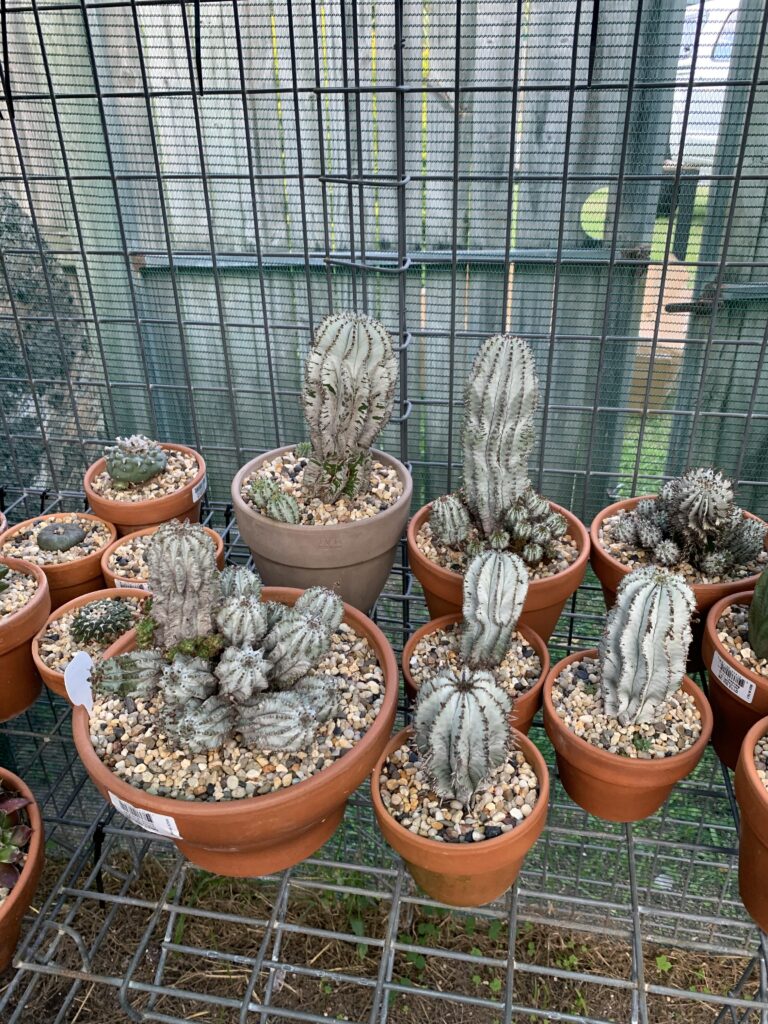
Short Answer
There’s something quietly magnetic about Ariocarpus—a genus of cacti that seems to defy the very essence of what a cactus should be. Unlike their spiny, towering cousins, these plants are low-growing, often flat against the earth, their surfaces adorned with intricate, geometric patterns that resemble ancient stone carvings. They are the quiet mystics of the desert, thriving in conditions that would wither lesser species, their resilience etched into every wrinkled fold of their flesh. To stumble upon an Ariocarpus in the wild is to witness a masterclass in adaptation, a living paradox of fragility and fortitude. But where, exactly, does one find these enigmatic botanical treasures?
The Hidden Gardens of Northern Mexico: Ariocarpus’ Native Realm
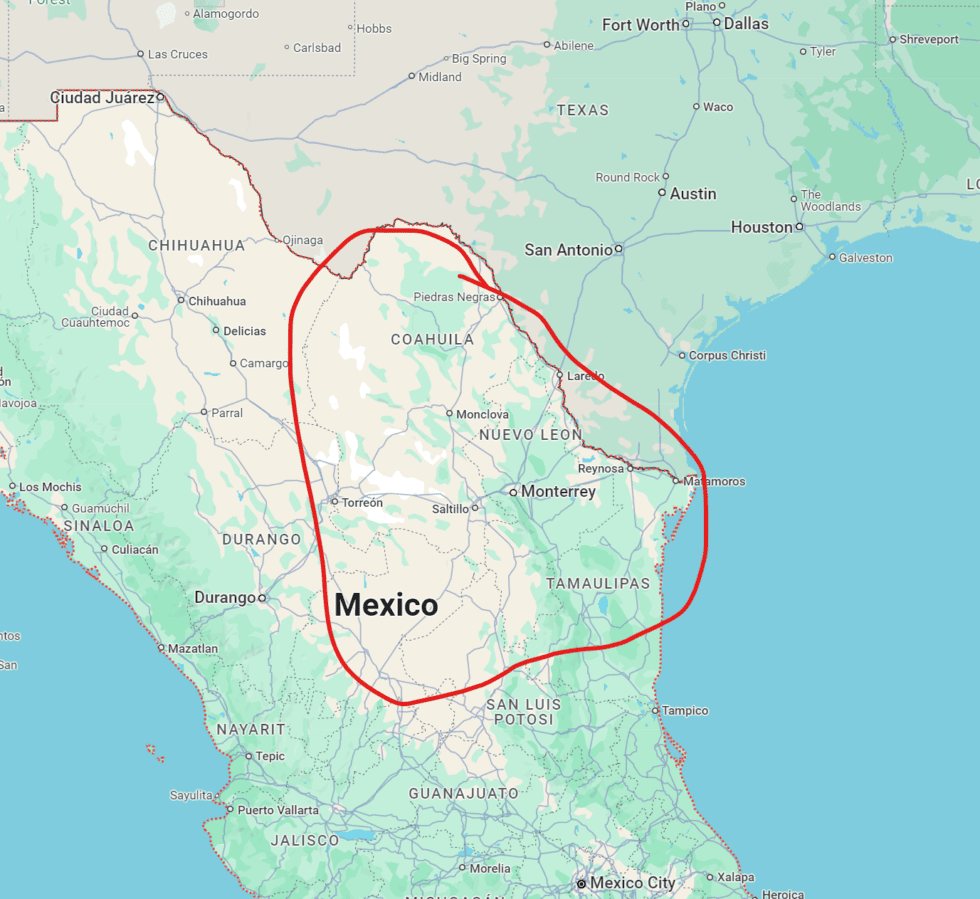
If you seek the cradle of Ariocarpus, look no further than the arid, sun-scorched landscapes of northern Mexico. This is where the genus thrives in its most unadulterated form, nestled into the crevices of limestone outcrops or half-buried in the mineral-rich soils of Chihuahua, Coahuila, and Nuevo León. The terrain here is deceptive—what appears barren and lifeless at first glance is, in fact, a carefully calibrated ecosystem where every plant plays a role in a delicate symphony of survival.
The Ariocarpus found in these regions are often camouflaged by their surroundings, their papery, scale-like tubercles blending seamlessly with the rocky substrate. This is no accident; it’s a survival tactic honed over millennia. The plants’ ability to merge with their environment isn’t just a quirk of evolution—it’s a testament to the relentless pressure of predation and drought. In the wild, an Ariocarpus that doesn’t disappear into the landscape is a plant that won’t live to reproduce.
Specialty Nurseries: Where Cultivation Meets Conservation
For those who can’t traverse the Mexican deserts, specialty nurseries offer a lifeline to the world of Ariocarpus. These havens of horticultural expertise are where enthusiasts and collectors converge, not just to purchase plants, but to immerse themselves in the lore of these living artifacts. Reputable nurseries often source their stock from ethical growers who prioritize conservation, ensuring that wild-collected specimens are replaced with cultivated ones to protect dwindling populations.
Visiting such a nursery is like stepping into a secret garden where time moves differently. The air hums with the quiet excitement of fellow enthusiasts, and the shelves are lined with Ariocarpus species that range from the common *Ariocarpus fissuratus* to the rarer *Ariocarpus bravoanus*. Each plant is a study in patience, often taking years to reach a size where its unique features—like the star-like arrangement of its tubercles—become apparent. The best nurseries don’t just sell plants; they sell stories, offering insights into the subtle differences between species and the care required to coax these desert jewels into thriving.
The Online Marketplace: A Double-Edged Sword
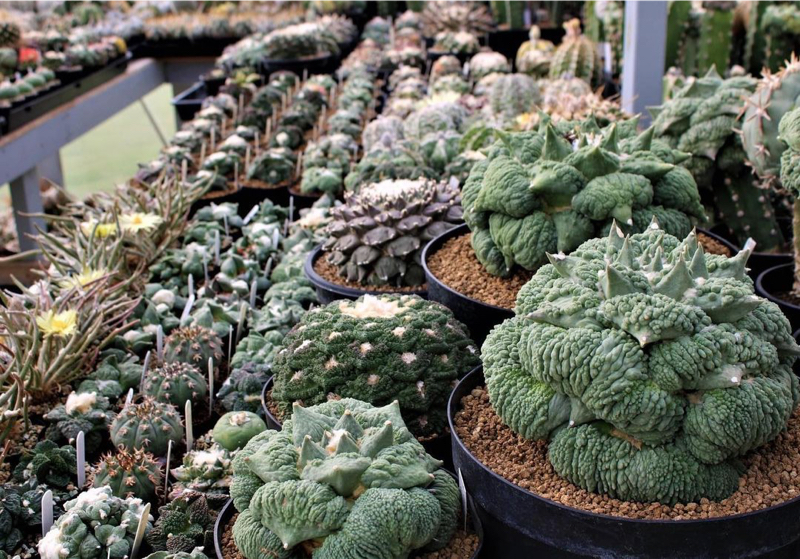
The digital age has democratized access to Ariocarpus, but it has also introduced a labyrinth of choices—and pitfalls—for the unwary buyer. Online marketplaces teem with listings for Ariocarpus, from seedlings to mature specimens, often at prices that reflect their rarity. However, the allure of convenience comes with risks: mislabeled plants, unethical sourcing, and even outright scams. The savvy collector knows to vet sellers meticulously, seeking out those who provide detailed care guides, provenance information, and transparent pricing.
Yet, the online world also fosters communities where enthusiasts share their experiences, from the first signs of etiolation in a poorly lit terrarium to the triumph of coaxing a stubborn Ariocarpus into flowering. Forums, social media groups, and dedicated websites become virtual greenhouses where knowledge is as carefully cultivated as the plants themselves. The best online vendors don’t just facilitate transactions; they cultivate a culture of stewardship, reminding buyers that owning an Ariocarpus is a privilege, not a right.
Botanical Gardens and Public Displays: Ariocarpus in the Spotlight
For those who prefer to admire Ariocarpus without the commitment of ownership, botanical gardens and public displays offer a window into their world. Institutions like the Huntington Library, Art Museum, and Botanical Gardens in California or the Royal Botanic Garden Edinburgh often feature curated collections of cacti, including Ariocarpus species. These displays are meticulously designed to replicate the plants’ natural habitats, providing visitors with an immersive experience that highlights the genus’ adaptations.
What’s often overlooked in these settings is the educational role they play. A well-designed exhibit doesn’t just showcase beauty; it tells a story. It explains why Ariocarpus grows so slowly, how its tubercles store water, and why its flowers—often small and unassuming—are a marvel of evolutionary ingenuity. For many, these gardens are the first step in a lifelong fascination, sparking a curiosity that leads to deeper exploration.

The Ethical Collector’s Guide: Where to Look and What to Avoid
Collecting Ariocarpus is not merely a hobby; it’s a responsibility. The genus is listed under CITES regulations, and many species are threatened by habitat destruction and over-collection. Ethical collectors approach the pursuit with reverence, prioritizing cultivated specimens over wild-harvested ones and supporting conservation efforts whenever possible. This means seeking out nurseries that propagate their own stock, joining organizations like the Cactus and Succulent Society of America, and even participating in seed exchanges to reduce demand for wild-collected plants.
It’s also worth noting that Ariocarpus are not beginner-friendly plants. Their slow growth, sensitivity to overwatering, and need for specific light conditions make them a challenge even for experienced growers. The ethical collector understands this and approaches the hobby with patience, recognizing that the reward isn’t just in owning a plant, but in nurturing a living piece of desert history.
The Deeper Fascination: Why Ariocarpus Captivates Us
Beyond their striking appearance and challenging cultivation, Ariocarpus hold a deeper allure—one that speaks to our fascination with resilience, mystery, and the passage of time. These plants are survivors, thriving in conditions that would extinguish most life. Their slow, deliberate growth mirrors the patience required to truly understand them, a reminder that some things cannot be rushed. And perhaps most intriguing of all, their camouflage speaks to a silent dialogue with their environment, a conversation that has unfolded over millennia.
To find Ariocarpus is to engage in a dialogue with the desert itself. Whether through the arid landscapes of Mexico, the curated shelves of a specialty nursery, or the vibrant displays of a botanical garden, these plants invite us to slow down, observe, and marvel. They remind us that beauty often lies not in grandeur, but in the subtle, the patient, and the enduring. And in a world that moves ever faster, that’s a lesson worth learning.
FAQ
Where can I find Ariocarpus in the wild?
Ariocarpus can be found in the deserts of northern Mexico, especially in the states of Chihuahua, Coahuila, and Nuevo León.
Are specialty nurseries a good source for Ariocarpus?
Yes, reputable specialty nurseries provide ethically sourced and cultivated Ariocarpus, supporting conservation efforts.
What are the risks of buying Ariocarpus online?
Risks include mislabeled plants, unethical sourcing, and scams, so it is important to buy from trusted sellers who provide detailed information.
Why is Ariocarpus considered difficult to grow?
Due to their slow growth, sensitivity to overwatering, and specific light needs, Ariocarpus require experienced care.
What role do botanical gardens play in Ariocarpus conservation?
Botanical gardens showcase Ariocarpus, educate the public about their biology and conservation, and help preserve genetic diversity.




Leave a Reply