
Short Answer
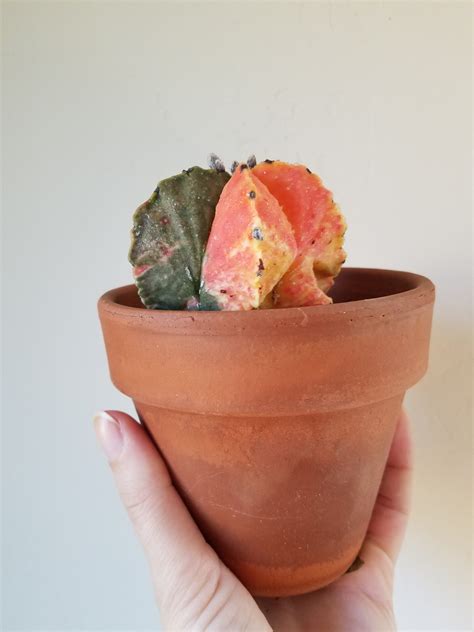
Astrophytum myriostigma variegated, a botanical marvel, entices both novice gardeners and seasoned collectors with its extraordinary appearance and unique charm. Recognized for its irregularly patterned skin, this cactus exhibits patches of vibrant white alongside lush green, captivating enthusiasts worldwide. In this comprehensive guide, we delve into the nuances of caring for and cultivating this exquisite species, imparting knowledge that will ensure your variegated astrophytum thrives.
Understanding the Botanical Identity
Astrophytum myriostigma belongs to the Cactaceae family, characterized by its columnar growth, striking form, and distinctive morphological features. This species is commonly known as the “bishop’s cap” due to its iconic shape resembling a mitre worn by bishops. The variegated variety showcases a mesmerizing interplay of coloration, making it a highly coveted specimen among collectors.
Recognizing Variations in Variegation
Within the realm of astrophytum, variegation presents itself in numerous forms. Types may encompass sectors of pure white, creamy yellow, or even faint pink hues, adding an element of surprise and personalization to each individual plant. While these variations may render plants differently attractive, the care requirements remain predominantly similar across the spectrum. Understanding these differences can inform your aesthetic choices while caring for your favorite species.
Optimal Growth Environment
Astrophytum myriostigma variegated flourishes best in environments that mimic its native habitat. Originating from the arid regions of northeastern Mexico, it is adapted to copious sunlight and limited humidity, requiring specific conditions to thrive.
Lighting Requirements: The Radiance of Sunlight
Considering its desert origins, this cactus demands substantial sunlight for optimal growth. Ideally, a location where it can receive full sun exposure for at least six hours a day is preferred. In less intense climates, placing it near a south-facing window ensures adequate light. Conversely, in areas with intense sunshine, filtered light or partial shade during the hottest hours of the day is beneficial to prevent sunburn, which can damage its delicate epidermis.
Temperature Preferences: Stability is Key
Temperature plays a crucial role in the health of your astrophytum. During the growing season, maintain temperatures between 70°F to 85°F (21°C to 29°C) during the day and a slight drop at night, ideally not dipping below 50°F (10°C). During winter dormancy, reduce temperatures further, aiming for a range of 45°F to 55°F (7°C to 13°C). Ensure that temperature fluctuations are gradual to prevent stress on the plant.
Soil Composition: The Foundation of Root Health
Opt for a well-draining soil mix that facilitates the swift expulsion of excess moisture. A proprietary cactus mix often suffices, but custom blends—one part potting soil, one part perlite, and one part coarse sand—promise optimal drainage and aeration. These components work harmoniously, preventing root rot while promoting healthy root development.
Watering Practices: The Fine Balance
Watering presents a delicate balancing act in the care of Astrophytum myriostigma variegated. During the growing season, from spring to early autumn, water thoroughly but infrequently. Allow the top inch of soil to dry out between watering sessions. This technique encourages deep rooting and prevents the dreaded rot. Adjust watering habits in the dormant winter months; reduce frequency drastically, providing just enough moisture to keep the cactus hydrated without saturating the soil.
Fertilization Strategies: Nourishment Without Overindulgence
To stimulate growth, feeding during the growing season with a diluted cactus fertilizer every four to six weeks is advisable. A balanced 10-10-10 or specifically designed cactus fertilizer ensures that essential nutrients are available without overwhelming the plant. During dormancy, halt fertilization entirely, allowing the plant to rest and recuperate.
Pest and Disease Management: Vigilance is Crucial
Even hardy cacti can encounter challenges with pests or diseases. Common threats include mealybugs, spider mites, and fungal infections. Regular inspections for these pests are essential. If detected, a targeted treatment with insecticidal soap or neem oil can be effective. To prevent fungal issues, ensure proper airflow around the plant and avoid water accumulation at the base, which may foster a conducive environment for pathogens.
Propagation: Expanding Your Cactus Collection
For those intrigued by the propagation of Astrophytum myriostigma variegated, propagation can be undertaken through offsets or seeds. While seeds provide a broader genetic diversity, offsets offer a more reliable method for retaining the unique variegation. Timing is essential; ensure propagation occurs during the growing season to maximize success rates.
Propagation from Offsets
Offsets form at the base of the principal plant and can be carefully detached for propagation. Using sterilized tools, gently remove the offset without damaging the mother plant. Allow the offset to callous over for a few days before planting it in a suitable soil mix. Ensure the newly planted offset receives appropriate light and water infrequently until root establishment occurs.
Propagation from Seeds
Propagating astrophyte via seeds is a venture that demands patience. Start by sowing seeds in a sterile, well-draining mix. Cover lightly and create a mini-greenhouse effect by covering with plastic. Maintain high humidity and moderate warmth until germination occurs, which can range from a few days to several weeks. Light levels should be gradually increased post-germination to prevent leggy growth.
Seasonal Care: Adapting to Nature’s Rhythm
Each season offers distinct opportunities for fostering your variegated astrophytum. During spring, awaken your cactus from dormancy with increased light and watering. As summer approaches, be vigilant regarding watering schedules, ensuring the plant does not dry out completely. In fall, gradually taper off watering as the plant prepares for dormancy. Prepare for winter by ensuring your cactus is dry and adequately insulated from cold drafts.
Conclusion: Cultivating Awe with Astrophytum Myriostigma Variegated
Astrophytum myriostigma variegated embodies a splendid fusion of beauty and resilience, demanding respect and attention. As you cultivate your cactus, you’ll experience the rewards of careful tending—from witnessing its growth to sharing its beauty with fellow enthusiasts. With the guidelines and insights provided, you are poised to embark on an enriching journey with this remarkable succulent, ensuring all the conditions for its flourishing are met.
FAQ
What is Astrophytum myriostigma variegated?
It is a variegated form of the bishop's cap cactus known for its unique white and green patterned skin.
How much sunlight does Astrophytum myriostigma variegated need?
It requires full sun exposure for at least six hours a day or filtered light in very intense sun to prevent sunburn.
How should I water my variegated Astrophytum myriostigma?
Water thoroughly but infrequently during the growing season, allowing the top inch of soil to dry out between waterings. Reduce watering drastically during dormancy.
Can I propagate Astrophytum myriostigma variegated from seeds?
Yes, but propagation from seeds requires patience and creating a humid, warm environment until germination.
What pests commonly affect Astrophytum myriostigma variegated?
Common pests include mealybugs and spider mites; fungal infections can also occur if moisture accumulates.

Leave a Reply