
Short Answer
In the sun-scorched expanses of the Americas, where the earth cracks under the weight of relentless drought and the air shimmers with mirage-like illusions, a silent revolution is unfolding. Cactus rescue centers—these botanical sanctuaries tucked into arid valleys and urban oases—are rewriting the future for some of the world’s most endangered plant genera. These aren’t just storage facilities for prickly survivors; they are living laboratories, genetic vaults, and educational hubs where conservation meets compassion. Whether you’re a seasoned botanist, a curious traveler, or someone who simply marvels at the tenacity of life in the desert, these centers offer a glimpse into a world where resilience is not just observed—it’s nurtured back to glory.
The Arid Ark: How Rescue Centers Safeguard Endangered Cacti
Imagine a Noah’s Ark, but instead of pairs of animals, it houses thousands of cactus species—some as small as a thimble, others stretching skyward like sentinels of the desert. Cactus rescue centers operate as modern-day arks, preserving genetic diversity in the face of habitat destruction, climate change, and illegal trade. These facilities often partner with botanical gardens, universities, and government agencies to create ex-situ conservation programs. Here, endangered genera like Pediocactus, Echinocactus, and Turbinicarpus are propagated through cutting-edge techniques such as tissue culture and controlled pollination. The goal isn’t just to keep them alive—it’s to ensure they thrive when reintroduced into their native landscapes.
But why cacti? These spiny wonders are ecological keystones. They provide shelter for insects, nesting sites for birds, and moisture for small mammals. Their flowers feed pollinators at critical times of the year. Yet, despite their importance, many species face extinction due to urban sprawl, overgrazing, and the black-market demand for rare specimens. Rescue centers act as genetic lifelines, storing seeds and tissue samples in cryogenic vaults, ready to be awakened when conditions improve.

From Black Market to Greenhouse: The Journey of Rescued Cacti
The path from poacher’s hands to a rescue center’s greenhouse is often a dramatic one. Many endangered cacti are smuggled across borders in suitcases, stuffed into socks, or even mailed as “gifts” to unsuspecting recipients. When intercepted, these plants—often stressed, dehydrated, and infested—arrive at rescue centers in dire condition. The first order of business? A botanical triage. Experts assess each specimen, treating fungal infections, removing pests, and rehydrating desiccated tissues. Some plants may need months of quarantine before they’re deemed stable enough for propagation.
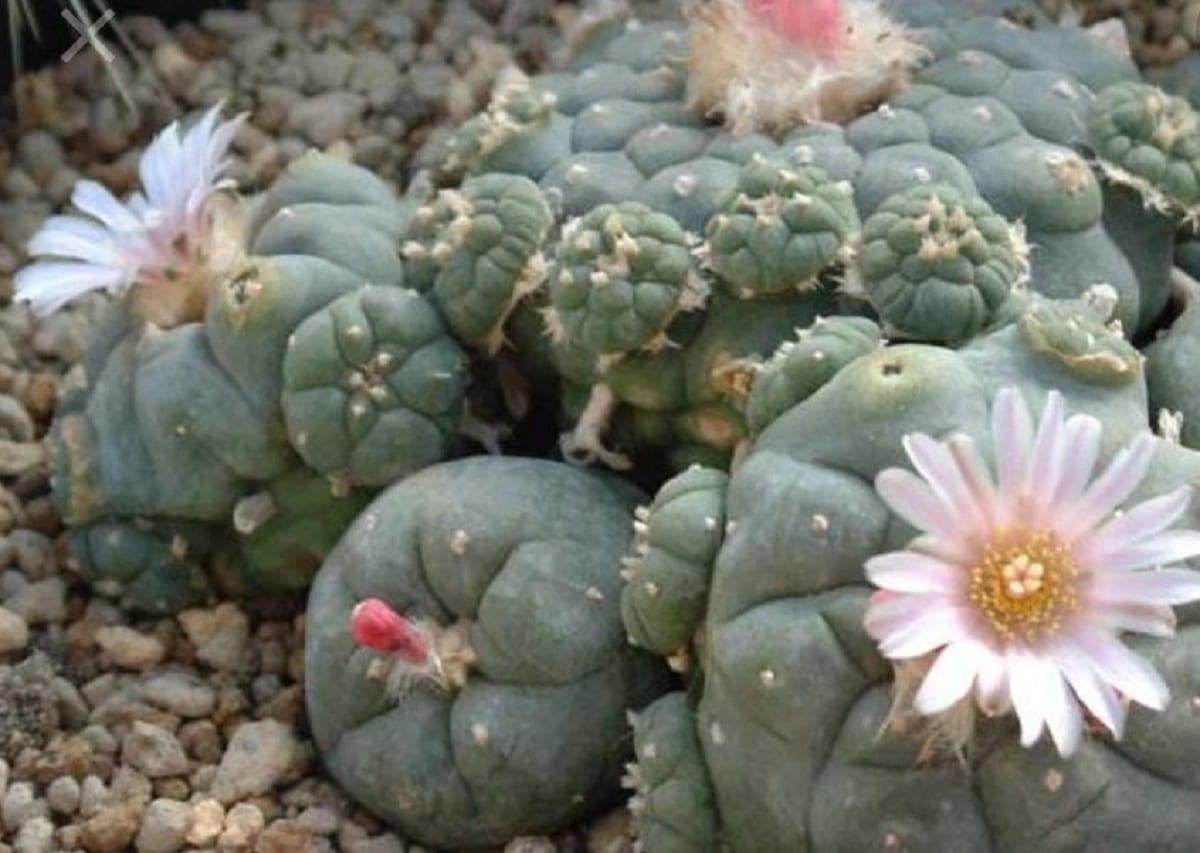
Take, for example, the Lophophora williamsii, commonly known as peyote. This slow-growing cactus is sacred to Indigenous communities and critically endangered due to overharvesting. Rescue centers work closely with Native American tribes to cultivate ethically sourced specimens, ensuring cultural traditions aren’t lost while protecting the species. Similarly, the Mammillaria pectinifera, a tiny, snow-white cactus from Mexico, has been nearly wiped out by collectors. Through micropropagation, rescue centers can produce thousands of genetically identical clones, reducing pressure on wild populations.
Behind the Scenes: The Science of Cactus Conservation
Conserving cacti isn’t just about keeping them alive—it’s about understanding their secrets. Rescue centers employ a suite of scientific tools to decode the mysteries of these desert dwellers. DNA barcoding helps identify cryptic species, while phenotyping tracks how different genotypes respond to drought or temperature shifts. Some centers even use drones to map wild populations, identifying areas where reintroductions could be most successful.
One of the most fascinating techniques is somatic embryogenesis, where plant cells are coaxed into growing into whole new individuals. This method allows for rapid multiplication of rare species without harming the parent plant. For instance, the Escobaria vivipara, a diminutive cactus native to the southwestern U.S., has been successfully propagated this way, ensuring its survival even as its habitat shrinks. Meanwhile, researchers at rescue centers are studying how cacti adapt to climate change, looking for traits that could be bred into other drought-resistant crops.
Ecotourism and Education: Bringing the Desert to the People
Cactus rescue centers aren’t just for scientists—they’re gateways for public engagement. Many facilities offer guided tours, workshops, and volunteer programs that let visitors get their hands dirty (literally) in the world of conservation. Imagine potting a baby Ferocactus or learning how to identify a healthy seedling from a stressed one. Some centers host “adopt-a-cactus” programs, where donors can sponsor the care of a specific plant, receiving updates on its growth and eventual reintroduction.
Educational programs are equally vital. Schools often partner with rescue centers to teach students about desert ecosystems, the impacts of climate change, and the ethics of plant collecting. Interactive exhibits, like touchable cactus displays or virtual reality tours of wild habitats, make conservation tangible for all ages. For travelers, some centers offer “cactus safaris,” where visitors can explore nearby wild populations under expert guidance, learning to spot endangered species in their natural habitat.

The ripple effect of these educational efforts is profound. Visitors leave not just with a newfound appreciation for cacti but with a sense of responsibility. They become ambassadors, spreading the word about the importance of these plants and the threats they face. Some even return as volunteers or donors, fueling the cycle of conservation.
Reintroduction: When Cacti Return to the Wild
The ultimate goal of any rescue center is reintroduction—returning genetically diverse, healthy cacti to their native landscapes. But this isn’t a simple process. First, the habitat must be restored. This might involve removing invasive grasses, reintroducing native pollinators, or even building shade structures to protect young plants from scorching sun. Then comes the delicate task of planting. Some species, like the Echinocactus grusonii (the golden barrel cactus), are planted in clusters to mimic natural growth patterns and improve survival rates.
Monitoring is critical. Rescue centers use GPS tags, camera traps, and citizen science apps to track reintroduced plants. Some species, like the Sclerocactus wetlandicus, have shown remarkable resilience, with survival rates exceeding 80% in carefully managed sites. Others, like the Uebelmannia pectinifera from Brazil, face ongoing threats from mining and agriculture, requiring constant vigilance. The reintroduction process is a testament to patience—some cacti may take decades to reach reproductive maturity, but each new generation brings hope.
Challenges and the Road Ahead
Despite their successes, cactus rescue centers face an uphill battle. Climate change is accelerating habitat loss, with prolonged droughts and wildfires wiping out populations faster than they can be restored. Illegal trade remains a persistent threat, with rare species fetching thousands of dollars on the black market. Funding is another hurdle—many centers rely on grants, donations, and crowdfunding to operate, leaving them vulnerable to economic shifts.
Yet, innovation offers a glimmer of hope. Advances in cryopreservation allow centers to store seeds and tissues for centuries, acting as a genetic time capsule. Artificial intelligence is being used to predict which species are most at risk, prioritizing conservation efforts. And global collaborations, like the Cactus and Succulent Specialist Group of the IUCN, are uniting experts across borders to share knowledge and resources.
The future of cactus conservation hinges on a delicate balance—between science and stewardship, between preservation and propagation, between the wild and the cultivated. Rescue centers are at the heart of this balance, proving that even in the harshest environments, life can be given a second chance.
FAQ
What is the role of cactus rescue centers?
Cactus rescue centers focus on conserving endangered cactus species through various methods such as propagation, research, and public education.
Why are cacti important to ecosystems?
Cacti provide essential habitats for various wildlife, contribute to soil health, and support biodiversity.

Leave a Reply