
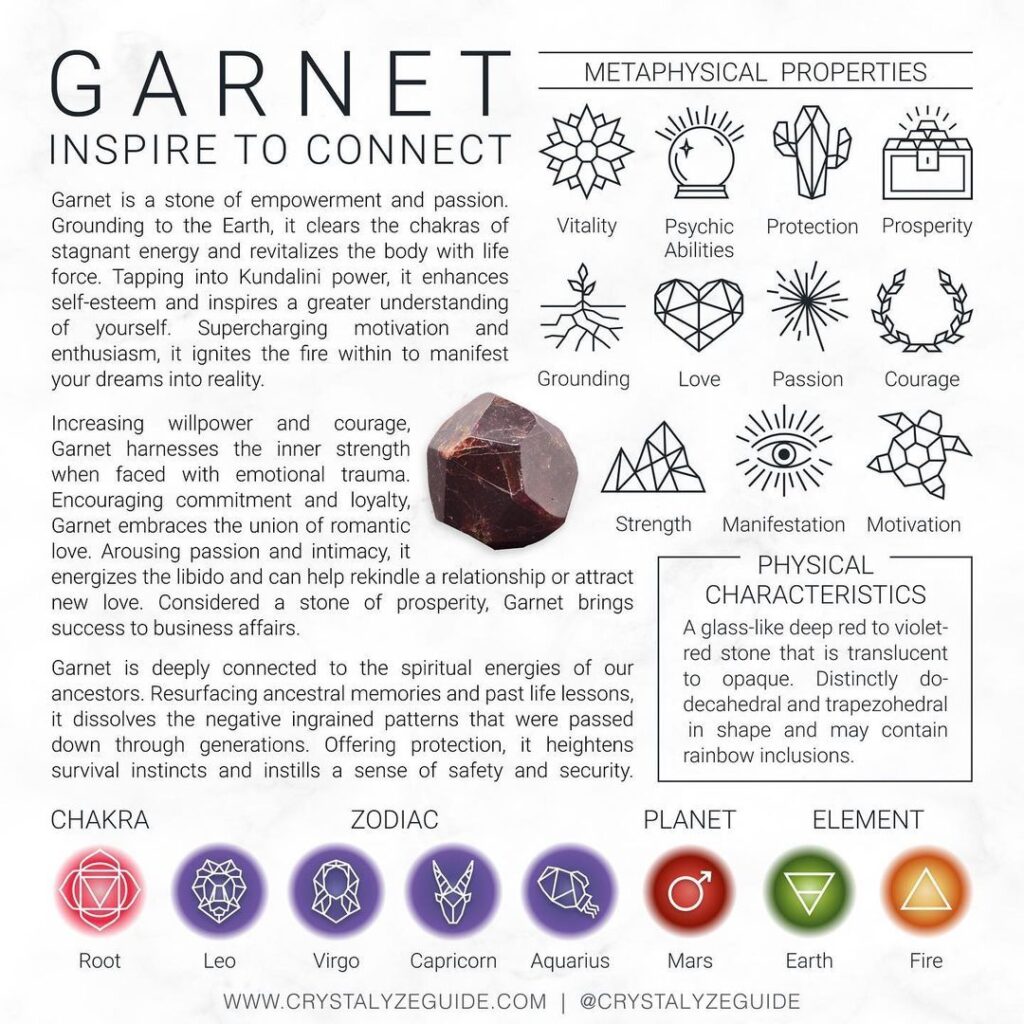
Short Answer
Have you ever paused to consider the silent wisdom of a cactus? These prickly sentinels of the desert, often dismissed as mere obstacles in a hike or decorative accents in a minimalist home, are actually powerhouses of metaphysical energy. What if I told you that beneath their spiky exteriors lies a world of healing, protection, and even emotional resilience? Let’s embark on a journey to uncover the hidden metaphysical properties of cacti—where resilience meets energy, and where every spine tells a story of endurance.
The Resilient Spirit: Cacti as Emblems of Strength and Perseverance
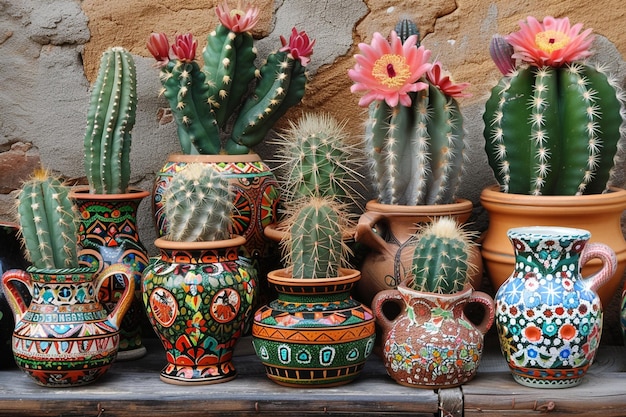
Cacti are the unsung heroes of the plant kingdom, thriving in some of the harshest environments on Earth. Their ability to store water for months, endure scorching heat, and bloom in the face of adversity makes them a symbol of unyielding strength. Metaphysically, cacti embody this resilience, offering a reminder that even in the driest seasons of life, we can find ways to nourish our spirits and push forward. When you place a cactus in your space, you’re not just inviting a plant—you’re inviting a mentor of endurance.
But here’s the twist: cacti don’t just teach us to endure; they challenge us to adapt. Their very structure—thick skins, shallow roots, and water-storing stems—reflects a mastery of efficiency. In feng shui, placing a cactus in the wealth corner of your home (the southeast) is said to attract prosperity by encouraging resourcefulness and adaptability. However, beware: their sharp spines are a metaphor for boundaries. Cacti remind us that while resilience is vital, so too is knowing when to protect ourselves from emotional or energetic drains.
Energetic Shields: How Cacti Protect and Purify Your Space
Ever walked into a room and felt an immediate sense of unease, only to realize later that the energy was off? Cacti might be the solution. Their dense, waxy exteriors are not just for water retention—they act as natural filters, absorbing electromagnetic frequencies (EMFs) from devices like phones and Wi-Fi routers. Placing a cactus near your workspace or bedside can create a protective barrier, shielding you from the subtle chaos of modern technology.
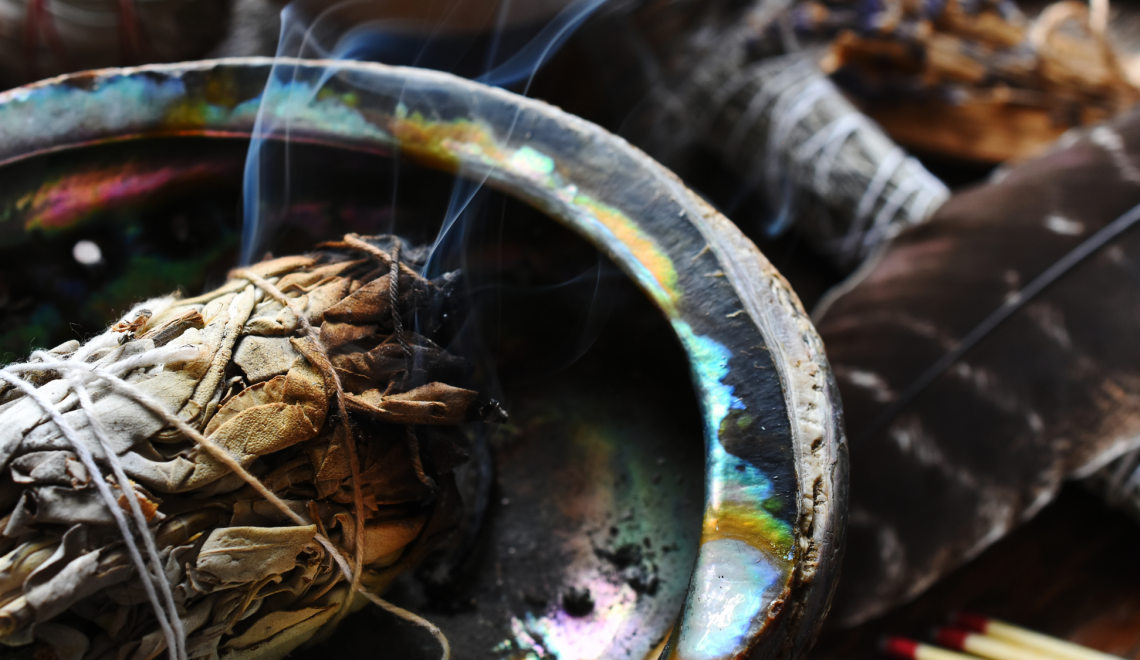
Moreover, cacti are masters of purification. In many indigenous traditions, they are used in smudging rituals or placed near doorways to ward off negative energy. Their spiny forms disrupt stagnant energy, forcing it to move or dissipate. If you’ve ever felt drained after spending time in a crowded or chaotic environment, a cactus in your home can act as an energetic reset button, helping to clear the air—literally and metaphorically.
The Thorny Paradox: Balancing Protection with Vulnerability
Here’s where things get interesting. While cacti are renowned for their protective qualities, their very spines present a paradox: they shield while also inviting caution. Metaphysically, this duality mirrors our own lives. We often build walls to protect ourselves, but these walls can also isolate us. A cactus teaches us that protection doesn’t have to mean isolation. Instead, it’s about discernment—knowing when to open up and when to fortify.
Consider the act of touching a cactus (gently, of course!). The sharp prick is a reminder that boundaries are necessary, but so is the ability to engage with the world. In crystal healing, cactus-like formations (such as the rare Cactus Quartz) are used to help individuals set healthy boundaries without shutting others out entirely. They encourage a balance between self-protection and emotional openness, a dance that’s easier said than done.
Emotional Alchemy: Cacti as Catalysts for Transformation
Cacti aren’t just about protection and endurance—they’re also catalysts for emotional transformation. Their slow growth and delayed blooming (some species take decades to flower) teach us the value of patience and delayed gratification. If you’re someone who struggles with instant results or quick fixes, a cactus can be a grounding companion, reminding you that some of life’s most profound changes take time.
Energetically, cacti are linked to the root chakra, the foundation of our physical and emotional well-being. When this chakra is balanced, we feel secure, grounded, and connected to the earth. A cactus placed near your feet or in the lower part of your home can help stabilize this energy, especially if you’re feeling scattered or anxious. But be mindful: overdoing it can lead to stubbornness or resistance to change. Like the cactus, we must learn to adapt without becoming rigid.
Rituals and Practices: Harnessing Cactus Energy in Daily Life
Ready to invite cactus energy into your routine? Here are a few ways to work with their metaphysical properties:
- Meditation Anchors: Place a small cactus on your meditation altar to ground your practice. Its presence can help you stay focused and connected to the present moment.
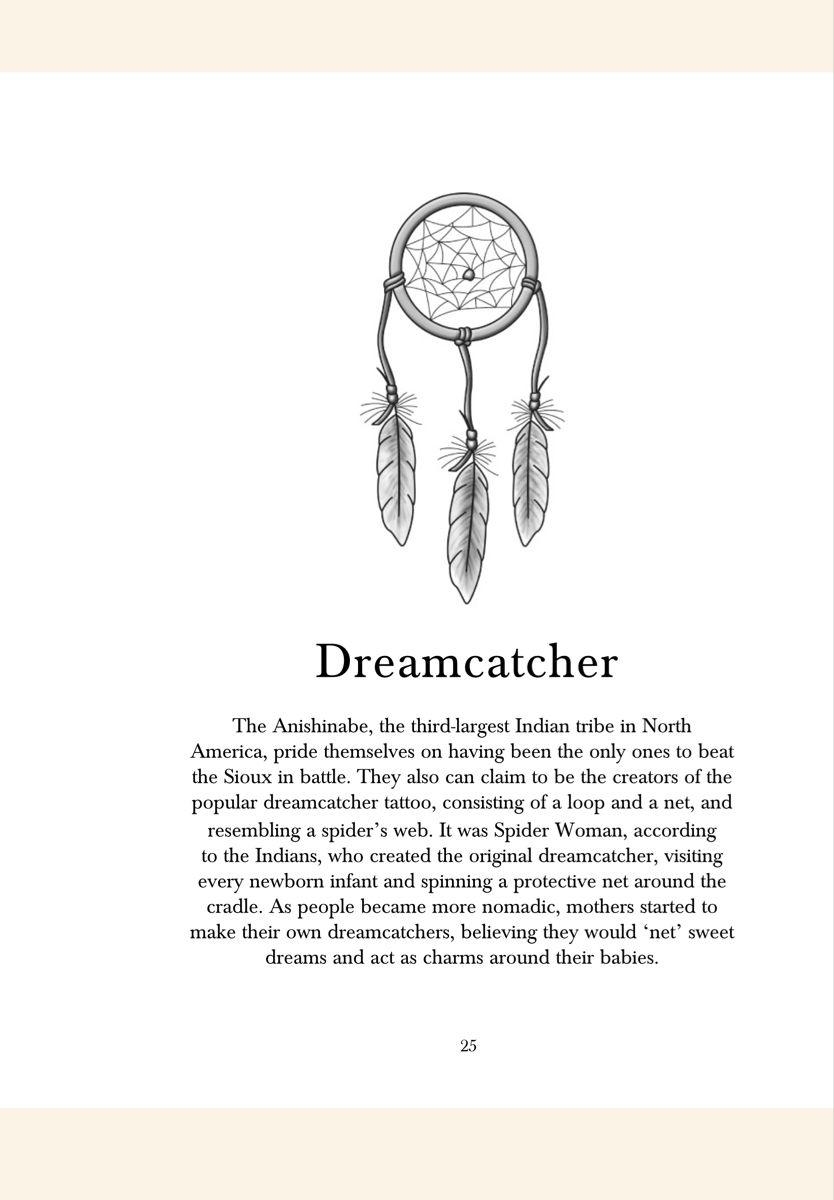
- Dream Work: Keep a cactus near your bed to ward off nightmares and promote restful sleep. Some traditions even place a cactus leaf under the pillow to encourage prophetic dreams.
- Space Clearing: Use a cactus in combination with other cleansing tools like palo santo or sage to amplify the purification process in your home.
- Journal Prompts: Write about a challenge you’re facing and place a cactus nearby as a symbol of your resilience. Let its energy inspire you to find creative solutions.
Remember, the key is intention. A cactus is more than a decorative piece—it’s a living ally in your metaphysical toolkit. Treat it with respect, and it will reciprocate with its unique brand of magic.
The Shadow Side: When Cactus Energy Becomes a Double-Edged Sword
Of course, no plant is without its cautions. Cacti, for all their gifts, can amplify stubbornness or emotional withdrawal if not balanced properly. Their energy is intense, and in excess, it can lead to isolation or a refusal to confront difficult emotions. If you find yourself feeling more irritable or closed-off after introducing a cactus into your space, it might be time to reassess its placement or even take a break from its energy.
Additionally, some cacti species are toxic if ingested, so keep them out of reach of pets and children. Their spines can also be a physical hazard, so handle them with care during repotting or cleaning. Metaphysically, this serves as a reminder that even the most powerful allies require respect and mindfulness.
Beyond the Desert: Cacti in Global Spiritual Traditions
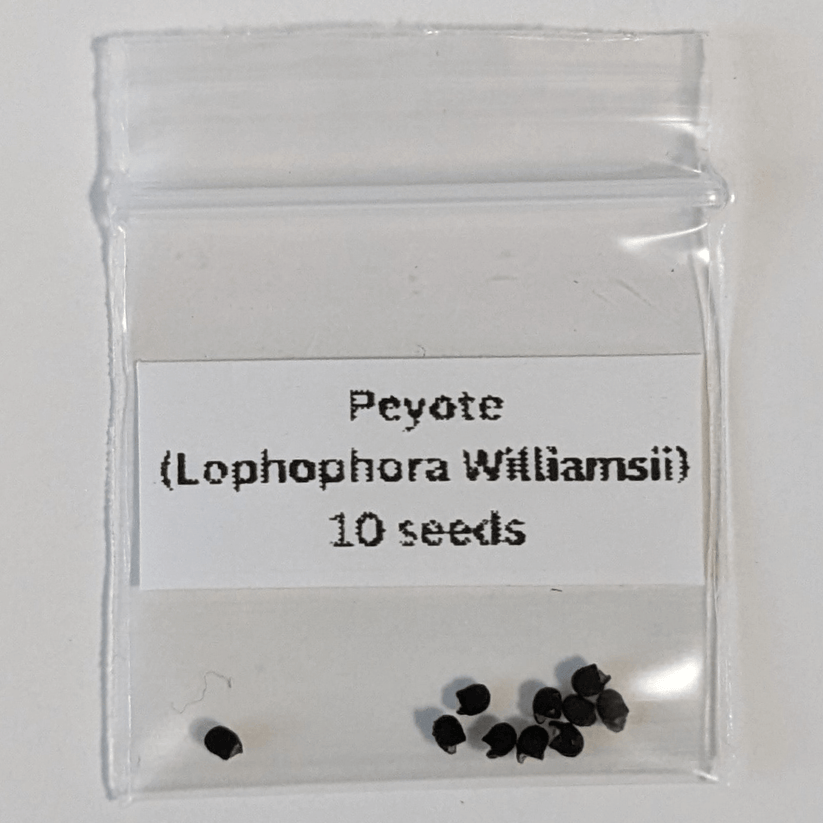
While cacti are native to the Americas, their spiritual significance spans cultures. In ancient Aztec traditions, the peyote cactus (Lophophora williamsii) was revered as a sacred plant that bridged the human and divine realms. Shamans used it in rituals to commune with spirits and gain insight. Today, peyote remains a powerful tool in modern spiritual practices, though its use is highly regulated and culturally sensitive.
In European folklore, cacti were often associated with protection against witchcraft and evil spirits. Their unusual appearance made them symbols of the unknown, and they were planted near homes to deter negative influences. Even in contemporary witchcraft, cacti are used in spells for resilience, banishing, and psychic defense.
This global tapestry of beliefs underscores a universal truth: cacti are more than plants. They are teachers, protectors, and mirrors of our own inner landscapes.
A Final Thought: What Will Your Cactus Teach You?
As we’ve explored, cacti are far more than prickly oddities—they are living embodiments of strength, protection, and transformation. Whether you’re drawn to their resilience, their purifying energy, or their ability to challenge us to grow, there’s no denying their metaphysical potency. So, the next time you see a cactus, pause for a moment. What lesson is it offering you? And more importantly—are you ready to embrace it?
The desert doesn’t bloom easily, but when it does, the results are spectacular. Perhaps the same is true for us. With a cactus by your side, you might just find the courage to bloom in your own time.
FAQ
What are the healing properties of cacti?
Cacti are believed to promote emotional resilience, protect against negative energy, and support spiritual grounding.
How should I place a cactus for metaphysical benefits?
Placing a cactus in the southeast 'wealth' corner or near areas with electronic devices can enhance prosperity and energy protection.
Can cacti be harmful?
Yes, their spines can cause physical injury and some species are toxic if ingested, so handle with care and keep away from pets and children.
Are cacti used in any cultural rituals?
Yes, indigenous cultures such as the Aztecs used peyote cactus in spiritual ceremonies, and European folklore associates cacti with protection from evil.


Leave a Reply