
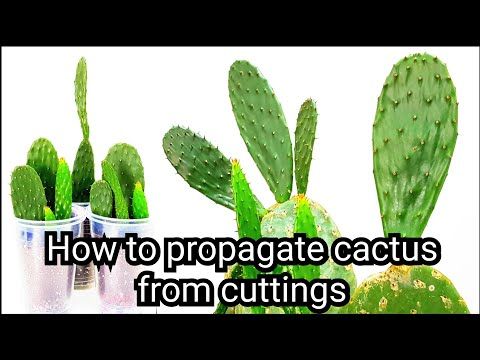
Short Answer
Have you ever gazed upon a spiky, resilient Opuntia cactus and wondered: Could I, too, conjure new life from its segmented arms? The thought is as tantalizing as it is thorny. Propagation from cuttings—this age-old horticultural sleight of hand—promises to multiply your desert darlies with minimal fuss. But does it truly work for the prickly Opuntia, or are we merely chasing a botanical mirage? Let’s embark on a journey through the sun-baked soils and sharp edges of cactus propagation to uncover the unvarnished truth.
The Opuntia Enigma: Why This Cactus Plays Hard to Get
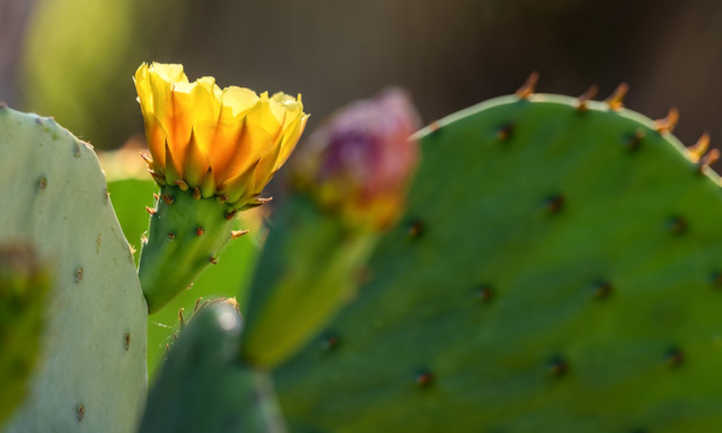
Opuntia, the genus of prickly pears and chollas, is a master of survival. Its flat, paddle-like pads are evolutionary marvels—water-storing reservoirs wrapped in a suit of armor. But this very armor, those formidable spines and glochids, poses a conundrum for propagation. Unlike their smoother, more cooperative cousins, Opuntias don’t just *let* you take a cutting and call it a day. They demand respect, patience, and a dash of cunning.
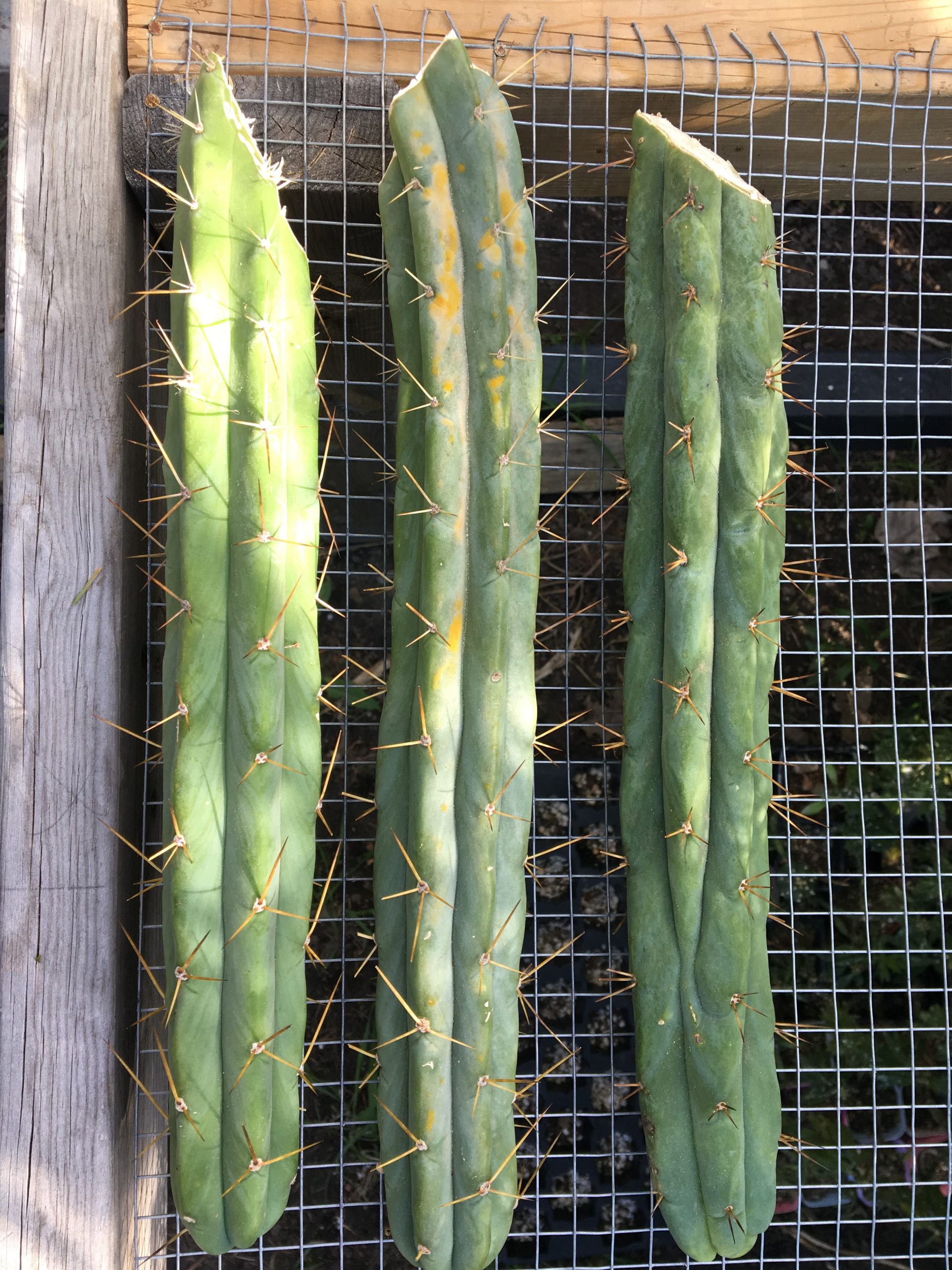
The challenge begins with the cutting itself. A healthy pad, severed with a clean cut, is your starting point. But here’s the rub: Opuntias are prone to rot if the wound isn’t given time to callous over. Leave it exposed to the elements for too long, and you’ve essentially invited fungal pathogens to a feast. The key? Let it dry in a shady, airy spot for at least a week—sometimes two—until the cut end resembles a leathery, slightly wrinkled souvenir from a desert adventure. Only then is it ready to meet the soil.
The Soil Conundrum: Finding the Perfect Cradle for Your Cuttings
Opuntias are desert dwellers, thriving in gritty, fast-draining soils that mimic their native habitats. A standard potting mix? Forget it. You’re courting disaster. Instead, envision a blend that’s part sand, part perlite, part compost—think of it as a cactus soufflé, light and airy with just enough substance to hold moisture without suffocating the roots. A ratio of 60% inorganic material (like coarse sand or pumice) to 40% organic matter (cactus soil or coconut coir) strikes the ideal balance.
But here’s where things get tricky. Opuntias are notorious for their sensitivity to overwatering. A cutting that’s too damp is a rotting cutting waiting to happen. The solution? Water *sparingly*—just enough to settle the soil around the cutting, then wait. Let the top inch of soil dry out completely before you even think about adding more moisture. This isn’t a plant that thrives on coddling; it’s a survivor that demands you step back and let nature do its thing.
The Waiting Game: Patience as Your Most Trusted Ally
If you’re accustomed to fast-growing plants that shoot up overnight, Opuntia propagation will test your mettle. This isn’t a race; it’s a slow dance with time. Depending on the species, your cutting could take anywhere from a few weeks to several months to root. Some stubborn pads might even take a full growing season to show any signs of progress. Resist the urge to tug at the cutting to check for roots—this is a surefire way to disrupt the process and send your fledgling plant into shock.
Instead, keep an eye out for subtle cues. A slight firmness at the base? That’s a good sign. New growth at the top? Even better. These are the silent victories of propagation, the quiet triumphs that reward your patience. And remember, Opuntias are opportunists. They’ll root when the conditions are right—not when you’re ready. So, pour yourself a cup of tea, put your feet up, and let the desert magic unfold.
Common Pitfalls: The Traps That Snare Unwary Propagators
Even the most seasoned gardeners can stumble when it comes to Opuntia propagation. One of the most frequent missteps? Skipping the callousing step. Freshly cut pads are like open wounds, vulnerable to infection and rot. Another pitfall is using a pot that’s too large. Opuntias prefer snug quarters; a spacious pot holds excess moisture, which is the enemy of these drought-loving plants. Stick to a container just slightly larger than the cutting itself.
Then there’s the issue of lighting. Opuntias crave bright, indirect light—think of the dappled shade under a desert shrub. Too much direct sun, and your cutting will fry. Too little, and it’ll stretch and weaken, a phenomenon known as etiolation. Strike a balance, and your cutting will thrive. Fail, and you’ll be left with a sad, sunburned pad that’s more likely to rot than root.
The Reward: A Forest of Prickly Pears (Without the Thorns of Doubt)
When your Opuntia cutting finally takes root, it’s nothing short of magical. That once-flat pad, now anchored in the soil, begins to plump up with stored water. New pads emerge, each one a testament to your patience and skill. Before you know it, you’ve got a thriving colony of Opuntias, each one a miniature desert ecosystem in its own right.
But the real reward isn’t just the plants—it’s the knowledge that you’ve unlocked one of nature’s most resilient secrets. Opuntias are survivors, and by propagating them, you’re not just growing plants; you’re perpetuating a legacy of tenacity and adaptation. Whether you’re aiming for a windowsill full of prickly pears or a backyard brimming with chollas, the process is as rewarding as the result.
So, the next time you hold a pad of Opuntia in your hand, ask yourself: Could I propagate this? The answer, as you now know, is a resounding yes. But only if you’re willing to play by the desert’s rules.
FAQ
What is the best way to prepare Opuntia cuttings for propagation?
Cut healthy pads and let the cut ends dry and callous over for one to two weeks in a shady, airy spot before planting.
Why should Opuntia cuttings be allowed to callous before planting?
Callousing prevents fungal infections and rot by sealing the wound before the cutting is placed in soil.
What soil mixture promotes healthy rooting for Opuntia cuttings?
A soil mix with about 60% inorganic materials like coarse sand or pumice and 40% organic matter such as cactus soil or coconut coir.
How can I avoid overwatering when propagating Opuntia?
Water only enough to settle the soil around the cutting and wait until the top inch of soil is dry before watering again.
How long does it take for new growth to appear on Opuntia cuttings?
New growth can appear anywhere from a few weeks up to a full growing season depending on the species and conditions.
Leave a Reply