
Short Answer
In the realm of contemporary landscaping, where sustainability meets aesthetics, a captivating trend is carving its niche: the harmonious fusion of cactus and gravel. This versatile duo is redefining outdoor spaces, blending rugged resilience with minimalist charm. More than a simple gardening style, it embodies a nuanced design philosophy that celebrates natural textures, drought-tolerant flora, and easy maintenance. Step beyond traditional lawns and floral beds into an intriguing world where xeriscaping takes center stage, creating landscapes that are both environmentally responsible and visually arresting.
The Allure of Cactus in Modern Landscaping
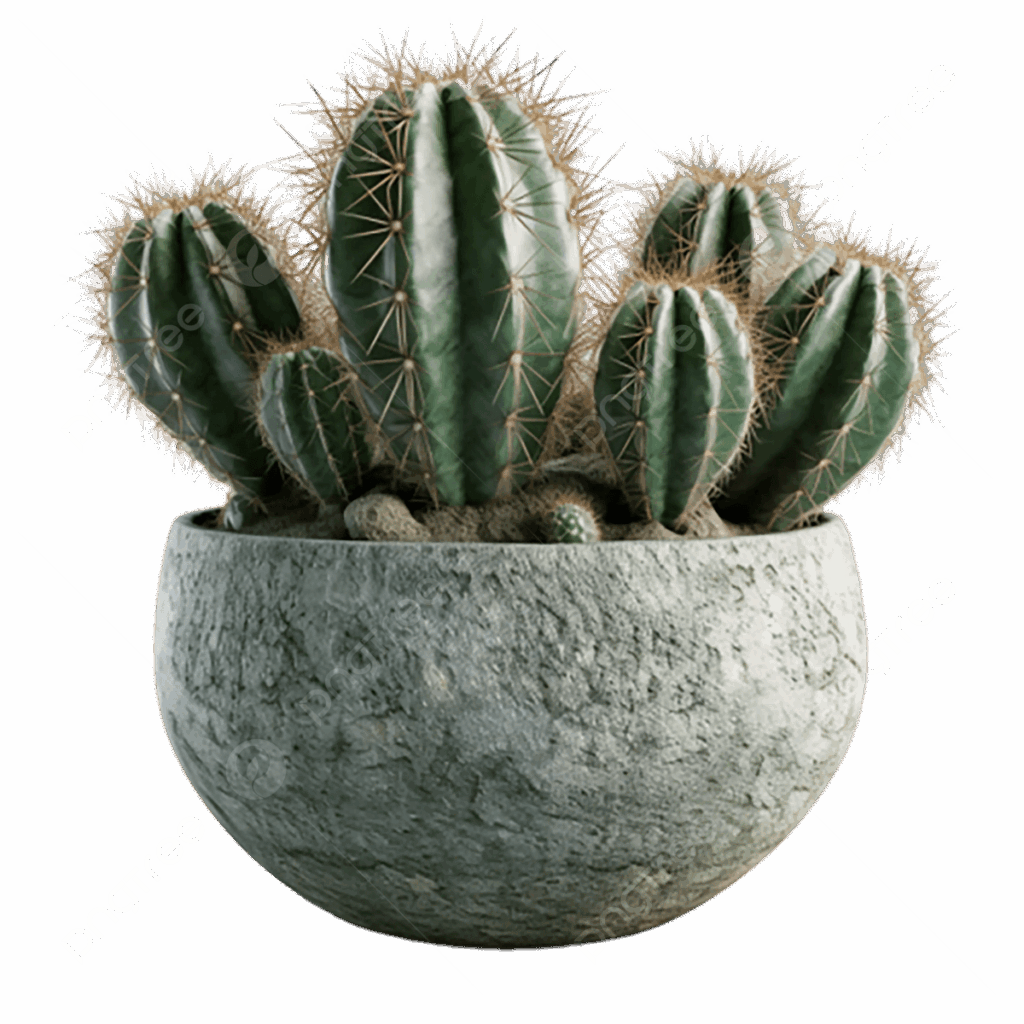
Cacti have long been synonymous with arid deserts and unforgiving climates, yet they possess a beguiling aesthetic appeal that lends itself brilliantly to modern garden designs. Their sculptural forms and varied silhouettes—from towering saguaros to pudgy barrel cacti—introduce architectural interest and unexpected focal points. Hardy and adaptable, cacti thrive in low-water environments, making them ideal companions in drought-prone regions or for gardeners pursuing sustainable practices.
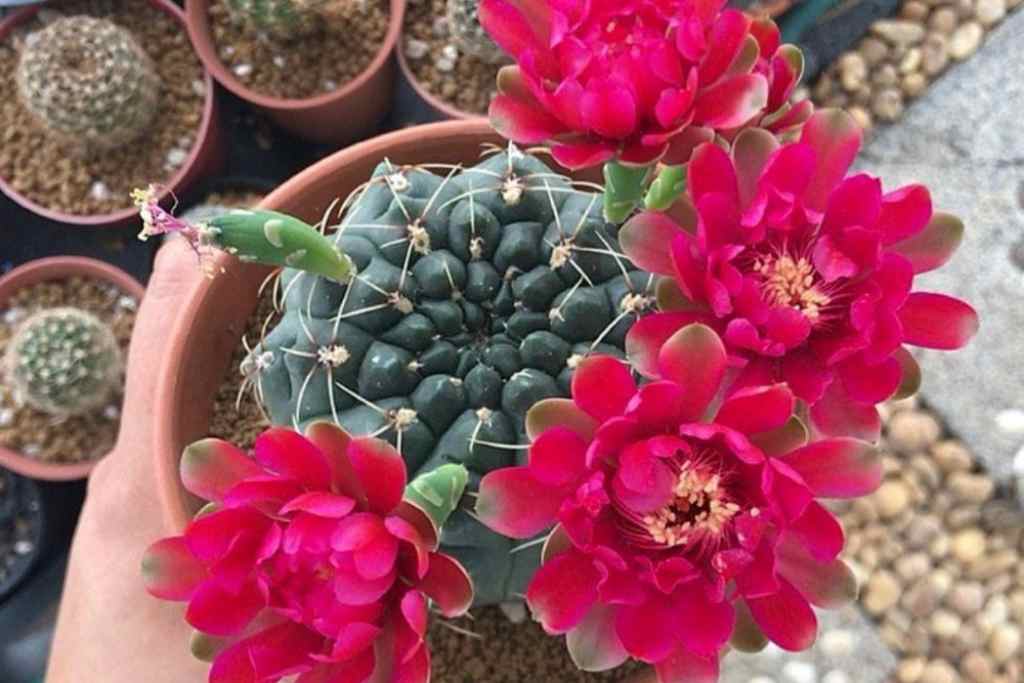
Integrating cacti into landscaping allows for a departure from the ubiquitous green turf. Their spines, ridges, and vibrant blooms—often in striking reds, yellows, and pinks—inject bursts of color and texture that captivate any observer. These plants encourage creativity with layering height and contrast, bringing a dynamic energy to garden compositions where traditional plants might falter or demand excessive upkeep.
Gravel: The Unsung Hero of Sustainable Landscaping
Gravel is far more than a decorative ground cover; it’s a multifunctional element that complements cactus landscaping in remarkable ways. Its porous nature facilitates excellent drainage, preventing water stagnation that can threaten succulent health. The varied hues of gravel—from soft greys and sandy beiges to sharp blacks—allow gardeners to curate palettes that balance warmth with cool undertones, enhancing the visual impact of the cactus forms above.
Beyond aesthetics, gravel offers practical advantages: it helps suppress weed growth, reduces soil erosion, and aids in temperature regulation around plant roots. Gravel paths and beds create clean, crisp lines that emphasize modern minimalism, while also inviting tactile interaction. The crunch of gravel underfoot provides sensory engagement, reinforcing the tactile richness of such a landscape. Additionally, gravel is low-maintenance, enduring seasonal shifts without demanding significant intervention.

Design Principles for Combining Cactus and Gravel
When pairing cactus and gravel, thoughtful design principles are essential to construct an ecosystem that is visually balanced and ecologically sound. The interplay between organic cactus forms and inorganic gravel surfaces creates a compelling textural dialogue. To optimize this relationship, consider grouping cacti with varying heights, shapes, and colors to craft naturalistic clusters. These groupings can be accented using gravel tones that either contrast dramatically or harmonize subtly with the plants’ colors and the surrounding architecture.
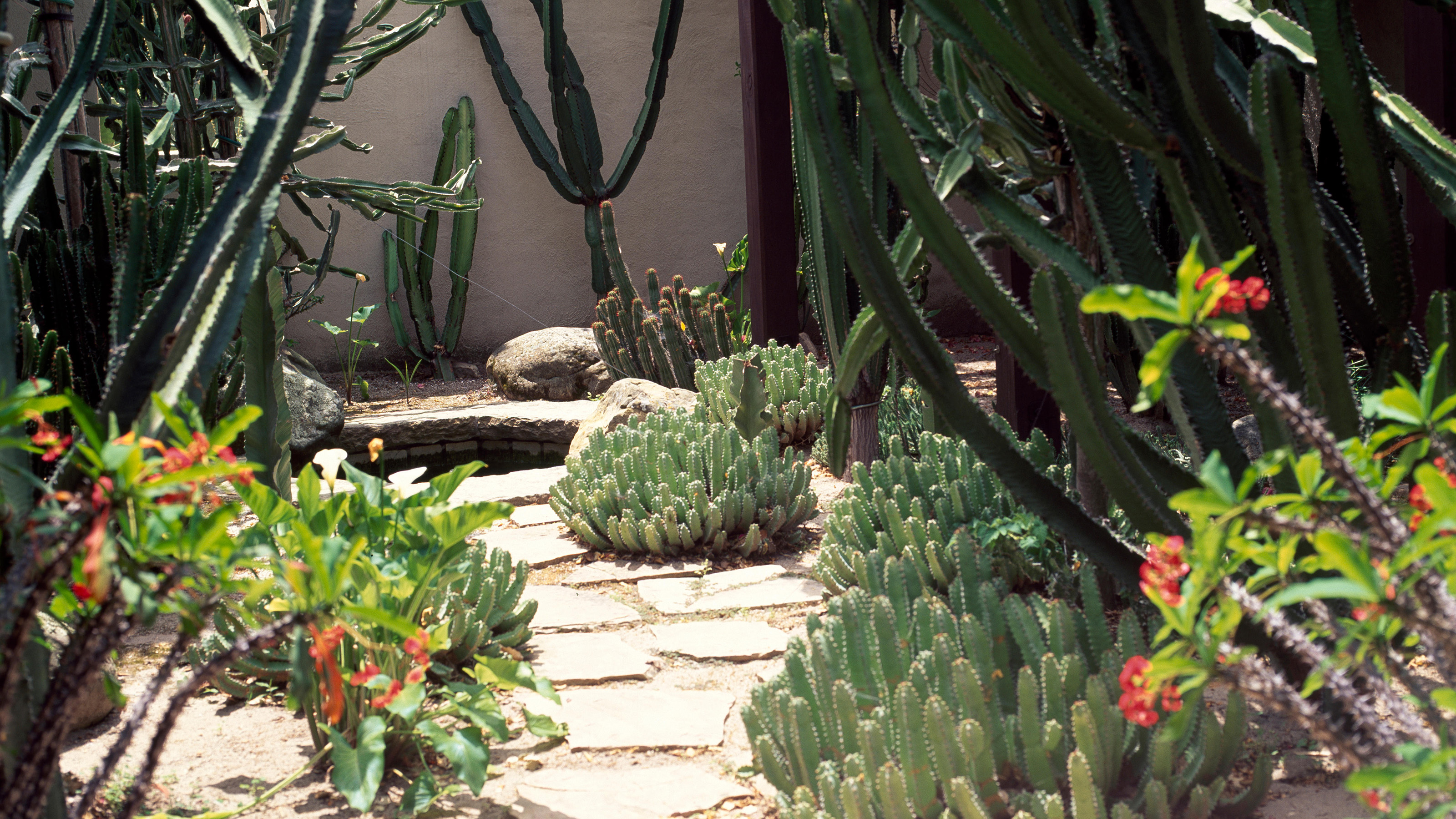
Pathways and stepping stones embedded in gravel beds guide visitors through the garden, fostering an interactive journey through the space. Incorporating elements such as pavers or flagstones adds geometry and rhythm, echoing the structural lines of larger cactus species. Layering gravel in different sizes—coarse stones near larger plants, finer gravel in open areas—enhances depth perception, lending dynamism to an otherwise static ground plane.
Environmental and Economic Benefits
The marriage of cactus and gravel exemplifies a conscientious, eco-smart approach to landscaping. By significantly reducing water consumption, such gardens alleviate pressure on municipal water resources, a critical consideration as urban areas face increasing drought conditions. These xeriscapes also decrease the need for fertilizers and pesticides, cutting down on chemical runoff that damages surrounding ecosystems.
Economically, investing in cactus and gravel landscaping translates to long-term savings in water bills, labor, and garden supplies. Gravel’s durable nature means replacement or replenishment is infrequent, while cacti’s resilience diminishes the need for costly plant replacements. For homeowners and landscape professionals alike, this sustainable duo represents an astute balance of beauty, durability, and cost-effectiveness.
Incorporating Cactus and Gravel into Various Spaces
One of the most compelling aspects of cactus and gravel landscaping is its versatility across diverse outdoor contexts. Urban residences with limited lawn space benefit profoundly—they convert lackluster patches into lively, maintenance-free retreats that evoke desert sanctuaries. Larger suburban yards find in this style an opportunity for artistic expression and environmental mindfulness.
Commercial and public spaces, such as office courtyards, hotel gardens, and municipal parks, increasingly adopt these elements to convey a progressive, eco-aware ethos. The modern aesthetic lends itself to minimalist architecture, bridging the gap between built environments and natural forms. Additionally, the intrinsic safety of cacti’s spiny deterrents reduces unwanted foot traffic into delicate planting areas, protecting gardens in public settings.
Innovations and Trends Shaping the Future
The cactus and gravel trend is evolving, infused with fresh innovations that expand its appeal. Designers now experiment with colored and polished gravel varieties to add sophistication and contrast, moving beyond conventional earth tones. Vertical cactus gardens and living walls introduce three-dimensional depth, maximizing greenery in compact spaces.
Integration with smart irrigation technology further enhances sustainability, offering precision watering schedules tuned to cactus needs and local climatic conditions. Plant hybridization is also enriching choice, introducing cultivars with novel shapes and blossoms that captivate landscape aficionados. This trend continues to inspire new aesthetics—melding tradition with cutting-edge design, and functionality with artistry.
Conclusion: Embracing the Desert’s Elegance in Everyday Landscapes
“Cactus and gravel” is more than a fleeting fad; it is a testament to how landscape design can evolve alongside environmental necessity and aesthetic ambition. By embracing the raw beauty and resilience of desert flora paired with the grounding simplicity of gravel, modern landscapers create enduring spaces that speak to both nature’s ingenuity and human creativity. This trend not only fosters stunning gardens but also champions sustainable living, ensuring that every stone and spine performs a vital role in the tapestry of contemporary outdoor environments.
FAQ
What are the benefits of using cactus and gravel in landscaping?
Cactus and gravel landscaping offers aesthetic appeal, reduces water consumption, is low maintenance, and promotes sustainability.
How do I care for a cactus in a gravel landscape?
Ensure proper drainage, avoid overwatering, and provide adequate sunlight based on the specific cactus species.

Leave a Reply