
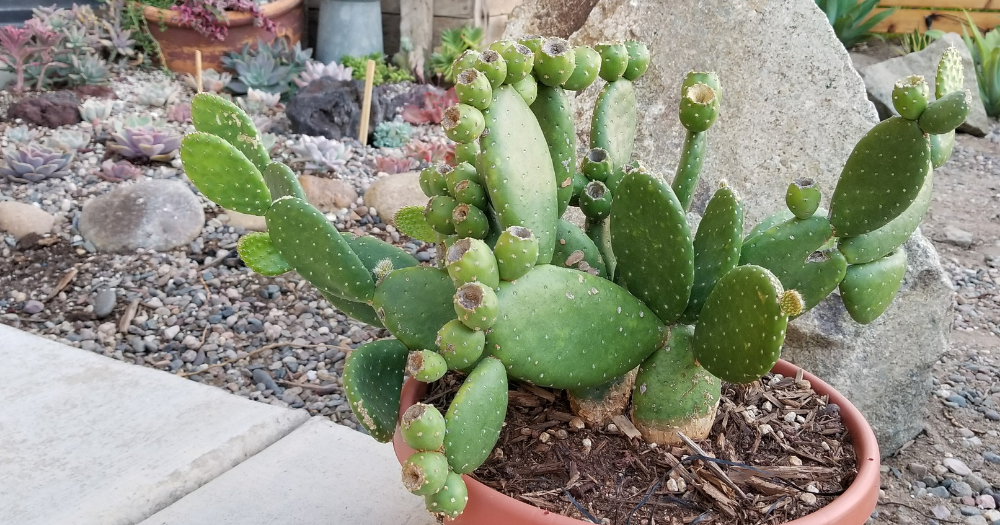
When you gaze upon a cactus, you may envision its steadfast nature, standing tall against the relentless sun. However, a leaning cactus is like a sailor lost at sea, struggling to find its compass. Understanding how to right this botanical aberration can restore its balanced grace. Here, we will explore the subtle nuances of fixing a leaning cactus, ensuring it remains a resplendent feature in your botanical collection.
Before embarking on the journey to rectify a tilting succulent, it is integral to dissect the potential causes behind this peculiar posture. Just as a skilled detective carefully unravels a mystery, identifying the underlying problems with your leaning cactus can illuminate the path to resolution.
The Overzealous Growth Factor
A common culprit in the leaning saga is the overzealous growth of your cactus. Often, this occurs in the spring and summer months when cacti undergo their active growth periods. Enthusiastic growth can lead to an unbalanced weight distribution. As its succulent arms stretch towards the sun, the absence of proper anchoring may invite a tilt.
The solution lies in a careful assessment of its growth environment. Ensure your cactus is receiving adequate sunlight. If it is desperately reaching for light, rotate it delicately so that all sides receive equal exposure. This harmonious alignment will encourage it to grow upright like a proud sentry.
Improper Potting: The Secret Saboteur
Another potential reason for your cactus’s unfortunate angle could be improper potting. Like a ship adrift without an anchor, a cactus planted in a container devoid of heft will easily succumb to gravity’s pull. A lightweight pot can exacerbate any instability. Therefore, consider repotting your cactus into a heavier, more substantial vessel, which can effectively anchor it in place.
Ensure the soil you select is well-draining, as cacti thrive in arid conditions. A mixture of coarse sand, perlite, and potting soil works wonders. This carefully curated blend allows for sufficient moisture retention while preventing root rot—a common hazard of overwatering that can slant your cactus further into disrepair.
Assessing the Root Health
Roots serve as the lifeblood of any plant. They are the unseen warriors fighting against the challenges of their environment. In the case of a leaning cactus, root health deserves your unwavering attention. Root rot, often resulting from overwatering, can undermine a cactus’s stability. If the roots are unhealthy, the entire plant may falter.
To address root concerns, gently remove the cactus from its pot and examine the roots with meticulous care. Healthy roots should be firm and tan in color, while rotting roots will appear black and mushy. Trim away any damaged sections with clean, sharp scissors. Allow the cactus to recuperate in a shaded area for a period before repotting it in fresh, well-draining soil.
The Power of Support: Bracing Your Cactus
Sometimes, all a leaning cactus requires is a little support—a paradoxical notion given their resilient image. A simple yet effective solution is to identify a stake that can act as a steadfast companion. This can be a bamboo stake or any rigid object that stands tall alongside your cactus.
Carefully insert the stake into the pot, ensuring it is anchored firmly in the soil. Gently tie the cactus to the stake using soft gardening twine or plant ties. Be cautious not to restrict the cactus too tightly; allow enough space for growth. This bracing technique provides the necessary support, helping it regain its composure as it grows upright once more.
Pay Attention to Light and Temperature: The Environment’s Influence
The environment in which your cactus resides plays an astute role in its health. Poor light or extreme temperature fluctuations can lead a cactus to lean in search of solace. Position your cactus in a location where it can bathe in unfiltered sunlight for several hours a day, as this will promote uniform growth and overall vigor.
Temperature is another critical factor. Cacti prefer a warm habitat, ideally between 70°F and 100°F during the day. Night temperatures should not drop below 50°F. Drafty spots or direct exposure to cold air can cause stress, leading to an uncharacteristic tilt. Find a welcoming, stable environment to ensure your cactus thrives in splendid balance.
Monitoring and Maintenance: The Sustained Care
In the quest to maintain equilibrium, consistent monitoring is vital. Take the time to assess your cactus after implementing these solutions. Observe its growth patterns, watch for any signs of renewed leaning, and adjust your approach as necessary. Regularly rotate your cactus to ensure even exposure to light and keep the soil well-drained to avoid moisture accumulation.
Cactus care is an ever-evolving dance, with each step requiring patience and attention. By understanding the myriad causes behind a leaning cactus, you can employ practical solutions to restore its majesty. As it stands upright once more, appreciate the care you’ve shown, and the botanist hero you’ve become in the world of these resilient dwellers. Their extraordinary ability to thrive in seemingly inhospitable environments mirrors our own journeys, teaching us that with the right support and care, we too can remain steadfast even when the winds of change attempt to tilt us sideways.




Leave a Comment