
Short Answer
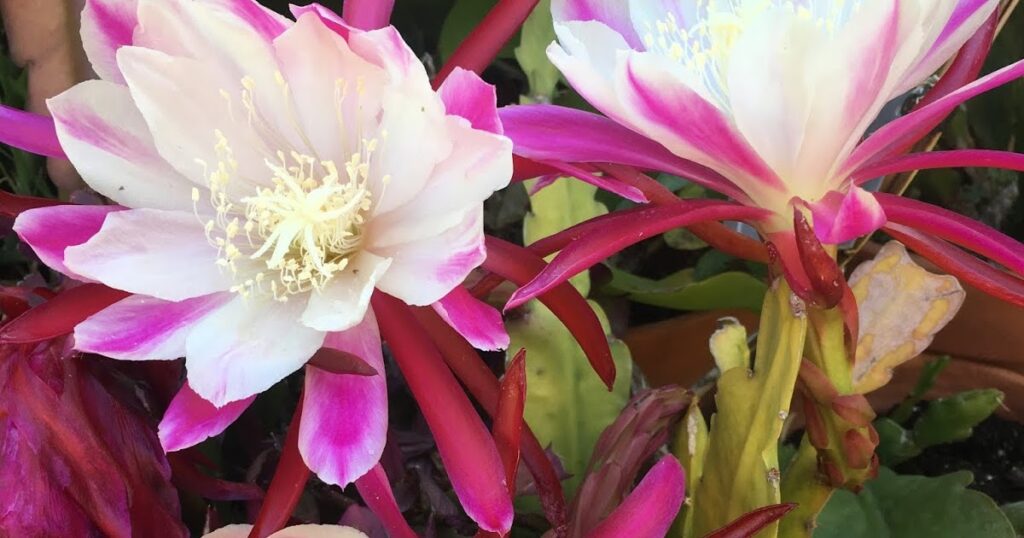
The Epiphyllum, often dubbed the “orchid cactus,” is a botanical wonder—a floral gemstone shimmering on the jagged necklace of the tropical forest canopy. Its blooms are nocturnal fireworks, ephemeral and ethereal, exuding an allure that transcends mere horticulture. To coax these enigmatic flowers into bursting forth with color and life is no mere act of planting; it is a poetic dance with nature’s rhythms. Unlocking the secret to an Epiphyllum’s glorious flowering is akin to awakening a dormant star, poised for brilliance. Here’s your detailed guide to nurturing these enchanting plants and ensuring your garden becomes their grand stage.
Understanding the Epiphyllum’s Unique Charm
The Epiphyllum stands apart from other cacti with its lush, flat, and often sprawling stems that mimic the broad leaves of jungle epiphytes. Unlike its desert cousins, this cactus thrives not in arid sand but in the moist, dappled shade of tropical forests, perched high upon bark and branches. Picture it as a delicate acrobat, suspended amid the shadows, waiting for just the right moment to unveil its lavish floral spectacle. This plant’s appeal lies in its juxtaposition: a cactus with orchid-like flowers boasting an intoxicating blend of fragility and resilience.

Optimal Light: Capturing the Forest’s Whispered Sunbeams
Light is the whispered secret in the Epiphyllum’s flowering narrative. Unlike sun-hardened succulents, this plant yearns for the gentle caress of indirect light—the filtered whispers of the forest canopy. Position your Epiphyllum where it receives bright but diffused illumination. Think of the interplay of sun and shade under towering trees, a chiaroscuro that energizes without burning. Too much direct sunlight will scorch its delicate pads; too little dulls its vitality, smothering its floral ambitions.
Experiment with eastern or northern window sills or shaded patios. Seasonal changes warrant keen observation—adjust the plant’s placement to harmonize with shifting light patterns. This dynamic balance is the prelude to sumptuous blooms.
Soil and Potting: Crafting the Perfect Growing Medium
Imagine the soil as the stage upon which your Epiphyllum performs. It must be both supportive and breathable, a platform rich in moisture-retentive materials yet free-draining enough to prevent suffocation. Epiphyllums detest soggy feet—they thrive in light, airy substrates. A mixture of orchid bark, peat moss, and perlite embodies this ideal—mimicking the epiphytic habitat’s organic detritus.
Repotting every 2-3 years refreshes this foundational support, alleviating compaction and nutrient depletion. Choose a pot with generous drainage holes; a snug container encourages bloom by gently prompting root exploration, but overcrowding can stifle growth. The soil’s pH should lean slightly acidic to neutral, enabling optimal nutrient uptake, thus feeding the plant’s flowering engine.
Hydration Harmony: Quenching Without Drowning
Watering is a nuanced ritual. The Epiphyllum’s succulent stems store moisture, so overwatering is the silent killer of many hopeful gardeners’ ambitions. Picture watering as an ebb and flow, akin to the tropical rains: generous during active growth phases, sparing during dormancy. When spring stirs the plant into new life, increase watering frequency, keeping the soil moist—not sodden.
Come winter, reduce watering to allow a semi-dormant rest, akin to a whispered pause before the next grand act. This seasonal hydration moderation encourages flower bud formation by signaling the plant to focus energy on reproduction rather than vegetative growth.
Temperature and Humidity: Recreating the Jungle’s Embrace
The Epiphyllum is a child of warm, humid realms—a botanical diva whose flowering depends heavily on environmental cues. Ideal temperatures range between 60-75°F during the growing season, with a gentle dip to around 50°F in winter to simulate its natural rest period. Avoid sudden temperature swings; they disrupt the plant’s internal rhythm.
Humidity plays a supporting role—target a relative humidity of 50-70%. Employ humidifiers, pebble trays, or misting to moderate arid indoor air. In this lush microclimate, the plant’s metabolism hums optimally, enhancing flower development and longevity.
Fertilization: Feeding the Floral Maestro
Flowers are the symphony’s crescendo, demanding an attentive diet. Use a balanced fertilizer with an emphasis on phosphorus, the mineral maestro orchestrating bloom production. A formula such as 10-30-10 applied every two weeks during spring and summer feeds the plant’s floral ambitions without promoting excessive leafy growth.
Organic alternatives like fish emulsion or seaweed extract enrich the soil biologically, fostering a vibrant root ecosystem that supports robust blooming. Cease fertilization in the autumn to comply with the plant’s natural rest cycle.
Pruning and Training: Sculpting the Bloom Canvas
Epiphyllums are generous growers, but unchecked, they can become sprawling and ungainly. Pruning is akin to sculpting marble from a raw block—skillfully removing older, woody stems encourages fresh growth where buds are most likely to emerge. Trim spent flowers promptly to redirect energy towards new blooms.
Training your plant on a trellis or allowing it to cascade leads to better air circulation and light penetration, reducing disease risk and promoting more prolific flowering. Remember, each cut is a stroke in your masterpiece, shaping both form and floral fate.

Flowering Triggers: Harnessing Nature’s Timetable
Encouraging flower buds is often the most challenging aspect. The Epiphyllum requires a combination of environmental cues—temperature drop, daylight length, and moisture reduction—to initiate blooming. Mimicking the plant’s native seasonal cycles enhances bud formation. Allowing a cool, slightly drier winter rest primes the plant’s internal clock. Then, the arrival of warmer temperatures and increased watering in spring acts as the herald of floral awakening.
This delicate interplay can be seen as awakening a long-slumbering muse, coaxed gently into expression. Patience is essential; flowering may not occur until the third year or after the plant has reached sufficient maturity.
Dealing with Common Blooming Challenges
Non-flowering Epiphyllums can frustrate even the most devoted growers. Common culprits include insufficient light, excessive nitrogen fertilizer, irregular watering, or inadequate rest period. Each element of care acts as a vital stanza in the flowering poem. Stress from pests or disease likewise interrupts this delicate harmony.
Inspect your plant regularly for scale, mealybugs, or fungal issues. Prompt treatment coupled with optimized cultural care restores balance, renewing the plant’s flowering potential.
Conclusion: The Reward of Patience and Precision
Epiphyllum flowering is a masterclass in botanical finesse—a tender negotiation between gardener and plant. The rewards are unparalleled: sweeping blossoms reminiscent of moonlit orchids that capture imaginations and hearts alike. By embracing the plant’s natural rhythms, crafting its growing conditions with intention, and showering it with thoughtful care, you invite a flowering spectacle that transforms your space into a realm of wonder.

FAQ
What is an Epiphyllum?
Epiphyllum, often called orchid cactus, is a type of cactus that thrives in tropical conditions and is known for its stunning nocturnal flowers.
How often should I water my Epiphyllum?
Water your Epiphyllum generously during its growing season in spring and summer, but reduce watering during its dormant winter period.
What light conditions do Epiphyllums prefer?
Epiphyllums thrive in bright, indirect light, such as that found in the dappled shade of tropical forests.

Leave a Reply