
Short Answer
There’s something almost primal about the allure of a cactus auction. In a world where most plants are bred for uniformity—lush, green, and predictable—these spiny outliers stand defiantly apart. They are the rebels of the botanical realm: slow-growing, often bizarrely shaped, and sometimes downright menacing. Yet, for those who collect them, their appeal isn’t just aesthetic. It’s a fascination with resilience, a celebration of the unconventional, and a quiet rebellion against the ordinary. Cactus auctions, then, aren’t just marketplaces; they’re temples to the extraordinary, where enthusiasts gather to bid on living sculptures that tell stories of survival in the harshest conditions.
The Allure of the Unusual: Why Rare Cacti Captivate Collectors
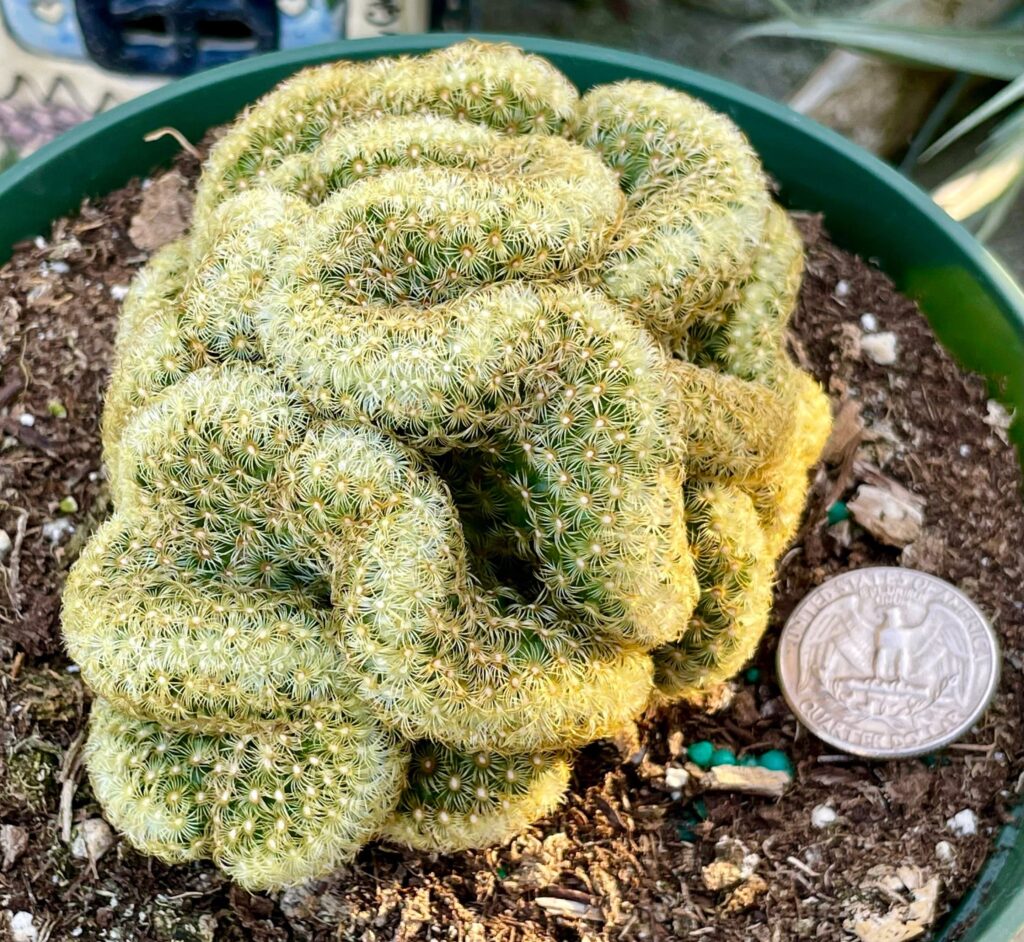
At first glance, a rare cactus might not strike you as a thing of beauty. Its ribs may twist like the spine of some prehistoric creature, its spines could resemble the quills of a porcupine, or its blooms might unfurl only under the rarest of conditions—once every decade, perhaps, and only for a single night. Yet, these very qualities are what make them irresistible to collectors. There’s a thrill in owning something that refuses to conform, something that demands patience and devotion. Rare cacti are not just plants; they are living art, each one a testament to nature’s ingenuity in the face of adversity. Their scarcity only deepens the obsession, turning casual admirers into ardent enthusiasts willing to pay premium prices for a chance to own a piece of botanical rarity.

The Thrill of the Bid: How Cactus Auctions Work
Cactus auctions are a world unto themselves, blending the precision of a stock exchange with the passion of a flea market. Unlike traditional plant sales, where prices are fixed and haggling is rare, auctions introduce an element of suspense. Bidders arrive with their wallets open and their hearts racing, knowing that the next lot could be a once-in-a-lifetime specimen. The process is methodical yet electric: an auctioneer’s rapid-fire chant, the flick of a gavel, and suddenly, a new owner claims a plant that might have taken decades to cultivate. Some auctions are held in person, where collectors mingle, inspect specimens under magnifying lenses, and debate the merits of each spiny contender. Others take place online, where global bidders compete in real-time, their bids flashing across screens like digital poker chips. The stakes are high, but so is the reward—a living treasure that could appreciate in value over time.
From Desert to Display: The Journey of a Rare Cactus
The path from a cactus’s humble origins in the wild to its place on an auction block is often a saga of patience, skill, and a bit of luck. Many rare specimens are propagated from cuttings or seeds collected in remote deserts, where they’ve evolved to thrive in conditions that would kill most other plants. Growers spend years—sometimes decades—nurturing these plants, coaxing them to reach a size or form that makes them desirable to collectors. Some species, like the Mammillaria theresae or the Aztekium hintonii, are so slow-growing that a single plant might change hands only a handful of times in its entire life. Others, like certain Echeveria hybrids, are the result of meticulous breeding programs, where growers cross-pollinate species to create hybrids with colors or shapes that defy expectation. The journey from seed to auction is a testament to human ingenuity, turning what was once a desert-dwelling oddity into a coveted collector’s item.

The Psychology of Collecting: Why We’re Drawn to the Unattainable
There’s a psychological undercurrent to cactus collecting that goes beyond mere horticulture. At its core, the hobby taps into a universal human desire: the pursuit of the rare and the extraordinary. Psychologists might call it the “scarcity principle”—the idea that we assign more value to things that are difficult to obtain. But there’s more to it than that. Collecting rare cacti is also an act of rebellion against the disposable culture that surrounds us. In a world where everything is mass-produced and easily replaced, these plants are built to last. They can survive years without water, decades without repotting, and still thrive under the care of a devoted owner. They are, in many ways, the antithesis of fast fashion or throwaway technology. For collectors, owning a rare cactus is a quiet defiance—a way to say, “I value what is enduring, what is unique, what cannot be replicated.”
Spotting the Gems: How to Identify Quality in a Cactus Auction
Not all cacti up for auction are created equal, and the savvy collector knows how to separate the true gems from the merely ordinary. The first clue lies in the plant’s form. A high-quality rare cactus will exhibit symmetry, with ribs or tubercles arranged in a way that feels intentional, almost architectural. The spines should be intact, not broken or discolored, and the overall health of the plant should be evident in its firm, plump body. Size matters, too—while some collectors prize miniature species, others seek out specimens that have reached a mature, impressive scale. Then there’s the matter of provenance. A cactus with a documented history—one that traces its lineage back to a reputable grower or a wild-collected specimen—will always command a higher price. Finally, consider the plant’s potential. Some cacti are prized for their blooms, which may be rare or unusually colored. Others are valued for their slow growth, which makes them even more exclusive over time. The best auctions provide detailed descriptions and high-resolution images, allowing bidders to scrutinize every spine and shadow before placing their bid.
The Community of Cactus Enthusiasts: More Than Just a Hobby
Behind every cactus auction is a community of enthusiasts who share a passion that borders on obsession. These are not solitary gardeners tending to their windowsills; they are collectors, traders, and scholars of the spiny world. They swap cuttings like baseball cards, debate the merits of different growing mediums, and travel to remote deserts in search of undiscovered species. Online forums and social media groups buzz with activity, where members post photos of their latest acquisitions, share tips on propagation, and warn each other about scams or mislabeled plants. Cactus shows and conventions bring enthusiasts together in person, where they can marvel at displays of rare specimens, attend workshops on grafting techniques, and—of course—participate in auctions. This community is more than just a network; it’s a subculture, one that celebrates the unusual and the extraordinary in a world that often values conformity. For those who immerse themselves in it, cactus collecting becomes more than a hobby—it becomes a way of life.

The Future of Cactus Auctions: Trends and Challenges
The world of cactus auctions is not static; it evolves alongside the broader trends in horticulture, technology, and conservation. One of the most significant shifts in recent years has been the rise of online auctions, which have democratized access to rare specimens. No longer are collectors limited to local sales or in-person events; now, they can bid on a Turbinicarpus from a grower in Germany or a Lophophora from a specialist in Mexico, all from the comfort of their homes. Technology has also made it easier to verify the authenticity of plants, with blockchain and digital certificates providing a new layer of trust in transactions. Yet, challenges remain. The illegal trade of wild-collected cacti continues to threaten some species, and the demand for rare specimens has led to inflated prices that price out casual collectors. Conservationists warn that the pursuit of rarity must be balanced with ethical sourcing, ensuring that these plants are not driven to extinction by their own popularity. The future of cactus auctions will likely hinge on finding this delicate equilibrium—between preserving the allure of rarity and protecting the very objects of desire.
Final Thoughts: Why Cactus Auctions Matter
Cactus auctions are more than just transactions; they are celebrations of the extraordinary in a world that often overlooks it. They remind us that beauty can be found in the most unexpected places—in the twisted ribs of a Gymnocalycium, the translucent spines of an Ariocarpus, or the fleeting bloom of a Selenicereus. They challenge us to slow down, to appreciate the slow and steady growth of a plant that might outlive us all. And they connect us to a community of like-minded individuals who see the world differently, who find joy in the unusual, and who understand that some things—like rare cacti—are worth the wait. Whether you’re a seasoned collector or a curious newcomer, the allure of a cactus auction is undeniable. It’s a chance to own a piece of living history, to be part of a tradition that spans centuries, and to indulge in the quiet thrill of the bid.
FAQ
What are cactus auctions?
Cactus auctions are events where collectors bid on rare and unique cacti, blending elements of traditional auctions with a community of enthusiasts.
How can I identify quality cacti at auctions?
Look for symmetry, intact spines, overall health, provenance, and potential for blooms when identifying quality cacti at auctions.


Leave a Reply