
Short Answer
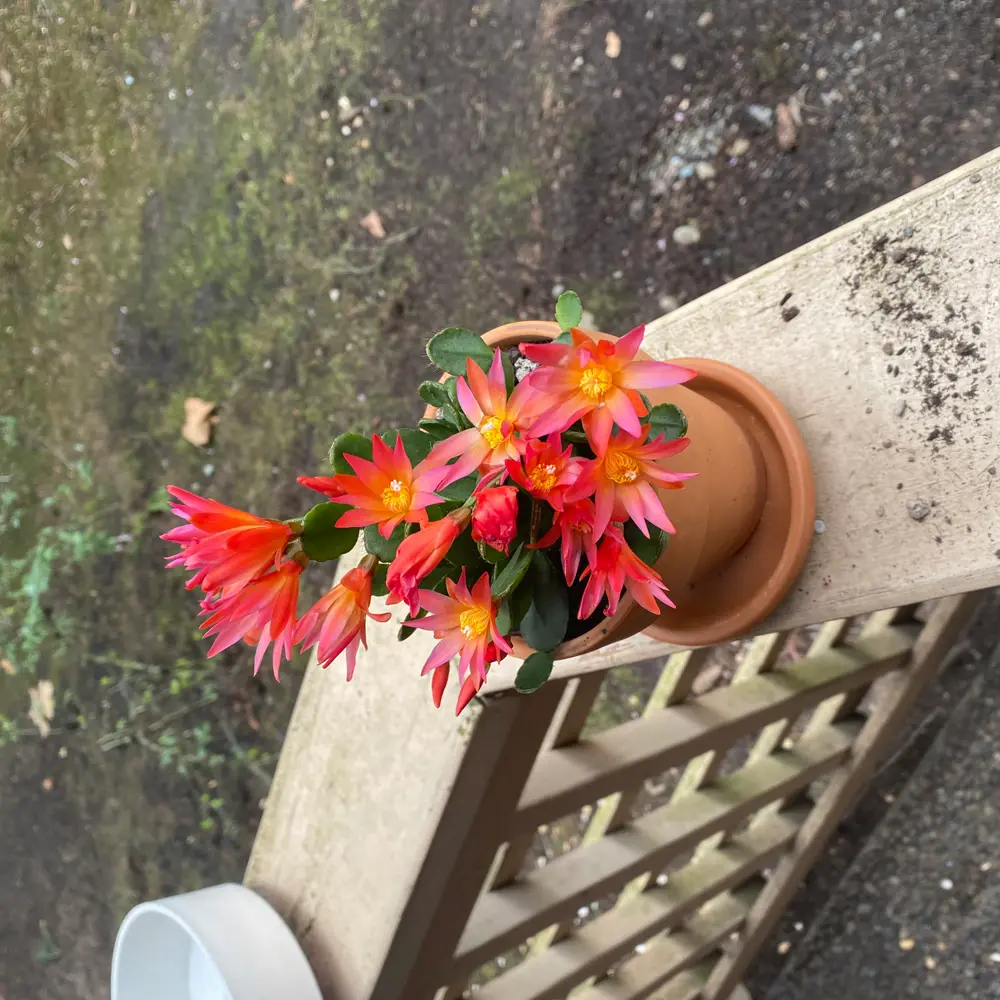
In the vast tapestry of the succulent world, Hatiora cacti emerge as living jewels—enthralling botanical enigmas that blend the whimsy of springtime blooms with the resilience of desert warriors. These plants, especially the Easter cactus (Schlumbergera gaertneri) and the intoxicatingly named Drunkard’s Dream (Hatiora salicornioides), beckon gardeners and collectors alike with their cascading stems and kaleidoscopic floral displays. Caring for these cacti is akin to unlocking the secrets of an ancient dance, where patience and nurturing harmonize with nature’s rhythm to coax forth vibrant vitality. To grow Hatiora successfully is to invite a slice of botanical magic into everyday life, where every blossom is a delicate celebration of survival and beauty.
Understanding Hatiora: Botanical Charisma Wrapped in Curiosity
Imagine a cactus that throws aside the typical thorned armor for a more whimsical silhouette—flattened segments, almost fern-like, twisting and turning as if caught in perpetual motion. The genus Hatiora challenges conventional cactus aesthetics, boasting segmented stems that cascade or arch gracefully, evoking the appearance of underwater corals or lacy vines. The Easter cactus, often cloaked in velvety greens, bursts into star-shaped blooms that can blush in shades of red, pink, or white, perfectly timed to herald the spring season. The Drunkard’s Dream, seemingly more untamed, has fleshy, jointed stems resembling miniature seaweed fronds and offers a more eclectic charm, with dainty flowers that light up shaded nooks.

Lighting: The Golden Hour for Hatiora
Hatiora cactus are exquisite chameleons of light tolerance, thriving best in bright, indirect sunlight—like a painter who prefers soft illumination to harsh glare. Direct, intense sunlight transforms these delicate plants into a scorched tableau, their fragile segments curling or displaying patchy discoloration. Instead, imagine placing them near east- or north-facing windows where morning light gently kisses their tender leaves. This dappled lighting encourages the development of the succulent’s velvety texture and fuels those spectacular floral eruptions. For the indoor gardener, simulating this environment is vital—think of it as casting a flattering, gentle spotlight on an actor ready to perform.
Watering Rituals: The Balance of Life and Thirst
Watering Hatiora is a nuanced interplay between generosity and restraint—a liquid waltz where overindulgence can be fatal, yet drought leads to premature fatigue. Their epiphytic nature in native Brazilian forests means they evolved to cling to trees, absorbing filtered rainwater and occasional humidity rather than soaking their roots in desert-like dryness. During the growing months, a moderate watering schedule is essential: the soil should remain consistently moist but never waterlogged. Allow the top inch to dry out before replenishing water, quenching the plant’s thirst cautiously. Come fall and winter, taper this ritual to a sparse drizzle, letting the cacti enter repose with modest hydration, primed to awaken and bloom with renewed vigor.
Temperature and Humidity: Creating the Ideal Microclimate
Hatiora cacti flourish in environments that deftly balance warmth with a whisper of coolness, reminiscent of early spring mornings. Daytime temperatures between 65-75°F (18-24°C) provide an inviting crucible for growth, while a gentle nocturnal drop encourages flowering signals within their biological clocks. Relative humidity, often overlooked, plays an unsung role. Unlike many desert cacti, Hatiora appreciates a more moist atmosphere, reflective of their rainforest origins. To replicate this, occasional misting or positioning near a humidity tray can imbue a subtle yet critical balance, preventing desiccation without inviting rot—an artful equilibrium only the most attentive caretakers master.
Soil Composition: A Well-Draining Embrace
A Hatiora’s roots crave a tender but firm cradle—soil rich with aeration, compelling water to flow away with haste while retaining enough moisture for sustenance. The ideal medium is a bespoke blend of organic matter and mineral grit: think peat moss or coconut coir combined with perlite or orchid bark. This concoction mirrors the dappled forest floor where decomposed leaves mingle with airy detritus, inviting roots to breathe freely. Avoid heavy, compacted soils that suffocate and drown; Hatiora thrives when its roots encounter gentle resistance and quick drainage—like dancing barefoot on a bed of sun-warmed leaves.
Feeding: The Alchemy of Growth
Fertilization is a symphony of nutrients that must be conducted with rhythmic precision. During active growth from spring to early autumn, administering a balanced, water-soluble fertilizer diluted to half strength every 4-6 weeks can invigorate the cacti’s energy reserves. Nitrogen encourages the lushness of stems, while phosphorus and potassium promote flower formation and root robustness. Yet, caution prevails—overfeeding can trigger leggy growth or excessive water retention, undermining the Hatiora’s delicate architecture. Think of fertilizing as an artisan’s touch—subtle, timely, and always purposeful.
Propagation: Multiplying the Magic
One of the most enchanting facets of Hatiora is how effortlessly it lends itself to propagation—like whispers multiplying across a still forest glade. The simplest method is through stem cuttings: snip a healthy segment with a clean tool, allow the wound to callous over for a few days, then nestle it atop moist, well-draining soil. Roots typically materialize within weeks, ushering new life from a mere fragment. This technique is a celebration of botanical resilience, a testament to life’s tenacity and a joyous rite for enthusiasts eager to share or expand their collection.
Pest and Disease Management: Vigilance is Key
Despite their hardy demeanor, Hatiora cacti are susceptible to a few obstinate adversaries. Mealybugs, spider mites, and scale insects are typical interlopers, drawn to the cactus’s sap and velvety surfaces. Early detection is critical—regularly inspect the nooks and segmented joints where pests often hide. Employ gentle insecticidal soaps or neem oil sprays to banish these unwelcome guests without harming the plant’s delicate tissues. Root rot, a consequence of overwatering and poor drainage, remains the most notorious villain. Ensuring soil remains well-ventilated and moisture levels balanced is the most effective defense—prevention, after all, is the gardener’s most potent weapon.
Flowering and Seasonal Care: The Crown Jewel
The ultimate reward for diligent Hatiora caretakers is the spectacle of their floral extravaganza. Unlike the stark blooms of desert cacti, Easter and Drunkard’s Dream cacti produce show-stopping star-shaped flowers in vivid hues during the holiday seasons or early spring. Encouraging this display demands nurturing the plant through a proper cooler period, reduced watering, and consistent light. Once flowering commences, resist the urge to reposition or stress the plant, allowing the blossoms to unfold naturally—a fleeting but priceless botanical fireworks display. Each flower is a vivid testament to patience, care, and the timeless allure of Hatiora.

These magical cacti are more than mere plants; they are green storytellers embodying resilience, grace, and an almost poetic dance with light and water. To cultivate Hatiora is to participate in a botanical narrative where beauty emerges from evolutionary ingenuity and dedicated care. With the right touch, anyone can foster these botanical marvels, transforming spaces with their whimsical silhouettes and radiant blossoms—a true celebration of nature’s artistry.
FAQ
What is the best light for Hatiora cacti?
Hatiora cacti thrive in bright, indirect sunlight, ideally near east or north-facing windows.
How often should I water my Hatiora cactus?
Water your Hatiora cactus when the top inch of soil is dry, keeping it consistently moist during the growing season and reducing water in fall and winter.
What temperature and humidity do Hatiora cacti prefer?
Hatiora cacti prefer daytime temperatures between 65-75°F (18-24°C) and a more humid environment, reflective of their rainforest origins.
How can I propagate Hatiora cacti?
Propagation can be done through stem cuttings. Allow the cut end to callous before placing it in moist, well-draining soil.


Leave a Reply