
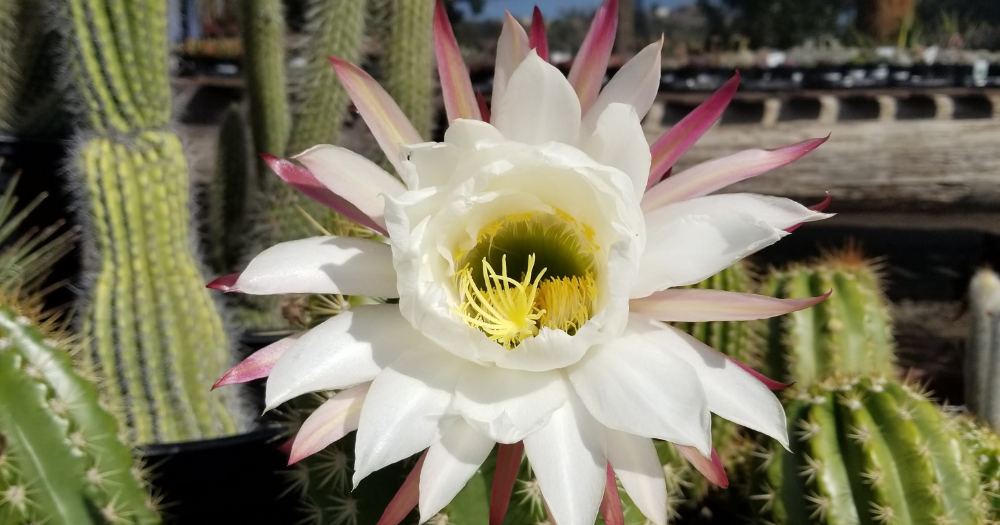
Short Answer
Picture a saguaro standing sentinel in the desert, its arms outstretched like a dancer frozen mid-twirl, perfectly poised against the endless blue. Now imagine that same noble silhouette tilting ever so slightly, as though bowing to an unseen audience. That gentle lean isn’t just a quirk—it’s a silent plea for balance, a whisper from the plant world that something is amiss. When a cactus leans or becomes top-heavy, it’s not merely a cosmetic concern; it’s a botanical SOS, a cry for help from a creature that thrives on equilibrium. Whether you’re nurturing a spiky sentinel on your windowsill or tending to a desert garden brimming with towering giants, understanding why your cactus tilts—and how to set it right—is the key to unlocking its full, majestic potential.
The Gravity of the Situation: Why Cacti Lean and Topple
At first glance, a leaning cactus might seem like a whimsical quirk, a playful defiance of the laws of nature. But beneath that prickly facade lies a delicate dance with physics and biology. Cacti are not built for surrender; they are sculpted for resilience. Their upright posture is a masterclass in evolutionary engineering, allowing them to maximize sunlight exposure while minimizing water loss. When a cactus begins to lean, it’s often the result of a silent tug-of-war between its own growth ambitions and the forces conspiring against it.
One of the most common culprits is uneven light distribution. Like a sunbather rotating to catch every ray, cacti instinctively lean toward the light source. If a window or grow light favors one side, your cactus will subtly (or not-so-subtly) shift its weight, stretching its ribs toward the radiance. Over time, this uneven growth can lead to a pronounced tilt, as the illuminated side elongates while the shaded side remains stunted. It’s a slow-motion rebellion against the shadows, a testament to the cactus’s relentless pursuit of illumination.
Another stealthy saboteur is root asymmetry. Cacti, despite their stoic appearance, are not immune to the whims of their subterranean foundations. If one side of the root system is more vigorous—perhaps due to better drainage, richer soil, or a hidden pocket of moisture—the cactus may lean toward that side, as if pulled by an invisible tether. This is especially true for potted cacti, where confined roots can’t spread evenly, leading to a lopsided foundation. Think of it as a skyscraper built on shifting sands; no matter how sturdy the structure, an unstable base will eventually betray it.
Then there’s the specter of overindulgence. A cactus that’s been lavished with too much water or fertilizer can grow lopsidedly, its ribs swelling like a glutton at a feast. The added weight, combined with weakened cell walls, makes the plant top-heavy and prone to toppling. It’s a cautionary tale of excess, a reminder that even the hardiest of desert dwellers can be undone by kindness.

The Art of Rebalancing: How to Straighten Your Cactus
Fixing a leaning cactus is less about brute force and more about finesse—a delicate choreography of observation, adjustment, and patience. The first step is to diagnose the root of the problem (pun intended). Is your cactus leaning toward the light? Rotate the pot a quarter-turn every few days to encourage even growth. Think of it as a slow-motion waltz, where each turn brings your cactus closer to its ideal posture. For outdoor cacti, consider transplanting them to a sunnier spot or using reflective surfaces to redirect light.
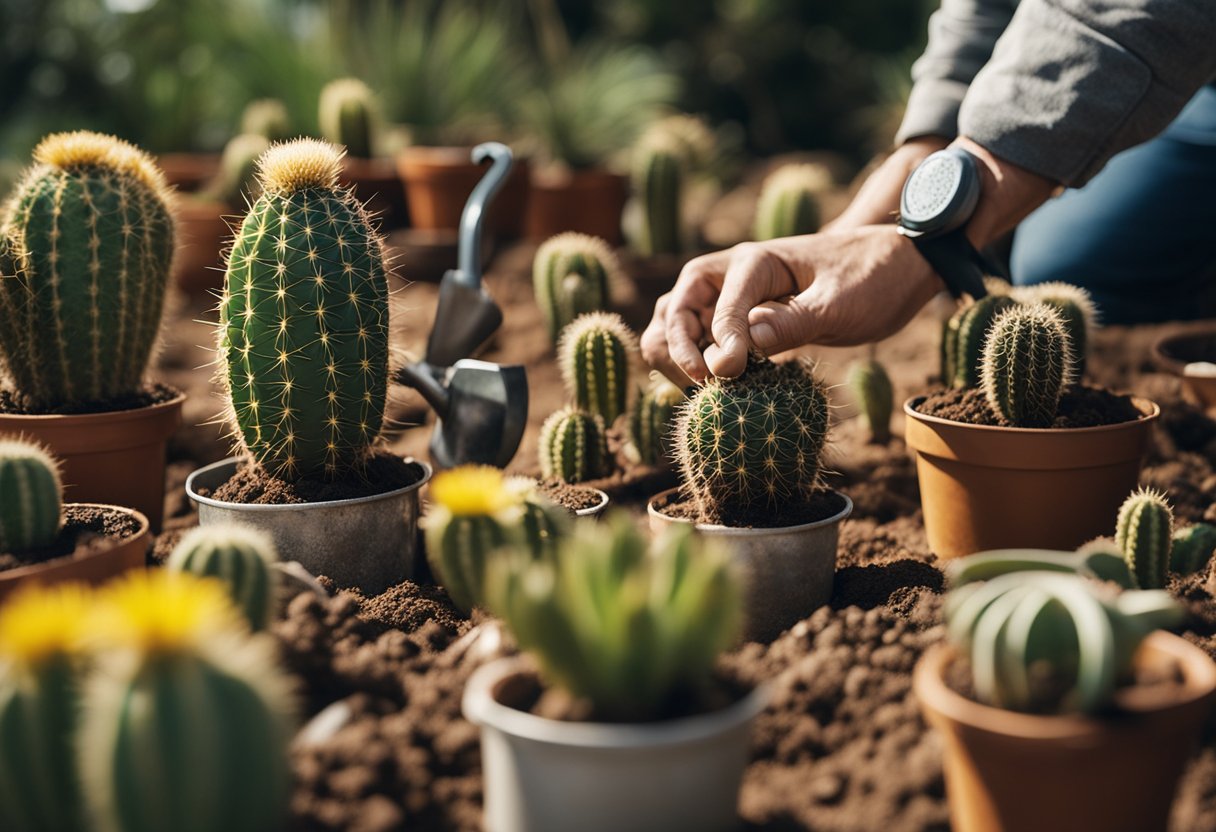
If the issue lies below the soil, it’s time to inspect the roots. Gently remove the cactus from its pot, brushing away excess soil to reveal the root system. Look for signs of rot, asymmetry, or uneven growth. Trim any damaged or overly long roots with sterilized shears, then repot the cactus in fresh, well-draining soil. For potted plants, choose a container with adequate drainage holes and avoid overwatering, which can exacerbate root imbalance. A cactus with a healthy, symmetrical root system is like a dancer with a strong core—it can stand tall and proud, no matter the challenges.
For top-heavy cacti, support is key. A simple stake or bamboo skewer can provide temporary stability while the plant regains its footing. Secure the cactus gently with soft ties or twine, ensuring the material doesn’t damage the spines or epidermis. Over time, as the plant adjusts and the roots strengthen, you can gradually reduce the support. It’s a process akin to training wheels on a bicycle—necessary at first, but ultimately a stepping stone to independence.
And what of the cactus that’s already toppled? Don’t panic. Gently lift it, remove any broken spines or damaged tissue, and replant it in fresh soil. If the roots are intact, the cactus may recover; if not, you can propagate the healthy parts to grow new plants. Even in failure, there’s opportunity—a chance to start anew, armed with the wisdom of what went wrong.

Prevention: The Gardener’s Secret to Upright Triumph
An ounce of prevention is worth a pound of spines, as the old gardening adage might go. Keeping your cactus upright begins with understanding its needs and creating an environment where balance is inevitable. Start with the soil—a cactus’s foundation must be as sturdy as the plant itself. Opt for a gritty, well-draining mix, such as a blend of cactus soil, perlite, and coarse sand. This concoction mimics the arid, mineral-rich soils of the desert, discouraging waterlogging and root rot. Think of it as the architectural blueprint for a cactus’s skyscraper, where every grain of sand is a brick in its unyielding structure.
Light is the next critical element. Place your cactus in a spot where it receives bright, indirect light for most of the day. South-facing windows are ideal for indoor plants, while outdoor specimens thrive in partial shade to full sun, depending on the species. If natural light is inconsistent, supplement with a grow light, positioning it directly above the cactus to mimic the sun’s zenith. Rotate the pot regularly to ensure even exposure, preventing the cactus from developing a one-sided silhouette. It’s a dance of light and shadow, where the cactus’s growth is guided by the sun’s gentle prodding.
Watering, too, plays a pivotal role in maintaining equilibrium. Cacti are drought-tolerant by nature, and overwatering is a fast track to a toppling tragedy. Water deeply but infrequently, allowing the soil to dry out completely between sessions. The finger test is your best friend here: stick your finger an inch into the soil. If it’s dry, it’s time to water; if not, wait a few more days. This method ensures that the roots receive moisture without becoming waterlogged, keeping the cactus’s weight evenly distributed.
Finally, consider the pot. A container that’s too small can constrict root growth, leading to imbalance, while one that’s too large can encourage excessive moisture retention. Choose a pot that’s just slightly larger than the cactus’s root ball, with ample drainage holes to prevent water from pooling at the base. For particularly top-heavy species, opt for a wider, shallower pot to distribute weight more evenly. It’s a lesson in minimalism—less is often more when it comes to cactus cultivation.
The Poetry of Balance: Why a Straight Cactus Matters
A straight cactus is more than just a plant that stands tall; it’s a symbol of harmony, a living testament to the delicate balance between nature and nurture. When a cactus is upright, it’s not just surviving—it’s thriving, its spines gleaming like polished armor, its ribs stretching toward the sky with quiet confidence. There’s an elegance to it, a kind of botanical ballet where every movement is deliberate, every growth a step toward perfection.
But perhaps the true magic lies in the imperfections. A cactus that leans slightly, that bears the marks of its struggles, is a cactus with a story. It’s a reminder that even the hardiest of creatures must adapt, must bend without breaking. And when we help our cacti find their balance, we’re not just fixing a problem—we’re participating in a timeless ritual of care and connection. We’re telling the cactus, “You are seen. You are supported. You belong here.”
So the next time you notice your cactus tilting, don’t despair. See it as an opportunity—a chance to understand, to adjust, to grow alongside your spiky companion. With a little patience and a lot of love, your cactus will stand tall once more, a proud sentinel in a world of shifting sands.
FAQ
What causes a cactus to lean?
Cacti can lean due to uneven light distribution, root asymmetry, or overwatering that makes them top-heavy.
How can I fix a leaning cactus?
To fix a leaning cactus, rotate the pot for even light exposure, inspect the roots, and provide support if necessary.
What is the best way to prevent a cactus from leaning?
Prevent leaning by ensuring proper soil drainage, adequate light distribution, and appropriate watering practices.
FAQ
What causes a cactus to lean?
Cacti may lean due to uneven light distribution, root asymmetry, or overindulgence in water or fertilizer.
How can I fix a leaning cactus?
To fix a leaning cactus, rotate the pot for even light exposure, inspect and trim the roots, and provide support if necessary.
What can I do to prevent my cactus from leaning?
Prevent leaning by ensuring proper lighting, using well-draining soil, watering appropriately, and choosing the right pot size.


Leave a Reply