
Short Answer
The desert dawn cracks open like an ancient vault, spilling golden light across cracked earth where sentinel cacti stand—each spine a needle threading the fabric of an ecosystem woven over millennia. Yet beneath this sunlit tableau, a shadow trade thrives, as silent and relentless as the creosote after a rare desert rain. Cactus poaching, a clandestine commerce of thorns and thirst, is stripping the land of its most iconic guardians. This is not merely theft; it’s an amputation of the desert’s soul, a slow hemorrhage of biodiversity that bleeds into the global black market. From the saguaro’s towering silhouette to the delicate bloom of the peyote, these succulents are more than plants—they are living fossils, cultural icons, and ecological keystones. Their removal doesn’t just leave a hole in the soil; it unravels a tapestry of life that has endured for centuries. Welcome to the hidden war for the desert’s most treasured inhabitants.
The Allure of the Thorn: Why Cacti Captivate the World
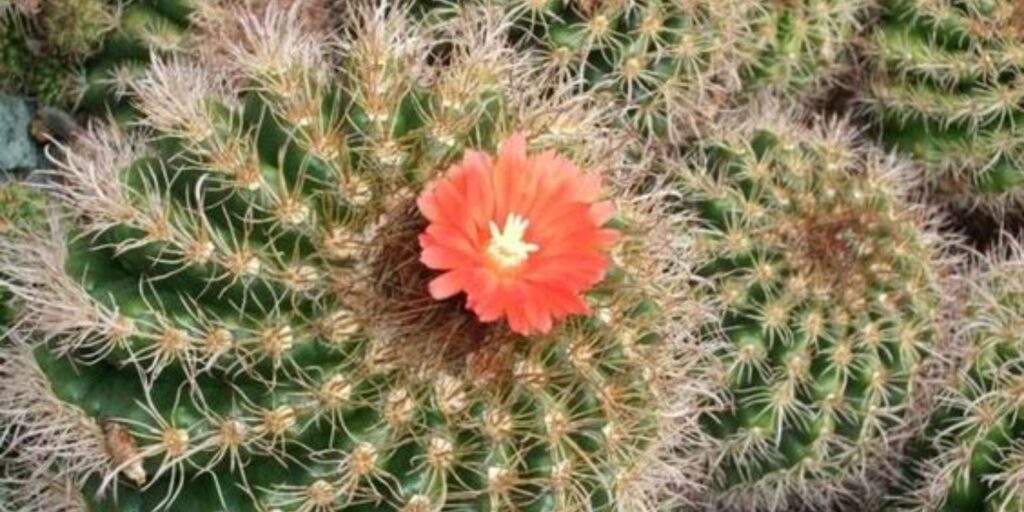
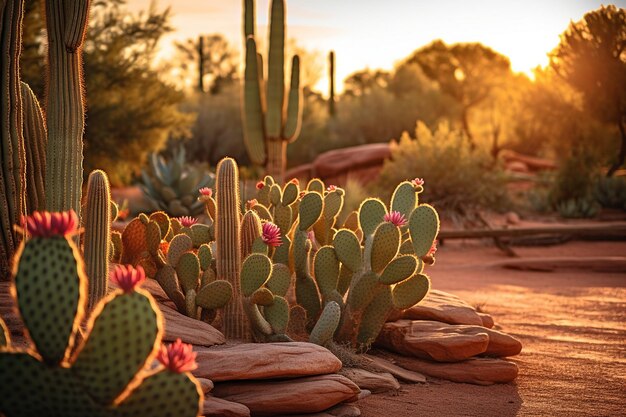
In the pantheon of flora, few plants command the same hypnotic fascination as the cactus. Their geometric perfection—spirals, globes, and columns—mirrors the precision of sacred geometry, as if sculpted by an unseen hand. The saguaro, with its ribbed torso and outstretched arms, resembles a desert elder, its silhouette etched against the horizon like a sentinel from another time. Then there’s the golden barrel cactus, its spines radiating like the rays of a miniature sun, a celestial mimic in a land starved of light. Even the humble prickly pear, with its fleshy pads and jewel-like fruit, tells a story of resilience, its pads storing water like liquid ambrosia in a land where drought is a way of life.
This magnetism is no accident. Cacti have evolved to embody paradox: soft interiority cloaked in armor, ephemeral beauty sustained by eternal patience. Their flowers—brief, explosive, and often fragrant—are fleeting masterpieces, blooming only when conditions align with celestial precision. To possess a rare cactus is to hold a fragment of the desert’s mystery, a living relic of a world untamed. Collectors and poachers alike are drawn to this duality: the cactus as both fortress and flower, a paradox that mirrors humanity’s own obsession with the untamed and the exquisite.
The Poacher’s Bargain: A Faustian Trade in Thorns
Beneath the cactus’s allure lies a dark commerce, a Faustian bargain where the rarest specimens change hands for sums that would make a king blush. The black market for cacti is a hydra-headed beast, its tendrils snaking from dusty border towns to gleaming auction houses in Europe and Asia. A single specimen of *Ariocarpus fissuratus*, the living rock cactus, can fetch tens of thousands of dollars. The *Turbinicarpus* genus, with its miniature, jewel-like forms, is traded like contraband, its tiny crowns smuggled in suitcases or taped to the undersides of shipping crates. This is not a trade of necessity, but of desire—a hunger for the rare, the unusual, the unattainable.
The poacher’s toolkit is as varied as it is ruthless. Night-vision goggles pierce the desert dark, revealing the faintest silhouette of a cactus against the moonlit sand. GPS devices plot the most remote stands of *Lophophora williamsii*, the peyote cactus, sacred to Indigenous communities and coveted by collectors. Bulldozers, meant for roads, are repurposed to uproot entire colonies of saguaros, their roots severed like the arteries of a dying giant. The irony is stark: the same spines that deter herbivores become the tools of their undoing, as poachers wield them to extract their prizes with surgical precision.
The Ecological Ripple: When the Desert Loses Its Teeth
Every cactus plucked from the wild is a wound that festers long after the thief has fled. The saguaro, for instance, is not merely a plant—it’s an ecosystem unto itself. Its hollowed-out skeletons become nesting sites for Gila woodpeckers and elf owls, while its fruit feeds coyotes, javelinas, and a host of insects. Remove the saguaro, and the desert’s avian symphony falls silent. The same is true for the barrel cactus, whose water-rich flesh sustains desert tortoises and bighorn sheep during the leanest months. These plants are not just survivors; they are architects of life, their presence shaping the very soil and sky.
Poaching doesn’t just deplete populations—it unravels the intricate web of mutualism that sustains the desert. The *Ferocactus* genus, for example, relies on the gila woodpecker to excavate cavities for nesting, while the woodpecker depends on the cactus for sustenance. Disrupt this relationship, and both species suffer. Even the soil microbiome, a hidden universe of fungi and bacteria, is thrown into disarray when cacti are uprooted. The desert, it turns out, is not a barren wasteland but a living tapestry, and every thread pulled out weakens the whole.
The Cultural Heist: Stealing from the Sacred
For Indigenous communities across the Americas, cacti are not mere commodities—they are living ancestors, vessels of medicine, and sacred symbols. The peyote cactus, *Lophophora williamsii*, is central to the rituals of the Native American Church, its mescaline-rich buttons used in ceremonies to commune with the divine. To poach peyote is to sever a spiritual lifeline, a crime not just against the plant but against the people who have guarded it for generations. Similarly, the saguaro holds profound significance for the Tohono O’odham people, who consider it a relative and a provider. Its harvest is governed by strict traditions, not market forces.
Yet the global demand for these sacred plants has turned them into currency in a shadow economy. Poachers, often desperate or opportunistic, raid tribal lands under the cover of night, leaving behind not just uprooted cacti but broken trust. The irony is bitter: those who seek enlightenment through these plants are complicit in their destruction, while those who profit from the trade often know—or care—little about the cultures they exploit. This is not just ecological vandalism; it’s a cultural heist, a theft of heritage as much as of biodiversity.
The Invisible War: Rangers, Robots, and the Fight for the Desert
In the cat-and-mouse game between poachers and protectors, the stakes could not be higher. Park rangers in the Sonoran Desert patrol with drones and thermal cameras, their eyes peeled for the telltale heat signatures of poachers’ vehicles. In Mexico, environmental police have seized entire shipments of *Turbinicarpus* cacti, their tiny forms packed into crates labeled as “agricultural products.” Yet the war is uneven. Poachers operate with the stealth of ghosts, their knowledge of the terrain giving them an edge over even the most vigilant authorities.
Technology is becoming a crucial ally. DNA barcoding allows scientists to trace smuggled cacti back to their original populations, while blockchain systems are being tested to track the legal trade of cultivated specimens. Some conservationists are even turning to AI, training algorithms to recognize the unique patterns of cactus spines in satellite imagery. But technology alone cannot win this fight. The real battle is one of hearts and minds—educating collectors about the true cost of their acquisitions, empowering Indigenous communities to protect their lands, and dismantling the myth that rarity justifies theft.
The Future in Bloom: Can the Desert Recover?
Hope is not a passive virtue in the fight against cactus poaching—it is a strategy. Across the Americas, conservationists are pioneering restoration projects, replanting stolen cacti in carefully selected habitats and nurturing them back to health. The *Saguaro National Park* in Arizona, for instance, has seen success in propagating and replanting saguaros, their new generations standing tall as testaments to resilience. Meanwhile, botanical gardens and ethical nurseries are cultivating rare cacti in controlled environments, offering collectors a guilt-free alternative to wild-harvested specimens.
Yet the road to recovery is fraught with challenges. Climate change is altering the delicate balance of desert ecosystems, making it harder for cacti to rebound. Invasive species, from feral pigs to non-native grasses, further threaten their survival. And the demand for rare cacti shows no sign of waning, fueled by social media’s cult of the exotic. The future of these plants hinges on a global shift in perspective—one where their value is measured not in dollars, but in the health of the land they sustain.
The desert does not forgive easily. Its lessons are written in the bones of its inhabitants, in the cracks of its earth, in the spines of its cacti. To lose these plants is to lose a piece of the world’s soul. But to fight for them is to remember that some treasures are not meant to be owned—they are meant to be cherished, protected, and left for the next dawn to admire.
FAQ
What are the main drivers of cactus poaching?
The primary drivers include high market demand for rare cacti among collectors and the lucrative nature of the black market.
How can individuals help combat cactus poaching?
Individuals can support conservation efforts, buy from ethical sources, and raise awareness about the impacts of cactus poaching.



Leave a Reply