

Short Answer
The desert sun hangs like a molten coin in the sky, casting long shadows across the sun-baked earth. Amid this austere landscape, the cactus stands as a sentinel of resilience—a silent witness to the cyclical drama of fire and renewal. Far from being a mere destructive force, fire in cactus ecosystems is a masterful choreographer, orchestrating a delicate ballet of survival, adaptation, and rebirth. To understand this intricate relationship is to peer into the heart of nature’s paradox: destruction as the harbinger of life.
The Fire’s Dual Nature: A Phoenix Among Thorns
Fire is neither villain nor savior—it is both, a dual-edged blade that carves the future from the ashes of the past. In the arid realms where cacti thrive, fire acts as a crucible, refining the landscape with searing precision. It consumes the deadwood and invasive grasses that would otherwise smother young cacti, clearing the stage for new growth. Yet, this cleansing comes at a cost. The heat penetrates the soil, awakening dormant seeds and stimulating the germination of fire-adapted species. The cactus, with its thick, waxy skin and deep roots, survives not by fleeing the flames but by enduring them—its succulent flesh a fortress against the inferno. This resilience is not mere stubbornness; it is evolutionary cunning, honed over millennia of coexistence with fire’s wrath.
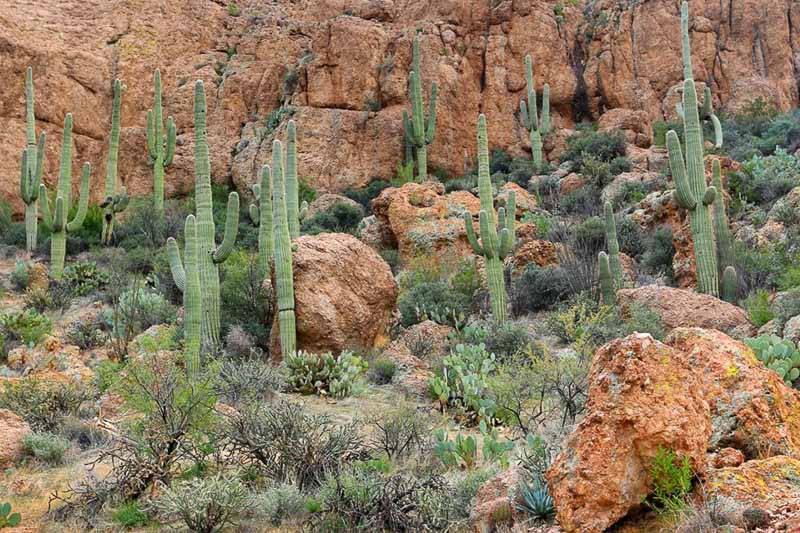
Consider the saguaro, that towering monarch of the Sonoran Desert. Its ribs, like the gnarled vertebrae of some ancient beast, store water against the drought’s relentless siege. When fire sweeps through, the saguaro’s exterior may blacken, but its core remains unscathed. The blaze clears the underbrush, reducing competition for the cactus’s shallow roots. In the aftermath, the desert floor is a canvas of possibility, and the saguaro, now unshackled from its competitors, stretches toward the sky with renewed vigor. Fire, in this context, is not an enemy but a midwife, delivering the desert from stagnation into vibrancy.
The Dance of Adaptation: Cacti and the Pyric Pulse
Nature abhors a vacuum, and in the wake of fire, the desert rushes to fill it. Cacti have evolved a suite of adaptations that allow them to not only survive but thrive in this pyric pulse. Their spines, often dismissed as mere defensive armaments, serve a dual purpose: they deter herbivores and, more subtly, create microclimates that shield the plant from excessive heat. The spines’ arrangement channels air, reducing the intensity of the flames that lick at the cactus’s base. Meanwhile, the plant’s ability to photosynthesize through its stems—rather than its leaves—ensures that even when foliage is scorched, the cactus can continue to feed itself, a testament to its metabolic ingenuity.
Some cacti, like the cholla, have taken this adaptation further. Their segmented bodies are easily dislodged by fire, scattering fragments that take root elsewhere. This vegetative reproduction is a form of fire insurance, ensuring that even if the parent plant perishes, its legacy lives on in the next generation. The desert, it seems, has learned to gamble with fire—and it wins more often than it loses.
Fire’s Unseen Hand: The Soil’s Secret Alchemy
Beneath the surface, where the roots of cacti delve into the earth, fire works its quiet magic. The heat alters the soil’s chemistry, releasing nutrients locked in organic matter and transforming them into forms accessible to plants. Nitrogen, phosphorus, and potassium—elements essential for growth—are liberated in a biochemical symphony that echoes the fire’s passage. This nutrient pulse is fleeting, a brief window of plenty in an otherwise parched existence. Cacti, with their shallow root systems, are perfectly poised to capitalize on this ephemeral bounty, absorbing the minerals before they leach away with the next storm.
Yet, the soil’s response to fire is not uniform. In some cases, the heat can sterilize the earth, killing beneficial microbes that form symbiotic relationships with cactus roots. The desert, ever unpredictable, demands balance. Too frequent fires, and the soil becomes depleted, its fertility exhausted. Too few, and the land becomes choked with dead vegetation, stifling the cacti’s ability to flourish. The cactus, in its silent wisdom, has adapted to this rhythm, its life cycle syncing with the fire’s cadence like a metronome set to nature’s tempo.
The Ecological Ripple: Fire’s Impact Beyond the Cactus
The influence of fire extends far beyond the individual cactus, creating a ripple effect that reshapes the entire ecosystem. When fire clears the understory, it allows sunlight to reach the desert floor, fostering the growth of annual wildflowers that burst into color after the rains. These ephemeral blooms attract pollinators—bees, butterflies, and hummingbirds—that in turn support a web of life. The cactus, now unburdened by competition, becomes a hub of activity, its flowers offering nectar to creatures great and small.
Even the predators of the desert benefit. The Gila monster, a venomous lizard that preys on small mammals, thrives in post-fire landscapes where the open terrain makes hunting easier. The roadrunner, that iconic speedster of the Southwest, dashes through charred landscapes in search of insects and lizards flushed out by the flames. Fire, in this way, is a catalyst, a spark that ignites a cascade of life. It is the desert’s way of saying: nothing is permanent, and everything is connected.
The Human Equation: Fire in a Changing World
As the climate shifts and human encroachment alters the natural rhythms of the desert, the role of fire becomes increasingly complex. Controlled burns, once a natural occurrence, are now often suppressed to protect human settlements and property. Yet, without fire’s periodic touch, the desert becomes overgrown, its biodiversity waning. Invasive grasses, which evolved in fire-prone ecosystems, spread unchecked, creating a tinderbox that can fuel catastrophic wildfires. The cacti, adapted to low-intensity fires, struggle to compete in this altered landscape.
Conservationists are now turning to prescribed burns, mimicking nature’s own rhythm to restore balance. By carefully managing fire, they hope to preserve the delicate equilibrium that has sustained cactus ecosystems for millennia. It is a reminder that humans, too, are part of this dance. Our actions can either disrupt the rhythm or, with care and understanding, ensure that the music continues to play.
The Poetry of Ashes: A Final Reflection
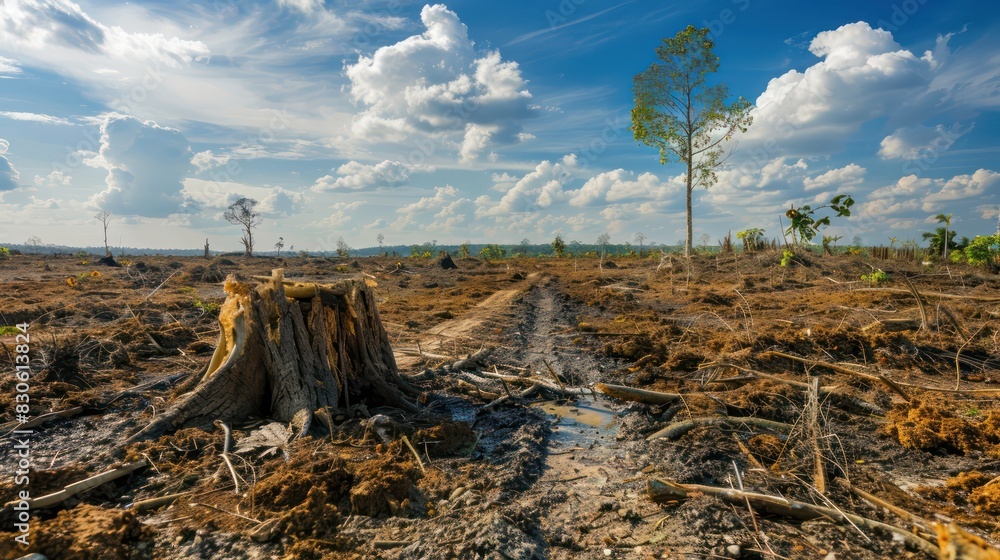
To witness a desert after fire is to see the world anew. The blackened earth, the skeletal remains of shrubs, the cacti standing sentinel—all speak of a landscape that has been tempered by adversity. The cactus, in its quiet defiance, embodies the spirit of resilience. It does not resist the fire; it embraces it, knowing that from destruction comes renewal. In this way, the cactus and fire are partners in a timeless waltz, each step a testament to the delicate balance that sustains life in the most unforgiving of places.
The desert teaches us that fire is not the end, but a beginning—a phoenix rising from the ashes, a cactus blooming in the aftermath of the inferno. It is a lesson in impermanence, in the beauty of cycles, and in the quiet strength of those who endure. The next time you see a cactus standing tall against the horizon, remember: it is not just a plant. It is a survivor. It is a storyteller. And it is a reminder that even in the harshest of worlds, life finds a way.
FAQ
How does fire benefit cactus ecosystems?
Fire clears dead vegetation, reduces competition, and stimulates the germination of fire-adapted species, allowing cacti to thrive.
What adaptations do cacti have for surviving fire?
Cacti have thick, waxy skins, deep roots, and spines that create microclimates, helping them survive and even thrive after fires.



Leave a Reply