

Short Answer
In the vast, sun-scorched landscapes of Mexico and the arid highlands of Texas, a silent crisis unfolds—one that threatens to erase a genus of miniature marvels from the botanical tapestry of our planet. Turbinicarpus, a genus of diminutive cacti, stands at the precipice of extinction, its survival hinging on the swift and strategic actions of conservationists, hobbyists, and scientists alike. These tiny titans, often no larger than a thumbnail, are not merely ornamental curiosities; they are living relics of evolutionary ingenuity, their survival strategies honed over millennia of relentless environmental pressure. Yet, their future is as fragile as the spines that adorn their globular bodies. This is the story of Turbinicarpus: a race against time to save these tiny cacti from the encroaching shadows of habitat destruction, illegal trade, and the creeping specter of climate change.
The Enigmatic World of Turbinicarpus: A Botanical Odyssey
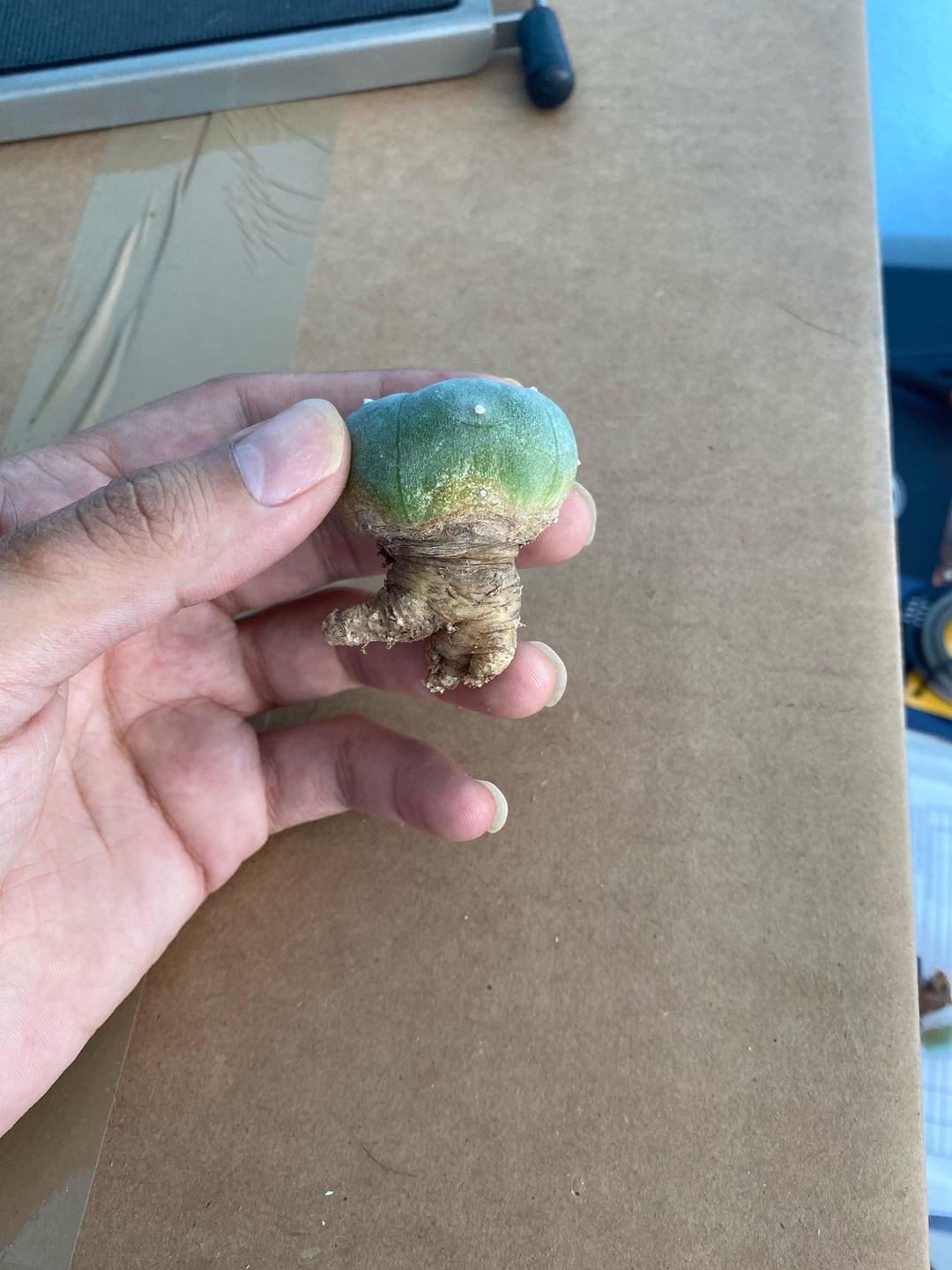
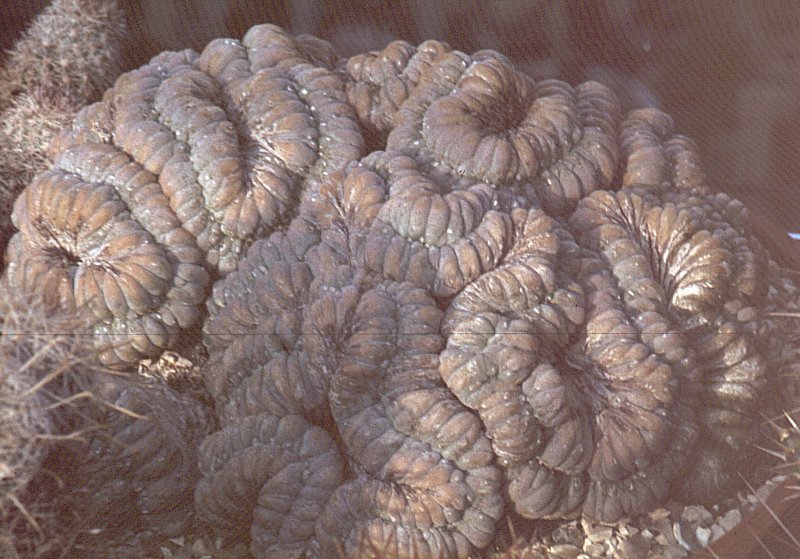
To comprehend the urgency of their plight, one must first delve into the enigmatic world of Turbinicarpus. This genus, a member of the Cactaceae family, comprises around 30 recognized species, each a masterpiece of evolutionary adaptation. Their diminutive stature belies their resilience; these cacti thrive in some of the most inhospitable environments on Earth, where temperatures swing from scorching days to frigid nights, and rainfall is a rare, capricious visitor. Their globular or cylindrical forms, often adorned with intricate, spiraling ribs and delicate, hooked spines, are not merely aesthetic flourishes but functional adaptations—tools to navigate the harsh realities of their native habitats.
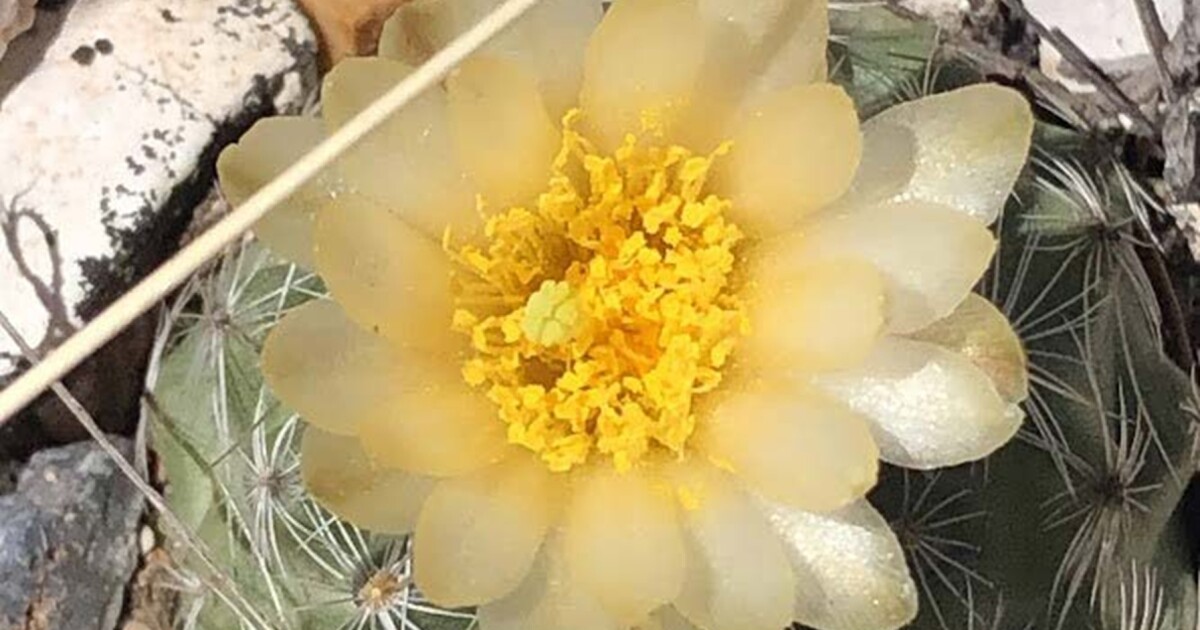
Their flowers, a fleeting burst of color in an otherwise monochrome landscape, are a spectacle of nature’s ingenuity. Blooming in hues of white, pink, or purple, they unfurl in a delicate dance with pollinators, ensuring the perpetuation of their species. Yet, these floral displays are ephemeral, lasting but a few days, a fleeting reminder of the cacti’s tenuous grip on survival. The seeds they produce are equally ephemeral, their viability hinging on the precise conditions of their environment—a delicate balance that is increasingly disrupted by human encroachment.
The Looming Threats: A Perfect Storm of Peril
The plight of Turbinicarpus is not born from a single, isolated threat but rather a confluence of existential dangers. At the forefront is habitat destruction, a relentless force driven by agricultural expansion, urbanization, and the voracious appetite of infrastructure development. The arid landscapes these cacti call home are often dismissed as barren wastelands, their ecological value overlooked in favor of short-term economic gains. Yet, these ecosystems are finely tuned, their survival hinging on the presence of species like Turbinicarpus, which play a crucial role in maintaining soil integrity and providing microhabitats for a myriad of other organisms.
Illegal trade poses another formidable challenge. The allure of these miniature cacti, with their intricate forms and rarity, has made them prized specimens in the black market of ornamental plants. Poaching, often conducted with little regard for sustainability, has decimated wild populations, leaving behind barren patches where these cacti once thrived. The demand for Turbinicarpus in the horticultural trade is insatiable, driven by collectors who covet their uniqueness. Yet, the irony is stark: the very rarity that makes them desirable is the same trait that renders them vulnerable to extinction.
Climate change, the silent architect of ecological upheaval, further exacerbates these threats. Rising temperatures, prolonged droughts, and erratic precipitation patterns disrupt the delicate balance these cacti have evolved to endure. The once-predictable rhythms of their life cycles—germination, growth, flowering, and seed dispersal—are now thrown into disarray. In some regions, the encroachment of invasive plant species, fueled by changing climatic conditions, smothers the delicate microhabitats that Turbinicarpus depends on. The result is a perfect storm of peril, one that threatens to erase these botanical gems from the face of the Earth.
Conservation Efforts: A Beacon of Hope in the Darkness
Amidst the gloom, a glimmer of hope emerges in the form of dedicated conservation efforts. Botanical gardens and research institutions worldwide have taken up the mantle of preserving Turbinicarpus, establishing seed banks and ex-situ cultivation programs to safeguard their genetic diversity. These initiatives are not merely acts of preservation but acts of defiance against the tide of extinction. By cultivating these cacti in controlled environments, scientists can study their biology, document their life cycles, and develop strategies for reintroduction into the wild.
The role of hobbyists and enthusiasts cannot be overstated. The global community of cactus aficionados has become a powerful force in the conservation of Turbinicarpus. Through ethical cultivation practices, propagation from seeds, and the sharing of knowledge, these individuals help reduce the pressure on wild populations. Many have turned to tissue culture techniques, a method that allows for the mass production of genetically identical cacti without depleting natural resources. This approach not only ensures the survival of the species but also provides a sustainable alternative to the illegal trade.
Governments and non-governmental organizations (NGOs) have also stepped into the fray, implementing protective measures such as the designation of protected areas and the enforcement of stricter regulations on the trade of endangered species. International agreements, such as CITES (Convention on International Trade in Endangered Species of Wild Fauna and Flora), have played a pivotal role in curbing the illegal trafficking of Turbinicarpus. Yet, the battle is far from won. The enforcement of these measures remains inconsistent, and the demand for these cacti continues to drive illicit activity.
The Role of Science: Decoding the Secrets of Survival
Science serves as the linchpin in the race to save Turbinicarpus. Researchers are unraveling the genetic and physiological adaptations that enable these cacti to thrive in extreme environments, insights that could inform conservation strategies. Studies on their reproductive biology, for instance, have revealed the critical role of specific pollinators in their survival. By understanding these relationships, conservationists can develop targeted interventions to bolster wild populations.
Advancements in biotechnology offer another avenue of hope. Techniques such as cryopreservation, which involves freezing plant tissues for long-term storage, provide a lifeline for preserving the genetic diversity of Turbinicarpus. This method ensures that even if wild populations are lost, their genetic material can be used to revive the species in the future. Similarly, genetic sequencing is shedding light on the evolutionary history of these cacti, helping identify populations that are genetically distinct and thus critical to the preservation of the genus.
The integration of traditional ecological knowledge with modern scientific approaches is also proving invaluable. Indigenous communities in the regions where Turbinicarpus thrives possess a deep understanding of these cacti and their ecosystems. Collaborative efforts that incorporate this knowledge can lead to more holistic and effective conservation strategies, ones that respect the cultural and ecological contexts of these remarkable plants.
How You Can Help: Becoming a Steward of Turbinicarpus
The fate of Turbinicarpus is not solely in the hands of scientists and policymakers; it is a collective responsibility that extends to every individual who shares a passion for these tiny cacti. One of the most impactful ways to contribute is by supporting ethical cultivation and trade. By purchasing Turbinicarpus from reputable nurseries that adhere to sustainable practices, you can help reduce the demand for illegally harvested specimens. Additionally, consider propagating these cacti from seeds, a rewarding endeavor that not only expands your collection but also contributes to the conservation of the species.
Educating others about the plight of Turbinicarpus is another powerful tool. Share your knowledge with fellow enthusiasts, participate in online forums, and advocate for stronger conservation measures. Social media platforms can be leveraged to raise awareness, showcasing the beauty and ecological importance of these cacti while highlighting the threats they face. Every voice counts, and collective action can amplify the impact of conservation efforts.
For those with a more hands-on approach, volunteering with botanical gardens, conservation organizations, or local nurseries can provide direct opportunities to contribute to the preservation of Turbinicarpus. Whether it’s assisting with seed collection, participating in habitat restoration projects, or helping with educational outreach, there are countless ways to make a difference. Even small actions, such as reducing your carbon footprint or supporting policies that prioritize environmental protection, can contribute to the broader effort to safeguard these tiny cacti.
The Future of Turbinicarpus: A Race Worth Winning
The story of Turbinicarpus is a microcosm of the broader challenges facing biodiversity in the 21st century. It is a tale of resilience, adaptation, and the delicate interplay between humans and the natural world. Yet, it is also a story of hope—a testament to what can be achieved when passion, science, and collective action converge. The race to save these tiny cacti is not merely a botanical endeavor; it is a race to preserve the intricate web of life that sustains us all.
As we stand on the precipice of an uncertain future, the survival of Turbinicarpus serves as a poignant reminder of our responsibility as stewards of the Earth. These miniature marvels, with their intricate forms and tenacious spirit, are not just symbols of nature’s ingenuity but also of our own capacity for compassion and action. The race against time is on, and the stakes could not be higher. Will we rise to the challenge, or will we allow these tiny titans to slip into the annals of extinction? The choice is ours, and the time to act is now.
FAQ
What is Turbinicarpus?
Turbinicarpus is a genus of small, globular cacti native to Mexico and Texas, known for their unique adaptations to harsh environments.
Why are Turbinicarpus cacti endangered?
They face threats from habitat destruction, illegal collection for the ornamental plant trade, and climate change impacts disrupting their natural life cycles.
What conservation efforts exist to protect Turbinicarpus?
Conservation includes seed banking, ex-situ cultivation, legal protections such as CITES regulations, and ethical propagation by hobbyists.
How can individuals help conserve Turbinicarpus?
By supporting ethical cultivation, avoiding illegal plant purchases, spreading awareness, and contributing to conservation programs.
Leave a Reply