
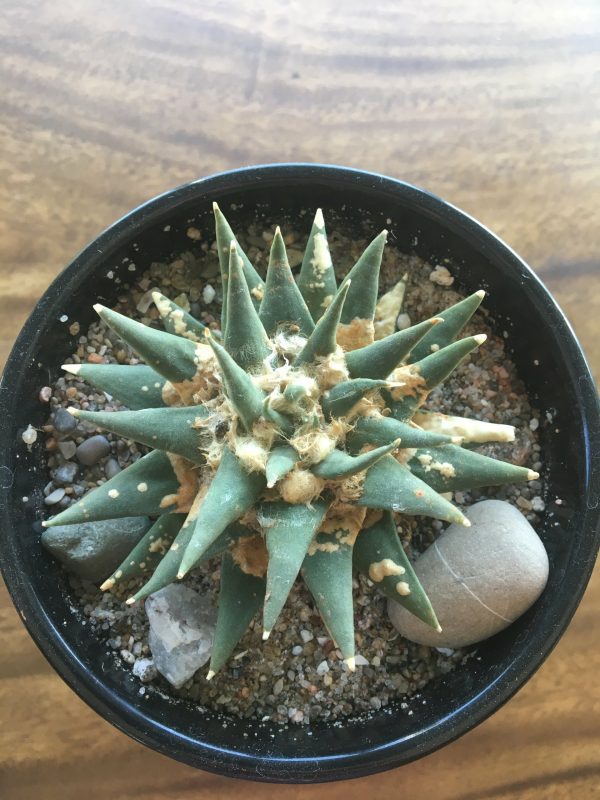
Short Answer
Have you ever found yourself staring into the mesmerizing geometric patterns of an Ariocarpus, wondering how such a tiny, unassuming cactus could hold the secrets of an entire desert’s mystique? These living sculptures, with their star-like rosettes and deep, fissured bodies, are not just plants—they are the silent storytellers of arid landscapes, whispering tales of resilience through their waxy, textured surfaces. For collectors, they are the ultimate challenge: a test of patience, precision, and passion. But which species should you chase? And more importantly, how do you coax these prickly prima donnas into thriving under your care? Buckle up, because we’re about to embark on a journey through the most coveted Ariocarpus species, where beauty meets botanical bravery.
The Ariocarpus Enigma: Why These Cacti Are the Ultimate Collector’s Prize
Let’s be real—Ariocarpus aren’t your average backyard succulents. These cacti, native to the rocky, sun-scorched terrains of Mexico and Texas, have evolved a deceptive charm. Their flattened, tuberous bodies blend seamlessly into the desert floor, camouflaging as stones or pebbles until they burst into bloom with flowers that seem too delicate for such a rugged existence. This paradox—soft, vibrant blooms emerging from a fortress of spines—makes them irresistible to collectors. But their allure isn’t just aesthetic; it’s a siren call to those who revel in the art of slow growth and meticulous cultivation. Ariocarpus demand more than just a green thumb; they require a gardener’s intuition, a scientist’s curiosity, and a poet’s appreciation for the subtle. Are you ready to answer their call?
Meet the Stars: A Taxonomy of the Most Sought-After Ariocarpus Species
Not all Ariocarpus are created equal. Some are rare, some are finicky, and some are downright dramatic in their demands. Let’s meet the divas of the genus, the species that send collectors into a frenzy of bidding wars and propagation prayers.
Ariocarpus fissuratus (Living Rock Cactus): The chameleon of the desert, this species masquerades as a stone so convincingly that it’s often overlooked until its lavender-pink flowers unfurl. Its fissured, gray-green body is a masterclass in evolutionary camouflage, but don’t let its stoic appearance fool you—it’s a survivor, thriving in conditions that would wither lesser plants. Collectors prize it for its hardiness and the way it seems to defy the laws of botany.
Ariocarpus trigonus (False Peyote): A name that carries whispers of controversy and intrigue. Unlike its more reserved cousins, this species boasts a striking, triangular body with a velvety texture that begs to be touched (though we’d advise against it—those are spines, not plush!). Its flowers are a bold, fiery orange, a stark contrast to the muted tones of its body. But beware: this one is a diva in the pot, demanding perfect drainage and a near-perfect balance of light and shade. Get it wrong, and it’ll sulk by refusing to grow.
Ariocarpus retusus (Star Cactus): The showstopper of the genus, with its star-shaped rosettes that look like they’ve been carved by a meticulous sculptor. This species is a favorite among those who love a challenge, as it grows agonizingly slowly—sometimes taking decades to reach a mere few inches in diameter. But oh, the payoff! When it finally blooms, its white or pink flowers are a breathtaking reward for the patient gardener.
The Collector’s Dilemma: Where to Source These Elusive Beauties
Ah, the eternal question: where does one procure these botanical gems without breaking the bank or, worse, supporting unethical trade practices? The answer, dear enthusiast, lies in a delicate dance between reputable nurseries, ethical growers, and the occasional lucky find at a cactus swap. But be warned—counterfeit specimens and mislabeled plants lurk in the shadows of the internet, ready to dupe the unwary. Always ask for provenance, and if a deal seems too good to be true, it probably is. Remember, a true Ariocarpus is an investment, not a impulse buy.
Another avenue? Seed-grown specimens. While they won’t bloom for years, they offer a blank canvas for the collector’s touch, allowing you to shape their growth from the very beginning. Plus, there’s something deeply satisfying about nurturing a tiny seed into a living sculpture. Just be prepared for the slow burn of anticipation—these cacti are not for the impatient.
Cultivation Secrets: How to Keep Your Ariocarpus Alive (and Thriving)
Now, the million-dollar question: how do you keep these prima donnas happy? The answer lies in replicating their natural habitat as closely as possible. Ariocarpus hail from regions where the soil is mineral-rich, the sun is relentless, and the rain is a rare and precious gift. Here’s how to give them the royal treatment:
Soil: Forget your average potting mix. Ariocarpus demand a gritty, fast-draining substrate, preferably a blend of coarse sand, perlite, and a smattering of organic matter. Think of it as a desert buffet—light, airy, and devoid of the moisture that would rot their roots.
Light: These cacti are sun-worshippers. A south-facing window or a greenhouse with ample sunlight is non-negotiable. Without enough light, they’ll etiolate, stretching out in a desperate bid for rays, and their vibrant colors will fade into a sad, washed-out gray. But be cautious—too much direct sun can scorch their delicate bodies, leaving behind unsightly burns.
Water: Here’s where things get tricky. Ariocarpus are drought-tolerant by nature, but they’re not entirely immune to thirst. The key is to water sparingly and only when the soil is bone-dry. During the growing season, a light misting every few weeks is sufficient. In winter, cut back entirely—these cacti enter a period of dormancy, and overwatering during this time is a death sentence.
Temperature: Ariocarpus thrive in warm, dry conditions, but they’re not fans of extreme heat. A consistent temperature between 70-85°F (21-29°C) is ideal, with a slight drop at night to mimic their natural environment. If you live in a cooler climate, consider growing them indoors or in a heated greenhouse.
The Blooming Mystery: Coaxing Flowers from Your Ariocarpus
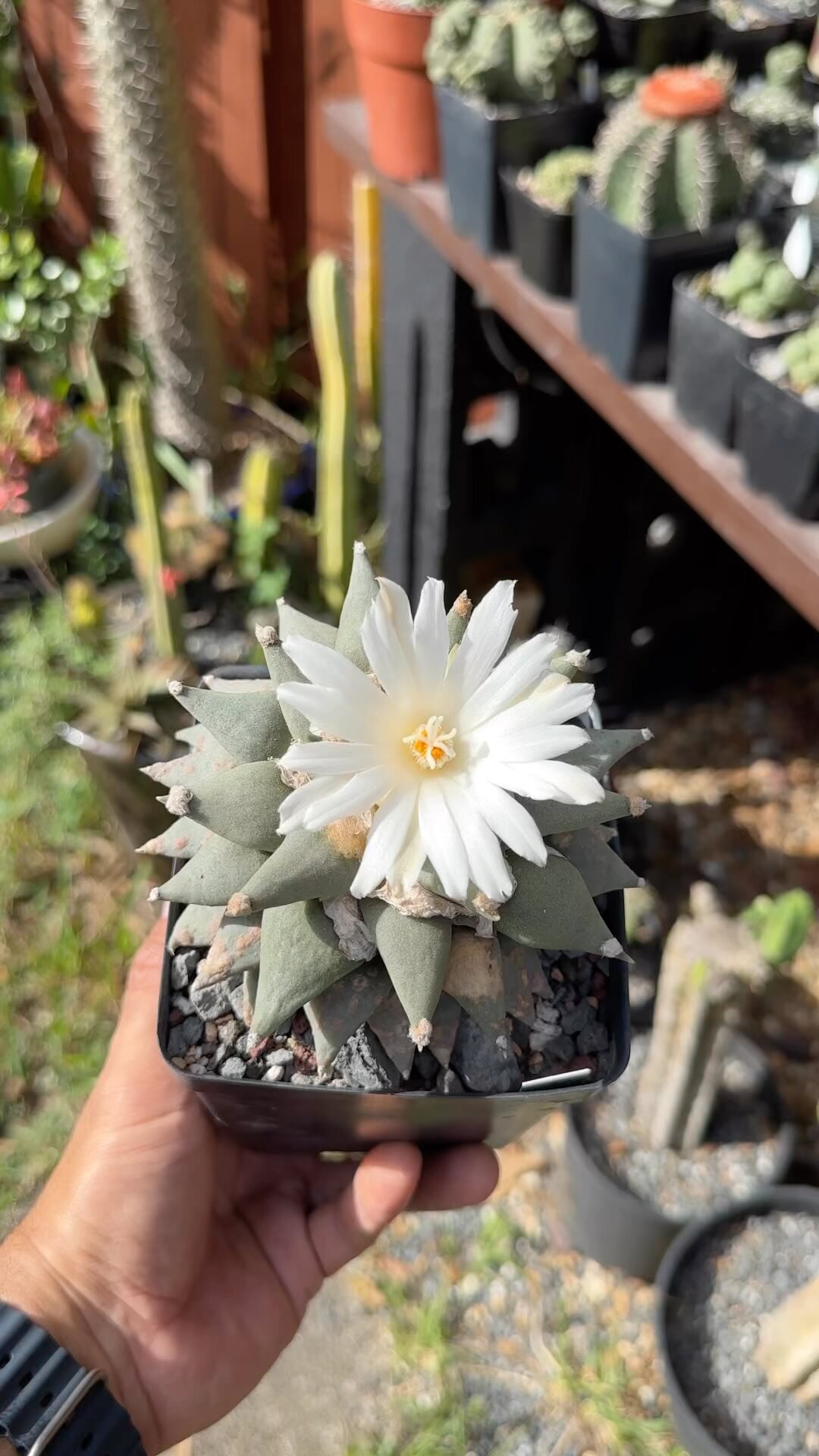
There’s something almost magical about an Ariocarpus in bloom. Those delicate, star-shaped flowers emerging from a body that looks like it belongs in a geologist’s collection is a testament to nature’s artistry. But coaxing these blooms from your cactus is a test of your dedication. Most Ariocarpus won’t flower until they’re at least 5-10 years old, and even then, they’re notoriously fickle about the conditions. To encourage flowering, ensure your cactus is mature, well-established, and receiving the right balance of light and water. Some growers swear by a winter rest period with cooler temperatures to trigger blooming, while others insist on a strict feeding regimen with low-nitrogen fertilizer. Experiment, observe, and be patient—floral rewards don’t come easily, but they’re worth the wait.
Common Pitfalls: Mistakes That Could Doom Your Ariocarpus
Even the most seasoned collectors have faced the heartbreak of a once-vibrant Ariocarpus slowly succumbing to neglect or overzealous care. Here are the most common mistakes to avoid:
Overwatering: This is the number one killer of Ariocarpus. Their roots are not designed to sit in damp soil, and excess moisture will lead to rot, a silent and irreversible demise. When in doubt, underwater—these cacti can handle drought far better than they can handle soggy roots.
Poor Drainage: If your pot doesn’t have drainage holes, or if your soil mix is too dense, you’re essentially setting your Ariocarpus up for a slow, soggy death. Always use containers with ample drainage and a gritty, fast-draining soil mix.
Ignoring Pests: Mealybugs and scale insects see Ariocarpus as an all-you-can-eat buffet. These pests can weaken your cactus and even introduce fungal infections. Inspect your plants regularly, and if you spot any freeloaders, act fast with a cotton swab dipped in rubbing alcohol or a targeted insecticide.
Impatience: Ariocarpus are not the cacti for those who crave instant gratification. They grow slowly, they bloom rarely, and they demand consistency. If you’re the type to lose interest when a plant doesn’t show immediate progress, these cacti are not for you. But if you’re in it for the long haul, the rewards are unparalleled.
Beyond the Basics: Advanced Techniques for the Dedicated Collector
For those who’ve mastered the fundamentals, there are ways to elevate your Ariocarpus game. Grafting, for instance, can accelerate growth and even induce flowering in younger plants. By attaching an Ariocarpus to a faster-growing rootstock, you can bypass some of the challenges of slow cultivation. However, grafting is an art form in itself, requiring precision and a steady hand. Another advanced technique? Hybridization. By cross-pollinating different Ariocarpus species, you can create unique hybrids with stunning colors and patterns. The possibilities are endless, but so are the challenges—hybridization is a game of patience and experimentation.
The Ethical Collector: Preserving Ariocarpus for Future Generations
With their slow growth and specific habitat requirements, Ariocarpus are particularly vulnerable to over-collection and habitat destruction. As collectors, we have a responsibility to ensure that our passion doesn’t come at the expense of these incredible plants. Always source your Ariocarpus ethically, whether through seed-grown specimens or reputable nurseries that prioritize sustainability. Consider joining a cactus society or conservation group to stay informed about the latest efforts to protect these species. And remember—every Ariocarpus you cultivate is one less wild plant taken from its natural habitat.
Final Thoughts: Are You Ready to Join the Ariocarpus Cult?
So, dear enthusiast, are you prepared to take on the challenge of cultivating these living sculptures? Ariocarpus are not for the faint of heart, but for those who embrace the slow, deliberate dance of their care, they offer a reward that transcends the ordinary. These cacti are more than just plants—they are a testament to the beauty of patience, the art of precision, and the joy of nurturing life in its most unexpected forms. So go ahead, take the plunge. Your Ariocarpus awaits.
FAQ
What is the best soil mix for Ariocarpus cacti?
Ariocarpus prefer a gritty, fast-draining mix composed of coarse sand, perlite, and a small amount of organic matter to replicate desert conditions.
How often should I water my Ariocarpus?
Water sparingly only when the soil is completely dry, typically every few weeks during the growing season, and avoid watering during winter dormancy.
Can Ariocarpus be grown indoors?
Yes, if provided with ample sunlight, preferably a south-facing window, and proper care conditions such as good drainage and controlled watering.
What are common pests affecting Ariocarpus?
Mealybugs and scale insects are common pests that can damage Ariocarpus, requiring vigilant inspection and treatment.



Leave a Reply