
Short Answer
In the sun-scorched embrace of the Atacama Desert, where the earth cracks open under the weight of its own thirst, a silent sentinel stands guard. The Copiapoa, a genus of cacti as enigmatic as the desert itself, has thrived for millennia in the harshest of conditions. Yet today, this resilient plant faces an existential threat—one that whispers of extinction in the same breath as it sings of survival. What makes the Copiapoa so captivating is not just its ability to endure, but its uncanny knack for beauty in adversity. Like a phoenix rising from the ashes of a barren landscape, it embodies the paradox of fragility and fortitude. But as climate change tightens its grip and human encroachment spreads like a creeping shadow, the future of this Chilean marvel hangs in the balance. What is being done to save it? And why should we care?
The Desert’s Jewel: Unraveling the Mystique of Copiapoa
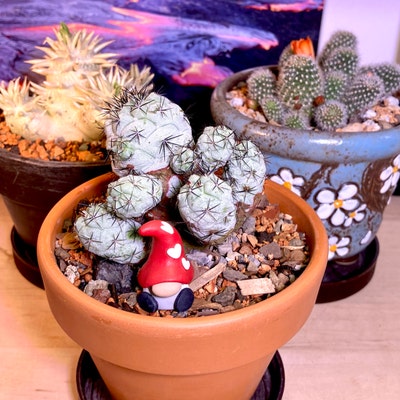
The Copiapoa is no ordinary cactus. With its globular, ribbed forms and spines that shimmer like polished obsidian, it is a masterpiece of evolutionary artistry. Native to the coastal and inland regions of northern Chile, this cactus has adapted to a world where water is a myth and the sun is a relentless tyrant. Its waxy epidermis reflects the harsh light, while its deep roots delve into the parched earth, seeking moisture where none should exist. Some species, like the Copiapoa cinerea, wear a cloak of white hairs, a silvery armor against the scorching rays. Others, such as the Copiapoa humilis, hug the ground like a whisper, their diminutive forms almost invisible until you kneel to look closer.
What truly sets the Copiapoa apart is its slow, deliberate growth. Unlike the rapid sprawl of its desert-dwelling cousins, the Copiapoa takes its time, adding a single rib or a new cluster of spines each year. It is a cactus that refuses to be hurried, a living testament to the patience of the wild. Yet this very trait makes it vulnerable. In a world obsessed with speed and instant gratification, the Copiapoa’s unhurried existence feels almost anachronistic. It is a relic of a time when nature moved at its own pace, and its survival now depends on our willingness to slow down and pay attention.
The Silent Siege: Climate Change and the Copiapoa’s Plight
The Atacama Desert, the driest place on Earth, is no stranger to extremes. But as global temperatures rise and weather patterns grow increasingly erratic, even this ancient landscape is feeling the strain. The Copiapoa’s delicate balance is being disrupted. Prolonged droughts, once a rarity, now stretch on for years, leaving the cacti parched and brittle. When the rare rains do come, they often arrive in torrential downpours, washing away the thin layer of soil that the Copiapoa relies on to anchor its roots. The result is a silent siege—one that is eroding the cactus’s habitat from both ends of the spectrum: too little water for too long, followed by too much at once.
Compounding the crisis is the phenomenon of coastal fog, or *camanchaca*, which once provided a lifeline of moisture for the Copiapoa. As temperatures climb, these fog banks are thinning, their tendrils of mist dissipating before they can reach the thirsty plants. The cacti, which once thrived in the fog’s cool embrace, now find themselves stranded in a world that is growing hotter and drier by the day. It is as if the desert itself is turning against them, a cruel irony for a plant that has spent millennia perfecting the art of survival in such conditions.
The Shadow of Commerce: When Beauty Becomes a Commodity
Yet the Copiapoa’s plight is not solely a tale of environmental woe. In the global marketplace, where rarity often equates to value, the Copiapoa has become a prized possession. Its striking appearance and slow growth make it a coveted specimen among collectors, driving a black market that threatens to strip the wild populations bare. Poachers, armed with shovels and disregard for the law, uproot entire colonies, leaving behind scars in the earth that may take decades to heal. The irony is bitter: a plant that has survived the harshest conditions on Earth is now at risk of being loved to death.
Even the most well-intentioned enthusiasts can unwittingly contribute to the problem. Social media, with its endless scroll of exotic flora, has turned the Copiapoa into an Instagram darling. Hashtags like #CactusLove and #DesertBeauty flood feeds with images of these spiny treasures, their popularity fueling demand. While some sellers propagate their own stock ethically, others exploit the wild, selling plants plucked from their natural habitats with little regard for sustainability. The result is a paradox: the more the Copiapoa is celebrated, the closer it edges toward oblivion.
Conservation in the Crosshairs: The Fight to Save a Species
Amid this turmoil, a glimmer of hope emerges. Conservationists, botanists, and local communities are rallying to protect the Copiapoa, deploying a arsenal of strategies to turn the tide. One of the most critical efforts is the establishment of protected areas, where the cacti can grow undisturbed by human hands. In Chile, reserves like the Pan de Azúcar National Park serve as sanctuaries for the Copiapoa, offering a reprieve from the pressures of poaching and habitat destruction. Rangers patrol these areas, dismantling illegal collection sites and educating visitors about the importance of preservation.
But protection alone is not enough. To truly secure the Copiapoa’s future, scientists are turning to the power of propagation. By cultivating the cacti in nurseries and reintroducing them to the wild, they are creating a buffer against the threats of climate change and exploitation. Some projects even employ tissue culture techniques, growing Copiapoa from tiny fragments of plant tissue in sterile lab conditions. It is a painstaking process, but one that offers a lifeline to species on the brink. Meanwhile, researchers are studying the Copiapoa’s genetic diversity, seeking to identify resilient strains that may hold the key to its survival in a changing world.
Community involvement is another cornerstone of conservation. Indigenous groups, who have long revered the Copiapoa as a symbol of resilience, are partnering with scientists to monitor populations and restore degraded habitats. Their traditional knowledge, passed down through generations, provides invaluable insights into the cactus’s needs and behaviors. By combining ancient wisdom with modern science, these collaborations are forging a path forward—one that honors both the past and the future.
The Ripple Effect: Why the Copiapoa Matters Beyond Its Spines
The fate of the Copiapoa is more than just a story about a single species. It is a microcosm of the broader ecological crisis unfolding across the planet. The cactus’s struggle reflects the challenges faced by countless other desert dwellers, from the tiny insects that pollinate its flowers to the birds that nest in its shade. When the Copiapoa falters, the entire web of life in the Atacama unravels. Pollinators lose a vital food source. Soil erosion accelerates, choking the delicate balance of the ecosystem. The desert, once a bastion of stability, begins to fracture.
Yet the Copiapoa’s story also offers a lesson in resilience. In its ability to adapt, to endure, and to inspire awe, it reminds us of nature’s capacity for both fragility and fortitude. It challenges us to reconsider our relationship with the natural world—not as conquerors, but as stewards. The choices we make today—whether to protect or plunder, to nurture or neglect—will echo through the centuries. The Copiapoa may be small, but its impact is vast. It is a living metaphor for the choices we face as a species: will we be the architects of its demise, or the guardians of its legacy?
The Path Forward: A Call to Action for the Desert’s Jewel
The road to saving the Copiapoa is long and fraught with obstacles, but it is not insurmountable. It begins with awareness—recognizing the cactus not just as a decorative curiosity, but as a vital thread in the tapestry of life. It demands action: supporting ethical nurseries, reporting illegal poaching, and advocating for stronger conservation policies. It requires patience, for the Copiapoa’s recovery will not happen overnight. And it calls for a shift in perspective, one that values the slow, the rare, and the resilient over the fast, the common, and the disposable.
As the sun sets over the Atacama, casting long shadows across the desert floor, the Copiapoa stands sentinel once more. Its spines glint in the fading light, a reminder of the beauty that persists even in the harshest of conditions. The question is no longer whether we can save it, but whether we will. The desert does not beg for mercy. It simply endures. And so, too, must we.
FAQ
What is the Copiapoa cactus?
The Copiapoa cactus is a unique genus of cacti native to the Atacama Desert in Chile, known for its resilience and beauty in harsh conditions.
What threats does the Copiapoa face?
The Copiapoa is threatened by climate change, habitat destruction, and illegal poaching.
What conservation efforts are being made for the Copiapoa?
Conservationists are establishing protected areas, promoting propagation in nurseries, and involving local communities in conservation efforts.


Leave a Reply