
Short Answer
The sun-baked deserts of the American Southwest and the arid expanses of Mexico have long been home to an unlikely symbol of resilience: the cactus. Yet beneath the thorny exterior of these succulents lies a shadow economy thriving on their illegal harvest. Cactus poaching, a clandestine trade fueled by rarity, cultural reverence, and astronomical market demand, has burgeoned into a multi-million-dollar industry. What begins as a seemingly innocuous act of plucking a plant from the wild often spirals into ecological devastation, organized crime, and even geopolitical tension. This is the hidden world of cactus poaching—a lucrative business with a devastating footprint.
The Allure of the Rare: Why Cacti Command Sky-High Prices
Not all cacti are created equal. The market distinguishes between the commonplace and the extraordinary, and in the world of succulent collecting, rarity is the ultimate currency. Species like the Pediocactus knowltonii, known colloquially as the Knowlton’s cactus, are so scarce that a single specimen can fetch tens of thousands of dollars in clandestine auctions. The allure stems from their diminutive size, slow growth, and the mystique of their natural habitats—often confined to a few square miles of inhospitable terrain. Collectors, often wealthy enthusiasts or unscrupulous dealers, are willing to pay a premium for these botanical oddities, driving a black market that operates with the precision of a stock exchange.
But rarity alone doesn’t explain the frenzy. The cactus trade is steeped in a paradox: these plants, which thrive in conditions of extreme scarcity, are paradoxically being driven to extinction by their own desirability. The Sclerocactus brevihamatus, for instance, is a tiny, spiny marvel found only in the Chihuahuan Desert. Its slow reproductive cycle—taking up to a decade to mature—makes it particularly vulnerable to overharvesting. When a single plant can command $5,000 in Tokyo or Berlin, the temptation for poachers becomes irresistible, even if it means stripping entire populations from the wild.
The Supply Chain: From Desert to Display Case
The journey of a poached cactus is a tale of deception and globalized crime. It begins with the poacher, often a local inhabitant of desert regions, armed with little more than a trowel and a disregard for conservation laws. These individuals operate under the cover of night, extracting plants from protected areas with surgical precision to avoid detection. The harvested cacti are then smuggled across borders, hidden in suitcases, shipping containers, or even disguised as ornamental plants in commercial shipments. The sophistication of these operations rivals that of drug cartels, with corrupt officials, forged permits, and encrypted communication networks facilitating the trade.
Once across the border, the cacti enter a labyrinthine supply chain. Middlemen, often operating from urban centers like Los Angeles or Mexico City, launder the plants through a series of shell companies and fake nurseries. The cacti are repotted, their spines meticulously groomed, and their origins falsified to appear as cultivated specimens. This process not only obscures their illegal provenance but also inflates their value, as “nursery-grown” plants fetch higher prices than wild-collected ones. The final destination? High-end plant shops, online marketplaces, or private collections where the cacti are displayed as status symbols, their illicit origins conveniently omitted from the narrative.
The Ecological Toll: A Desert Left Barren
The consequences of cactus poaching extend far beyond the confines of a black market ledger. Each plant extracted from the wild represents a ripple effect through an already fragile ecosystem. Cacti are keystone species in desert environments, providing shelter for insects, birds, and small mammals. Their removal disrupts food chains, accelerates soil erosion, and leaves the landscape vulnerable to invasive species. In the Sonoran Desert, for example, the decimation of Ferocactus wislizeni populations has led to a decline in the endangered desert tortoise, which relies on these cacti for food and hydration.
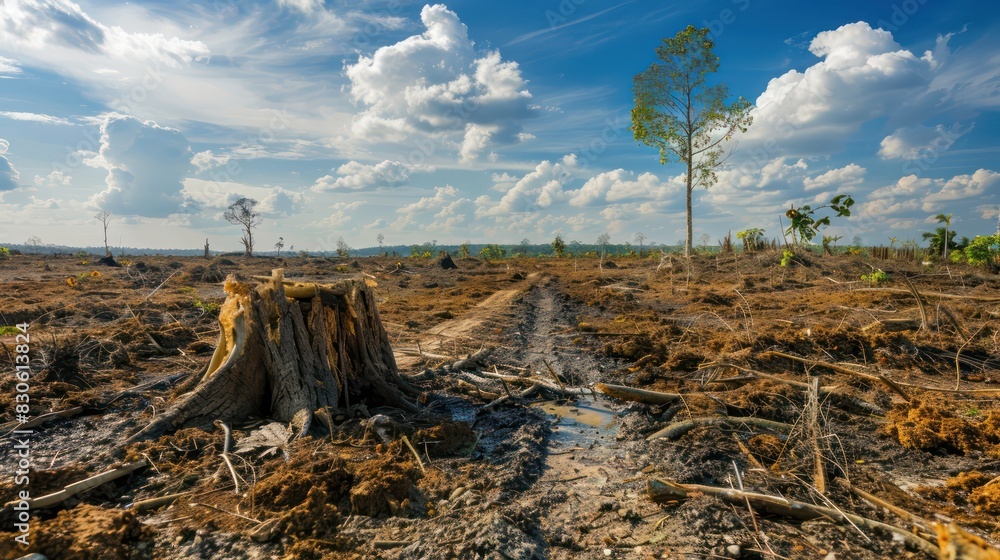
The ecological damage is compounded by the methods used to harvest cacti. Poachers often use crowbars or shovels to pry plants from the ground, destroying the root systems and leaving the soil exposed to wind and water erosion. In some cases, entire colonies are wiped out in a single night, leaving behind a wasteland where once there was a thriving microhabitat. The loss is not just biological but cultural; many indigenous communities in the Southwest and Mexico view cacti as sacred, integral to their traditions and folklore. The poaching of these plants is, in essence, a form of cultural erasure.
The Human Cost: Exploitation and Organized Crime
Behind the glossy veneer of the cactus trade lies a darker reality: human exploitation. Poachers, often impoverished locals, are paid a pittance for their efforts—sometimes as little as $5 per plant—while the profits are siphoned off by intermediaries and international buyers. The trade is rife with coercion; those who resist are threatened, and in some cases, violence has escalated to the point of homicide. In 2021, a cactus dealer in Mexico was found murdered, his body left in a shallow grave near the Chihuahuan Desert, a grim reminder of the stakes involved.
The cactus trade has also become entangled with larger criminal enterprises. Cartels, seeking to diversify their revenue streams, have turned to poaching as a low-risk, high-reward venture. The profits are laundered through legitimate businesses, such as landscaping firms or exotic plant importers, making it difficult for law enforcement to trace the flow of money. In some regions, the trade has even fueled territorial disputes, with rival gangs fighting over control of lucrative cactus-rich areas. The human cost is not limited to the poachers themselves; border patrol agents, conservation officers, and indigenous activists face increasing threats as they attempt to curb the trade.
Legal Loopholes and the Failure of Conservation Efforts
The fight against cactus poaching is hamstrung by a patchwork of laws and weak enforcement. While international agreements like CITES (Convention on International Trade in Endangered Species) regulate the trade of certain cactus species, loopholes abound. Many poached cacti are mislabeled as cultivated varieties, exploiting a legal gray area that allows for the sale of “nursery-grown” plants. Even when seizures occur, the penalties are often laughably light—a slap on the wrist for a crime that can net millions in profits.
Conservation efforts are further undermined by a lack of resources and political will. In the United States, agencies like the U.S. Fish and Wildlife Service are stretched thin, with only a handful of agents tasked with patrolling vast desert landscapes. In Mexico, corruption within local governments and law enforcement agencies often means that poachers operate with impunity. Some conservationists have turned to innovative solutions, such as drone surveillance and community-led patrols, but these efforts are often underfunded and unsustainable in the long term. The result is a cat-and-mouse game where poachers adapt faster than the systems designed to stop them.
The Future of the Cactus: Can We Save Them Before It’s Too Late?
The fate of the world’s cacti hangs in a precarious balance. On one side, the demand for rare and exotic plants shows no signs of waning, fueled by social media trends and the insatiable appetite of collectors. On the other, the ecological and social costs of poaching are becoming impossible to ignore. Some conservationists advocate for a radical shift: the legalization and regulation of the cactus trade, coupled with strict oversight and sustainable cultivation practices. This approach, they argue, could undercut the black market while providing a legitimate source of income for local communities.
Others propose a more drastic solution: the complete eradication of the commercial cactus trade. They point to the success of similar bans on the ivory and rhino horn trades, which have, in some cases, led to a decline in poaching. However, the cactus trade is uniquely challenging due to the sheer number of species involved and the difficulty of distinguishing between legal and illegal specimens. A blanket ban could also drive the trade further underground, making it even harder to monitor and regulate.
The path forward will require a multifaceted approach: stronger international cooperation, technological innovation, and a cultural shift in how we perceive these plants. Until then, the cactus poaching industry will continue to thrive, leaving behind a trail of ecological destruction and human suffering. The question is not whether we can afford to save the cacti—it’s whether we can afford not to.
FAQ
What is cactus poaching?
Cactus poaching refers to the illegal harvesting of cacti from their natural habitats, driven by high market demand and rarity.
What are the impacts of cactus poaching?
Cactus poaching leads to ecological damage, disrupts local ecosystems, and can contribute to the extinction of rare species.
How are cacti poached?
Poachers typically extract cacti under the cover of night, often using tools that damage the plants and their habitats.
What is being done to combat cactus poaching?
Conservation efforts include legal regulations, community patrols, and innovative technologies, but they often face significant challenges.
FAQ
What is cactus poaching?
Cactus poaching refers to the illegal harvesting of cacti from their natural habitats, driven by high market demand and rarity.
What are the ecological impacts of cactus poaching?
Cactus poaching disrupts ecosystems, leading to soil erosion, loss of biodiversity, and negative impacts on species that rely on cacti for survival.
How is the cactus trade related to organized crime?
The cactus trade often involves illegal smuggling, corruption, and exploitation, with profits being funneled into larger criminal enterprises.
FAQ
What is cactus poaching?
Cactus poaching is the illegal harvesting of cacti from their natural habitats, driven by high market demand for rare species.
What are the ecological impacts of cactus poaching?
Cactus poaching disrupts ecosystems, leading to soil erosion, loss of habitat for wildlife, and potential extinction of cactus species.
How does cactus poaching relate to organized crime?
Cactus poaching is often linked to organized crime, with cartels involved in the illegal trade, exploiting vulnerable local populations.
What can be done to combat cactus poaching?
Efforts include stricter enforcement of conservation laws, community-led initiatives, and potential regulation of the cactus trade.



Leave a Reply