
Short Answer
There’s something quietly heroic about a cactus—its defiance of arid landscapes, its stoic endurance through seasons of neglect, and its slow, deliberate growth that belies an inner resilience. Yet even the most indomitable of desert dwellers occasionally outgrows its confines. When the time comes to repot your spiky companion, the process isn’t merely about shifting soil and roots; it’s about recognizing the unspoken dialogue between plant and pot, a conversation rooted in growth, survival, and the delicate balance between confinement and freedom. The signs that your cactus is ready for a new home are often subtle, woven into the fabric of its daily existence, and understanding them can transform a routine chore into a profound act of stewardship.
The Roots’ Silent Plea: When Your Cactus Outgrows Its Pot
Imagine, for a moment, the roots of your cactus as the unsung architects of its existence. They stretch, twist, and probe the soil in search of sustenance, but when the pot becomes too cramped, their ambitions are stifled. The first and most unmistakable sign that your cactus craves a larger vessel is the sight of roots peeking through the drainage holes at the base of the container. This isn’t mere curiosity—it’s a desperate bid for space, a silent protest against the cramped quarters that hinder their ability to absorb water and nutrients. Roots that coil around the soil like serpents trapped in a jar are another telltale indicator. They’re not just growing; they’re suffocating, and their struggle is a plea for liberation.
But roots aren’t the only messengers. The top of your cactus may also send distress signals. If the soil dries out within hours of watering, it’s not just a sign of poor drainage—it’s evidence that the roots have claimed every inch of available space, leaving no room for moisture to linger. Even the cactus’s growth rate can speak volumes. A once-vibrant plant that suddenly slows its expansion, despite ideal conditions, may be signaling that its roots have hit a wall. These signs aren’t just inconveniences; they’re the cactus’s way of saying, “I need room to breathe.”
The Soil’s Exhaustion: When Nutrients Become a Mirage
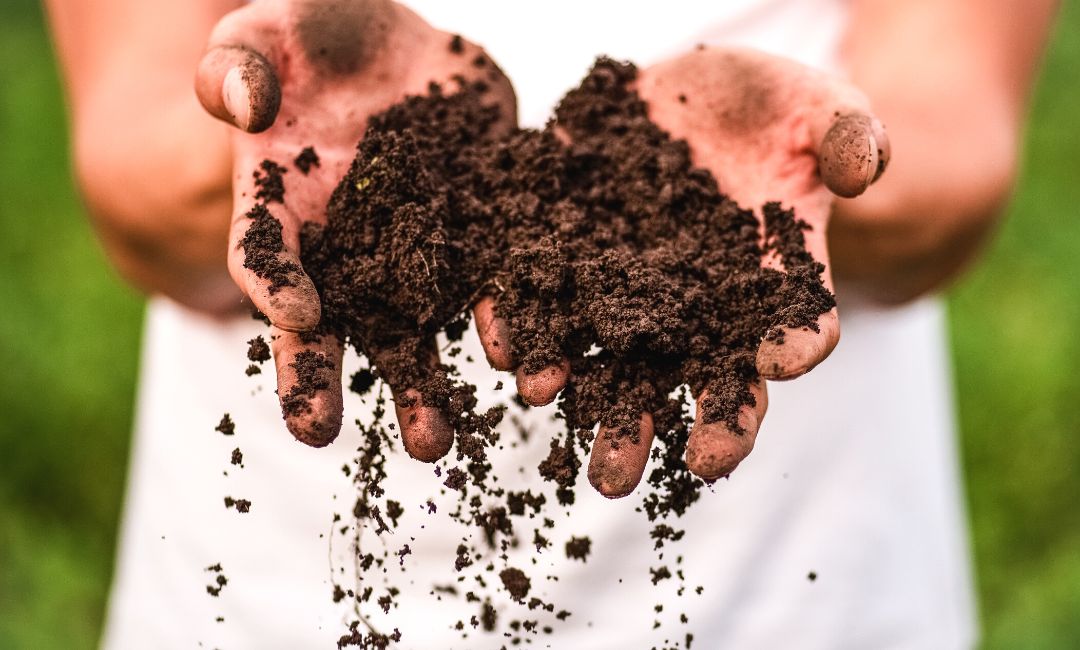
Soil, much like a well-worn book, loses its vitality over time. The nutrients that once sustained your cactus become depleted, leaving behind a substrate that’s more akin to dust than to fertile earth. If your cactus’s once-lush green hue has faded to a dull, ashen gray, it’s not just a cosmetic change—it’s a nutritional SOS. The soil’s inability to retain moisture or deliver essential minerals forces the plant into a state of arrested development. Even frequent fertilizing can’t compensate for the exhaustion of the medium itself. When the soil’s structure collapses, turning compacted and lifeless, it’s a clear indication that your cactus is starving in its own home.
Another subtle yet telling sign is the presence of a white, crusty residue on the soil’s surface or the pot’s rim. This isn’t mere mineral buildup from tap water—it’s the ghost of nutrients long since leached away, a residue of what once was. The soil’s pH may also shift, becoming either too alkaline or too acidic, further inhibiting the cactus’s ability to thrive. Repotting isn’t just about giving roots more space; it’s about revitalizing the very foundation of your plant’s existence. Fresh, well-draining soil infused with perlite or coarse sand can restore the balance, offering a second lease on life to a plant that’s been running on empty.
The Weight of Time: When Age Demands a Change
Cacti, like all living things, age. And with age comes a shift in their needs. A young cactus, brimming with vigor, may thrive in a snug pot, its roots content to explore the limited confines of its home. But as the years pass, the cactus’s growth slows, its water requirements shift, and its need for stability in the soil becomes more pronounced. An older cactus may begin to wobble in its pot, its once-firm anchorage loosened by the relentless expansion of its root system. This isn’t just a matter of aesthetics—it’s a structural concern. A top-heavy cactus in an unstable pot is a recipe for disaster, risking toppling and root damage with every accidental nudge.
The passage of time also brings changes in the cactus’s susceptibility to pests and diseases. Compacted, exhausted soil becomes a breeding ground for root rot and fungal invaders, while a fresh, aerated medium can act as a shield against these silent predators. Even the cactus’s spines may tell a story. If they appear brittle or discolored, it could be a sign that the plant is struggling to access the resources it needs to maintain its defenses. Repotting an aging cactus isn’t just about giving it more room—it’s about honoring its journey, providing it with the tools to face the next chapter of its life with renewed strength.
The Seasonal Rhythm: Timing Your Repotting for Maximum Success
Timing, as they say, is everything. Repotting a cactus isn’t a task to be undertaken on a whim; it’s a strategic maneuver that aligns with the plant’s natural rhythms. The ideal window for repotting is during the cactus’s active growing season, typically in the late spring or early summer. During this period, the plant is primed to recover from the shock of transplantation, its roots eager to explore new soil and its metabolism humming with vitality. Repotting in the dormant months of winter is a gamble—one that can leave the cactus vulnerable to stress, rot, or even death.
But seasonal timing isn’t just about growth cycles; it’s also about environmental conditions. A cactus repotted in the heat of summer may struggle to acclimate if the temperatures are extreme, while one repotted in the damp chill of autumn risks root rot from excess moisture. The key is to observe the subtleties of your local climate. A few days of mild, overcast weather can provide the perfect backdrop for repotting, allowing the cactus to settle into its new home without the added stress of temperature fluctuations or scorching sun. Patience, in this case, is a virtue—waiting for the right moment can mean the difference between a thriving plant and a struggling one.
The Art of Transplantation: A Step-by-Step Guide to a Smooth Transition
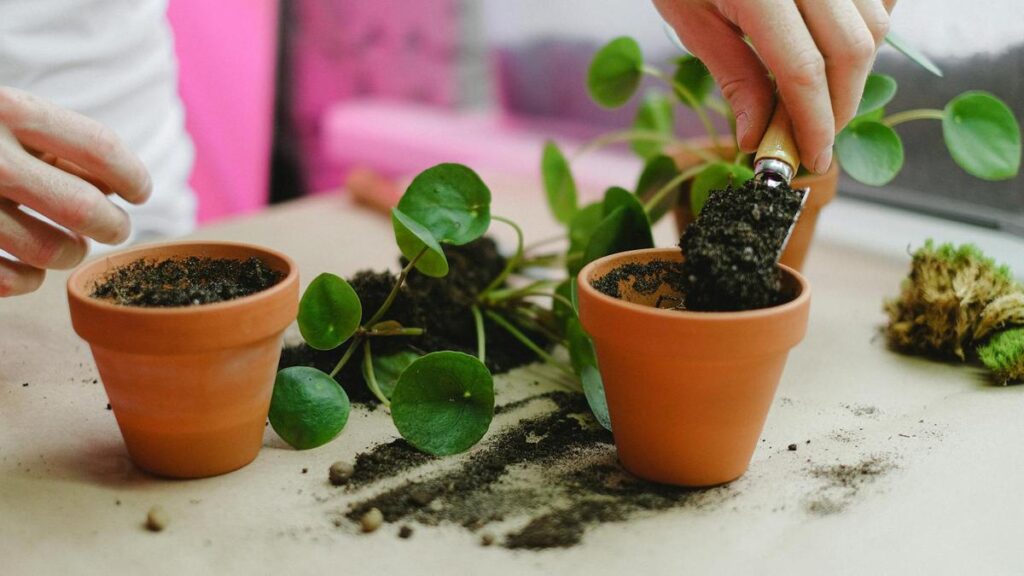
Repotting a cactus isn’t a task for the faint of heart. Those spines aren’t just for show—they’re a cactus’s first line of defense, and handling one without proper precautions is a recipe for discomfort. Start by gathering your tools: a pair of thick gloves, a long-sleeved shirt, and a pair of tongs or a folded newspaper to cradle the cactus. Gently loosen the soil around the edges of the pot, coaxing the roots free with a butter knife or a similar tool if necessary. If the roots are stubbornly entangled, don’t force them—trim any excessively long or damaged roots with sterilized scissors to encourage new growth.
Choose a pot that’s only slightly larger than the previous one—just an inch or two in diameter will suffice. A pot that’s too large can lead to soil that stays wet for too long, inviting root rot. Fill the new pot with a well-draining soil mix, ideally one formulated for cacti and succulents, and nestle the cactus inside, ensuring it sits at the same depth as before. Avoid watering immediately; give the roots a few days to adjust to their new environment before introducing moisture. Place the cactus in a shaded spot for a week or two to minimize stress, then gradually reintroduce it to its usual light conditions. The first few weeks are critical—watch for signs of wilting or discoloration, and be prepared to adjust your care routine as needed.

The process of repotting is more than a mechanical task; it’s an act of communion between gardener and plant. Each step is an opportunity to observe the cactus’s resilience, to marvel at the intricacies of its root system, and to appreciate the delicate balance of forces that allow it to thrive. When done with care, repotting isn’t just a necessity—it’s a celebration of life’s persistence in even the most inhospitable of environments.
The Deeper Connection: Why Repotting Feels Like a Sacred Duty
There’s a quiet magic in tending to a cactus, a sense that you’re participating in something far greater than the act of gardening. Repotting, in particular, feels like a ritual—a way to honor the cactus’s journey, to acknowledge its struggles and its triumphs, and to offer it the space it needs to flourish. It’s a reminder that growth isn’t always linear, that sometimes the most profound transformations come from the simplest acts of care. In a world that often feels chaotic and unpredictable, a cactus’s steadfastness is a grounding force. Repotting it is a way to reciprocate that steadfastness, to give back some of the resilience it so generously offers.
Perhaps that’s why the act of repotting feels so deeply satisfying. It’s not just about keeping a plant alive; it’s about nurturing a relationship. The cactus, with its silent endurance and unyielding spirit, becomes more than a decorative element—it becomes a companion, a testament to the beauty of persistence. And when you finally place it in its new home, watching as it begins to stretch its roots into fresh soil, there’s a sense of completion, as if you’ve not just repotted a plant, but renewed a bond.
So the next time your cactus seems restless, take a moment to observe. Look for the signs, listen to the silent pleas, and trust your instincts. Repotting isn’t just a chore; it’s an opportunity to deepen your connection to the natural world, one spine at a time.
FAQ
What are the signs that a cactus needs repotting?
Signs include roots extending through drainage holes, soil drying out quickly, and a lack of growth.
When is the best time to repot a cactus?
The best time is during the active growing season, typically in late spring or early summer.
Leave a Reply