
Short Answer
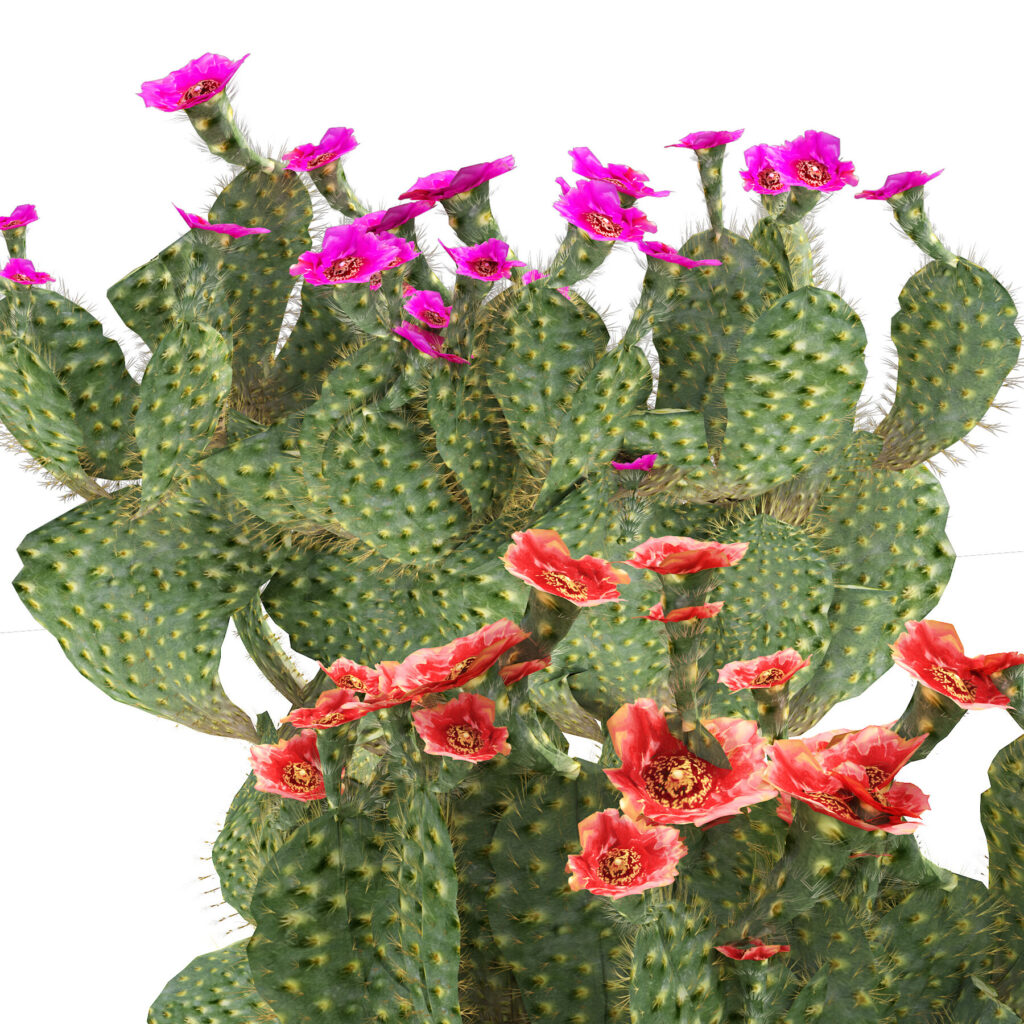
There’s something almost magical about watching an Opuntia—those resilient, paddle-shaped cacti—burst into a riot of color, their blooms unfurling like ephemeral masterpieces under the sun. Yet, coaxing these desert jewels into flowering can feel like an elusive art, a dance between nurturing and patience. Whether you’re a seasoned succulent enthusiast or a novice with a green thumb, understanding the nuances of Opuntia cultivation is key to unlocking their full splendor. From the sun-drenched spines of the Beavertail Cactus to the delicate petals of the Prickly Pear, each variety demands a tailored approach. Let’s dive into the secrets of encouraging these botanical wonders to reveal their most vibrant selves.
The Alchemy of Light: Mastering Sun Exposure for Opuntia Blooms
Opuntia species are sun-worshippers in the truest sense, their very survival hinging on generous doses of solar energy. Yet, the relationship between light and flowering is more nuanced than simply placing them in the brightest spot. These cacti require a photoperiodic trigger—a specific duration of uninterrupted sunlight—to transition from vegetative growth to reproductive mode. In their native habitats, Opuntia bask in relentless desert sunlight, often for 12 to 14 hours daily during their active growing season. Mimicking this in cultivation means positioning them where they receive at least six to eight hours of direct sunlight, with the remainder of their light exposure coming from bright, indirect light.
But here’s the twist: too much direct sun too soon can scorch tender new growth, while insufficient light leads to etiolation—those elongated, weakened stems that never quite muster the energy to bloom. The solution? A gradual acclimatization process. Start seedlings or newly acquired plants in partial shade, gradually increasing their sun exposure over weeks. For mature Opuntia, consider rotating their pots weekly to ensure even light distribution, preventing the lopsided growth that can hinder flowering. And don’t underestimate the power of a south-facing window or a greenhouse for indoor specimens—these environments can replicate the intensity of desert rays, provided ventilation is adequate to prevent overheating.
Watering Wisdom: The Delicate Balance Between Thirst and Drought
Opuntia may be drought-tolerant, but that doesn’t mean they thrive on neglect. The key to flowering lies in a strategic watering regimen that alternates between abundance and austerity. During the growing season—typically spring and summer—water deeply but infrequently, allowing the soil to dry out completely between sessions. This mimics the sporadic rainfall of their natural environments, signaling the plant that it’s time to grow and, eventually, reproduce. Overwatering, on the other hand, leads to root rot and a vegetative state that prioritizes survival over blooming.
As autumn arrives, taper off watering to induce a period of dormancy. This is when Opuntia slows its metabolic processes, conserving energy for the next growth cycle. Reduce watering to once every three to four weeks, and by winter, minimal moisture is all they need—just enough to prevent desiccation. Come spring, resume watering cautiously, observing the plant’s response. A sudden surge of water after dormancy can shock the system, but a measured reintroduction encourages steady, healthy growth. For those in humid climates, ensure excellent drainage to prevent waterlogged roots, a silent killer of flowering potential.
Soil Secrets: Crafting the Perfect Substrate for Floral Abundance
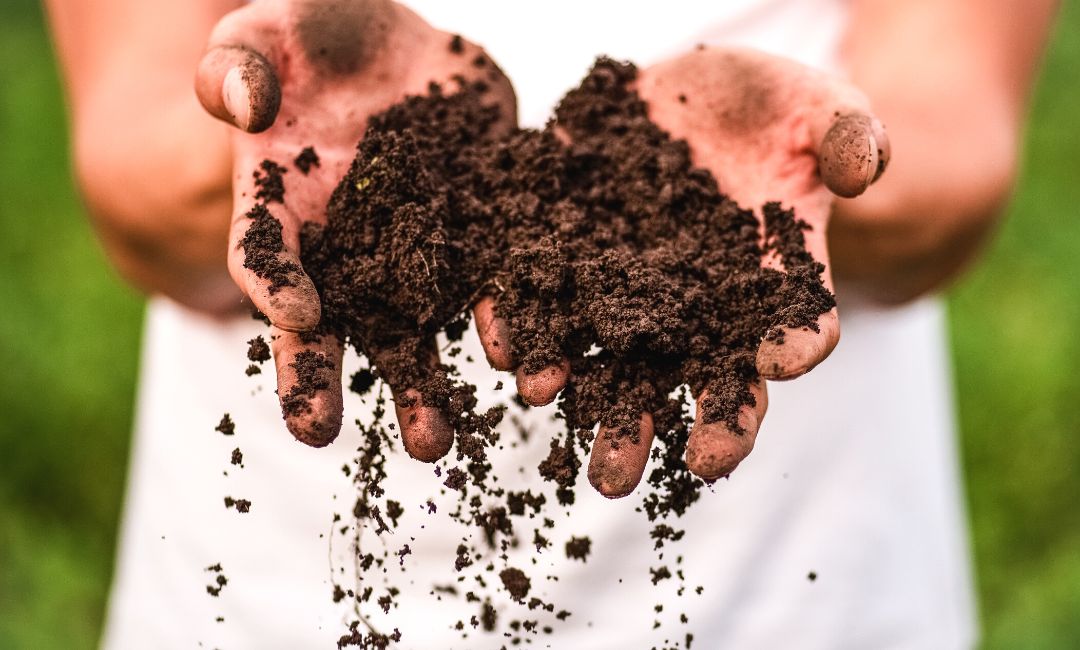
The foundation of a thriving Opuntia isn’t just soil—it’s a well-draining, mineral-rich substrate that mimics the rocky, nutrient-poor soils of their native landscapes. Standard potting mixes are often too dense, retaining moisture and suffocating roots. Instead, create a custom blend using coarse sand, perlite, and a base of cactus or succulent soil. The ideal ratio? Roughly 50% inorganic material (like pumice or grit) to 50% organic matter, ensuring aeration while providing just enough nutrients to fuel growth without overwhelming the plant.
For those who prefer simplicity, commercial mixes labeled for cacti and succulents can work, but amend them with additional perlite or coarse sand to enhance drainage. The texture should be gritty, almost crumbly, with no clumps that could trap moisture. When repotting, choose containers with ample drainage holes—terracotta pots are ideal, as they wick away excess moisture and prevent root rot. And here’s a pro tip: avoid fertilizing during dormancy. Opuntia don’t need extra nutrients when they’re resting; save the feeding for the growing season, using a balanced, diluted fertilizer (like a 10-10-10 blend) applied sparingly every four to six weeks.
Temperature and Seasonal Rhythms: The Unseen Influences on Blooming
Opuntia are creatures of habit, their flowering cycles dictated by seasonal cues that extend beyond mere light and water. Temperature plays a pivotal role, with cooler nights and warm days acting as a catalyst for bud formation. Many species require a chilling period—temperatures between 40°F and 50°F (4°C to 10°C)—for several weeks in late winter or early spring to stimulate flowering. This mimics the natural temperature fluctuations they experience in the wild, where cold nights precede the burst of growth and blooming in spring.
Indoors, this can be tricky to replicate, but it’s not impossible. Place pots in a cool, unheated garage or basement for six to eight weeks in late winter, ensuring they still receive some light. Alternatively, use a temperature-controlled grow tent with a cooling function. Once the chilling period ends, gradually reintroduce the plant to warmer conditions and resume regular watering. For outdoor growers, the transition from winter dormancy to spring warmth often triggers the first signs of bud development. Pay attention to these seasonal shifts, as they’re the silent conductors of the Opuntia’s floral symphony.
Pruning and Propagation: Shaping for Success
Pruning isn’t just about aesthetics—it’s a strategic tool to encourage flowering by redirecting the plant’s energy toward reproductive growth. Opuntia can become leggy or overgrown, with older pads shading out younger ones and sapping vitality. Remove dead or damaged pads promptly to prevent rot and disease, but avoid heavy pruning during the growing season, as this can stress the plant. Instead, focus on thinning out dense clusters in early spring, allowing light to penetrate the interior and stimulate bud formation.
Propagation offers another avenue to invigorate flowering. By taking cuttings from healthy, mature pads and rooting them, you create new plants that are often more vigorous than their parent. Choose plump, disease-free pads, let them callus over for a few days, then plant them in a well-draining mix. Keep the soil slightly moist until roots establish—usually within four to six weeks. These young plants may take a year or two to mature and bloom, but the process rejuvenates the genetic line, potentially leading to stronger, more prolific flowering in subsequent generations.
Pest Control and Disease Prevention: Safeguarding Floral Potential
Even the hardiest Opuntia can fall victim to pests and pathogens that sabotage flowering. Mealybugs, scale insects, and spider mites are common culprits, their sap-sucking habits weakening the plant and diverting energy from blooming. Inspect pads regularly, especially in the crevices where pests love to hide. A cotton swab dipped in rubbing alcohol can dispatch isolated infestations, while a systemic insecticide may be necessary for severe cases. For fungal diseases like root rot, prevention is paramount—ensure pots have drainage holes, avoid overhead watering, and sterilize tools between uses.
Environmental stressors, such as sudden temperature drops or excessive humidity, can also trigger issues like edema or bacterial soft rot. Maintain stable conditions, and if you notice mushy, discolored pads, act quickly to remove affected tissue and adjust care. Healthy Opuntia are resilient, but vigilance is the price of floral abundance. Think of pest control as a form of botanical self-defense—a necessary step to protect the plant’s energy reserves for the main event: the dazzling display of flowers.
Patience and Persistence: The Gardener’s Most Valuable Tools
Perhaps the most overlooked aspect of encouraging Opuntia to flower is the virtue of patience. These cacti are not instant gratification plants; they’re slow-burning masterpieces that reward consistent care with fleeting, spectacular blooms. Some species may take years to flower from seed, while others bloom reliably once established. The key is to observe, adapt, and trust the process. Keep a journal of your plant’s progress, noting changes in watering, light, and temperature. Over time, you’ll develop an intuitive sense of what your Opuntia needs to thrive.
And remember, flowering isn’t just about the destination—it’s about the journey. The act of nurturing these resilient plants fosters a deeper connection to the natural world, teaching patience, resilience, and the beauty of slow growth. Whether your Opuntia graces you with a single bloom or a cascade of color, the experience is a testament to the harmony between human effort and botanical wonder. So tend to your cacti with care, and let nature’s timing unfold. The flowers will come—when the time is right.
FAQ
What conditions do Opuntia need to flower?
Opuntia require ample sunlight, proper watering, well-draining soil, and specific temperature conditions to encourage flowering.
How often should I water Opuntia for optimal growth?
Water deeply but infrequently during the growing season, allowing the soil to dry out completely between sessions.
Can I propagate Opuntia to promote flowering?
Yes, propagating healthy pads can invigorate growth and potentially lead to stronger flowering.
FAQ
What conditions are necessary for Opuntia to flower?
Opuntia requires adequate sunlight, proper watering, well-draining soil, and appropriate temperatures to encourage flowering.
How often should I water my Opuntia?
Water deeply but infrequently during the growing season, allowing the soil to dry out completely between sessions.
What type of soil is best for Opuntia?
A well-draining, mineral-rich substrate is ideal, combining coarse sand, perlite, and cactus soil.
FAQ
What are the best conditions for Opuntia to flower?
Opuntia requires at least 6 to 8 hours of direct sunlight daily, a well-draining soil mix, and a careful watering regimen to encourage flowering.
How often should I water my Opuntia?
Water deeply but infrequently during the growing season, allowing the soil to dry out completely between sessions.
What temperature is ideal for Opuntia flowering?
Opuntia typically needs cooler nights and warm days, with a chilling period of 40°F to 50°F for several weeks to stimulate flowering.
FAQ
What is the best light for Opuntia to bloom?
Opuntia requires at least six to eight hours of direct sunlight daily, along with some bright, indirect light.
How often should I water my Opuntia?
Water deeply but infrequently during the growing season, allowing the soil to dry out completely between watering sessions.
What type of soil is best for Opuntia?
A well-draining, mineral-rich substrate is ideal, typically a mix of coarse sand, perlite, and cactus or succulent soil.
Leave a Reply