
Short Answer
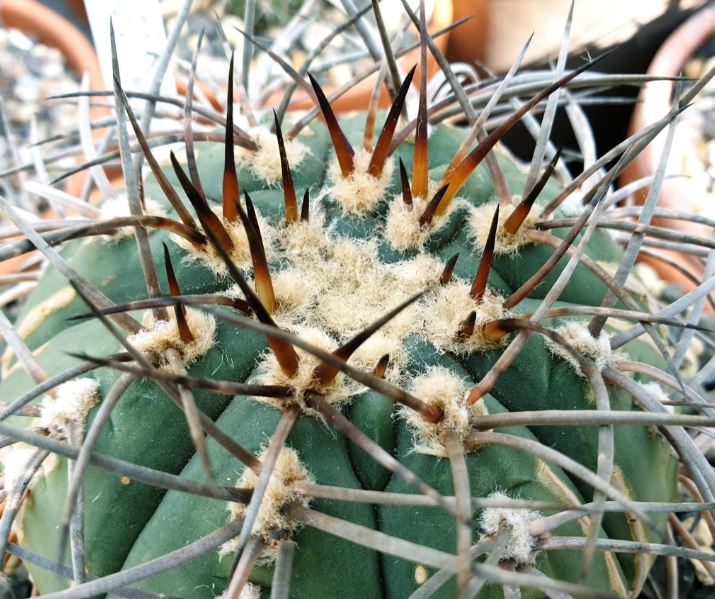
Imagine a sentinel standing guard in the desert, its armor not of steel but of delicate, needle-like splendor—each spine a whispered secret of survival. Cactus spines, those enigmatic adornments, are far more than mere adornments; they are the plant’s silent language, a ballet of defense and adaptation. But what happens when these guardians begin to falter, when their once-firm grip on life loosens and they start to fall? The sight can be as unsettling as a knight losing his sword mid-battle, leaving the cactus vulnerable in a world that demands resilience. Let’s unravel the mystery behind cactus spines falling off, exploring what it means for your spiky companion and how you can restore its former glory.
The Delicate Dance of Cactus Spines: A Metaphor for Survival
In the harsh theater of the desert, every cactus spine is a character in an ancient survival saga. These spines, born from modified leaves, are not just decorative—they are the cactus’s first line of defense against predators, a shield against the scorching sun, and a trap for moisture in the arid air. But like all heroes, they are not invincible. When spines begin to detach, it’s as if the cactus is shedding its armor, leaving it exposed to the elements. This phenomenon can stem from a variety of causes, each as unique as the cactus itself.
Consider the Opuntia, with its pad-like segments adorned with clusters of spines that resemble tiny porcupine quills. These spines are not merely static; they are dynamic, responding to environmental cues. In times of stress—whether from overwatering, underwatering, or sudden temperature shifts—the cactus may prioritize survival over maintenance, leading to spine loss. It’s a poignant reminder that even the most resilient beings have their breaking points.
Signs of Distress: How to Recognize a Cactus in Need
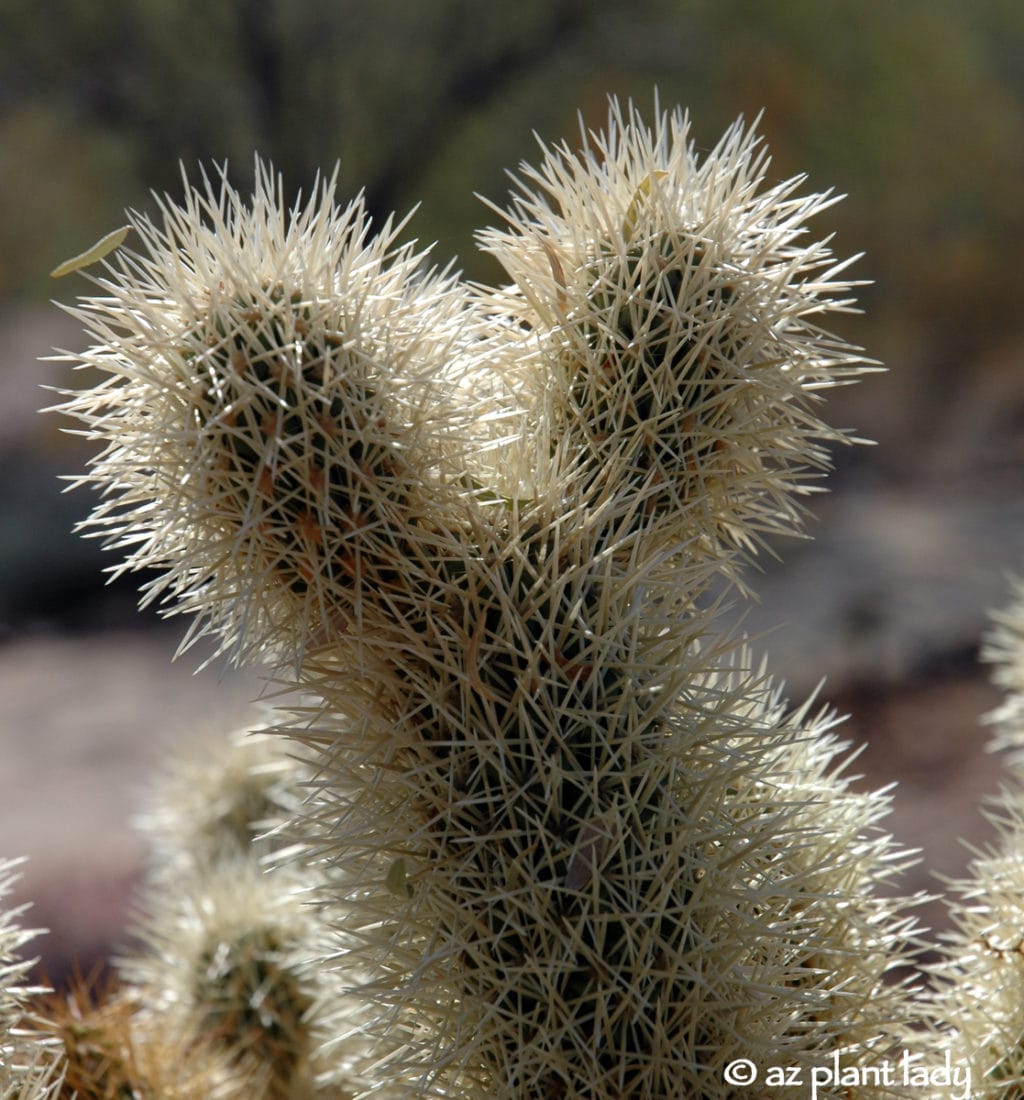
Detecting spine loss early is akin to reading the subtle tremors before an earthquake. The first clue is often the sight of fallen spines scattered around the base of the plant, as if the cactus has been shedding its identity. But spine loss is rarely an isolated event; it’s usually accompanied by other distress signals. Look for discoloration—patches of yellow, brown, or black—as these hues betray the cactus’s internal turmoil. Soft, mushy segments or a foul odor are red flags, signaling rot or bacterial infection.
Another telltale sign is a change in the spine’s texture. Healthy spines are firm and slightly flexible, but when they become brittle or crumble at the slightest touch, it’s a sign that the cactus is struggling. Think of it as a knight’s sword rusting in the rain; the once-sharp defense is now weakened, leaving the plant defenseless against pests or environmental threats.
For those with a keen eye, the pattern of spine loss can also reveal the root cause. If spines are falling uniformly across the plant, the issue may be environmental—perhaps a sudden drop in temperature or excessive humidity. If the loss is localized, however, it could point to a localized infection or physical damage, like a bruised segment from a clumsy bump.
Root Causes: Why Spines Fall and What They’re Trying to Tell You
The reasons behind spine loss are as varied as the cacti themselves, each story a chapter in the plant’s life. One of the most common culprits is overwatering, a silent killer disguised as kindness. Cacti, children of the desert, are not built for soggy soil. When their roots are submerged in waterlogged earth, they suffocate, their tissues breaking down and leading to spine detachment. It’s a tragic irony—water, the elixir of life, becomes the harbinger of doom.
Conversely, underwatering can also trigger spine loss, though in a different way. A cactus deprived of water for too long may conserve moisture by shedding non-essential parts, including spines. It’s a desperate act of survival, a last-ditch effort to redirect resources to the core of the plant. The spines, once a symbol of strength, become casualties in the cactus’s fight for hydration.
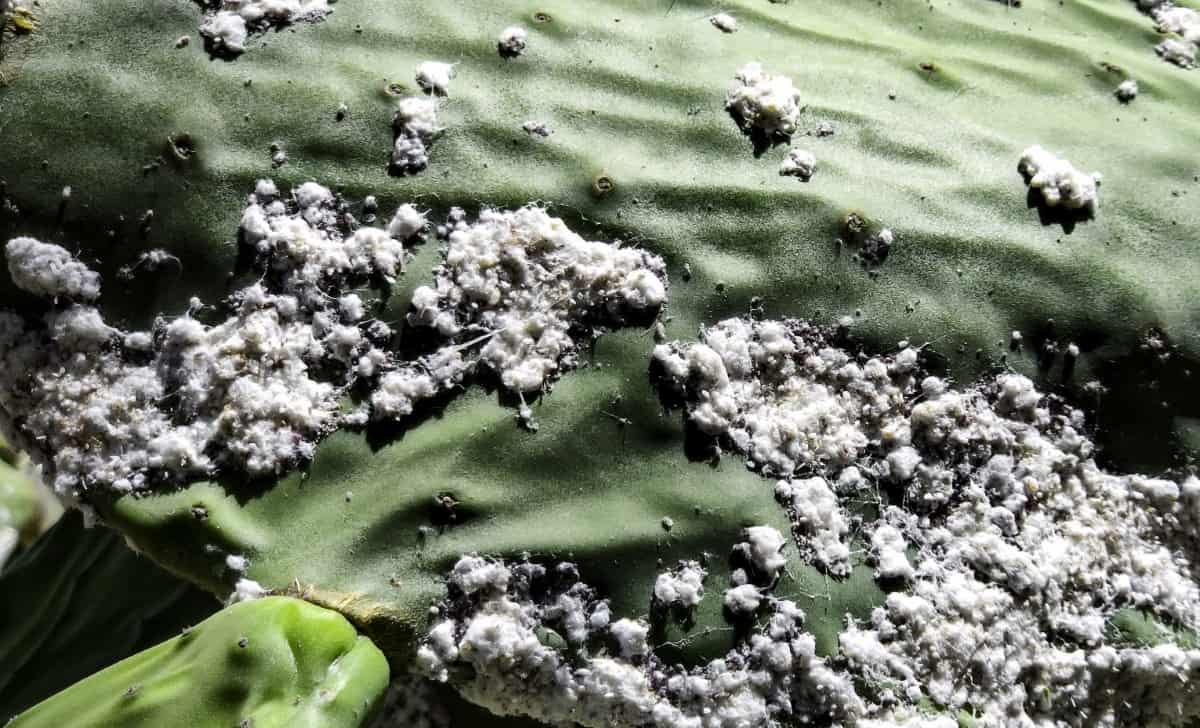
Environmental stressors play a role too. Sudden temperature fluctuations, whether from drafts or extreme heat, can shock the cactus, causing spines to loosen and fall. Similarly, excessive humidity can encourage fungal growth, which weakens the plant’s structure and leads to spine loss. Even pests, like mealybugs or spider mites, can target the spines, feeding on the plant’s sap and leaving behind a trail of damage.
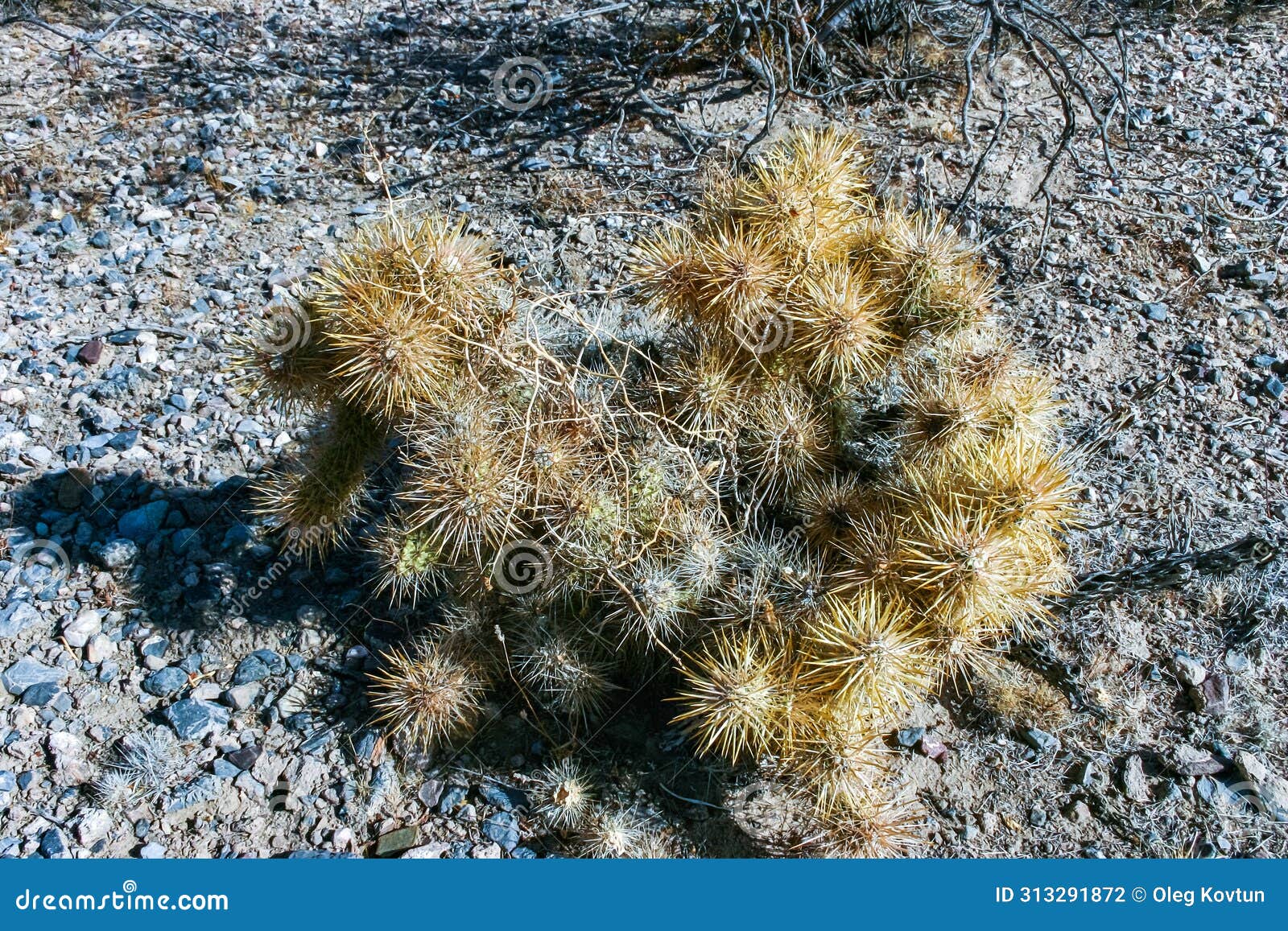
In some cases, spine loss is a natural part of the cactus’s life cycle. Older spines may weaken and fall as the plant directs its energy toward new growth. This is especially true for species like the Saguaro, whose spines are shed as the cactus matures, making way for its iconic ribbed trunk. It’s a reminder that even in nature, change is the only constant.
First Aid for Spiny Sufferers: Restoring Your Cactus’s Armor
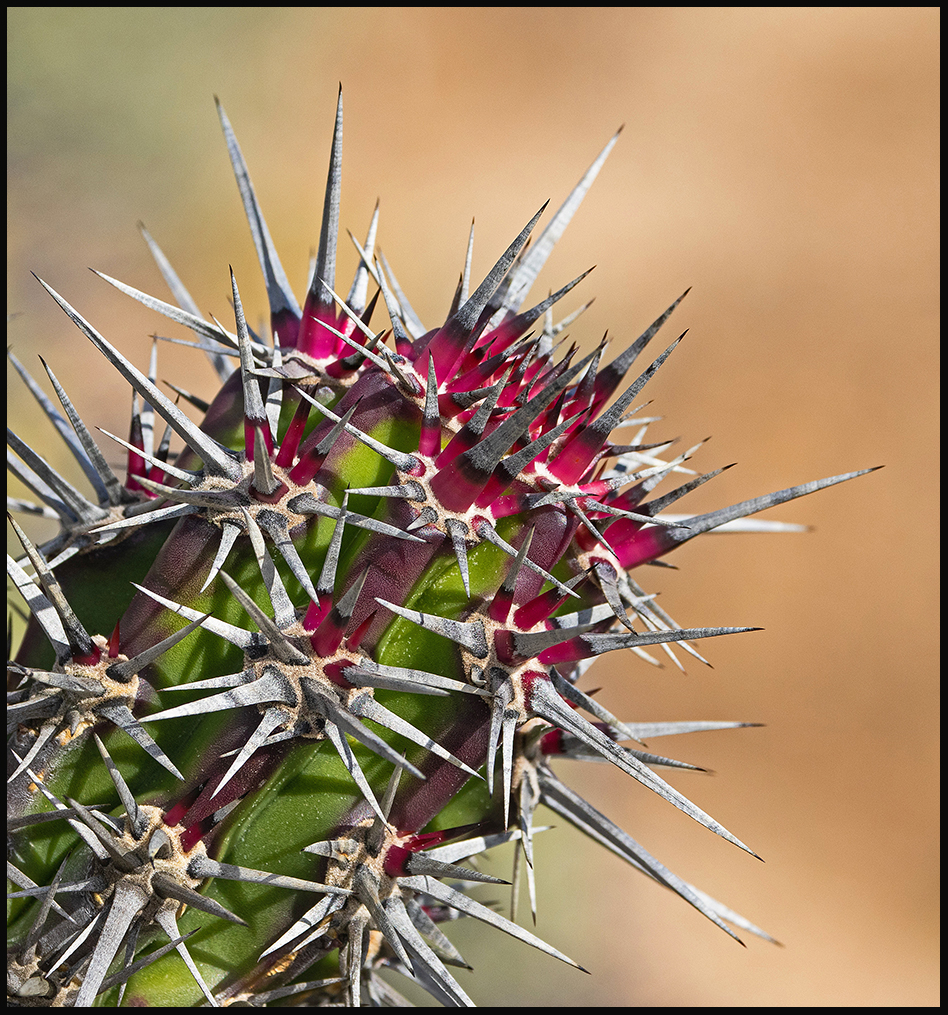
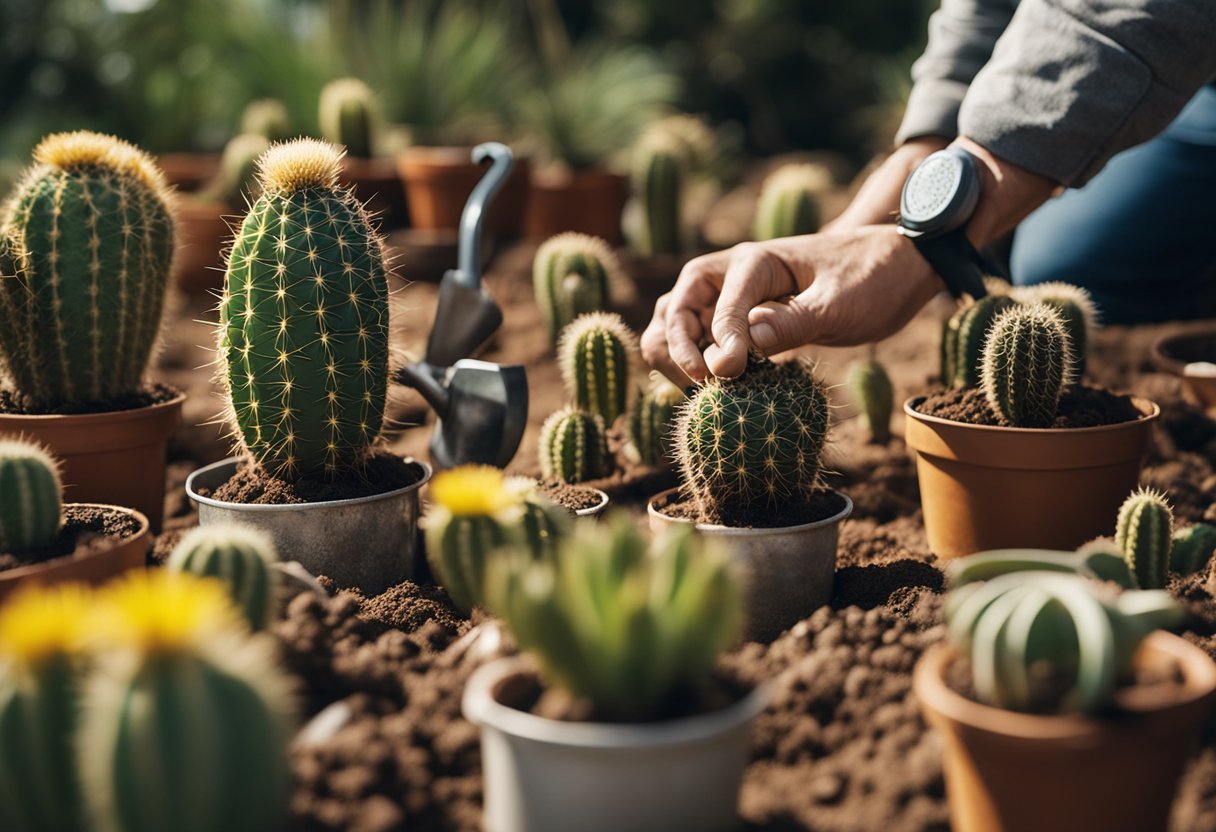
When your cactus begins to lose its spines, it’s time to act—not with haste, but with precision. The first step is to assess the damage. Gently remove any fallen spines from the soil to prevent pests from taking advantage of the cactus’s weakened state. Inspect the plant for signs of rot, such as soft or discolored segments, and trim away any affected areas with a sterilized knife. Think of it as performing emergency surgery, removing the rotten tissue to save the rest of the plant.
Next, adjust your watering routine. Cacti thrive in well-draining soil, so if your plant is sitting in waterlogged earth, it’s time to repot it. Use a mix designed for cacti and succulents, ensuring that water can flow freely through the soil. Allow the soil to dry out completely between waterings, mimicking the arid conditions of the desert. It’s a delicate balance—enough water to sustain life, but not so much that it drowns the roots.
If the issue is environmental, relocate your cactus to a spot with stable temperatures and indirect sunlight. Avoid drafts, air conditioning vents, or windows that receive harsh afternoon sun, as these can stress the plant. For those in humid climates, consider using a dehumidifier or placing the cactus in a well-ventilated area to reduce moisture in the air.
Pests are another hurdle to overcome. If you spot mealybugs or spider mites, treat the plant with a solution of neem oil or insecticidal soap, applying it carefully to avoid damaging the remaining spines. For severe infestations, you may need to isolate the cactus and treat it repeatedly until the pests are gone. It’s a battle of patience, but one that can save your plant from further harm.
The Silver Lining: When Spine Loss is a Sign of Renewal
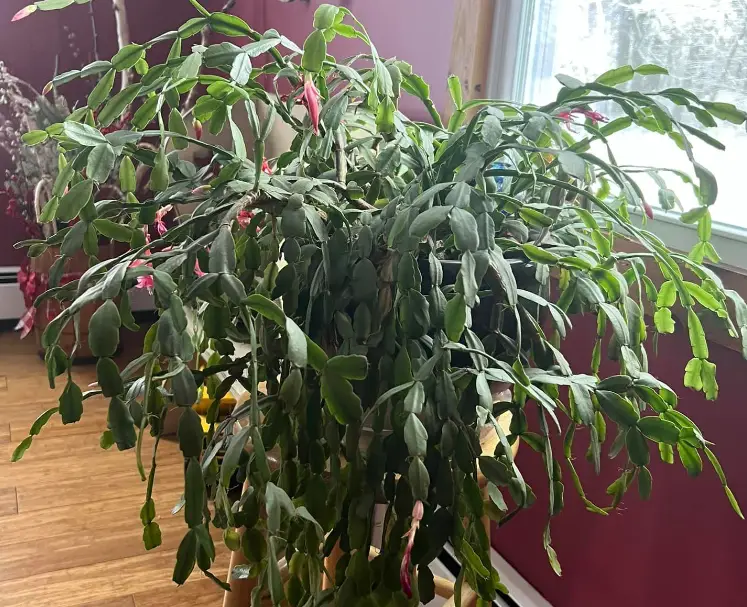
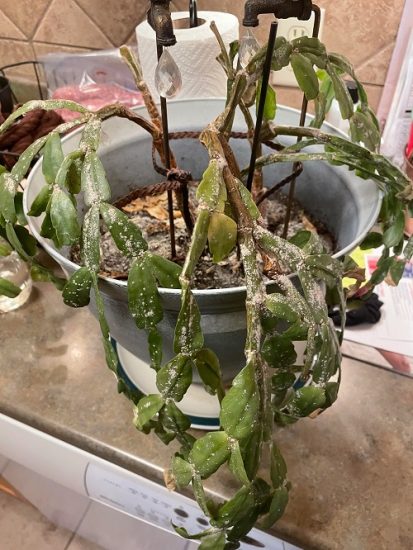
Not all spine loss is a cause for alarm. In some cases, it’s a sign that the cactus is entering a new phase of growth. For example, the Christmas Cactus (Schlumbergera) often sheds spines as it prepares to bloom, a process known as areole senescence. These areoles, the small bumps from which spines grow, may temporarily stop producing spines as the plant redirects its energy toward flowering. It’s a fleeting moment of vulnerability, followed by a burst of color and life.
Similarly, young cacti may shed spines as they adapt to their environment. This is especially true for species like the Barrel Cactus, which starts life with a dense coat of spines that gradually thin out as the plant matures. It’s a natural thinning of the ranks, a way for the cactus to streamline its defenses as it grows stronger.
Even in the case of older spines falling off, there’s a certain beauty in the cycle of renewal. Each fallen spine is a testament to the cactus’s journey, a reminder that growth often comes at the cost of shedding the past. It’s a metaphor for life itself—sometimes, we must let go of what no longer serves us to make room for new beginnings.
Prevention: Keeping Your Cactus’s Armor Intact
The best defense against spine loss is a proactive offense. Start by choosing the right soil—one that mimics the cactus’s natural habitat. A mix of sand, perlite, and peat moss or coconut coir will provide the drainage and aeration your plant needs. Avoid heavy, moisture-retentive soils, as they can suffocate the roots and lead to spine loss.
Watering with intention is another key to prevention. Stick to a schedule that aligns with the cactus’s natural rhythms, watering deeply but infrequently. In the growing season, this might mean watering every 2-3 weeks, while in the dormant season, you can cut back to once a month or less. Always check the soil before watering—if it’s still damp, wait a few more days.
Monitoring environmental conditions is equally important. Keep your cactus in a location with consistent temperatures, ideally between 70-100°F (21-38°C) during the day and no lower than 50°F (10°C) at night. If you live in a humid climate, consider using a fan to improve air circulation around the plant. And always, always protect your cactus from drafts, whether from doors, windows, or air conditioning units.
Finally, inspect your cactus regularly. Look for early signs of stress, such as discoloration or soft spots, and address them before they escalate. A healthy cactus is a resilient one, its spines standing tall and proud, a testament to its ability to thrive in even the harshest conditions.
A Final Thought: The Beauty of Impermanence
Cactus spines falling off is not just a symptom of distress—it’s a story of adaptation, resilience, and renewal. Whether it’s a sign of environmental stress, a natural part of the life cycle, or a temporary setback, spine loss reminds us that even the toughest plants are not immune to the challenges of life. But with the right care and attention, your cactus can bounce back, its spines regrowing stronger than ever.
So the next time you notice a spine on the ground, don’t despair. Instead, see it as a message from your plant, a call to action. Tend to its needs, adjust its environment, and watch as it regains its former glory. After all, every cactus has its breaking point—but with a little love, it can always find its way back to strength.
FAQ
What causes cactus spines to fall off?
Cactus spines can fall off due to various factors including overwatering, underwatering, environmental stress, and natural life cycle changes.
How can I prevent my cactus from losing its spines?
To prevent spine loss, ensure proper watering, provide stable temperatures, and protect against pests.


Leave a Reply