
Short Answer
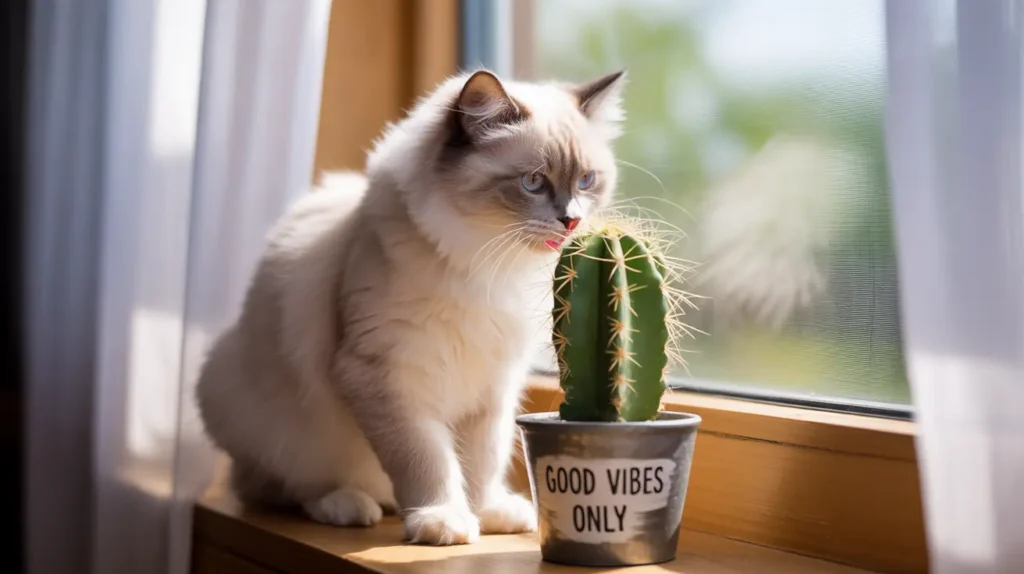
Imagine your home as a thriving oasis—lush, vibrant, and teeming with life. Yet nestled within this emerald sanctuary are cacti, the silent sentinels of the desert world, majestic and armored like nature’s own fortresses. Their spines, sharp as the quills of a porcupine, represent both beauty and danger. For your curious pets, these green titans can be tempting playgrounds or mysterious puzzles. Yet, without guidance, a single prick can puncture the harmony of your home’s ecosystem. Training your pets to steer clear of these succulent wonders is not just an act of protection, but a dance of trust, patience, and understanding. Here’s how to master this delicate choreography, transforming your curious companions into respectful admirers of the cactus kingdom.
Understanding the Cactus: Nature’s Thorny Guardian
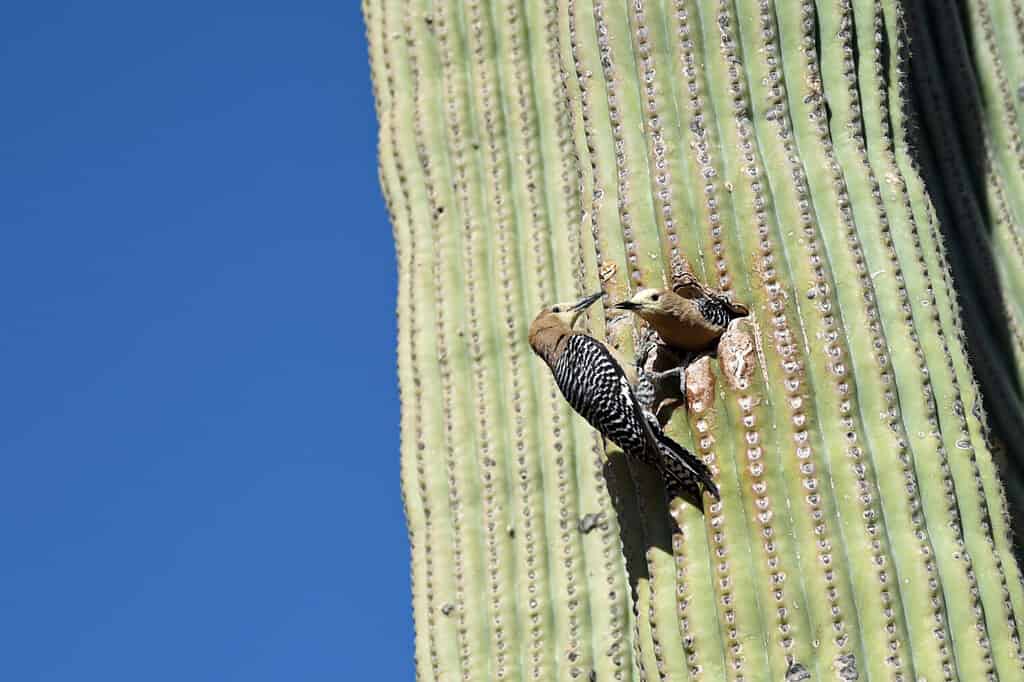
Cacti are not just decorative plants—they are living monuments to survival, equipped with formidable spines designed to repel intruders. To your pet, these spikes might appear as enticing textures or curious poking spots. Yet they conceal the latent danger of painful injuries or infections. Viewing the cactus as a regal sentinel rather than just a plant can help frame the importance of respect and cautious distance in your pet’s behavior.
By fostering this mindset, you’re setting the stage for your pet’s training to be both meaningful and effective.
Creating a Safety Perimeter: The Invisible Fence of Respect
Much like a moat around a medieval castle, establishing a clear boundary between your pet and the cactus is the first line of defense. This “invisible fence” is achieved through a combination of environmental management and behavioral cues. Start by positioning your cacti in areas that are less trafficked by your pets. High shelves, hanging planters, or rooms your pets seldom frequent reduce accidental encounters dramatically.
Next, use physical deterrents if necessary—barriers such as decorative glass panels or plant cages can reinforce the sanctuary around the cactus. However, the true magic unfolds when your pet internalizes the boundary.
Harnessing the Power of Positive Reinforcement
Pets are intelligent creatures, particularly adept at connecting actions with consequences. Use this trait to craft positive associations with avoiding cacti. When your pet naturally steers clear or obeys boundary commands, reward them with treats, affection, or playtime. These rewards become the currency of compliance—a negotiation understood in the language of noses and tails.
Consistency is pivotal. Regularly celebrate your pet’s cautious behavior. Over time, this positive feedback loop becomes a powerful motivator, transforming avoidance from a learned caution into a preferred practice.
Training Commands: The Lexicon of Safety
Language is your most potent tool. Teaching your pet clear verbal commands such as “leave it,” “back,” or “no” acts as immediate communication that halts unwanted behavior. Start training away from the cactus to avoid accidental harm. Use a favored toy or treat to draw their attention and practice these commands rigorously.
Gradually introduce the cactus into the training environment once your pet reliably responds. The goal is for your pet to instantly recognize these commands as red flags, halting curiosity before it leads to injury.

With repetition and encouragement, these commands weave into your pet’s behavioral fabric, creating a seamless dialogue of caution.
Redirecting Curiosity: Enriching Alternatives to the Prickly Temptation
Curiosity is the engine of exploration and learning, and pets are the quintessential adventurers. Instead of suppressing their inquisitive nature, channel it towards safer outlets. Designate play areas rich with interactive toys, sensory mats, or puzzle feeders to captivate their attention.
For example, offering catnip-infused toys or chew-safe bones provides engaging alternatives that satiate their need for tactile interaction. This is akin to giving a child a captivating book rather than letting them wander into forbidden territory. By fulfilling your pet’s exploratory urges with enriching distractions, the cactus loses its allure.
Regular Supervision and Health Checks: Guardians of Well-being
Despite your best training efforts, accidents can happen. Vigilance remains the cornerstone of safety. Regularly supervise interactions between your pets and any plant life. Be alert to signs of discomfort such as pawing at the face, licking unusual spots, or limping—all indicators of potential cactus spine injuries.
If a spine does lodge in your pet’s skin, prompt and careful removal is crucial. Sterilizing tweezers and calming your pet can ease the process. Follow up with veterinary care if spines penetrate deeply or cause infection. Prevention is ideal, but preparedness ensures swift recovery should mishaps occur.
Embracing the Journey: Patience and Persistence
Like taming a wild garden of behavior, training pets to avoid cacti demands patience and unwavering persistence. Setbacks are natural. Pets may test limits as if rehearsing for a grand performance. Celebrate small victories and maintain a calm demeanor. Your steady guidance will instill confidence and understanding.
Along this journey, your bond with your pet deepens, weaving a tapestry of trust where boundaries become invisible bridges rather than walls. Your home remains a flourishing oasis—safe for the spiny sentinels and the playful explorers alike.

In the end, training your pets to respect cacti transcends mere prevention. It is a celebration of coexistence—with respect, curiosity, and safety thriving side by side.
FAQ
Why is it important to train pets to avoid cacti?
Training pets to avoid cacti prevents painful injuries from sharp spines that can cause punctures, infections, or discomfort.
What are effective methods to keep pets away from cacti?
Effective methods include creating physical barriers, placing cacti in less accessible areas, and using positive reinforcement with commands and rewards.
What should I do if my pet gets pricked by a cactus spine?
Carefully remove the spines with sterilized tweezers, monitor for infection, and seek veterinary care if the injury is severe.
Can curiosity in pets be redirected away from cacti?
Yes, providing safe alternatives like interactive toys and designated play areas helps redirect pets’ curiosity away from dangerous plants.





Leave a Reply