
Short Answer
In the vast, sun-scorched expanses of the Americas, where the earth meets the sky in a dance of resilience, cacti stand as silent sentinels of endurance. These spiny wonders, often dismissed as mere desert adornments, harbor a profound legacy of healing—one that stretches back millennia and weaves through cultures, science, and modern wellness practices. From the sacred peyote buttons of indigenous rituals to the humble prickly pear gracing grocery shelves, cacti are far more than prickly oddities; they are botanical alchemists, transforming adversity into vitality. Their healing properties, both ancient and scientifically validated, invite us to reconsider these plants not as obstacles in the landscape but as allies in our pursuit of health and harmony.
The Sacred and the Scientific: A Dual Legacy of Healing
To understand the healing power of cacti, one must first acknowledge their dual role as both sacred symbols and scientific marvels. Indigenous cultures across the Americas have revered cacti for centuries, embedding them in spiritual practices and medicinal traditions. The peyote cactus (*Lophophora williamsii*), for instance, is not merely a plant but a sacrament, its mescaline-rich buttons used in rituals to induce visions, foster community, and heal the soul. Similarly, the San Pedro cactus (*Echinopsis pachanoi*), with its towering, ribbed columns, has been a conduit for shamanic journeys in Andean cultures, believed to bridge the earthly and spiritual realms.
Yet, beyond the mysticism lies a trove of empirical evidence. Modern research has unveiled the biochemical prowess of cacti, revealing compounds that combat inflammation, regulate blood sugar, and even protect neural pathways. The prickly pear, for example, is a powerhouse of antioxidants, its vibrant pads and fruits brimming with flavonoids and betalains that neutralize free radicals. This fusion of ancient wisdom and contemporary science underscores a profound truth: cacti are not relics of the past but living pharmacies, their healing potential as relevant today as it was to the Aztecs or the Native American tribes of the Southwest.
Peyote: The Psychedelic Healer of Body and Mind
Few plants have sparked as much intrigue—or controversy—as peyote. This small, spineless cactus, native to the Chihuahuan Desert, has been a cornerstone of healing ceremonies for over 5,000 years. Its primary psychoactive compound, mescaline, induces a state of heightened awareness, often described as a waking dream where time dissolves and the mind expands. But peyote’s healing extends far beyond the psychedelic experience. Studies have shown that mescaline, when used in controlled settings, can alleviate symptoms of depression, anxiety, and PTSD by promoting neuroplasticity—the brain’s ability to rewire itself. It fosters a sense of interconnectedness, a reminder that we are not isolated beings but threads in the tapestry of life.
Yet, the healing power of peyote is not solely chemical. The ritualistic context in which it is consumed is equally transformative. In Native American Church ceremonies, peyote is more than a substance; it is a teacher, a guide, and a sacred ally. The communal setting, the prayers, and the respect for tradition amplify its effects, turning a simple cactus into a catalyst for emotional and spiritual renewal. This holistic approach—where plant, people, and purpose converge—highlights a critical insight: healing is not merely biochemical but deeply relational.
Prickly Pear: The Desert’s Nutritional Powerhouse
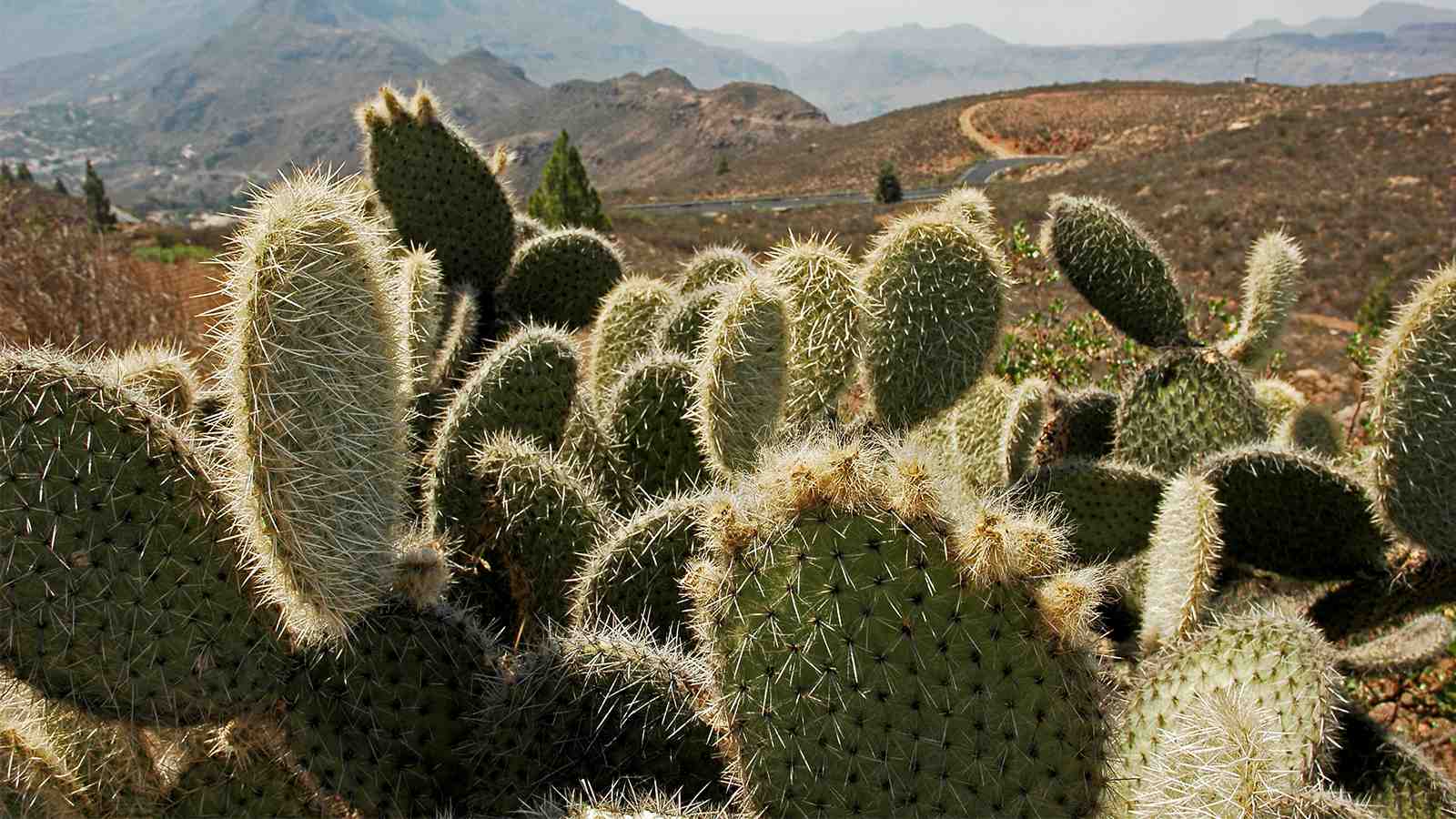
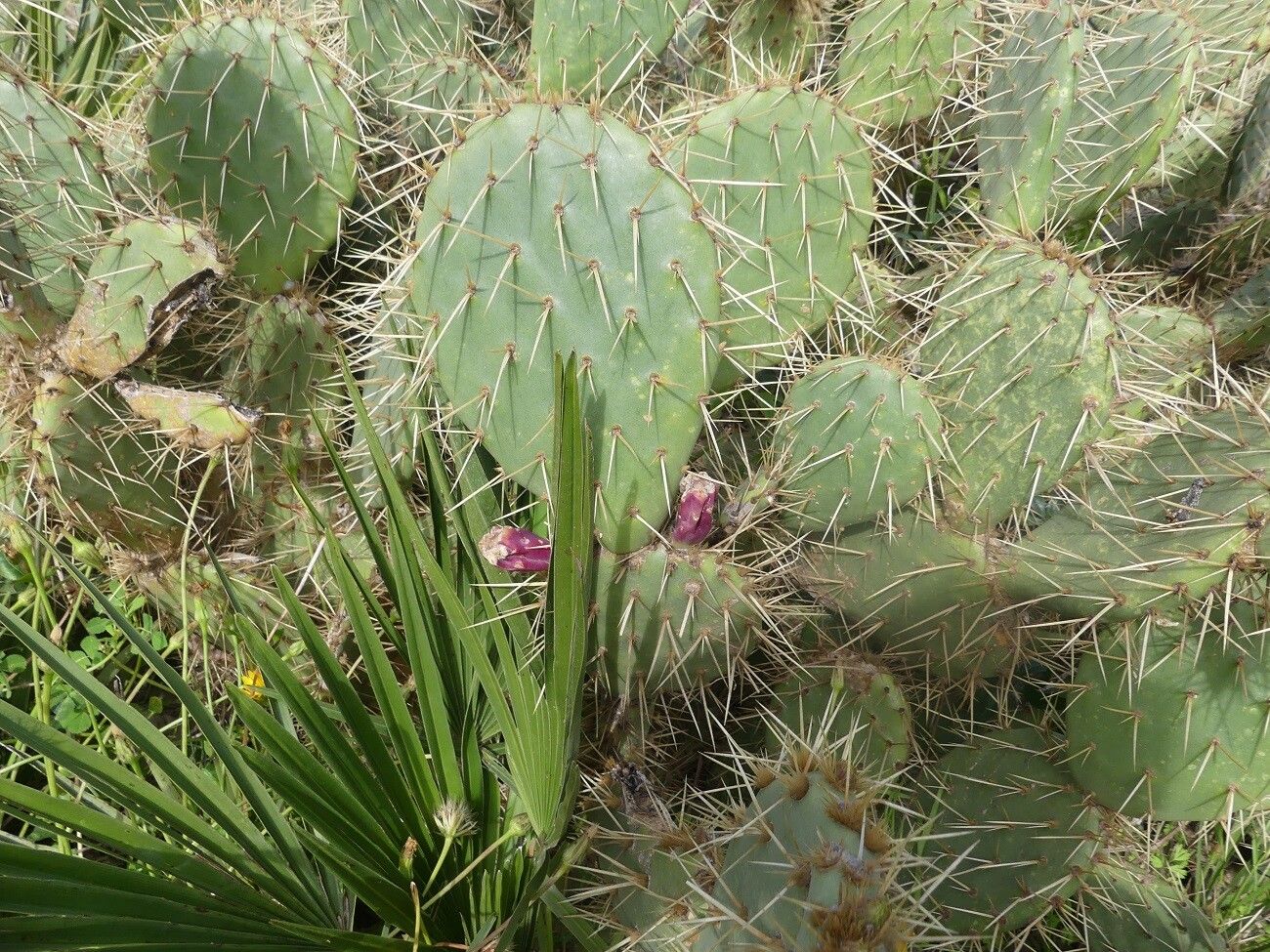
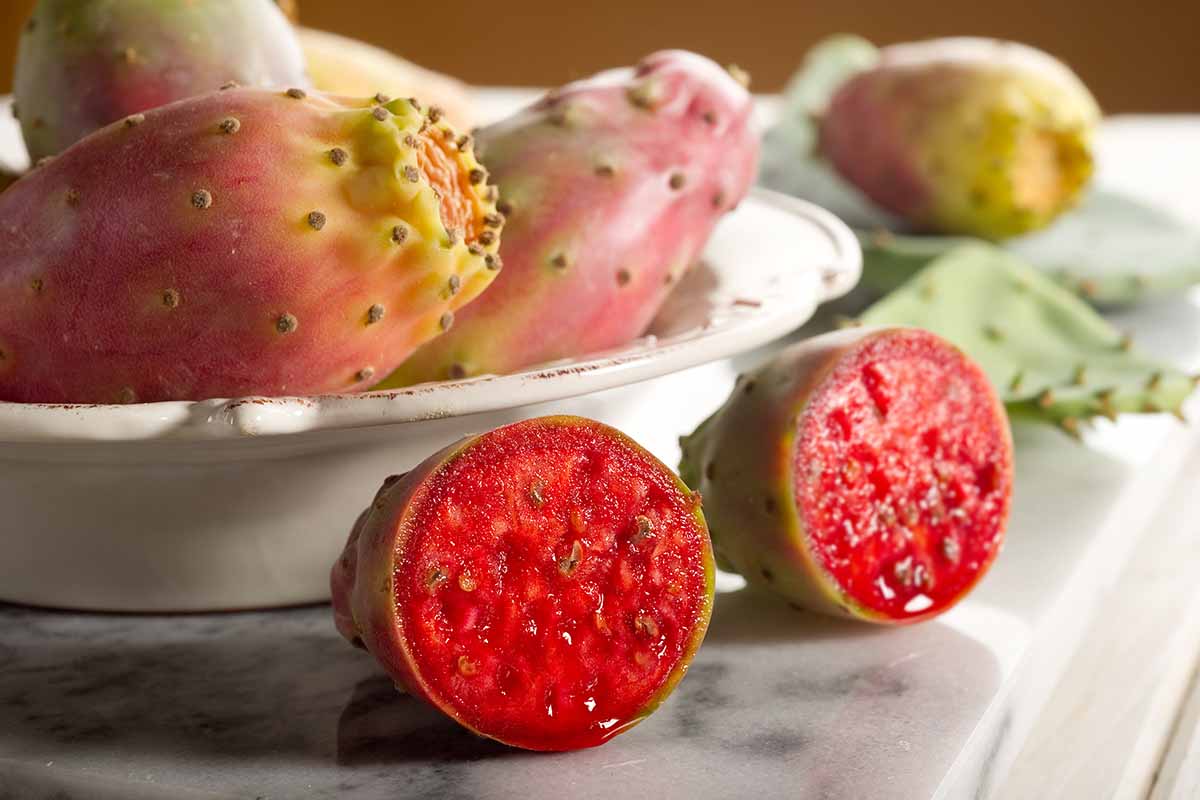
While peyote commands attention for its psychedelic allure, the prickly pear (*Opuntia* spp.) quietly revolutionizes modern wellness with its edible bounty. This ubiquitous cactus, with its flat, paddle-shaped pads and ruby-red fruits, is a culinary and medicinal treasure trove. The pads, or nopales, are rich in fiber, vitamin C, and magnesium, making them a staple in Mexican cuisine and a boon for digestive health. They regulate blood sugar levels, a property that has earned them a place in diabetes management, and their high mucilage content soothes gastrointestinal inflammation.
The fruits, or tunas, are no less impressive. Bursting with betalains—pigments that give them their vibrant hue—these fruits are potent anti-inflammatory agents. Research suggests that prickly pear extract can reduce oxidative stress, lower cholesterol, and even protect the liver from alcohol-induced damage. In traditional Mexican medicine, the fruit is used to treat wounds, burns, and even hangovers, a testament to its versatility. What makes the prickly pear so remarkable is its adaptability; it thrives in arid conditions where most plants perish, yet it offers a bounty of nutrients that sustain life. This paradox—of scarcity yielding abundance—mirrors the resilience it inspires in those who consume it.
Cacti in Modern Medicine: From Folk Remedy to Clinical Breakthrough
The journey of cacti from folk remedies to clinical interventions is a testament to the enduring power of traditional knowledge. Today, scientists are isolating and synthesizing compounds from cacti to develop cutting-edge therapies. For instance, the alkaloid trigonelline, found in the San Pedro cactus, is being studied for its potential to treat neurodegenerative diseases like Alzheimer’s. Its ability to inhibit the aggregation of amyloid plaques—a hallmark of the condition—has opened new avenues for research. Similarly, the prickly pear’s mucilage is being explored as a natural alternative to synthetic laxatives, offering a gentler, plant-based solution for digestive ailments.
Even the spines of cacti, often seen as mere nuisances, are revealing their secrets. Recent studies have shown that the silica-based spines can be ground into a fine powder to create biodegradable scaffolds for tissue engineering. These scaffolds, when implanted in the body, promote cell growth and wound healing, offering a sustainable alternative to synthetic materials. This innovation underscores a broader trend: cacti are not just sources of medicine but models of sustainability, their structures optimized by evolution to solve problems we are only now beginning to understand.
The Cultural Psyche: Why Cacti Fascinate Us
The enduring fascination with cacti transcends their practical uses; it speaks to a deeper, almost primal connection between humans and the natural world. Cacti embody paradoxes that resonate with our own existence: they are both forbidding and nurturing, alien yet familiar, fragile in appearance yet indomitable in spirit. Their ability to thrive in the harshest conditions—where water is scarce and temperatures soar—mirrors the human capacity to endure adversity. This resilience, combined with their healing properties, makes them symbols of hope and transformation.
Moreover, cacti challenge our perceptions of beauty. In a world that often equates attractiveness with softness and symmetry, the cactus stands defiantly with its sharp spines and irregular forms. Yet, this very “ugliness” is what makes it compelling. It reminds us that beauty is not monolithic but multifaceted, that what repels can also heal. This duality is perhaps why cacti appear so frequently in art, literature, and folklore—as metaphors for endurance, mystery, and the unexpected gifts hidden in the unlikeliest of places.
Cultivating Connection: How to Harness Cacti’s Healing Power
Incorporating cacti into your wellness routine doesn’t require a pilgrimage to the desert or a deep knowledge of shamanic practices. The prickly pear, in particular, is accessible to most people. Its pads can be grilled, sautéed, or blended into smoothies, while its fruits can be juiced or eaten fresh. For those interested in its medicinal properties, prickly pear supplements—available in powder, capsule, or extract form—offer a convenient way to reap its benefits. Start with small doses to assess tolerance, as the high fiber content may cause digestive adjustments.
For a more immersive experience, consider growing your own cacti. Beyond their aesthetic appeal, tending to a cactus can be a meditative practice, a reminder of patience and persistence. The act of nurturing a plant that thrives on neglect can be profoundly grounding, a metaphor for self-care in a fast-paced world. Whether you’re sipping a prickly pear smoothie, exploring the therapeutic potential of peyote in a guided ceremony, or simply admiring a cactus on your windowsill, you’re engaging with a tradition that spans millennia—a tradition that reminds us that healing is not just about the body but about reconnecting with the rhythms of the natural world.
As the sun sets over the desert, casting long shadows across the spiny silhouettes of cacti, one can’t help but feel a sense of awe. These plants, so often overlooked, are in fact master healers, alchemists of the arid world, and guardians of ancient wisdom. Their story is one of transformation—of turning barren landscapes into oases of nourishment, of converting hardship into healing. In a time when modern medicine often feels disconnected from nature, cacti offer a reminder: the answers we seek may already be growing beneath the scorching sun, waiting patiently for us to listen.
FAQ
What are the main healing properties of peyote?
Peyote contains mescaline which can promote neuroplasticity, alleviate depression, anxiety, PTSD, and is used in ritualistic contexts for spiritual healing.
How does prickly pear cactus benefit health?
Prickly pear helps regulate blood sugar, reduces inflammation, supports digestive health, and contains antioxidants that protect against oxidative stress.
Are cacti used in modern medical treatments?
Yes, compounds from cacti are under study for treating neurodegenerative diseases and as natural remedies for digestive issues and wound healing.
Can I consume prickly pear for wellness benefits?
Yes, prickly pear pads and fruits can be eaten raw, cooked, juiced, or taken as supplements, but start with small doses due to high fiber content.
Leave a Reply