
Short Answer
In the sun-scorched expanses of the Chihuahuan Desert, where the earth cracks under the relentless gaze of the sun, a plant thrives against all odds. Its name, Leuchtenbergia principis, whispers of aristocratic origins—bestowed in honor of a 19th-century German duke with a passion for botany. Yet this cactus, often called the “Agave Cactus” for its striking resemblance to the agave’s rosette of blue-green leaves, is no mere ornamental curiosity. It is a living testament to evolutionary ingenuity, a botanical marvel that has mastered the art of survival in one of Earth’s most unforgiving climates. But beneath its rugged exterior lies a story of fragility, a silent plea for conservation in an era of rapid environmental change.
The Enigma of the Desert’s Rosette: What Makes Leuchtenbergia Stand Out?
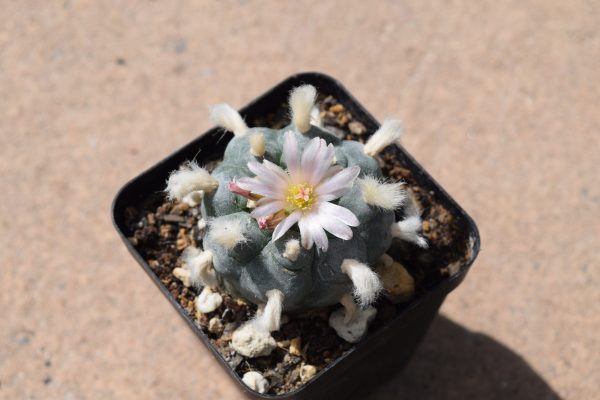
At first glance, Leuchtenbergia principis could be mistaken for a succulent hybrid—part cactus, part agave—until its true identity reveals itself. Its long, tapering tubercles, arranged in a spiral pattern, radiate from a central crown like the spokes of a wagon wheel. Each tubercle ends in a papery, triangular spine that glows in hues of pale yellow or reddish-brown, giving the plant an almost skeletal elegance. Unlike the ribbed columns of its columnar cactus cousins, Leuchtenbergia’s structure is a marvel of geometric precision, a Fibonacci spiral frozen in time.
What truly sets this species apart, however, is its dual defense system. While most cacti rely solely on spines for protection, Leuchtenbergia wields an additional weapon: a thick, waxy cuticle that shields its flesh from the sun’s scorching rays. This adaptation is not merely cosmetic—it’s a physiological fortress. The waxy layer reflects up to 90% of incoming solar radiation, preventing the plant from overheating in temperatures that would wither lesser species. Yet, this very resilience masks a vulnerability. The same spines that deter predators also make the plant a target for collectors, their rarity inflating demand in the black market of exotic flora.
A Masterclass in Arid Adaptation: How Does It Survive Where Others Perish?
The Chihuahuan Desert is a place of extremes—blistering days and frigid nights, torrential downpours followed by years of drought. Leuchtenbergia has evolved to dance with these contradictions. Its root system, a sprawling network of shallow, fibrous roots, fans out just beneath the surface, ready to absorb the briefest shower. Unlike deep-rooted plants that chase water tables, Leuchtenbergia thrives on ephemeral moisture, its roots absorbing dew and mist with the efficiency of a desert nomad.
But the most astonishing adaptation lies in its photosynthetic strategy. Most plants open their stomata—tiny pores for gas exchange—during the day, risking water loss. Leuchtenbergia, however, practices crassulacean acid metabolism (CAM), a metabolic sleight of hand that allows it to photosynthesize at night. By storing carbon dioxide as malic acid and converting it to energy during daylight, it minimizes water loss in the scorching heat. This nocturnal alchemy is the reason Leuchtenbergia can endure where other plants would succumb to dehydration.
Even its spines play a dual role. Beyond defense, they create a microclimate around the plant, trapping moisture and reducing airflow to shield the stem from desiccation. In this way, Leuchtenbergia doesn’t just tolerate the desert—it reshapes the desert around itself, a botanical architect of arid resilience.
The Paradox of Rarity: Why Is This Cactus So Hard to Find?
Despite its evolutionary prowess, Leuchtenbergia principis is a rarity in the wild. Its natural habitat is fragmented, confined to a handful of rocky outcrops in northern Mexico and southern Texas. The plant’s slow growth—it may take a decade to reach maturity—makes it an unlikely candidate for rapid propagation. Worse, its striking appearance has made it a trophy for succulent enthusiasts, its collection often leading to habitat destruction.
The irony is stark: a plant that thrives in scarcity is itself becoming scarce. Illegal digging, habitat degradation from livestock grazing, and climate change—shifting rainfall patterns and rising temperatures—threaten its existence. Unlike more common cacti, Leuchtenbergia cannot rebound quickly from exploitation. Each plant represents decades of patient adaptation, a living archive of desert survival strategies.
Conservation efforts are underway, but they face an uphill battle. Reintroduction programs struggle with the plant’s slow reproductive cycle, and legal protections are often flouted in the shadowy trade of rare succulents. The challenge is not just preserving a species, but safeguarding a blueprint of resilience that could inspire future agricultural and ecological innovations.
Cultural and Horticultural Significance: More Than Just a Pretty Face
Leuchtenbergia’s allure extends beyond its ecological role. In Mexican folk traditions, cacti are often seen as guardians of the land, their spines a barrier against malevolent spirits. The Agave Cactus, with its regal bearing, is sometimes planted near homes to ward off misfortune. Horticulturally, it has captivated collectors for its unique form, though its slow growth and specific care requirements make it a challenge to cultivate.
In the world of succulent hybridization, Leuchtenbergia has also played a role as a parent in experimental crosses, though its offspring rarely inherit its full splendor. Its genetic resilience makes it a potential candidate for drought-resistant crops, a living laboratory for scientists studying arid-land agriculture. Yet, its true value may lie not in its utility, but in its symbolism—a reminder that survival is not about brute strength, but about ingenuity and patience.
The Silent Alarm: What the Decline of Leuchtenbergia Tells Us About Our Planet
The plight of Leuchtenbergia principis is a microcosm of a larger crisis. As climate change intensifies, deserts expand, and habitats shrink, species like this cactus face existential threats. Its decline is not just a loss for biodiversity—it’s a warning. The adaptations that have allowed Leuchtenbergia to thrive for millennia are now being outpaced by the speed of environmental change. Pollution, urban sprawl, and overharvesting are eroding the very conditions that shaped its existence.
Yet, there is hope. Conservationists are turning to innovative techniques, such as seed banking and tissue culture propagation, to preserve Leuchtenbergia’s genetic legacy. Citizen science projects encourage local communities to monitor wild populations, fostering a sense of stewardship. Even in the face of adversity, this cactus endures—a stubborn survivor in a world that often prioritizes speed over sustainability.
The story of Leuchtenbergia is not just about a plant. It’s about the fragility of life in extreme environments, the unintended consequences of human desire, and the quiet resilience of nature. In its papery spines and spiraling tubercles, we see a reflection of our own struggles—adapting, enduring, and ultimately, hoping for a future where such marvels are not confined to the pages of history.

The Agave Cactus stands as a sentinel of the desert, its waxy armor and nocturnal photosynthesis a testament to nature’s ingenuity. Yet its future hangs in the balance, a delicate balance between admiration and exploitation.
FAQ
What distinguishes Leuchtenbergia from other cacti?
Its spiral arrangement of long tubercles ending in papery spines and a thick waxy cuticle for solar protection set it apart.
How does Leuchtenbergia photosynthesize efficiently in the desert?
It uses CAM photosynthesis, opening stomata at night to minimize water loss during hot days.
Why is Leuchtenbergia principis difficult to cultivate?
Because it grows slowly, has specific care needs, and a long time to maturity.
What cultural significance does Leuchtenbergia hold?
In Mexican folk traditions, it is planted near homes to ward off misfortune.
What threats contribute to the decline of Leuchtenbergia?
Illegal collection, habitat degradation, livestock grazing, and climate change.
Leave a Reply