
Short Answer
Ever gazed at a sunbaked desert and wondered, “How do I bottle that rugged, sun-kissed charm for my own backyard?” What if I told you that crafting a cactus rock garden isn’t just a weekend project—it’s a miniature odyssey into the wild, where spiky sentinels stand guard over pebbled pathways and sun-warmed stones whisper tales of arid lands? But here’s the twist: without the right strategy, your garden might end up looking like a cactus graveyard rather than a thriving oasis. Fear not! This step-by-step guide will transform your space into a living tableau of desert splendor, where every stone and spine tells a story.
The Allure of the Cactus Rock Garden: Why It Captivates the Soul
There’s something primal about a cactus rock garden—it’s a rebellion against the ordinary. These gardens don’t just sit there; they breathe. The juxtaposition of sharp, architectural cacti against the smooth, time-worn rocks creates a visual symphony that’s equal parts rugged and refined. But the magic doesn’t stop at aesthetics. Cactus gardens are the ultimate low-maintenance rebels. They thrive on neglect, demand little water, and reward you with year-round drama. Imagine a landscape that asks for so little yet gives back so much—a living sculpture that evolves with the seasons. The challenge? Balancing their bold personalities with the subtlety of your chosen stones. Too many cacti, and your garden becomes a spiky jungle. Too few, and it loses its soul. The secret lies in curation, a dance between variety and harmony.
Choosing Your Desert Dwellers: Picking the Perfect Cacti
Not all cacti are created equal. Some stretch skyward like sentinels, while others sprawl like rebellious teenagers. Your first task is to curate a cast of characters that will play well together. Start with a mix of shapes and sizes: the towering Saguaro for drama, the squat Golden Barrel for structure, and the delicate Prickly Pear for texture. But here’s where it gets tricky—cacti have personalities. Some are sun-worshippers, while others prefer the dappled shade of a nearby rock. Research is key. Pair sun-lovers like Echinocactus grusonii with shade-tolerant Mammillaria species, and suddenly, your garden becomes a dynamic stage where every plant has its moment in the spotlight. And don’t forget the colors! From the electric pink of Gymnocalycium to the muted blues of Ferocactus, your palette is limited only by your imagination.
Rocks: The Unsung Heroes of Your Desert Masterpiece
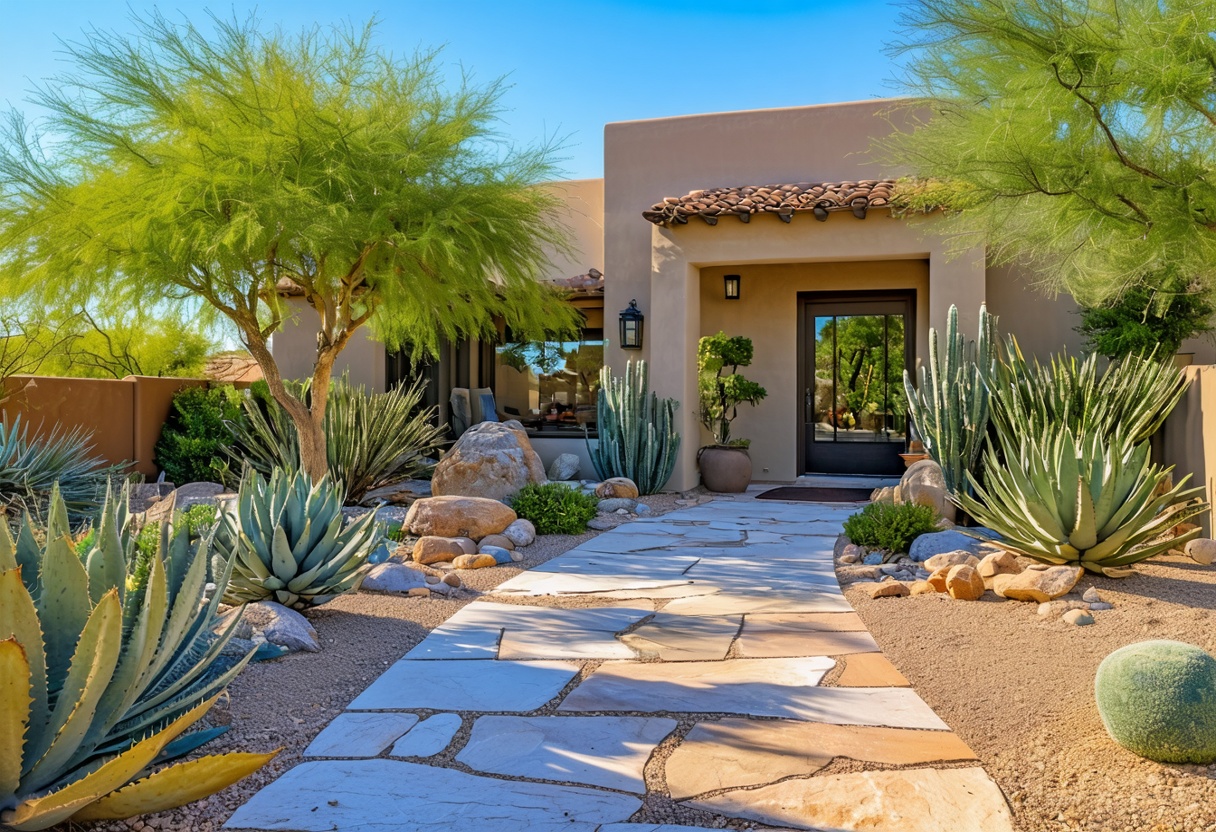
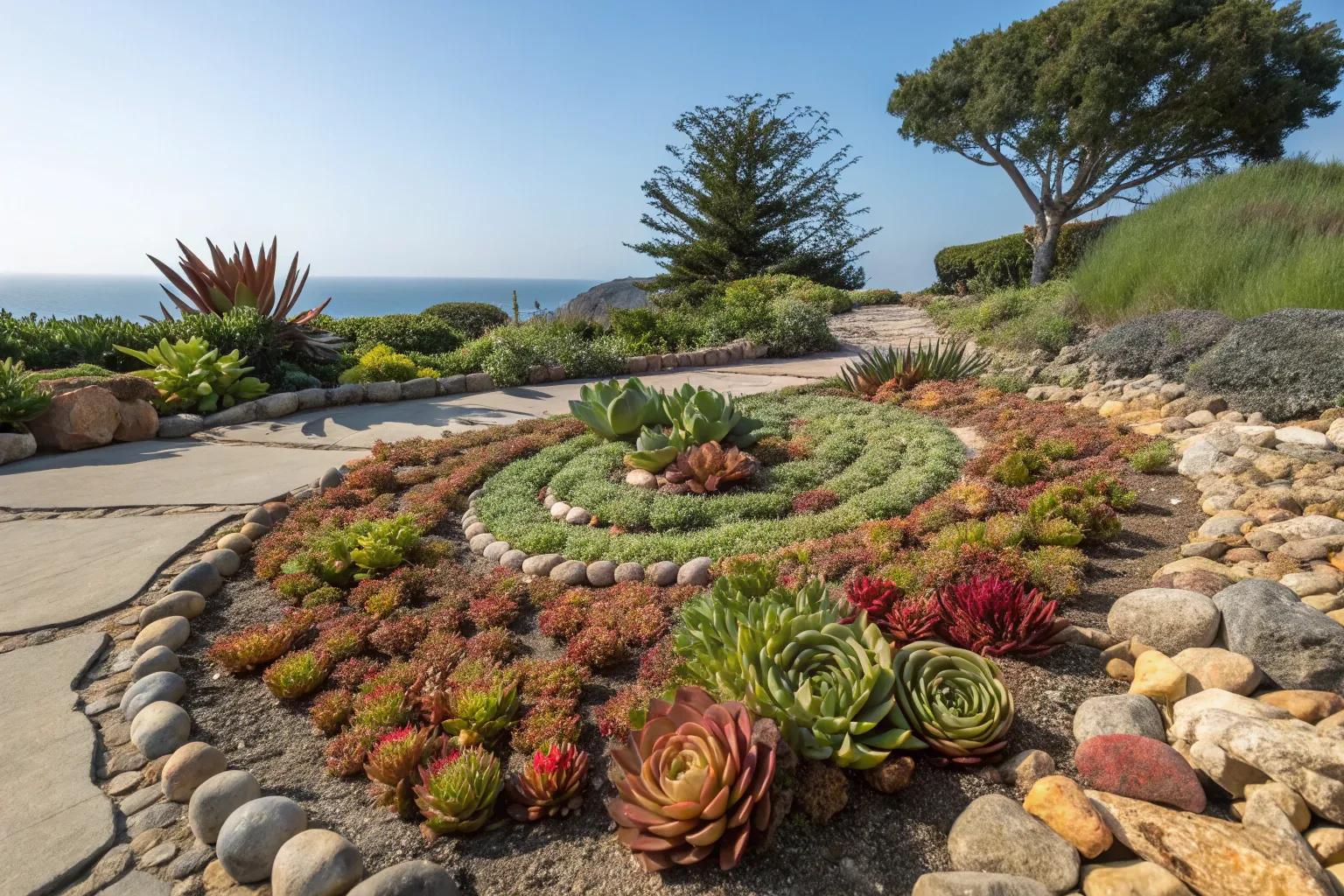
If cacti are the stars, then rocks are the supporting cast—they set the stage, define the mood, and add depth. But not all rocks are created equal. Your choices here will dictate the entire vibe of your garden. For a rugged, natural look, opt for irregularly shaped stones with weathered edges. These will mimic the untamed beauty of a desert wash. Prefer something more refined? Smooth river rocks or stacked limestone can lend a Zen-like tranquility. The key is texture and contrast. Pair a jagged basalt boulder with the soft curves of a sandstone slab, and suddenly, your garden feels alive. And don’t forget the smaller pebbles! A scattering of gravel or decomposed granite can tie the whole composition together, creating a seamless transition between plants and hardscape.
Designing Your Oasis: Layout and Composition Secrets
Now comes the fun part—arranging your elements like a master painter. Start by sketching a rough layout. Will your garden be a sweeping vista or a cozy nook? Will it be symmetrical, like a formal French garden, or wildly asymmetrical, like a desert after a storm? The latter is often more engaging. Place your tallest cacti at the back, medium-height varieties in the middle, and low-growing species at the front. This creates a sense of depth and movement. But here’s the challenge: avoiding a “planted in rows” look. Instead of lining up your cacti like soldiers, stagger them. Let them lean into each other, as if whispering secrets. Use rocks to create natural barriers or pathways, guiding the eye through the garden like a meandering desert trail. And don’t be afraid to leave some breathing room—negative space is just as important as the plants themselves.
Soil and Drainage: The Foundation of a Thriving Garden
Cacti aren’t divas, but they do have one non-negotiable demand: drainage. Plant them in heavy, moisture-retentive soil, and you’ll soon be attending a funeral for your beloved succulents. The solution? A gritty, fast-draining mix. Combine equal parts potting soil, coarse sand, and perlite or pumice. For an extra boost, add a handful of crushed granite or turface. This blend mimics the cacti’s native habitats, where water drains away quickly, leaving roots dry and happy. If your garden is in a container, ensure it has ample drainage holes. For in-ground gardens, consider raising the beds slightly to prevent waterlogging. And here’s a pro tip: top-dress with a layer of gravel or small pebbles. This not only enhances the aesthetic but also prevents soil splashing onto your plants during rain, keeping them pristine.
Planting with Precision: The Art of Transplanting Cacti
Handling cacti is a bit like defusing a bomb—one wrong move, and you’re in for a world of hurt. Always wear thick gloves or use tongs to protect your hands. Gently remove the cactus from its pot, teasing apart any tangled roots. If the roots are circling, give them a little trim to encourage outward growth. Dig a hole in your prepared soil that’s just deep enough to accommodate the root ball. Place the cactus in the hole, ensuring it sits at the same depth it was in its original container. Backfill with your gritty mix, pressing lightly to secure it. Avoid compacting the soil too much—cacti like their space. For the first week, keep the soil slightly moist to help the roots establish, then taper off to a strict watering schedule. And remember: patience is key. Some cacti may sulk for a few weeks before they bounce back.
Watering Wisdom: Quenching Thirst Without Drowning Your Garden
Cacti are the ultimate survivors, but even they have limits. Overwatering is the fastest way to send them to an early grave. The rule of thumb? Water deeply but infrequently. During the growing season (spring and summer), aim for a thorough soak every 2-3 weeks, adjusting based on rainfall and temperature. In winter, when cacti enter dormancy, cut back to once a month or less. The best time to water? Early morning, so excess moisture evaporates before the heat of the day. And here’s a little-known trick: water from below. Place your pots or garden beds in a shallow tray of water for 10-15 minutes, allowing the roots to drink up what they need without saturating the soil. This method prevents the dreaded “wet feet” that can lead to root rot.
Maintenance: Keeping Your Garden Alive and Thriving
A cactus rock garden isn’t a “set it and forget it” project. It’s a living, breathing entity that requires occasional TLC. Start by removing dead or damaged pads and spines—these not only detract from the beauty but can also harbor pests. Inspect your plants regularly for signs of trouble, like discolored spots or webbing (a telltale sign of spider mites). If you spot pests, act fast. A blast of water or a dab of neem oil can evict them without harsh chemicals. Pruning is another essential task. Some cacti, like Opuntia species, can become unruly over time. Use clean, sharp shears to trim back overgrown pads, and don’t be afraid to propagate the cuttings—they’ll make great gifts for fellow plant enthusiasts. And finally, keep an eye on your rocks. Over time, they may accumulate dust or algae. A quick rinse with a hose or a gentle scrub with a soft brush will keep them looking fresh.
Seasonal Considerations: Adapting Your Garden Year-Round
Your cactus rock garden isn’t static—it’s a dynamic entity that changes with the seasons. In spring, watch for new growth and adjust your watering schedule accordingly. Summer is all about heat management. If temperatures soar above 90°F (32°C), provide some afternoon shade to prevent scorching. A light-colored fabric or a strategically placed umbrella can work wonders. Fall is the perfect time to reassess your layout. As plants grow, they may outgrow their spots, so don’t hesitate to rearrange them. Winter brings its own challenges. In colder climates, protect tender cacti with frost cloth or move potted specimens indoors. And don’t forget to clear fallen leaves promptly—wet foliage can smother your plants and invite rot. With each season, your garden will evolve, offering new surprises and delights.
Final Flourishes: Adding Personality to Your Desert Retreat
The beauty of a cactus rock garden lies in its ability to reflect your personality. Want a touch of whimsy? Add a miniature windmill or a tiny ceramic gnome peeking out from behind a rock. Prefer a minimalist aesthetic? Keep it sleek with clean lines and monochromatic stones. Lighting can also transform your garden after dark. Solar-powered path lights or uplighting on a focal plant can create a magical glow. And don’t underestimate the power of scent. Pair your cacti with fragrant herbs like lavender or thyme to engage another sense. The possibilities are endless—your garden is a blank canvas, waiting for your creative touch.
FAQ
What types of cacti are best suited for a cactus rock garden?
Cacti with varied shapes and sizes like Saguaro, Golden Barrel, and Prickly Pear work well, along with both sun-loving and shade-tolerant species to create an engaging garden.
How should soil be prepared for planting cacti in a rock garden?
Use a gritty, fast-draining soil mix composed of equal parts potting soil, coarse sand, and perlite or pumice to mimic natural desert conditions and prevent root rot.
What is the best watering practice for cactus rock gardens?
Water deeply but infrequently, typically every 2-3 weeks during the growing season and less frequently during dormancy, watering early in the morning or from below to avoid overwatering.
How can I arrange rocks and cacti for an aesthetically pleasing garden?
Arrange tallest cacti at the back and shorter at the front in a staggered pattern, using rocks of differing textures and sizes to create natural barriers and pathways.
What ongoing maintenance does a cactus rock garden require?
Regularly remove dead or damaged parts, check for pests, prune as needed, and clean rocks to keep the garden healthy and visually appealing.

Leave a Reply