

Short Answer
Imagine a plant that effortlessly carves its niche amid rugged stones, transforming a mere rock garden into an extraordinary spectacle of texture and color. Enter the Arrojadoa, a captivating genus of slender, spiny cacti that beckons both seasoned gardeners and rockery novices alike to reconsider conventional desert landscaping. This is no ordinary succulent—it promises a shift in perspective, elevating rock garden design from functional to fascinating. Prepare to delve into the art and science of incorporating Arrojadoa into your rocky havens with design and placement strategies that awaken curiosity and inspire creativity.
The Allure of Arrojadoa in Rock Gardens
Arrojadoa stands as a botanical paradox: delicate in appearance yet robust in resilience. Originating predominantly from Brazil’s arid landscapes, these vertical, columnar cacti boast slender stems often draped in a constellation of fine spines, evoking an almost ethereal presence. When nestled among rough-hewn rocks, their unusual silhouette provides a striking counterpoint to the monotony of stones, introducing vertical drama in a typically horizontal domain.
Beyond aesthetic appeal, Arrojadoa promises ecological symbiosis—its drought tolerance and minimal soil demands echo the very essence of xeriscaping principles. This species revitalizes rock gardens by serving as a beacon for pollinators, inviting hummingbirds and insects with its occasional bright blossoms. The result is a dynamic, living tableau that pulses quietly amid the jagged edges.
Choosing the Perfect Location: Microclimate Matters
Not all rocky nooks are created equal. To optimize Arrojadoa’s performance and longevity, one must appreciate subtle microclimatic nuances within the garden space. Arrojadoa thrives under bright, filtered sunlight but can be scorched by relentless, direct rays during the hottest part of the day. Choosing a site with morning sun and afternoon shade mimics their natural understory environment beneath sparse canopies.
Furthermore, rock gardens often vary in moisture retention and wind exposure. Positioning Arrojadoa in a locale with excellent drainage is paramount—waterlogged roots are the death knell for these cacti. The porous nature of rock substrates usually aids this, but proximity to water runoff areas should be avoided to prevent soggy conditions. Additionally, windbreaks created by larger stones or nearby plants can shield these slender natives from desiccating gusts without compromising airflow.

Design Synergy: Complementing Textures and Forms
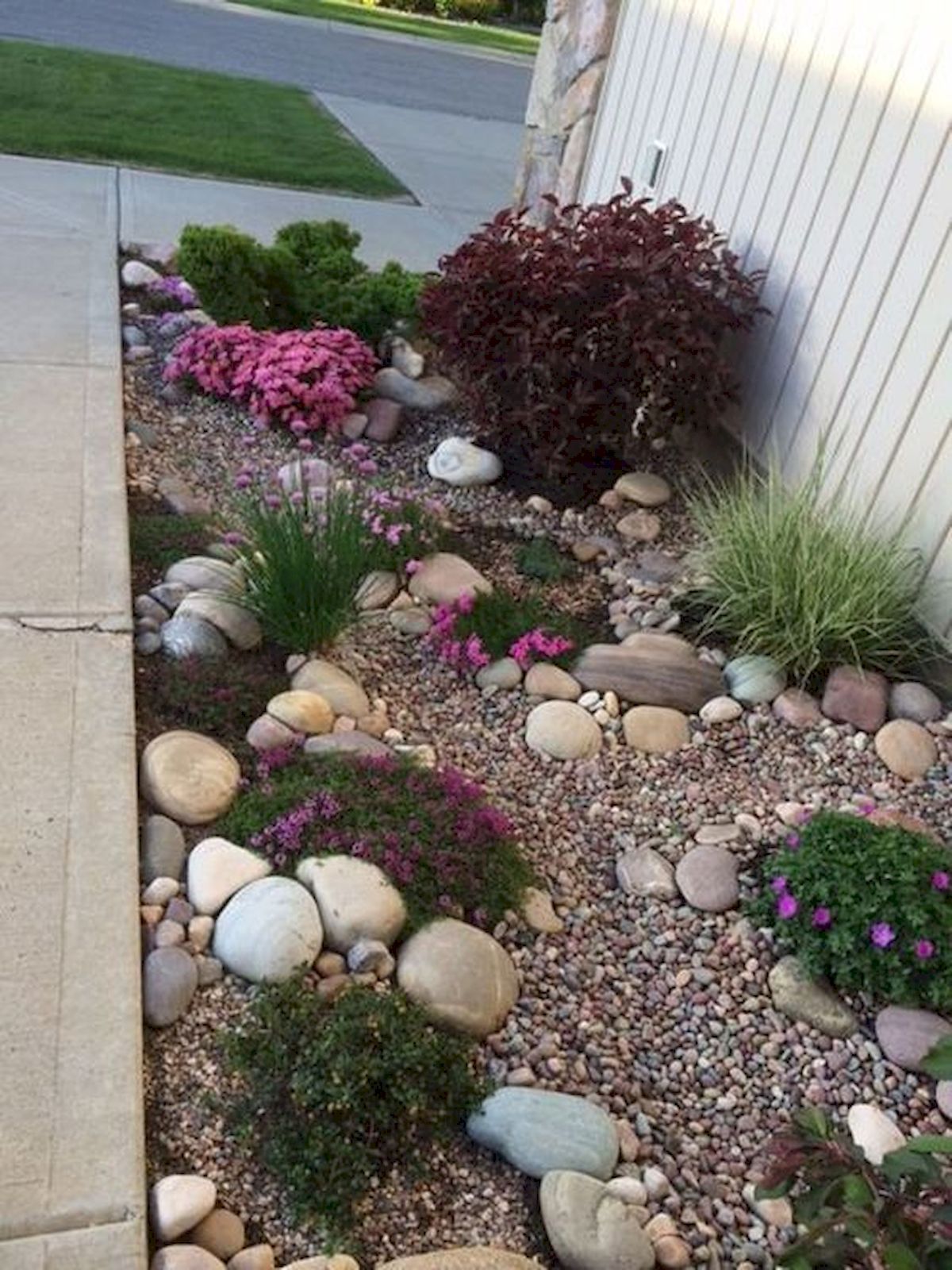
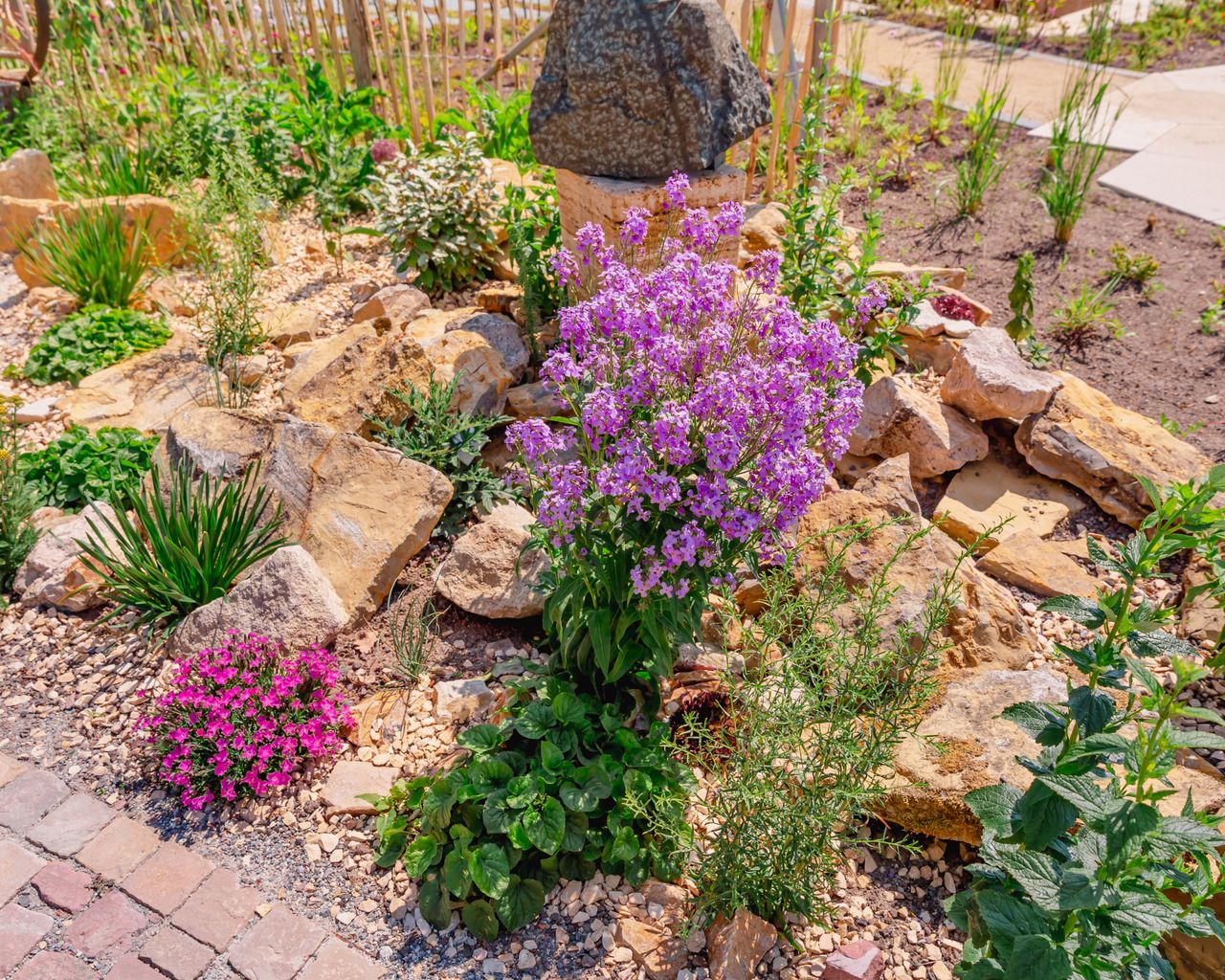
The magic of rock garden design is in juxtaposition—fusing elements of hardness with softness, sharpness with smoothness, verticality with horizontal sprawl. Arrojadoa’s statuesque, almost architectural form lends itself exquisitely to this design dialogue. Pairing these cacti with broad-leaved succulents such as agave or echeveria accentuates their lace-like spines, while spreading ground covers like sedum create a living carpet that contrasts with the cactus’ elevation.
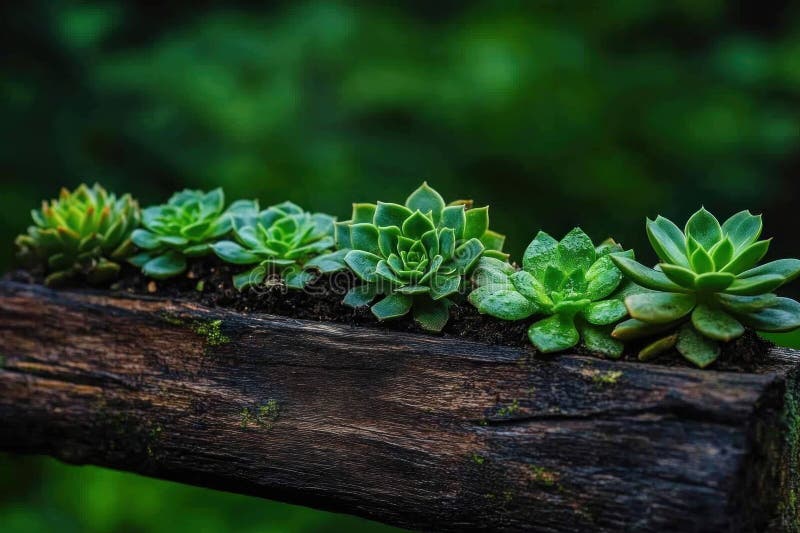
Consider grouping multiple Arrojadoa specimens to create a miniature “forest” of slender green sentinels, varying their heights and orientations to simulate natural growth patterns. Alternatively, positioning a solitary specimen on a prominent mound or outcrop allows it to dominate the vista, drawing the eye upward and outward. The incorporation of weathered driftwood or rusted metal sculptures nearby can further amplify the desert-inspired narrative.
Soil Composition and Planting Techniques
At first blush, rocks and Arrojadoa seem perfectly paired, yet the subterranean story requires meticulous attention. These cacti demand a soil amalgam that marries grit with nutrients—too much organic matter breeds moisture retention; too little starves the roots. An ideal medium blends coarse sand, fine gravel, and a hint of well-aged compost, fostering rapid drainage and aeration.
When planting, excavate a hole slightly deeper than the root mass, ensuring the base aligns flush with the surrounding soil to prevent water pooling around the stem. Introducing a layer of crushed rock at the bottom enhances subsurface drainage—a deceptively simple step that heralds healthy growth. Post-placement, tamp gently to eliminate air pockets, then water sparingly to encourage root establishment without drowning.
Maintenance and Care: Embracing Minimalism
One of Arrojadoa’s greatest charms is its low-maintenance personality—an attribute ideally suited to rock gardens famed for their naturalistic ethos. Watering should mirror dry spells typical to desert environs. During peak growing seasons, a deep soak every two to three weeks suffices; reduce frequency drastically in cooler months to ward off root rot.
Fertilization is a whispered affair. Use a diluted, cactus-specific feed once or twice during the spring and summer to invigorate blooms and overall health. Pruning is rarely necessary, yet removing damaged or overly elongated stems keeps the form elegant.
Seasonal Considerations and Frost Protection
Though hardy in dry conditions, Arrojadoa is sensitive to frost and prolonged cold. In climates with winter chills, situating the cactus near south-facing walls or under partial cover shields it from freezing winds. Mulching lightly with inorganic materials such as gravel ensures protection without moisture retention. In colder zones, consider potted Arrojadoa that can be relocated indoors during winter’s harshest spells.
Inviting Curiosity: The Blooming Enigma of Arrojadoa
There is an almost mystical element to Arrojadoa’s flowering—unexpected, fleeting, yet unforgettable. Their delicate, tubular blossoms typically emerge in spring or early summer, displaying hues ranging from creamy white to soft pink. These ephemeral flowers introduce an alluring contrast to the cactus’ spiny austerity, revealing a softer, almost secretive character.
Designing your rock garden to spotlight this bloom involves strategic placement near pathways or seating areas, inviting wonder and conversation. Observing these blossoms can transform an ordinary garden stroll into an intimate encounter with nature’s surprises.
Conclusion: Redefining Rock Garden Narratives with Arrojadoa
In the grand tapestry of rock gardening, Arrojadoa emerges as a narrative pivot—an architect of perspective that challenges traditional planting schemas. Its slender stature, textural intrigue, and ecological adaptability invite gardeners to rethink how rugged landscapes can pulse with subtle vitality. Whether woven into a sprawling xeriscape or highlighted as a solitary masterpiece, Arrojadoa promises more than mere visual appeal; it offers a story of resilience, elegance, and unexpected beauty amid the stones.
FAQ
What is Arrojadoa?
Arrojadoa is a genus of slender, columnar cacti native to Brazil, known for their vertical growth and fine spines.
Why is Arrojadoa good for rock gardens?
Due to their drought tolerance, minimal soil needs, and unique architectural form, Arrojadoa cacti enhance rock gardens aesthetically and ecologically.
How do I choose the right location for Arrojadoa?
Select a spot with bright, filtered morning sunlight, good drainage, and protection from harsh afternoon sun and strong winds.
What soil mix should I use for planting Arrojadoa?
Use a mix of coarse sand, fine gravel, and a small amount of aged compost to ensure good drainage and aeration.
How often should Arrojadoa be watered?
Water deeply every 2-3 weeks during active growth; reduce watering in cooler months to avoid root rot.
How can I protect Arrojadoa from frost?
Provide frost protection by placing near south-facing walls, using inorganic mulch like gravel, or moving potted plants indoors during winter.
Leave a Reply