

Short Answer
The arid landscapes of the American West have long been a cinematic canvas, where the humble cactus stands not merely as a botanical fixture but as a silent storyteller. In Western films, these spiky sentinels transcend their ecological role, morphing into potent symbols of resilience, isolation, and the untamed spirit of the frontier. Their presence on screen is never incidental; it is deliberate, laden with meaning that resonates with audiences long after the credits roll. From the sun-baked mesas of classic John Ford epics to the surreal dreamscapes of modern neo-Westerns, cacti have woven themselves into the visual and thematic fabric of the genre, offering layers of symbolism and aesthetic intrigue that elevate the storytelling to something far more profound than mere backdrop.
The Cactus as a Symbol of Resilience and Survival
In the harsh, unforgiving terrain of the Western frontier, survival is not a given—it is a daily triumph. The cactus, with its ability to thrive in conditions that would wither most other plants, embodies this unyielding spirit. Its thick, waxy skin and shallow but extensive root systems allow it to store water and endure prolonged droughts, a metaphor that filmmakers have exploited to underscore the tenacity of their protagonists. Consider the lone cowboy riding into the sunset, his silhouette framed against a field of saguaros, their arms outstretched like sentinels of endurance. This imagery is not just visually striking; it is a narrative shorthand for the human capacity to persevere in the face of adversity.
Films like Red River (1948) and The Searchers (1956) use cacti to reinforce the themes of survival and fortitude. In these classics, the cactus is often a recurring motif, appearing in moments of quiet reflection or as a silent witness to the trials of the characters. Its presence serves as a reminder that the land itself is a character—one that tests, shapes, and ultimately defines those who dare to call it home. The cactus, in this context, is not just a plant; it is a symbol of the indomitable will that defines the Western hero.
The Aesthetic Allure of Cacti in Cinematic Landscapes
Beyond their symbolic weight, cacti possess an undeniable aesthetic appeal that has made them a staple in the visual language of Western films. Their stark, geometric forms—whether the towering columns of the saguaro or the sprawling, pad-like arms of the prickly pear—create a striking contrast against the vast, open skies of the desert. This juxtaposition is not merely decorative; it is a deliberate compositional choice that enhances the film’s mood and atmosphere. The cactus, with its sharp edges and rugged texture, adds a sense of ruggedness and authenticity to the landscape, grounding the story in a tangible reality.
Cinematographers often use cacti as visual anchors in their framing, employing them to lead the viewer’s eye through the frame or to create a sense of depth and scale. In films like Once Upon a Time in the West (1968), the cactus becomes a recurring visual motif, its presence subtly reinforcing the themes of isolation and the vastness of the frontier. The way the light dances off the spines of the cactus, casting intricate shadows on the ground, adds a layer of tactile realism that immerses the audience in the world of the film. It’s a testament to the power of visual storytelling, where even the most mundane elements of nature can become instruments of cinematic artistry.
Cacti as Metaphors for Isolation and Loneliness
The American West has long been mythologized as a place of boundless freedom, but it is also a place of profound isolation. The cactus, with its solitary stance in the desert, becomes a poignant symbol of this loneliness. Its presence on screen often coincides with moments of introspection or emotional distance, serving as a visual cue for the inner turmoil of the characters. In films like The Proposition (2005), the cactus is not just a backdrop; it is a silent participant in the narrative, its stark silhouette echoing the emotional desolation of the protagonists.
Consider the scene where a weary gunslinger pauses to rest beneath the shade of a lone cactus, its spines casting a jagged shadow on the ground. The image is loaded with meaning: the cactus, like the gunslinger, is a survivor, but it is also alone. This visual metaphor extends to the characters, who, despite their rugged individualism, are often haunted by a sense of alienation. The cactus, in this context, is not just a plant; it is a mirror held up to the human condition, reflecting the loneliness that comes with the pursuit of freedom and justice in an untamed land.
The Cactus in the Genre Evolution: From Classic Westerns to Neo-Westerns
The role of the cactus in Western films has evolved alongside the genre itself. In classic Westerns of the 1950s and 60s, cacti were often used as decorative elements, their presence enhancing the authenticity of the setting without necessarily carrying deeper symbolic weight. However, as the genre matured and began to explore more complex themes, the cactus took on a more nuanced role. In neo-Westerns like No Country for Old Men (2007) and Hell or High Water (2016), the cactus becomes a multifaceted symbol, representing not just resilience and isolation but also the encroachment of modernity on the frontier ethos.
In these modern films, the cactus often appears in stark contrast to the trappings of contemporary society—gas stations, highways, and suburban sprawl. This juxtaposition underscores the tension between the old West and the new, highlighting the ways in which the frontier spirit is being eroded by progress. The cactus, once a symbol of untamed wilderness, now stands as a relic of a bygone era, a reminder of what has been lost in the relentless march of time. This evolution in the cactus’s symbolic role reflects the genre’s own journey, from a celebration of rugged individualism to a meditation on the cost of progress.
Cacti in the Visual Language of Western Films: A Cinematic Bestiary
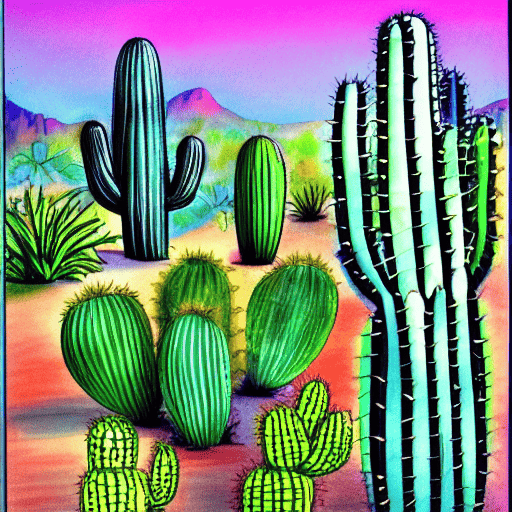
To fully appreciate the role of cacti in Western films, it is helpful to categorize them by their cinematic functions. The saguaro, with its towering, columnar form, is often used to convey grandeur and scale, its silhouette dominating the horizon like a monument to the land itself. The prickly pear, with its sprawling pads and vibrant flowers, adds a touch of color and texture to the otherwise monochromatic desert landscape, serving as a visual counterpoint to the harshness of the environment. The cholla, with its dense, spiny clusters, is frequently employed to create a sense of danger and unpredictability, its sharp spines a metaphor for the perils that lurk in the frontier.
Each species of cactus, with its unique form and character, offers filmmakers a distinct tool for visual storytelling. The choice of cactus in a given scene is never arbitrary; it is a deliberate decision that enhances the narrative and deepens the audience’s engagement with the story. Whether it is the saguaro’s majestic presence in a wide-shot establishing scene or the cholla’s menacing silhouette in a tense standoff, the cactus is an indispensable element in the cinematic language of the Western genre.
The Cactus as a Cultural Icon: Beyond the Silver Screen
The influence of the cactus in Western films extends beyond the confines of the cinema, seeping into the broader cultural consciousness. The cactus has become an enduring symbol of the American West, its image emblazoned on everything from postcards to tattoos, from album covers to corporate logos. This cultural ubiquity is a testament to the power of cinema in shaping our collective imagination, where the cactus is no longer just a plant but a shorthand for the spirit of the frontier.
In popular culture, the cactus often represents a romanticized ideal of the West—one of rugged individualism, untamed wilderness, and unyielding resilience. This idealized vision is not without its critics, who point to the often brutal realities of frontier life that are glossed over in these narratives. Yet, for all its flaws, this cultural mythos endures, and the cactus remains at its heart, a living emblem of the dreams and contradictions that define the American West. Whether on screen or in the pages of a novel, the cactus continues to captivate, its spiky silhouette a reminder of the enduring allure of the frontier.

The cactus, in all its prickly glory, is more than just a plant in the world of Western films. It is a symbol, a visual motif, and a cultural icon—a silent but powerful participant in the stories that have shaped our understanding of the American West. From its role as a metaphor for resilience and isolation to its aesthetic contributions to the cinematic landscape, the cactus is a testament to the power of nature in storytelling. As the genre continues to evolve, one thing is certain: the cactus will remain a steadfast presence, its spiky silhouette a reminder of the untamed spirit that defines the frontier.
FAQ
Why are cacti commonly used in Western films?
Cacti represent resilience and the harshness of the frontier, providing both symbolic meaning and authentic visual elements to Western films.
What symbolism do cacti convey in Western cinema?
They symbolize survival, isolation, loneliness, and the rugged spirit of the American West, often reflecting the emotional states of characters.
How do different cactus species contribute to Western film imagery?
Saguaros convey grandeur and scale, prickly pears add color and texture, and chollas evoke danger and unpredictability.
How has the depiction of cacti changed from classic to neo-Westerns?
The cactus evolved from a decorative background element to a complex symbol representing both tradition and the impact of modernity on the frontier.



Leave a Reply