
Short Answer
There’s something undeniably magical about cacti in Animal Crossing—those spiky sentinels standing tall against the desert sun, their silhouettes weaving through the landscape like natural sculptures. They’re not just plants; they’re characters in their own right, exuding a quiet charm that transforms an island from ordinary to extraordinary. Whether nestled in a sandy nook or clustered near a rustic fence, cacti bring texture, contrast, and a touch of the wild to your virtual homestead. But their appeal runs deeper than aesthetics. Cacti in Animal Crossing tap into a primal fascination with resilience, adaptability, and the beauty of the unconventional—qualities that resonate far beyond the game’s pixelated borders.
The Allure of the Desert: Why Cacti Captivate Players
Deserts in Animal Crossing are more than just a biome; they’re a statement. Unlike the lush greenery of other terrains, deserts offer a stark, sun-bleached canvas where cacti thrive as the stars. Their presence evokes a sense of rugged individualism—each spine a testament to survival in harsh conditions. Players often find themselves drawn to these arid landscapes not just for their visual appeal but for the mood they evoke: a blend of solitude and serenity, where time seems to slow and the world feels vast yet intimate.
There’s also an element of nostalgia at play. Cacti remind us of childhood memories—road trips through sunbaked highways, the scent of sagebrush in the air, or even the quiet dignity of a desert sunset. In Animal Crossing, they serve as a digital homage to these real-world experiences, bridging the gap between virtual escapism and tangible emotion. Their prickly exteriors belie a softness beneath, much like the game itself, which balances whimsy with warmth.
Choosing the Right Cacti: A Taxonomy of Spiky Splendor
Animal Crossing offers a delightful variety of cacti, each with its own personality and placement potential. The Saguaro Cactus, with its towering, branching arms, is the showstopper of the desert—perfect for anchoring a landscape or framing a cozy seating area. Its height makes it ideal for creating natural “walls” or defining pathways, while its imposing silhouette adds drama to any scene.
For something more understated, the Prickly Pear Cactus offers a low-profile charm. Its flat, paddle-like pads sprawl outward, creating a carpet of green that contrasts beautifully with sandy terrain. These are excellent for filling gaps between larger plants or adding a touch of organic texture to a desert-themed patio. Meanwhile, the Barrel Cactus—round and compact—acts as a quirky focal point, its ribbed surface begging to be paired with decorative rocks or lanterns.
Don’t overlook the Golden Barrel Cactus, a rare variant that shimmers with a metallic sheen. Its golden spines catch the light in a way that feels almost magical, making it a prized addition for players who love to experiment with color palettes. Whether you’re going for a monochromatic desert vibe or a riot of contrasting hues, there’s a cactus to suit every vision.
Design Principles: Crafting a Cohesive Desert Aesthetic
Decorating with cacti isn’t just about scattering them randomly—it’s about curating an environment that feels intentional and alive. Start by considering the scale and placement of your cacti. A single Saguaro standing alone in the center of an open space can feel like a monument, while a cluster of smaller cacti near a water feature creates a sense of natural abundance. Balance is key; too many cacti can overwhelm a space, while too few may leave it feeling barren.
Texture plays a crucial role in desert design. Pair cacti with rough-hewn materials like wooden fences, stone paths, or terracotta pots to enhance their rugged appeal. Soften the edges with delicate elements—a sprinkle of wildflowers, a winding cobblestone trail, or a solitary bench—to create contrast and draw the eye. Lighting is another game-changer; the warm glow of a lantern or the soft radiance of a streetlamp can transform a cactus from a static object into a living part of the scene.
Color harmony is equally important. Desert palettes often revolve around sandy beiges, sun-bleached whites, and earthy browns, but don’t shy away from bold accents. A cluster of red or purple flowers can make cacti pop, while metallic or pastel-hued decorations add a modern twist. The goal is to create a space that feels both timeless and uniquely yours.
Functional Cacti: More Than Just Decoration
In Animal Crossing, cacti aren’t just pretty faces—they’re functional too. Their tall varieties can serve as natural barriers, subtly guiding villagers (or players) along designated paths without the need for intrusive fences. A row of Saguaro cacti lining a walkway can create a sense of enclosure, making a space feel more intimate and secluded. Meanwhile, smaller cacti can act as landmarks, helping you navigate your island with ease.
Cacti also play a role in villager interactions. Certain villagers, like the peppy or lazy types, may comment on your desert decor, adding a layer of personality to your island. A villager lounging under a Saguaro might remark, “This place is so chill, just like me!”—reinforcing the relaxed vibe of your desert oasis. Even the game’s weather mechanics interact with cacti; during rainstorms, their spines glisten with droplets, adding a fleeting but enchanting detail to the scene.
For the resourceful player, cacti are a renewable source of crafting materials. While they don’t yield fruit like other trees, their presence can inspire DIY projects—think cactus-themed rugs, wallpaper, or even furniture. A well-placed cactus might spark the idea for a “desert retreat” room in your house, complete with sandy floors and sun-bleached decor.
Seasonal and Thematic Variations: Keeping Your Desert Fresh
One of the joys of Animal Crossing is the ability to refresh your island with the seasons. In spring, cacti can be adorned with pastel decorations or surrounded by blooming wildflowers for a whimsical touch. Summer calls for vibrant, sun-soaked hues—think bright umbrellas, tiki torches, and citrus-themed accents to complement the desert’s natural warmth.
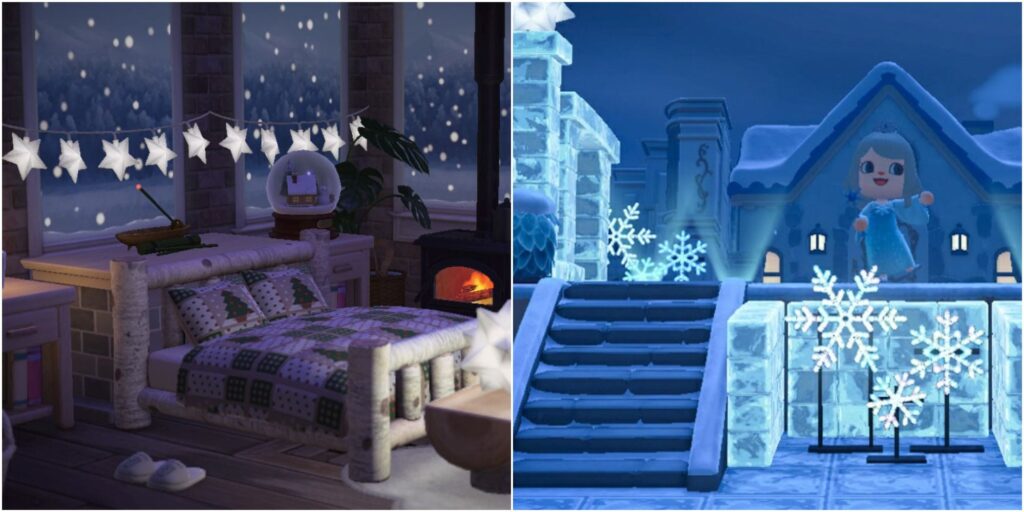
Autumn transforms a cactus landscape into a moody, golden wonderland. Pair cacti with pumpkins, scarecrows, and hay bales for a harvest-inspired theme, or lean into a “Southwest sunset” palette with terracotta pots and warm-toned furniture. Winter offers a chance to contrast the desert’s arid tones with icy blues and silvers—imagine a cactus dusted with snow, its spines glinting under a frosty glow.
Thematic variations extend beyond seasons. A “cowboy camp” vibe might include wooden crates, bandanas, and a campfire, while a “modern desert” aesthetic could feature sleek, minimalist furniture and geometric patterns. The versatility of cacti makes them the perfect foundation for endless creative experiments.
Common Pitfalls and How to Avoid Them
Even the most seasoned Animal Crossing players can fall into design traps when working with cacti. One of the most frequent mistakes is overcrowding. A desert packed with too many cacti can feel chaotic rather than serene. Space them out generously, allowing each plant to shine. Another pitfall is ignoring the terrain—cacti look best when placed on natural sandy patches, not floating in midair or perched on rocks where they wouldn’t logically grow.
Lighting is often overlooked but critical. A cactus bathed in harsh sunlight at midday can look flat, while the same cactus under the soft glow of dusk takes on a three-dimensional quality. Experiment with different times of day to see how light interacts with your desert landscape. Lastly, avoid neglecting the foreground. A well-designed island balances tall elements (like Saguaro cacti) with mid-sized and low-profile features (such as Prickly Pears or decorative rocks) to create depth and visual interest.
The Deeper Magic: Why We’re Obsessed with Cacti in Animal Crossing
At its core, the fascination with cacti in Animal Crossing speaks to a universal human longing—for resilience, for beauty in the unexpected, and for a connection to the natural world. In a game where players craft entire worlds from pixels, cacti offer a tangible link to the earth’s most unforgiving yet breathtaking landscapes. They remind us that even in the harshest conditions, life finds a way to thrive—and so can our creativity.
There’s also a quiet rebellion in choosing cacti over more traditional flora. While flowers and trees dominate most islands, a desert landscape stands out as bold and unconventional. It’s a declaration that your island doesn’t have to follow the rules—it can be wild, sparse, and utterly unique. In a world of endless customization, cacti are a testament to the power of restraint and the beauty of simplicity.
So the next time you log into Animal Crossing, take a moment to appreciate the cacti. They’re more than just decorations; they’re storytellers, mood-setters, and silent guardians of your digital sanctuary. And who knows? They might just inspire you to bring a little more desert magic into your real-life space, too.
FAQ
What are some design principles for using cacti in Animal Crossing?
Focus on scale, placement, texture, and color harmony to create a visually appealing desert landscape.
How do I avoid common mistakes when decorating with cacti?
Avoid overcrowding, ensure logical placement within the terrain, and pay attention to the lighting.

Leave a Reply