
Short Answer
The majestic Saguaro cactus, known scientifically as Carnegiea gigantea, stands as an iconic symbol of the American Southwest. These towering sentinels of the desert tell stories not only through their rugged silhouettes but also through the remarkable lifespan they possess. Exploring how long Saguaro cacti live reveals a fascinating intersection of biology, environment, and endurance. This article dives deep into the lifespan of the Saguaro, scrutinizing the factors that influence their longevity, distinct stages in their life cycle, and what makes their existence so compelling.
The Phenomenal Longevity of Carnegiea Gigantea
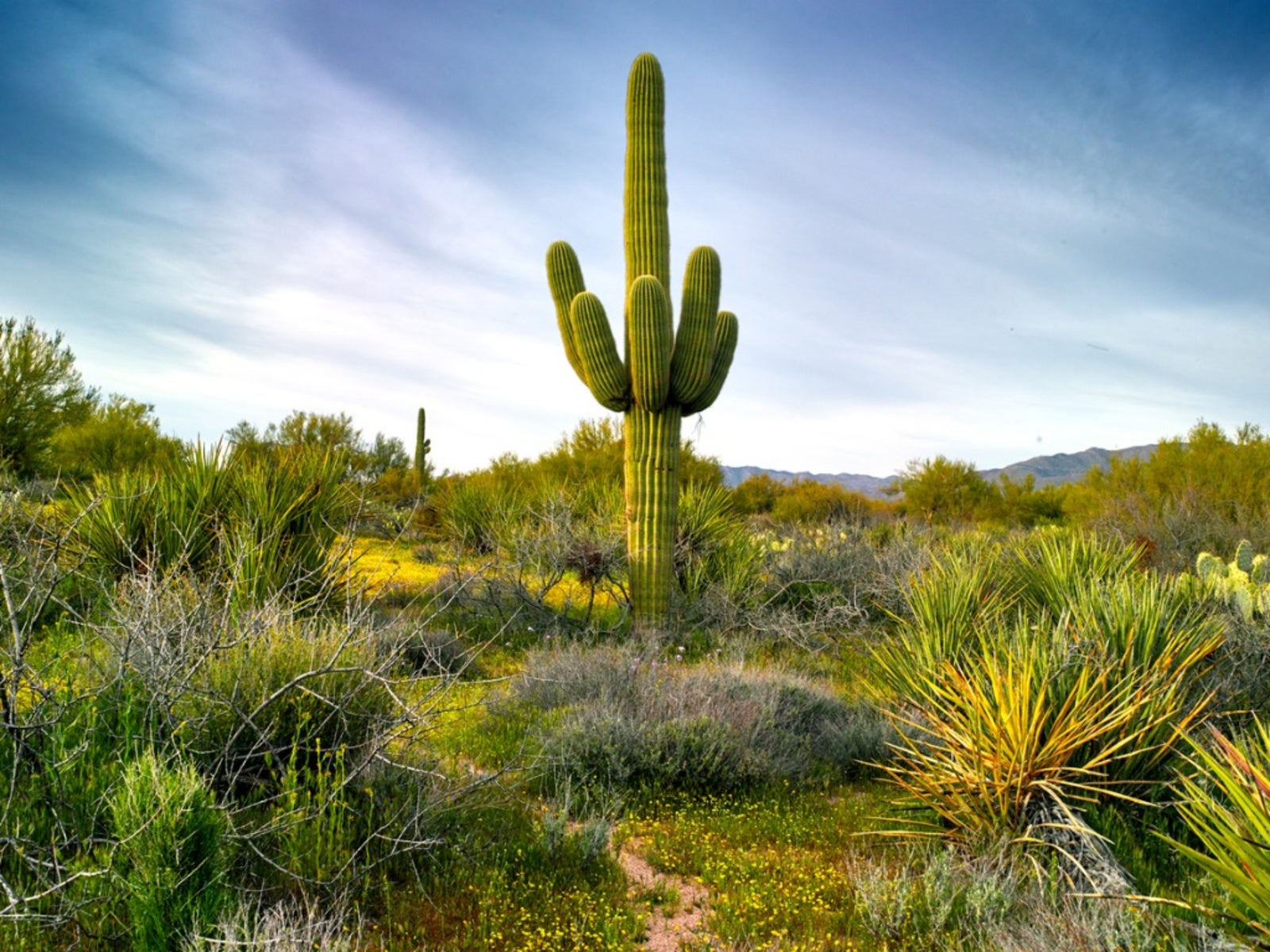
Saguaro cacti are among the longest-lived organisms in the plant kingdom. Unlike many desert plants that complete their life cycle rapidly, these giants progress through a slow, patient growth strategy that can span centuries. Under optimal conditions, a Saguaro can live well beyond 150 years, with some individuals reaching an age of 200 years or more. Their considerable lifespan allows them to develop the iconic arms typically associated with mature specimens, a characteristic that generally emerges after several decades of growth.
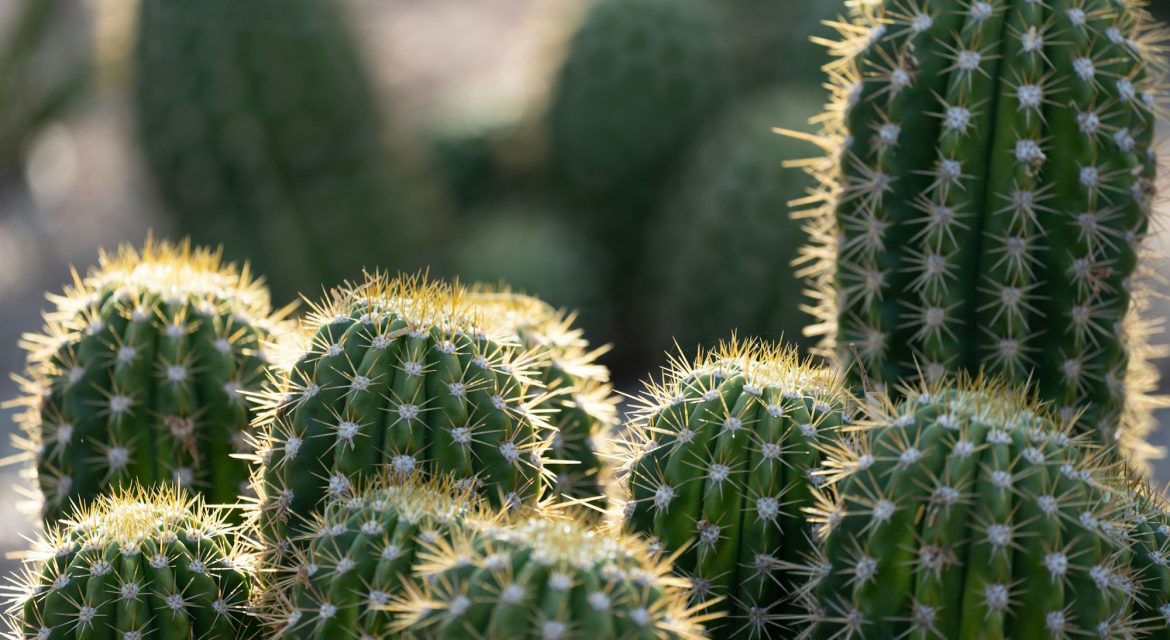
Their longevity is not just a matter of years but an extraordinary testament to survival amid the arid desert environment. These cacti have evolved physiological adaptations enabling them to store substantial amounts of water, minimizing the detrimental impacts of drought. This allows them to endure prolonged periods of scarcity, a luxury unavailable to many other plants.
Stages of Growth: From Seedling to Desert Titan
The lifecycle of a Saguaro cactus is a gradual crescendo from a fragile seedling to a towering sentinel. Initially, germination occurs after sufficient rainfall softens the desert soils, providing the necessary moisture for young cacti. In the first decade, growth is remarkably slow, with the seedling often reaching merely a few inches in height. During this vulnerable phase, shade from nurse plants such as palo verde or mesquite offers vital protection against harsh sunlight and grazing animals.
It can take between 50 to 70 years before a Saguaro begins to develop its characteristic arms. The timing varies due to environmental factors, but the arms serve essential reproductive functions, as their white flowers bloom at the tips during the warm desert nights. These flowers attract pollinators such as bats and birds, ensuring that each generation continues long after the parent cactus has matured.
The Impact of Environment on Lifespan
The environment plays a crucial role in dictating how long a Saguaro cactus can survive. Temperature fluctuations, rainfall patterns, and soil conditions all contribute to the cacti’s overall health and durability. While Saguaros are built to withstand intense summer heat and winter cold snaps, extreme conditions, including prolonged droughts or unseasonal freezes, can cause lasting damage.
Flooding is another factor, surprisingly detrimental despite the desert setting. Saguaro roots are shallow but expansive; once saturated, they are susceptible to rot. Additionally, urban expansion and human interference have altered natural water flows, sometimes negatively affecting local populations. Conservation efforts now seek to mitigate such threats, fostering habitats that promote their survival.
Natural Threats and Disease Risks
Over such an extended lifespan, Saguaro cacti inevitably face a variety of threats. Besides environmental stressors, disease and predation contribute to their challenges. Bacterial infections, such as the one caused by the Erwinia bacteria leading to Sudden Saguaro Death Syndrome, can rapidly weaken and kill otherwise healthy plants. Insect pests, particularly the cactus longhorn beetle, further exacerbate vulnerability by burrowing into the plant tissue.
However, the resilience of mature Saguaros often allows them to survive infestations and recover over time. The thick, waxy skin and dense network of ribs act as natural barriers. Still, younger cacti remain at great risk since their defenses are not fully developed.
Cultural and Ecological Significance Over Their Lifespans
The longevity of the Saguaro also plays an important role beyond biology. Culturally, these cacti hold sacred status for Indigenous peoples of the Sonoran Desert. The Tohono O’odham, for instance, incorporate the Saguaro fruit harvest into their traditions and spiritual practices—a direct link between the cactus’s lifespan and human heritage.
Ecologically, Saguaros support a wide range of desert wildlife. Their flowers provide nectar to bats while their arms and cavities become nesting sites for birds such as Gila woodpeckers and elf owls. Over centuries, their presence shapes the desert ecosystem, emphasizing their role as keystone species that sustain biodiversity long after their initial germination.
Human Interaction and Conservation Efforts
As urbanization continues to encroach on desert landscapes, human interactions increasingly influence the Saguaro’s life expectancy. Efforts to conserve these giants focus on protecting natural habitats and educating the public about their importance. Protected areas like the Saguaro National Park offer sanctuary where these cacti can grow undisturbed through centuries.
Gardeners and succulents enthusiasts interested in cultivating Saguaros must understand their slow growth and long lifespan. Patience is paramount; growing a Saguaro from seed is a long-term commitment, but the reward is unparalleled—a living testament to desert resilience and endurance.
Conclusion: A Living Chronicle of Time
The lifespan of Carnegiea gigantea embodies the enigmatic beauty and stubborn persistence of desert life. Its slow growth and potential to live for over a century captivate botanists, ecologists, and nature lovers alike. Far from a mere botanical oddity, the Saguaro stands as a living chronicle—marking time through each arm raised and every flower bud that unfolds under the desert stars. Understanding its lifespan deepens our appreciation not only for the cactus itself but also for the delicate ecosystems it supports and the cultural narratives it inspires.
FAQ
What is the average lifespan of a Saguaro cactus?
Under optimal conditions, a Saguaro cactus can live well beyond 150 years, with some individuals reaching up to 200 years or more.
What factors influence the lifespan of Saguaro cacti?
Environmental factors such as temperature fluctuations, rainfall patterns, and soil conditions significantly impact the health and longevity of Saguaro cacti.
How do Saguaro cacti reproduce?
Saguaro cacti reproduce by developing flowers at the tips of their arms, which bloom at night and attract pollinators like bats and birds.





Leave a Reply