
Short Answer
In the realm of homemade libations, where tradition often dictates the ingredients, there exists a daring alchemy that transforms the prickly into the sublime. Cactus wine, a concoction as unexpected as it is enchanting, invites adventurous palates to explore a world where desert resilience meets vinous delight. This elixir, born from the sun-baked arms of the Saguaro and the humble pads of the Prickly Pear, is not merely a drink—it is a testament to nature’s versatility and human ingenuity. Imagine, if you will, the slow alchemy of fermentation turning the austerity of the arid landscape into a liquid that dances on the tongue, offering a bouquet as complex as the terrain it hails from. To craft cactus wine is to coax poetry from the thorn, to distill the essence of the wild into something both familiar and extraordinary.
The Allure of the Unconventional: Why Cactus Wine Captivates the Imagination
At first glance, the idea of fermenting cactus might seem as absurd as distilling moonlight—but therein lies its allure. The cactus, a symbol of endurance and stark beauty, is an unlikely candidate for vinification, yet it possesses a hidden generosity. Its flesh, rich in sugars and mucilaginous compounds, holds the potential for transformation. Unlike grapes, which surrender their sweetness with ease, the cactus demands patience and finesse. The resulting wine is not merely a beverage; it is a narrative of resilience, a liquid memoir of the desert’s unyielding spirit. Its flavor profile is a revelation—earthy with a whisper of tartness, sometimes floral, often with a mineral backbone that echoes the rocky soil from which it sprang. To sip cactus wine is to taste the paradox of the desert: harsh yet hospitable, barren yet bursting with life.
Selecting the Right Cactus: A Forager’s Guide to the Perfect Vine
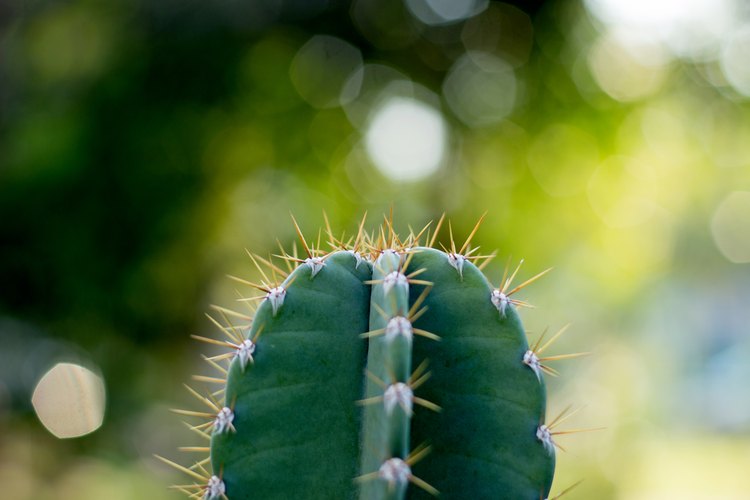
Not all cacti are created equal when it comes to winemaking. The Prickly Pear (*Opuntia* spp.) stands as the most celebrated choice, its vibrant pads and fruits yielding a wine of remarkable balance. Look for specimens that are plump, unblemished, and free of rot—signs of vitality in the arid world. The pads, or cladodes, should be firm to the touch, their spines either removed or carefully avoided. For a more adventurous twist, consider the fruit of the Saguaro (*Carnegiea gigantea*), though its harvest is a fleeting privilege reserved for those who tread lightly in its habitat. Avoid cacti that have been sprayed with pesticides or grown in polluted areas; the desert’s purity is non-negotiable for a wine that sings of its origins. Timing is everything: harvest in the early morning when the plants are most hydrated, and the sugars are at their peak.
The Alchemy Begins: Preparing the Cactus for Fermentation
The journey from thorn to toast begins with the meticulous preparation of the cactus. Start by peeling the pads or fruits, a task that requires both knife skill and patience. The spines must be excised with care, lest they puncture the delicate membranes of the flesh. Once peeled, the cactus is diced into small, uniform pieces—this increases the surface area for yeast to work its magic and ensures even extraction of flavors. For the Prickly Pear, the seeds are often left in, as they contribute a subtle crunch and a hint of bitterness that can add depth to the final wine. The prepared cactus is then blanched in boiling water for a few minutes to soften the tissue and mellow any astringency. This step is crucial; it’s the first act of transformation, where the raw, wild essence of the cactus begins to yield to the gentle coercion of heat.
Next comes the maceration, a period of rest where the cactus and its juices are left to steep in a sugar-rich environment. Honey or traditional cane sugar is added to feed the yeast, and the mixture is left to sit for 24 hours. This is where the cactus’s latent sweetness is coaxed into the open, where its character begins to unfurl like a desert bloom at dusk. The aroma that emerges is intoxicating—a heady blend of floral notes and earthy undertones, redolent of the landscape itself. It’s a scent that promises more than just a drink; it hints at an experience.
Yeast and the Dance of Fermentation: Coaxing the Desert’s Spirit
Fermentation is where the magic truly happens. The choice of yeast is pivotal: wild, ambient yeasts can impart a terroir-driven complexity, while commercial strains offer consistency and control. For the intrepid winemaker, a hybrid approach—starting with wild fermentation and then introducing a cultured strain—can yield a wine of remarkable depth. The cactus must be transferred to a sanitized fermentation vessel, leaving ample headspace for the vigorous activity to come. A cloth or airlock is affixed to allow gases to escape while keeping contaminants at bay. The vessel is then tucked away in a cool, dark corner, where the temperature remains stable and the yeast can work undisturbed.
For the first week, the fermentation is a tempestuous affair. Bubbles rise like desert geysers, and the aroma intensifies, evolving from fresh and fruity to something more profound—earthy, funky, alive. This is the cactus’s final surrender, its essence distilled into something entirely new. The winemaker’s role is one of vigilance: monitoring the temperature, tasting the progress, and ensuring that the vessel remains sealed against intruders. Patience is key; rushing this process risks a wine that is thin or overly sweet. When the bubbling subsides and the liquid clarifies, it’s time to rack the wine—siphoning it off the sediment and into a clean vessel to continue its slow metamorphosis.
Aging: The Patient Art of Refining the Wild
Aging is where cactus wine transcends its humble origins to become something truly extraordinary. In the barrel or bottle, the wine undergoes a silent transformation, shedding its youthful roughness and emerging with a refined elegance. Oak barrels impart subtle vanilla and spice notes, while stainless steel preserves the wine’s bright, fruity character. The duration of aging depends on the desired style: a few months for a crisp, refreshing sipper, or years for a wine of depth and complexity. During this time, the wine develops a patina of maturity, its flavors melding into a harmonious whole. It’s a process that demands trust—the winemaker must resist the urge to intervene, allowing the cactus’s spirit to speak for itself.
As the wine ages, it becomes a vessel of memory. Each sip carries the imprint of the desert—its heat, its silence, its unyielding beauty. It’s a drink that invites contemplation, a liquid haiku that captures the essence of a place and time. To serve cactus wine is to share a piece of the wild, to offer a taste of the extraordinary hidden within the ordinary.
Serving and Savoring: The Ritual of Cactus Wine
To serve cactus wine is to partake in a ritual as old as fermentation itself. Chill it lightly for a refreshing aperitif, or decant it at room temperature to reveal its full bouquet. The glass should be tulip-shaped, allowing the aromas to concentrate at the rim before reaching the nose. The first sip is an adventure: the initial sweetness gives way to a dry, mineral finish, with hints of citrus or berry depending on the cactus used. It’s a wine that pairs effortlessly with spicy foods, its acidity cutting through the heat, or with grilled meats, where its earthy notes complement the charred flavors.
But cactus wine is more than just a beverage—it’s an experience to be shared. Gather friends around a table laden with desert-inspired dishes, and let the wine be the centerpiece of the evening. As the conversation flows, so too does the wine, its story intertwined with the tales of the desert. It’s a drink that sparks curiosity, that invites questions and wonder. Who would have thought that the humble cactus, a plant so often overlooked, could yield such a treasure?
The Future of Cactus Wine: A Toast to Innovation
The world of cactus wine is still in its infancy, a frontier waiting to be explored. As climate change reshapes traditional wine-growing regions, the cactus offers a sustainable alternative—drought-resistant, low-maintenance, and packed with potential. Winemakers are experimenting with blends, infusing cactus wine with herbs, spices, or even other fruits to create new flavor profiles. There’s a movement afoot to elevate cactus wine from novelty to staple, to prove that the desert’s bounty is as vast as it is unexpected.
For those willing to take the leap, cactus wine is more than a project—it’s a declaration of independence from convention. It’s a reminder that the most extraordinary things often grow where we least expect them. So raise a glass, and toast to the wild, to the resilient, to the cactus that dared to dream of becoming wine.
FAQ
What types of cactus are commonly used to make cactus wine?
Prickly Pear and Saguaro are the most common cacti used for making cactus wine due to their sugar content and flavor.
How long should cactus wine be aged?
Aging can range from a few months for a crisp wine to several years for a more complex flavor.
What is the best way to serve cactus wine?
Serve lightly chilled for an aperitif or at room temperature in a tulip-shaped glass to enhance aroma.
Are there safety considerations when harvesting cactus for wine?
Yes, harvest early in the morning from healthy, pesticide-free plants, avoiding damaged or rotted specimens.

Leave a Reply