
Short Answer
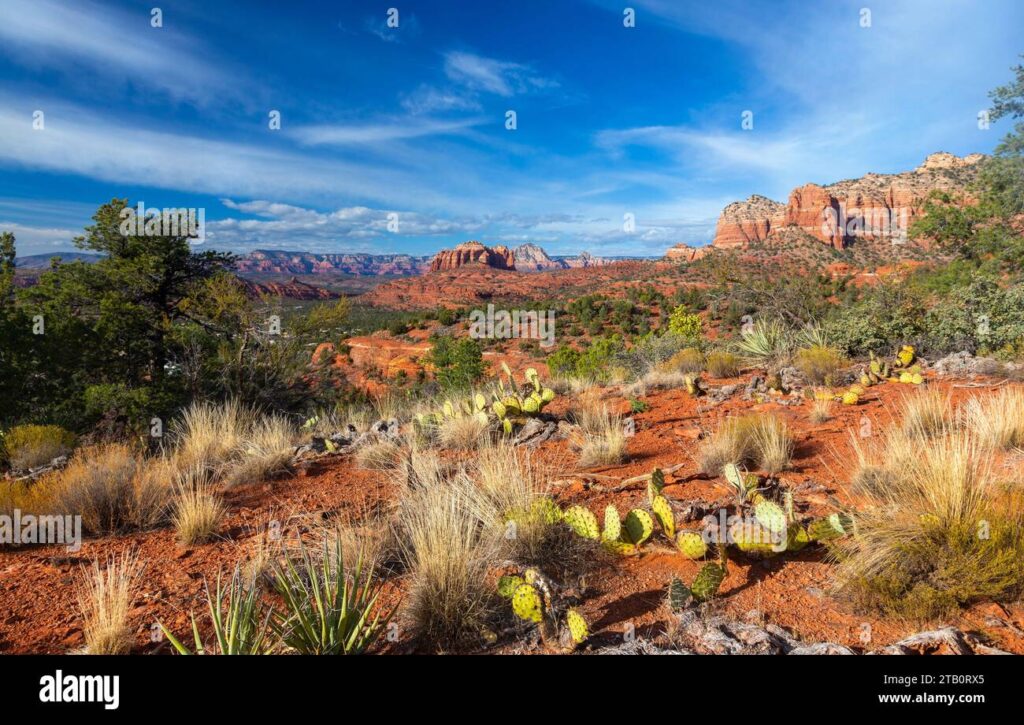
Have you ever paused to consider how a plant so stoically silent could become the star of some of the most evocative paintings in art history? Cacti—those prickly sentinels of the arid wilderness—have long captivated artists with their stark silhouettes, geometric precision, and quiet resilience. From the sun-baked plains of the American Southwest to the sun-drenched landscapes of Mexico, these desert dwellers have sprouted not just in soil, but in the fertile imaginations of painters across centuries. But what is it about cacti that transforms them from mere flora into subjects of artistic reverence? And could their very resilience be the key to unlocking a new wave of creative expression in modern art?
The Allure of the Cactus: Why Artists Can’t Resist Its Prickly Charm
At first glance, a cactus might seem an unlikely muse. Its spiny exterior, designed to ward off predators, appears almost hostile—a living fortress of thorns. Yet, artists have repeatedly turned to these plants, drawn to their paradoxical nature: both forbidding and fascinating, fragile yet formidable. The cactus embodies a duality that mirrors human experience—resilience in adversity, beauty in barrenness. Its sculptural forms, whether the towering saguaro or the compact barrel cactus, offer a study in contrasts: soft curves against sharp edges, organic growth against geometric order. Painters like Georgia O’Keeffe famously immortalized these plants, stripping them of their desert context to reveal their raw, almost sculptural essence. Her close-up renderings of cacti, devoid of background distractions, force the viewer to confront the plant’s intricate details—its ribs, its spines, its silent defiance of the harsh environment. Could it be that the cactus, in its very prickliness, becomes a metaphor for the artist’s own struggle against convention?
From Desert to Canvas: The Evolution of Cactus in Art
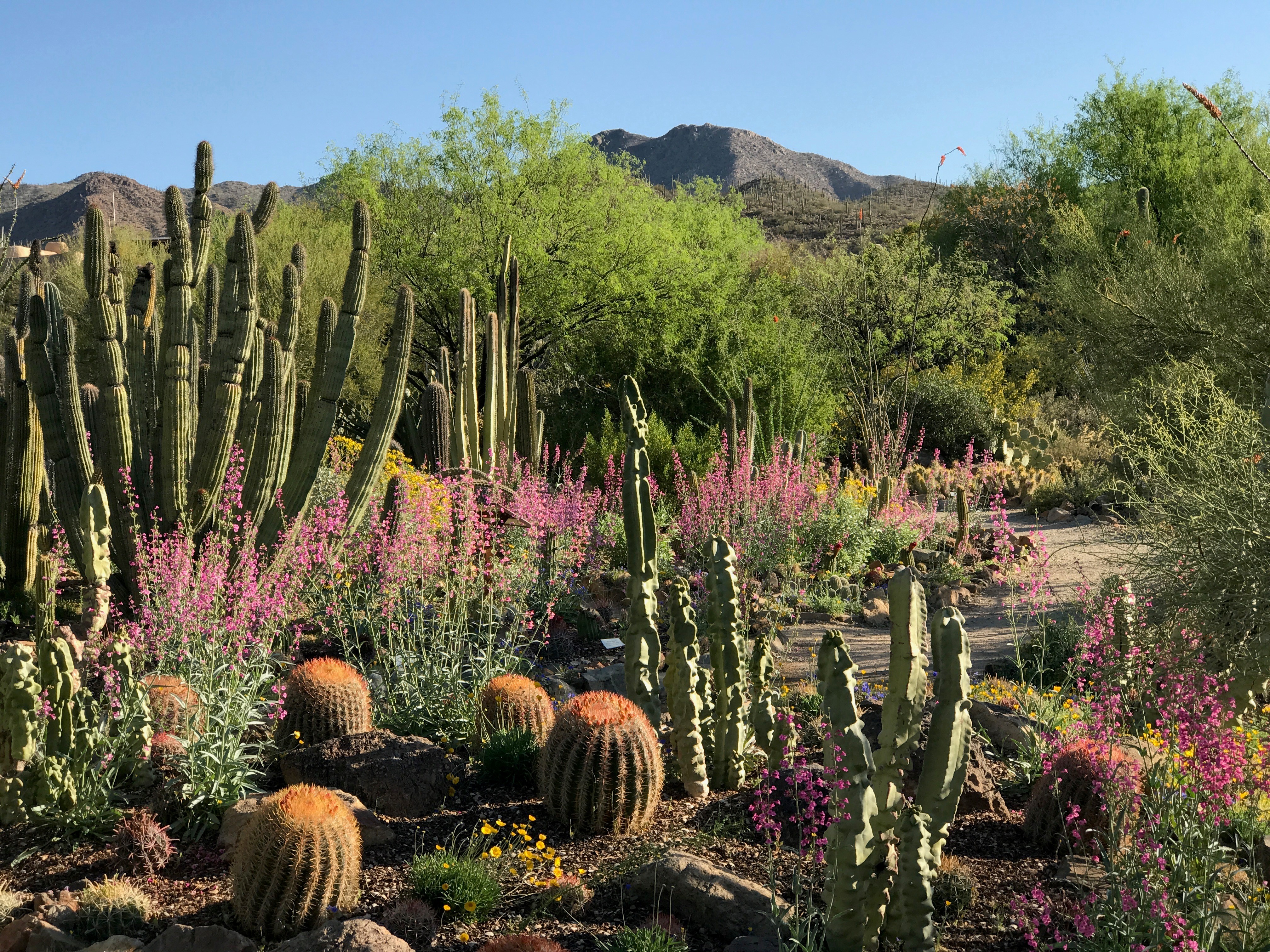
The cactus’s journey from desert floor to gallery wall is a tale of cultural exchange and artistic innovation. Indigenous cultures of the Americas, particularly in Mexico and the Southwest, have long revered cacti—not just as plants, but as symbols of endurance and sacredness. The Aztecs associated the prickly pear with the god Huitzilopochtli, while Native American tribes used cactus fibers in textiles and rituals. When European settlers arrived, they brought with them a new lens through which to view these plants: one of scientific curiosity and aesthetic appreciation. By the 19th century, cacti had become a staple in botanical illustrations, their precise forms rendered with scientific accuracy. Yet, it was the modernists who truly liberated the cactus from its utilitarian roots. Artists like Diego Rivera and Frida Kahlo wove cacti into their murals and paintings, imbuing them with political and personal symbolism. Rivera’s murals often featured cacti as emblems of Mexican identity, while Kahlo’s self-portraits sometimes included them as silent witnesses to her pain and resilience. How did this humble plant, once a mere curiosity, become a canvas for such profound narratives?
The Cactus as a Symbol: More Than Just a Plant
To reduce the cactus to its physical form is to overlook its deeper significance in art. These plants have served as vessels for meaning, their prickles and petals carrying messages that transcend their desert origins. In Mexican folk art, the cactus often represents protection and strength, its spines a shield against adversity. In Western art, particularly in the works of O’Keeffe and others, the cactus becomes a meditation on isolation and beauty in solitude. Even in contemporary art, cacti appear in unexpected contexts—surrealist paintings where they morph into fantastical creatures, or abstract works where their forms dissolve into pure color and shape. The challenge for artists, then, is not just to depict the cactus accurately, but to capture its essence: its ability to thrive where others wither, its quiet defiance of the elements. Can an artist truly convey the spirit of a cactus without resorting to cliché? Or is the cactus’s very familiarity the key to its enduring appeal?

Techniques and Styles: How Artists Bring Cacti to Life
The methods artists use to render cacti are as varied as the plants themselves. Traditional oil painters like O’Keeffe employed meticulous brushwork to highlight the cactus’s textures, layering paint to create a sense of depth and tactility. Her technique was almost sculptural, as if she were carving the cactus from the canvas itself. In contrast, modernists like Henri Rousseau took a more whimsical approach, painting cacti in lush, dreamlike jungles that defied reality. Rousseau’s cacti were not bound by the laws of nature; they bloomed in impossible colors, their spines curling like tendrils. Meanwhile, contemporary artists often use mixed media—incorporating photography, digital manipulation, or even real cactus fragments—to challenge the viewer’s perception. Some artists press cacti into resin, preserving their fleeting beauty in a medium that feels both eternal and ephemeral. The challenge here is to balance realism with creativity. How can an artist honor the cactus’s natural form while infusing it with something entirely new? Is abstraction the answer, or does the cactus’s very recognizability demand a more literal approach?
The Cactus in the Digital Age: A New Frontier for Art
As art evolves in the digital era, so too does the cactus’s role in creative expression. Digital artists manipulate cacti into surreal landscapes, where they sprout wings or melt into abstract shapes. Generative AI tools allow for the creation of cacti that never existed—hybrids of species, colors, and forms that push the boundaries of imagination. Even in virtual reality, cacti have found a home, their prickly forms rendered in 3D space, inviting viewers to interact with them in ways previously unimaginable. But with this newfound freedom comes a challenge: how to maintain the cactus’s inherent character in a medium that often prioritizes spectacle over substance? Can a digital cactus ever truly capture the quiet dignity of its real-world counterpart? Or will it become just another pixelated novelty, lost in the noise of the digital landscape?
Why the Cactus Endures: A Timeless Muse
Perhaps the cactus’s enduring appeal lies in its ability to adapt—both in nature and in art. It thrives in conditions that would kill most plants, its survival a testament to the power of resilience. Similarly, artists have repeatedly found new ways to interpret the cactus, ensuring its relevance across generations. From the meticulous botanical illustrations of the 18th century to the bold abstractions of the 21st, the cactus remains a constant, a thread weaving through the tapestry of art history. Its prickles may deter the casual observer, but for those who look closer, the cactus offers a world of beauty and meaning. It challenges artists to see beyond the obvious, to find poetry in the unlikeliest of places. So the next time you encounter a cactus—whether in a museum, a garden, or a painting—ask yourself: what is it about this plant that speaks to the human soul? And how might you, too, capture its essence in your own creative journey?
FAQ
Why are cacti often depicted in art?
Cacti symbolize resilience and beauty in harsh environments, making them compelling subjects for artistic expression.
Who are some notable artists known for painting cacti?
Georgia O’Keeffe, Diego Rivera, and Frida Kahlo are notable artists who incorporated cacti into their works.
How do modern artists represent cacti differently than traditional painters?
Modern artists use mixed media, digital tools, and abstract styles to reinterpret the cactus beyond realistic depictions.
What cultural significance do cacti hold in art?
Cacti represent endurance, protection, and spiritual symbolism, especially in Indigenous and Mexican cultures.




Leave a Reply