
Short Answer
Imagine a world where the boundaries between life and survival blur into something far more poetic—a world where the humble cactus, often overlooked as a mere desert dweller, becomes the unsung architect of life in the most inhospitable of environments. This is not the stuff of science fiction; it is the quiet, tenacious reality of closed ecosystems, where every drop of water and every ray of sunlight is meticulously accounted for. As humanity sets its sights on the cosmos, the lessons hidden within these spiny sentinels of the arid lands are nothing short of revolutionary. They whisper of resilience, adaptation, and the extraordinary potential of life to thrive where it seems impossible. The role of cacti in closed ecosystems is not just a biological curiosity—it is a blueprint for the future of space travel, a testament to nature’s ingenuity, and a call to rethink what it means to sustain life beyond Earth.
The Unyielding Survivors: How Cacti Master the Art of Scarcity
In the relentless embrace of arid landscapes, cacti have evolved into masters of scarcity, turning limitations into strengths. Unlike most plants, which wilt under the strain of water deprivation, cacti have developed a suite of adaptations that allow them to not just endure but flourish. Their thick, waxy skins minimize water loss, while their spines—often dismissed as mere adornments—serve as a dual-purpose defense and microclimate regulator. These spines create a boundary layer of still air, reducing evaporation and shielding the plant from the scorching sun. But the true marvel lies in their water storage: a cactus can swell to grotesque proportions after a rare rainfall, hoarding precious moisture like a miser guarding gold. This ability to store water efficiently is not just a survival tactic—it is a lesson in resource management that could redefine how we approach life support systems in space.
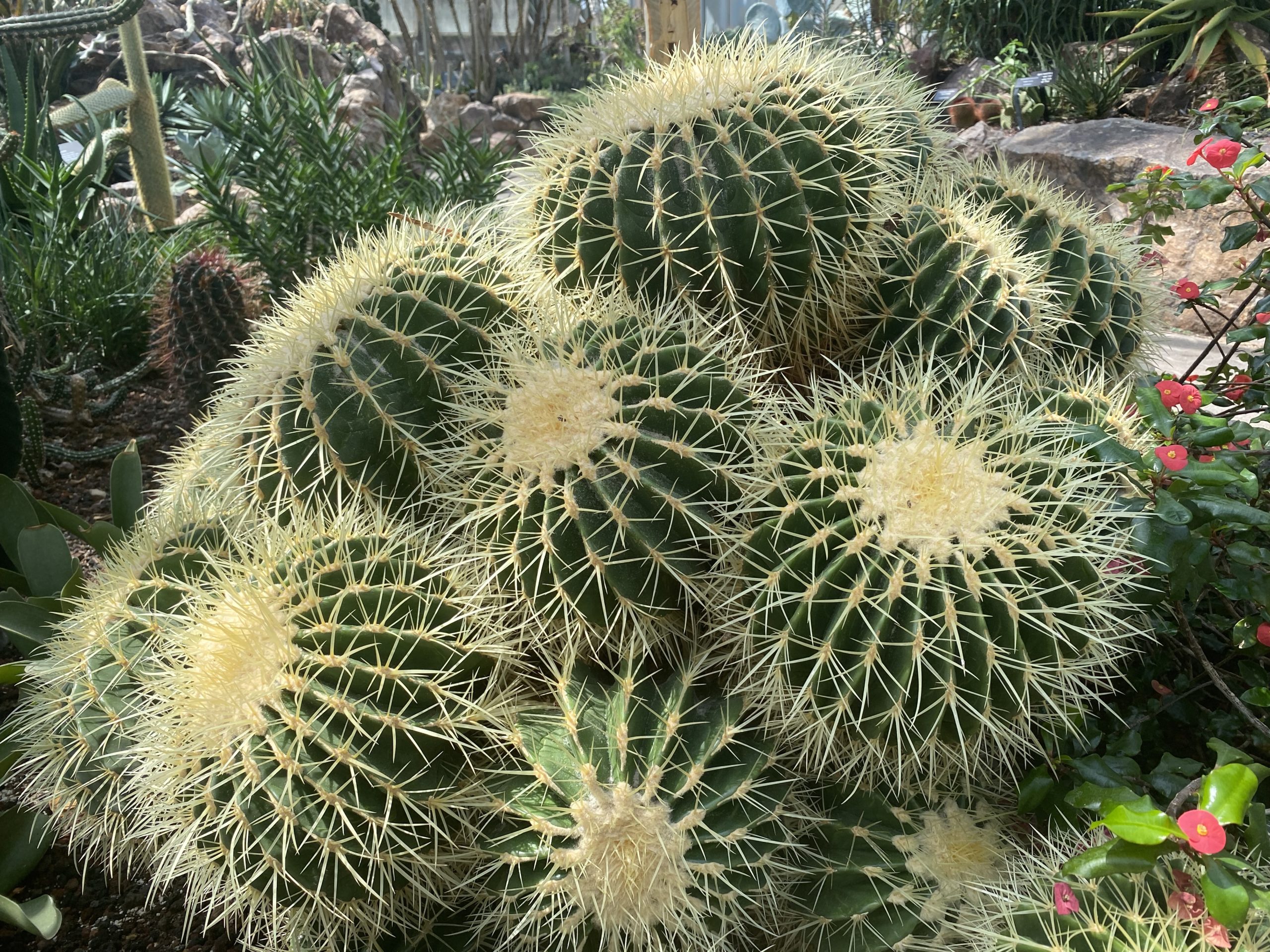
Consider the barrel cactus, a stout, ribbed sentinel of the desert. Its pleated surface expands and contracts with the ebb and flow of water, a living accordion that sings of adaptability. This morphological flexibility is a metaphor for the dynamic systems required in closed-loop environments, where every component must be both robust and responsive. The cactus does not just store water; it recycles it. Through a process known as crassulacean acid metabolism (CAM), it opens its stomata at night to absorb carbon dioxide, minimizing water loss during the day. This nocturnal respiration is a silent revolution in efficiency, one that could inspire closed-loop life support systems where energy and resources are conserved with surgical precision.
Closed Ecosystems: A Symphony of Interdependence
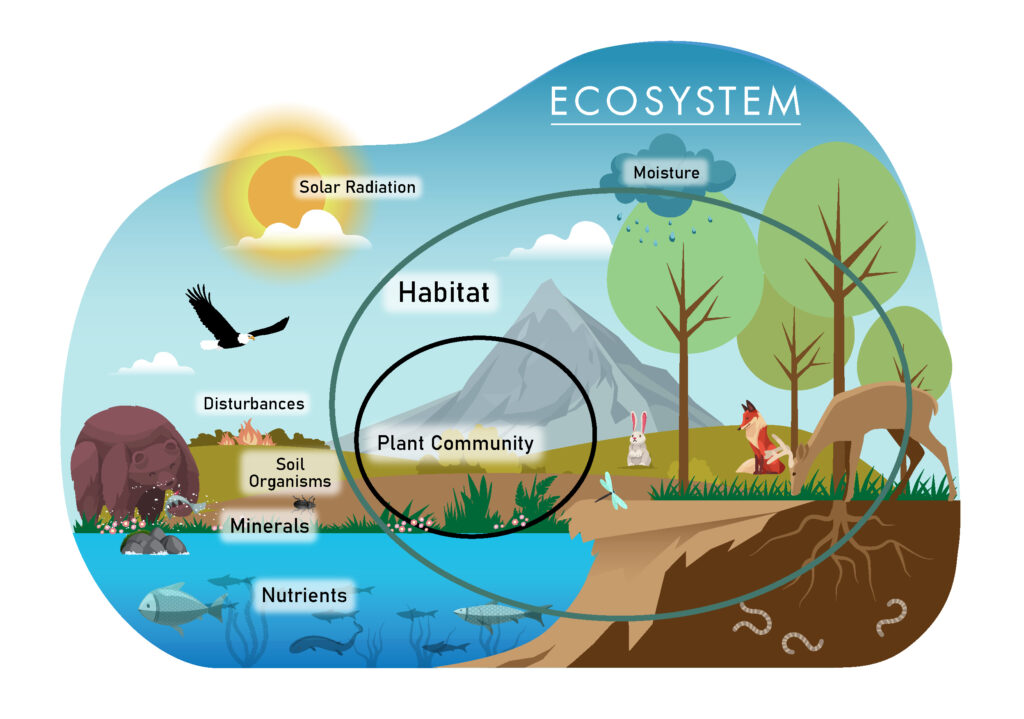
A closed ecosystem is a delicate ballet of life, where every organism plays a role in maintaining the balance. Cacti are not lone performers in this dance; they are integral collaborators, their presence shaping the very fabric of their environment. In the harsh expanse of the desert, they provide shelter and sustenance for a myriad of creatures, from insects to birds, creating microhabitats that teem with life. Their roots, shallow yet extensive, stabilize the soil, preventing erosion and fostering the growth of other plants. This interdependence is a reminder that sustainability is not a solo endeavor—it is a collective symphony, where each participant contributes to the harmony of the whole.
In the context of space travel, this interconnectedness takes on a new dimension. A closed ecosystem aboard a spacecraft or a lunar habitat must replicate this balance, where waste from one process becomes the raw material for another. Cacti, with their ability to thrive in nutrient-poor soils and their role in supporting diverse life forms, offer a model for such systems. They demonstrate how a single species can act as a keystone, holding together an entire ecological network. By integrating cacti into bio-regenerative life support systems, we could create self-sustaining environments where plants, microbes, and even humans coexist in a delicate equilibrium. The cactus, in this scenario, is not just a plant—it is a cornerstone of a new era of spacefaring sustainability.
Lessons from the Desert: Engineering Resilience for the Cosmos
The journey to the stars demands more than just technological prowess; it requires a fundamental shift in how we perceive resilience. The cactus, with its ability to endure extreme conditions, is a masterclass in engineering resilience. Its adaptations—from water storage to nocturnal metabolism—are not just biological quirks; they are solutions to problems that will define space travel. The challenge of providing fresh food, clean water, and breathable air in a closed environment is monumental, but the cactus shows us that the answers may already exist in nature’s toolkit.
One of the most pressing challenges in space travel is the need for efficient, low-maintenance food sources. Traditional crops, with their high water requirements and susceptibility to disease, are ill-suited for the rigors of space. Cacti, however, offer a tantalizing alternative. Species like the prickly pear (Opuntia) are not only edible but also highly nutritious, providing vitamins, minerals, and even water when processed correctly. Their ability to grow in poor soil and with minimal water makes them ideal candidates for hydroponic or aeroponic systems in space. Moreover, their spines can be repurposed—harvested for use in filtration systems or even as structural materials. The cactus, in this light, is a multi-functional marvel, a plant that gives and gives without demanding much in return.
But the lessons of the cactus extend beyond mere survival. They challenge us to rethink our relationship with scarcity. In a closed ecosystem, every resource is finite, and every decision carries weight. The cactus does not hoard; it conserves. It does not waste; it recycles. It does not demand; it adapts. This philosophy of frugality and adaptability is one that spacefaring civilizations must embrace. The cactus teaches us that resilience is not about brute strength or technological overkill—it is about elegance, efficiency, and harmony with one’s environment.
The Future is Spiny: Cacti as Pioneers of Space Colonization
As humanity stands on the precipice of interplanetary colonization, the role of cacti in shaping our future cannot be overstated. They are not merely plants; they are pioneers, silent but steadfast, showing us the way forward. In the barren landscapes of Mars or the airless void of a space station, the principles embodied by cacti—resource efficiency, adaptability, and interdependence—will be the bedrock of sustainable life. They remind us that survival is not about dominating nature but about learning to live within its constraints, to thrive in its margins.
Imagine a lunar greenhouse, its walls lined with rows of cacti, their spines glinting under artificial sunlight. These plants, carefully cultivated, provide not just food but also oxygen, water, and a sense of connection to Earth. Their presence transforms the sterile environment of a space habitat into a living, breathing ecosystem, one that nurtures both body and soul. The cactus, in this vision, is more than a biological asset—it is a symbol of hope, a testament to the indomitable spirit of life.
The road to the stars is fraught with challenges, but the cactus offers a path forward, one rooted in nature’s wisdom. It challenges us to look beyond the obvious, to see the potential in the overlooked, and to embrace a future where sustainability is not a luxury but a necessity. As we venture into the cosmos, let us carry with us the lessons of the desert—the resilience of the cactus, the harmony of closed ecosystems, and the unyielding spirit of life itself. The future of space travel is not just about technology; it is about philosophy, about learning to live in harmony with the world around us, wherever that world may be.
FAQ
How do cacti survive in arid environments?
Cacti survive arid environments through adaptations such as thick, waxy skins to reduce water loss, spines that create a microclimate reducing evaporation, and water storage capabilities. They also use crassulacean acid metabolism (CAM) to open stomata at night to minimize daytime water loss.
Why are cacti important in closed ecosystems for space travel?
Cacti provide lessons in resource efficiency, resilience, and interdependence within closed ecosystems. Their water storage abilities, low maintenance, and ability to support other life forms make them ideal for bio-regenerative life support systems in space habitats.
Can cacti be used as food sources in space?
Yes, certain cacti like the prickly pear are edible and nutritious, providing vitamins, minerals, and hydration, making them suitable candidates for space-based hydroponic or aeroponic farming systems.
What role do cacti play in desert ecosystems?
In deserts, cacti provide shelter and food for various animals, stabilize soil with their roots, and create microhabitats that support biodiversity, contributing to ecosystem balance.
Leave a Reply