
Short Answer
In the quiet corners of arid landscapes, where the sun bakes the earth into a canvas of muted golds and ochres, a peculiar allure thrives—one that has captivated the hearts of collectors, enthusiasts, and dreamers alike. Rare cacti, those enigmatic sentinels of resilience, are not merely plants; they are living sculptures, botanical rarities that command attention, admiration, and sometimes, exorbitant prices. The fascination with these prickly treasures transcends mere horticulture; it is a pursuit of the extraordinary, a testament to human curiosity, and a reflection of our innate desire to possess the uncommon. But what is it about these spiky marvels that transforms them from humble desert dwellers into coveted collector’s items? And how can one navigate the intricate dance of selling them to an audience that views them not just as flora, but as objects of obsession?
The Allure of the Unattainable: Why Rare Cacti Command Attention
There is something profoundly human about the pursuit of rarity. In a world saturated with mass-produced goods and fleeting trends, rare cacti offer a tangible connection to the extraordinary. Their scarcity is not merely a matter of numbers but a reflection of their demanding nature—these plants thrive in conditions that would wither most others, their slow growth a silent rebellion against the hurried pace of modern life. Collectors are drawn to them not just for their beauty, but for the challenge they represent. To cultivate a rare cactus is to engage in a dialogue with time itself, a slow, deliberate courtship that rewards patience with a living masterpiece.
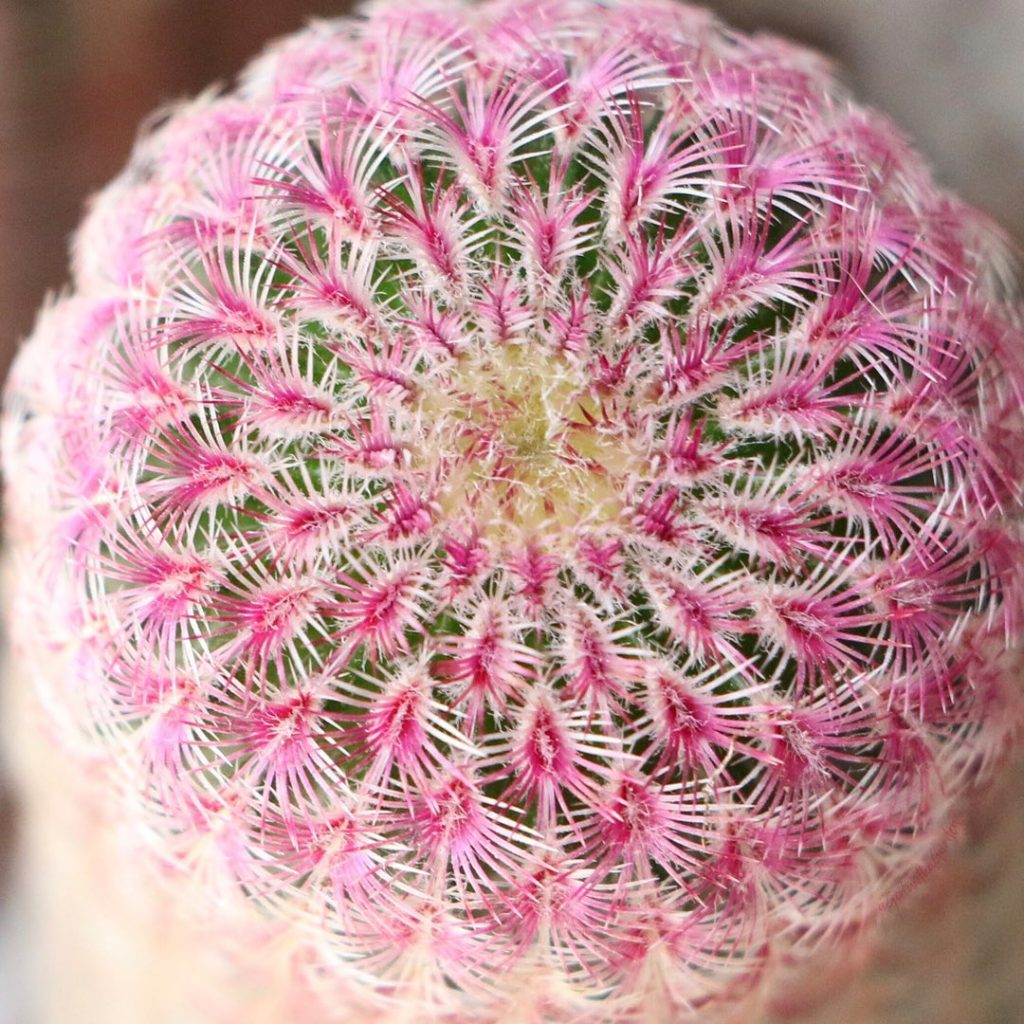
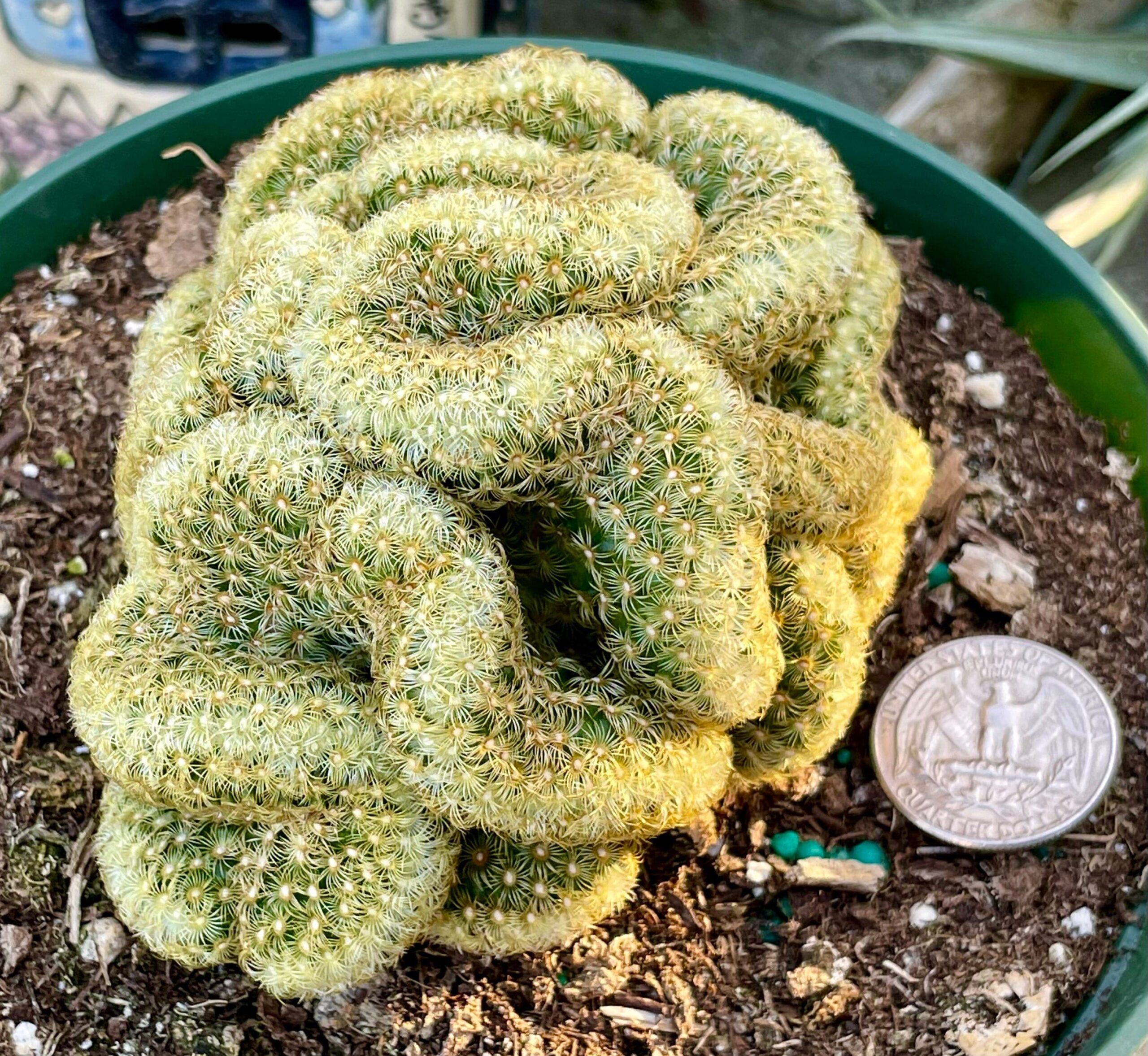
The aesthetic appeal of rare cacti is undeniable. Their forms are a study in geometric precision, their spines a delicate interplay of sharpness and softness, their blooms a fleeting spectacle of color that seems almost too vivid to be real. Species like the Mammillaria theresae or the Turbinicarpus genus are not just plants; they are miniature works of art, their intricate structures a source of endless fascination. For collectors, owning such a specimen is akin to possessing a fragment of the wild, a piece of the untamed beauty that thrives in the harshest of environments.
Understanding the Collector’s Psyche: What Drives the Obsession
The collector’s mind is a labyrinth of desires, where passion and possession intertwine. Rare cacti appeal to a deep-seated need for uniqueness—a rejection of the generic in favor of the singular. In an era where everything from smartphones to sneakers is produced en masse, a rare cactus stands as a defiant symbol of individuality. Collectors are not merely buying a plant; they are investing in a story, a narrative of discovery, cultivation, and stewardship. Each specimen becomes a chapter in their personal botanical odyssey.
There is also an element of exclusivity at play. The thrill of owning something that few others can is intoxicating. Rare cacti often come with provenance, their lineage traced back to obscure nurseries or remote habitats, adding layers of intrigue. The collector becomes a custodian of a living legacy, a guardian of a species that might otherwise fade into obscurity. This sense of responsibility, coupled with the sheer joy of display, creates a powerful emotional pull that transcends the practicalities of plant care.
Crafting the Perfect Pitch: How to Market Rare Cacti to Enthusiasts
Selling rare cacti is not about hawking plants; it is about selling an experience, a dream, a piece of the wild. The key lies in storytelling. A well-crafted description can transform a simple cactus into a protagonist in a tale of adventure and resilience. Highlight the plant’s origins, its unique characteristics, and the care it demands. Use vivid language to evoke the stark beauty of its natural habitat, the tenacity with which it survives, and the joy it brings to those who nurture it. Phrases like “a living relic of the desert” or “a botanical treasure with a story to tell” can ignite the imagination of potential buyers.
Visuals are equally crucial. A single, high-quality photograph can convey the essence of a rare cactus far more effectively than a thousand words. Focus on capturing its spines in sharp detail, its blooms in full glory, and its overall form in a way that highlights its rarity. Consider including images of the plant in different stages of growth or in its natural habitat to provide context. For online listings, a short video showcasing the cactus in motion—perhaps a gentle rotation to reveal its full silhouette—can create an immersive experience that static images cannot.
Pricing, too, plays a psychological role. Rare cacti often carry a premium, and for good reason. Their slow growth, delicate propagation, and the expertise required to cultivate them justify higher costs. However, transparency is essential. Buyers should understand why a particular specimen is priced as it is—whether due to its age, lineage, or the rarity of its species. Offering certificates of authenticity or detailed care guides can also enhance perceived value, reassuring collectors that they are investing in more than just a plant.
The Art of the Deal: Building Trust with Buyers
In the world of rare cactus collecting, trust is the currency that fuels transactions. Collectors are discerning, often with years of experience under their belts, and they can spot disingenuous sellers from a mile away. Building credibility requires consistency, transparency, and a genuine passion for the plants. Share your own journey with cacti—your successes, failures, and lessons learned. Offer guarantees on plant health, and be upfront about any challenges the buyer might face in cultivation. A satisfied customer is not just a one-time sale; they are a potential ambassador for your business, spreading the word about your expertise and integrity.
Engage with the community. Rare cactus enthusiasts are a tight-knit group, often congregating in online forums, social media groups, and local plant swaps. Participate in these spaces, not just to sell, but to share knowledge. Answer questions, offer advice, and contribute to discussions. This not only establishes you as an authority but also fosters a sense of camaraderie that can lead to repeat business. When collectors feel seen and valued, they are more likely to return—and to recommend you to others.
Packaging also matters. A rare cactus deserves to arrive in a package that reflects its value. Use sturdy, well-padded containers to protect it during transit. Include care instructions, a thank-you note, and perhaps even a small gift—a packet of seeds from a related species or a handwritten note about the plant’s origins. These thoughtful touches create a memorable unboxing experience, one that lingers in the buyer’s mind long after the transaction is complete.
Navigating the Challenges: Ethics and Sustainability in Rare Cactus Trade
The allure of rare cacti comes with a responsibility—one that sellers must not ignore. The demand for these plants has, in some cases, led to unethical practices, from illegal wild harvesting to the exploitation of vulnerable habitats. As a seller, it is your duty to ensure that your stock is sourced ethically. Work with reputable nurseries and breeders who prioritize conservation and sustainable cultivation. Avoid plants that are listed as endangered or threatened, and be transparent about the origins of your stock. Educate your buyers on the importance of ethical collecting, encouraging them to support conservation efforts and to cultivate their own rare specimens responsibly.
Sustainability extends beyond ethics; it is also about longevity. Rare cacti are not commodities to be exploited for quick profit. They require time, expertise, and care to thrive. Sellers who prioritize the health of their plants—rather than chasing trends or maximizing short-term gains—build a reputation that endures. This approach fosters trust and loyalty, ensuring that your business remains a beacon for collectors who value integrity as much as rarity.
The Future of Rare Cactus Collecting: Trends and Opportunities
The world of rare cactus collecting is evolving, shaped by technological advancements, shifting consumer preferences, and a growing awareness of conservation. One emerging trend is the rise of hybrid cacti, where breeders combine species to create new, visually stunning varieties. These hybrids offer collectors the thrill of owning something entirely unique, while also reducing the pressure on wild populations. Sellers who embrace these innovations can tap into a market eager for the next big thing in botanical rarity.
Another opportunity lies in the intersection of cacti and technology. Online marketplaces, social media platforms, and virtual plant fairs have democratized access to rare specimens, allowing sellers to reach a global audience. Augmented reality (AR) tools, for example, could soon enable buyers to visualize a cactus in their own space before purchasing, bridging the gap between the digital and physical worlds. For sellers, staying ahead of these trends means not only adapting to new tools but also fostering a community that values authenticity in a digital age.
Ultimately, the future of rare cactus collecting hinges on a delicate balance—between preservation and passion, between commerce and conservation. Sellers who champion this balance will not only thrive in the market but also contribute to a legacy that extends far beyond the confines of a greenhouse or a website. In a world that often prioritizes speed over substance, rare cacti remind us of the beauty in slowness, the value in rarity, and the joy of nurturing something truly extraordinary.
FAQ
What is the best way to market rare cacti?
Storytelling is key; craft compelling descriptions that highlight the cactus’s uniqueness and care requirements.
How can I establish trust with cactus collectors?
Engage with the community, offer guarantees on plant health, and be transparent about cultivation challenges.
What ethical considerations should I keep in mind when selling rare cacti?
Ensure your stock is sourced ethically, avoid endangered species, and educate buyers on conservation.

Leave a Reply