
Short Answer
As autumn’s crisp air settles in and the scent of cinnamon lingers in kitchens, our homes transform into sanctuaries of warmth and gratitude. Amidst the pumpkin spice and twinkling lights, a quiet revolution is blooming—literally. The humble cactus, often relegated to desert landscapes and forgetful watering schedules, is emerging as an unlikely hero in Thanksgiving decor. This juxtaposition of spiky resilience against the softness of harvest abundance isn’t just a visual delight; it’s a metaphor waiting to be unpacked. Why does this prickly plant, native to arid climates, feel so at home among the cozy textures of fall? The answer lies in the intersection of resilience, symbolism, and the human fascination with nature’s contradictions.
The Unlikely Elegance of Prickly Gratitude
There’s something profoundly poetic about placing a cactus at the center of a Thanksgiving table. While the season celebrates abundance—cornucopias overflowing, pies steaming, and tables laden with golden harvests—the cactus stands as a reminder that beauty doesn’t always come in soft edges. Its segmented pads, often mistaken for leaves, are actually flattened stems, a clever adaptation to conserve water in harsh conditions. This architectural marvel isn’t just surviving; it’s thriving, and that tenacity mirrors the spirit of gratitude itself. To adorn a Thanksgiving table with a cactus is to honor the idea that even in scarcity, there is grace. It challenges the notion that gratitude requires overflow, suggesting instead that it can be found in the quiet, the unexpected, the resilient.
The cactus’s role in decor isn’t merely aesthetic; it’s philosophical. In a world that often equates beauty with fragility, the cactus flips the script. Its spines, once seen as deterrents, become symbols of protection—guarding the tender blooms that emerge only under the right conditions. This duality—sharp and soft, harsh and hospitable—resonates deeply during a holiday that asks us to reflect on both our struggles and our blessings. A Thanksgiving cactus arrangement isn’t just decor; it’s a conversation starter about what it means to cultivate gratitude in a world that often feels like a desert.

From Desert to Dining Table: The Cactus’s Journey
The cactus’s migration from sun-baked landscapes to festive centerpieces is a tale of cultural evolution. Indigenous peoples of the Americas have long revered these plants, not just for their practical uses—water storage, food, and medicine—but for their spiritual significance. The Thanksgiving cactus, specifically, belongs to the Schlumbergera genus, a group of epiphytic cacti native to the cloud forests of Brazil. Unlike their desert-dwelling cousins, these cacti thrive in humid, shaded environments, their pendulous stems clinging to trees like living jewelry. Their adaptation to such contrasting climates mirrors the adaptability we often celebrate in ourselves during the holiday season.
Bringing a cactus indoors for Thanksgiving isn’t just about aesthetics; it’s about reconnecting with the earth’s diversity. In an era where globalization flattens cultural expressions, the cactus serves as a tactile reminder of the world’s vast ecological tapestry. Its presence on a dinner table becomes a subtle nod to the interconnectedness of all things—how a plant from a misty Brazilian forest can find a home in a suburban dining room, just as a family gathering bridges generations and traditions. This quiet act of inclusion, of welcoming the unfamiliar into the familiar, is at the heart of Thanksgiving itself.
The Blooming of Gratitude: Cactus Flowers as Symbols
Few sights are as breathtaking as a Thanksgiving cactus in full bloom. The flowers, which burst forth in vibrant hues of pink, red, purple, or white, are a testament to the plant’s ability to surprise. Unlike the predictable harvests of autumn, these blooms arrive unannounced, a fleeting gift that demands attention. This unpredictability is part of their charm. In a season that often feels scripted—turkey timelines, pie schedules, guest lists—the cactus’s spontaneous flowering is a rebellion against rigidity. It reminds us that gratitude, too, can’t be forced. It blooms when the conditions are right, when the light is just so, when the care has been attentive but not overbearing.
The colors of the cactus flowers carry their own symbolism. Pink, often associated with gratitude and admiration, feels like a natural fit for Thanksgiving. Red, the color of passion and vitality, injects energy into the decor, while white offers a serene contrast to the season’s usual oranges and browns. Purple, a hue often linked to spirituality, adds a layer of depth, suggesting that gratitude isn’t just about the tangible harvests but the intangible joys—the laughter around the table, the stories shared, the quiet moments of reflection. Each bloom becomes a tiny, vibrant affirmation: *Look how much there is to be thankful for, even in the unexpected.*
Cultivating Connection: Care Tips for Your Thanksgiving Cactus
Incorporating a cactus into your Thanksgiving decor isn’t just about placing it on the table and hoping for the best. Like any meaningful relationship, it requires a bit of nurturing. The Thanksgiving cactus, despite its desert origins, thrives on a different kind of care than its arid cousins. It prefers indirect light, a humid environment, and a consistent watering schedule—almost the opposite of the “neglect it and it’ll survive” mentality often associated with cacti. This inversion of expectations is instructive. It teaches us that what works for one may not work for another, and that true care is about understanding individual needs rather than applying blanket rules.
To keep your cactus thriving through the holiday season and beyond, start by placing it in a spot where it can bask in bright, indirect light—perhaps near a window draped with sheer curtains. Avoid direct sunlight, which can scorch its delicate pads. Water it when the top inch of soil feels dry, but be mindful not to overdo it; soggy soil is the fastest way to send this plant into decline. A light misting every few days can help replicate the humidity of its native habitat, especially if your home’s air is dry from heating. And don’t forget to rotate the pot occasionally, ensuring even growth and preventing the plant from leaning toward the light like a sunflower chasing the sun.
As the flowers begin to fade, resist the urge to toss the plant aside. With proper care, a Thanksgiving cactus can bloom year after year, becoming a living heirloom passed down through generations. This longevity is another layer of its symbolism. Gratitude isn’t a one-time event; it’s a practice, a habit, something that grows deeper with time. A cactus that returns year after year is a reminder that the things we cultivate—whether in soil or in spirit—require patience, attention, and a willingness to adapt.
The Cactus as a Mirror: What Our Decor Reveals About Us
There’s a fascinating psychology behind our choice of Thanksgiving decor. The cactus, with its bold presence, isn’t a passive participant in the holiday narrative; it’s an active participant, shaping the mood and meaning of the space. Choosing to include it is a statement—a rejection of the clichéd pumpkin everything in favor of something more nuanced. It’s a choice that says, *I see beauty in the unconventional. I value resilience. I’m not afraid of a little sharpness if it leads to something beautiful.*
This preference for the unexpected extends beyond aesthetics. It reflects a broader cultural shift toward embracing complexity. In an age where social media often presents curated, idealized versions of life, the cactus stands as a counterpoint—a reminder that imperfection is not only acceptable but worthy of celebration. Its irregular shape, its sporadic blooming, its need for specific care all speak to a world that doesn’t always follow a neat script. And isn’t that the essence of gratitude? It’s not about having everything perfect; it’s about finding joy in the messy, the unpredictable, the real.
Moreover, the cactus’s presence in Thanksgiving decor challenges traditional gender norms often associated with holiday aesthetics. While autumn decor is frequently feminized—think lace table runners, floral arrangements, and pastel hues—the cactus brings a touch of the wild, the untamed, the unapologetically bold. It’s a plant that doesn’t ask for permission to take up space. In a season that often centers women’s labor in the kitchen and home, the cactus offers a subtle rebellion: *I belong here too, and I don’t need to be soft to be valued.*
Beyond the Table: Cactus-Inspired Gratitude Practices
The cactus’s influence doesn’t have to end with the centerpiece. Its ethos of resilience and adaptability can inspire deeper gratitude practices throughout the holiday season. Consider starting a “cactus journal,” where you jot down not just the things you’re thankful for but the challenges that have shaped you. The spines of the cactus, after all, are part of its beauty—they protect what’s precious. What are the “spines” in your life, the hardships that have ultimately led to growth? Acknowledging them isn’t about dwelling on the negative; it’s about recognizing that even the prickliest experiences can bear fruit.
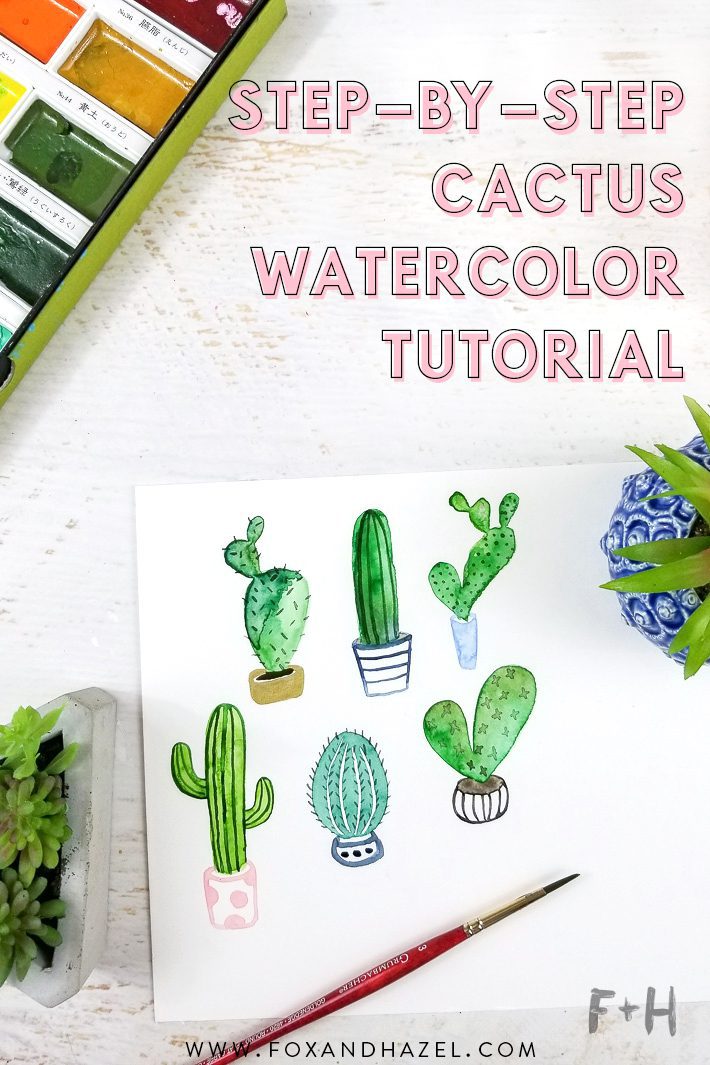
You might also explore cactus-themed crafts as a way to extend the plant’s symbolism into other aspects of your celebration. Create a garland of paper cacti to hang above the mantel, or craft place cards shaped like the plant’s pads, each inscribed with a note of gratitude for the guest it welcomes. These small touches aren’t just decorative; they’re acts of intention, ways to weave the cactus’s lessons into the fabric of the holiday.
And finally, consider the cactus as a metaphor for community. Just as these plants often grow in clusters, their stems intertwined, Thanksgiving is a time to celebrate the networks of support that sustain us. Whether it’s the family gathered around the table or the friends who’ve become chosen family, the cactus reminds us that resilience is often a collective effort. The next time you admire your Thanksgiving cactus, let it be a prompt to reach out—to someone who’s been a spine in your life, offering support in unexpected ways.
FAQ
How do I care for a Thanksgiving cactus?
Thanksgiving cacti require bright, indirect light, a humid environment, and consistent watering. Ensure the top inch of soil dries out between waterings.
What colors do Thanksgiving cactus flowers come in?
Thanksgiving cacti bloom in vibrant hues, including pink, red, purple, and white.
Can I use a cactus as part of my Thanksgiving decor?
Yes, cacti can be a unique and meaningful addition to Thanksgiving decor, symbolizing resilience and gratitude.



Leave a Reply