

Short Answer
There’s something almost alchemical about propagating a Mammillaria cactus—watching a cluster of spines unfurl from a single, unassuming node, as if the desert itself has whispered a secret into your hands. But timing, as with all acts of creation, is everything. The best time to propagate Mammillaria isn’t just a matter of convenience; it’s a dialogue with the rhythms of the earth, a negotiation between dormancy and vitality. Miss the window, and your efforts may wither like a forgotten promise. Hit it just right, and you’ll witness a miniature ecosystem awakening in your palm. So when, exactly, does nature deem it ripe for propagation? Let’s dig deeper.
The Golden Window: Late Spring to Early Summer
Imagine the Sonoran Desert in May, when the sun’s intensity softens into a golden haze and the earth exhales the last of its winter chill. This is the primeval stage for Mammillaria propagation—the moment when the cactus’s internal clock syncs with the external world. During late spring to early summer, Mammillarias emerge from their sluggish winter dormancy, their metabolic engines revving as temperatures hover between 70°F and 90°F (21°C–32°C). The soil, still retaining moisture from sporadic spring rains, provides the perfect medium for root initiation. This isn’t just a seasonal preference; it’s a survival strategy honed over millennia. In the wild, a Mammillaria that propagates too early risks frost damage, while one that waits too long faces the scorching desiccation of peak summer. Your windowsill, however, offers a controlled microclimate—one where you can cheat the odds.
But why this specific window? Mammillarias, like all cacti, are masters of efficiency. Their propagation cycle mirrors the desert’s fleeting abundance: a burst of growth when conditions are favorable, followed by a retreat into dormancy when resources dwindle. By propagating in late spring, you’re not just mimicking nature—you’re exploiting its most opportune moment. The cactus’s internal auxin levels (those hormonal maestros of growth) peak during this period, signaling cells to divide and elongate with uncharacteristic vigor. Attempt propagation in winter, and you’ll be fighting an uphill battle against sluggish metabolism. Summer? The heat can desiccate cuttings before roots even form. Timing, in this case, isn’t just practical—it’s poetic.

The Art of the Cut: Precision in Propagation
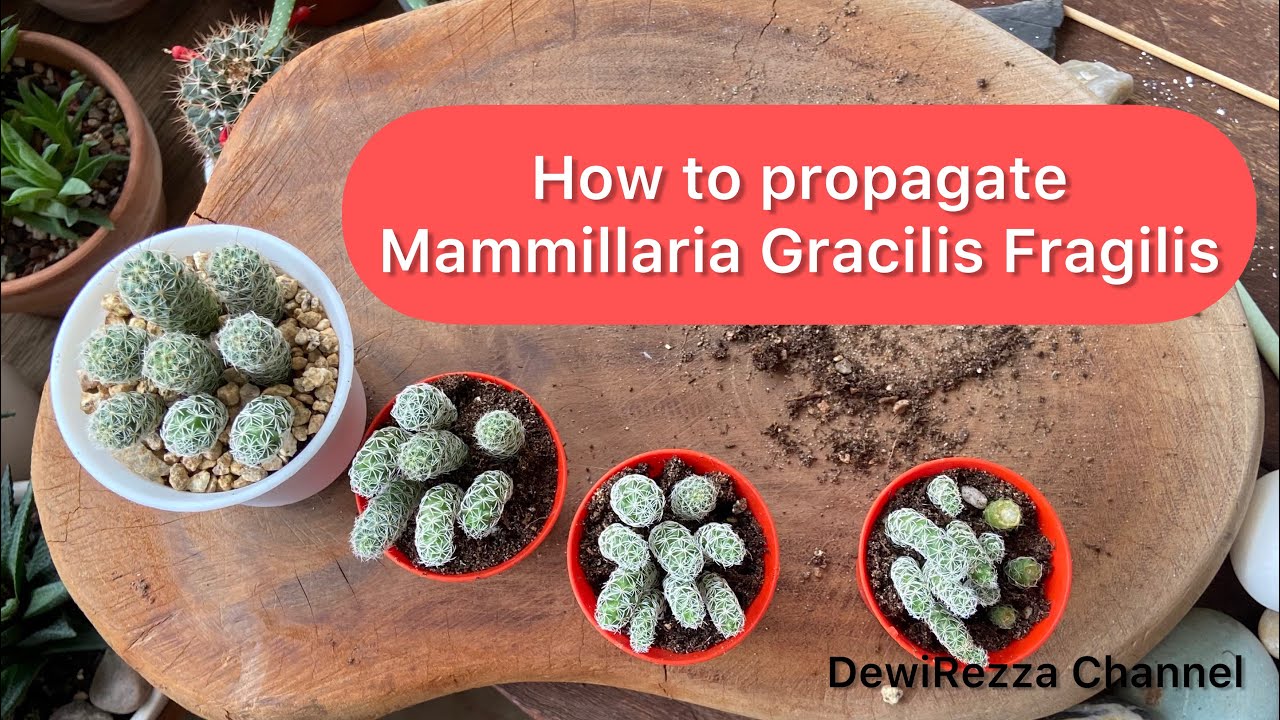
Propagating a Mammillaria isn’t a brute-force endeavor; it’s a surgical strike against entropy. The key lies in the cut—clean, deliberate, and strategic. Start with a healthy offset, or “pup,” ideally one that’s at least a third the size of the parent plant. Use a sterilized blade (a razor’s edge works best) to sever the pup from its base, ensuring you capture a sliver of the mother plant’s tissue. This isn’t just about detachment; it’s about preserving the vascular connection that will later fuel root growth. A jagged cut, by contrast, invites rot and bacterial invasion—a silent killer of propagation dreams.
Once separated, the pup must undergo a critical healing period. Lay it on a dry, shaded surface for 24–48 hours, allowing the cut end to form a calloused barrier. This isn’t mere patience; it’s a defense mechanism. The exposed tissue, now sealed by a layer of dried sap, resists the fungal onslaught that lurks in damp soil. Think of it as the cactus’s version of a scab—ugly, perhaps, but essential for survival. Skip this step, and you’re essentially inviting pathogens to a feast. The callusing process also triggers a hormonal shift, priming the pup for root initiation once it meets soil. It’s a reminder that growth, even in the plant kingdom, often begins with a period of stillness.
Soil Alchemy: Crafting the Perfect Medium
Mammillarias aren’t divas when it comes to soil, but they do demand a blend that balances aeration and moisture retention. A standard cactus mix will suffice, but for propagation, you’ll want to dial up the grit. Perlite, pumice, or coarse sand should comprise at least 40% of your medium, ensuring that excess water drains like a sieve. The goal isn’t just to prevent rot—it’s to replicate the porous, mineral-rich soils of their native habitats, where roots can cling to life without drowning in their own exhalations.
Before planting, pre-moisten the soil lightly—just enough to coax the pup into action without suffocating it. Bury the callused end about a quarter-inch deep, then resist the urge to water immediately. Instead, wait 3–5 days before introducing moisture. This delay mimics the natural dry spells Mammillarias endure in the wild, forcing the pup to seek water aggressively. When you do water, do so sparingly, using a spray bottle to mist the soil’s surface. Overwatering is the silent assassin of propagation; it doesn’t announce its presence with dramatic wilting, but with a slow, creeping rot that starts at the roots and works its way up.
The Light Equation: Finding the Sweet Spot
Light is the invisible hand that shapes a Mammillaria’s destiny. Too little, and the pup will stretch and etiolate, its spines elongating in a desperate bid for photons. Too much, and its delicate tissues will crisp under the sun’s unrelenting gaze. The ideal scenario? Bright, indirect light—think the dappled shade of a desert shrub or the filtered glow of a south-facing window with a sheer curtain. East-facing exposures can also work, provided the pup isn’t subjected to the harsh afternoon rays.
If you’re growing under artificial lights, aim for 12–14 hours of gentle illumination daily. Fluorescent or LED grow lights set 6–12 inches above the pup will suffice. The key is consistency. Mammillarias, like all desert dwellers, thrive on routine. Sudden fluctuations in light intensity can shock the pup, stalling root development or worse, triggering etiolation. Think of light as a nutrient—one that must be dosed with precision. A pup that receives too little light may never root, while one that receives too much may never recover from sunburn.
Patience and Persistence: The Unseen Virtues
Here’s the truth no propagation guide will admit: sometimes, the pup simply refuses to cooperate. Roots may take weeks to appear, or worse, never form at all. This isn’t a reflection of your skill—it’s a reminder that nature operates on its own timeline. The Mammillaria’s propagation journey is one of trial and error, a dance between your expectations and its biological imperatives. Resist the urge to dig up the pup to check for roots. Every disturbance is a setback, a wound that must heal before growth can resume.
Instead, trust the process. After 4–6 weeks, give the pup a gentle tug. If it resists, roots have likely formed. If it slides out effortlessly, it’s back to the drawing board. Don’t be discouraged. Even the most seasoned growers lose propagation battles. What matters is the lesson: that patience is as vital as any soil amendment or lighting setup. The Mammillaria’s resilience is a mirror—reflecting our own capacity to endure, to wait, to trust in the unseen forces that shape growth.
The Reward: A Living Legacy
When the first new spines emerge from your propagated Mammillaria, it’s not just a plant that’s taken root—it’s a piece of the desert, a fragment of a landscape that has thrived for millennia, now transplanted into your care. This is the magic of propagation: it turns a fleeting moment of human intervention into something eternal. The pup you nurtured will one day produce its own offsets, creating a lineage of cacti that outlives you. It’s a quiet act of defiance against the ephemeral nature of life, a testament to the power of timing, patience, and a little bit of desert wisdom.
So when the late spring sun warms your windowsill, and the soil in your pot feels just right, remember: you’re not just planting a cactus. You’re participating in an ancient ritual, one that bridges the gap between human curiosity and the relentless, beautiful persistence of life itself.
FAQ
What is the ideal time to propagate Mammillaria?
The best time to propagate Mammillaria is during late spring to early summer when temperatures are optimal.
How should I prepare the soil for propagation?
Use a cactus mix with at least 40% grit to ensure proper drainage and aeration.
Why is light important for propagated Mammillaria?
Proper light levels are crucial to prevent etiolation and promote healthy growth.

Leave a Reply