

Short Answer
In the vast, sun-baked expanse of the desert, where the earth cracks under the weight of relentless heat and the sky stretches endlessly like a canvas of liquid gold, there thrives a plant of paradoxical resilience and quiet grandeur—the cactus. Its spiny silhouette, both forbidding and fascinating, mirrors the duality of resilience and beauty that defines the spirit of independence. When woven into Independence Day decor, the cactus transcends its arid origins to become a symbol of tenacity, adaptability, and unyielding pride. This fusion of desert grit and patriotic fervor creates a visual narrative that is as unexpected as it is evocative, turning a celebration of freedom into a celebration of nature’s most audacious survivors.
The Cactus as a Metaphor for Resilience: Thorns and Triumph
To adorn Independence Day with cacti is to embrace a metaphor that resonates deeply with the human spirit. The cactus, with its formidable spines, is a plant that has mastered the art of survival in conditions that would annihilate lesser species. It stores water in its fleshy stems, a lifeline in the desert’s cruel drought, much like the collective memory of a nation stores the lessons of its struggles. Each spine, sharp and unyielding, is a reminder that freedom is not given—it is fought for, claimed, and fiercely guarded. When integrated into patriotic decor, these spines transform from mere botanical features into symbols of defiance, each one a silent sentinel standing guard over the ideals of liberty and sovereignty.
The cactus’s ability to bloom in the face of adversity is another layer of its metaphorical power. Against all odds, it produces vibrant flowers, a fleeting but breathtaking spectacle that defies the harshness of its environment. This resilience mirrors the human capacity to thrive even in the most oppressive circumstances. In decor, the cactus’s blooms can be represented through bursts of color—reds, blues, and whites—that echo the hues of national flags. These floral accents serve as a visual testament to the idea that beauty and strength are not mutually exclusive; they are, in fact, intertwined in the fabric of national identity.
Desert Chic: The Aesthetic Allure of Cactus-Inspired Decor
Beyond its symbolic weight, the cactus brings an undeniable aesthetic appeal to Independence Day celebrations. The term “desert chic” has long been associated with minimalism, rugged elegance, and a raw, unfiltered connection to nature. Incorporating cacti into patriotic decor taps into this aesthetic, offering a refreshing departure from the traditional red, white, and blue motifs that dominate such occasions. Instead, the palette expands to include earthy tones—ochres, terracottas, and muted greens—that evoke the vast, untamed landscapes of the desert. These colors provide a grounding contrast to the vibrancy of national symbols, creating a harmonious balance between celebration and contemplation.
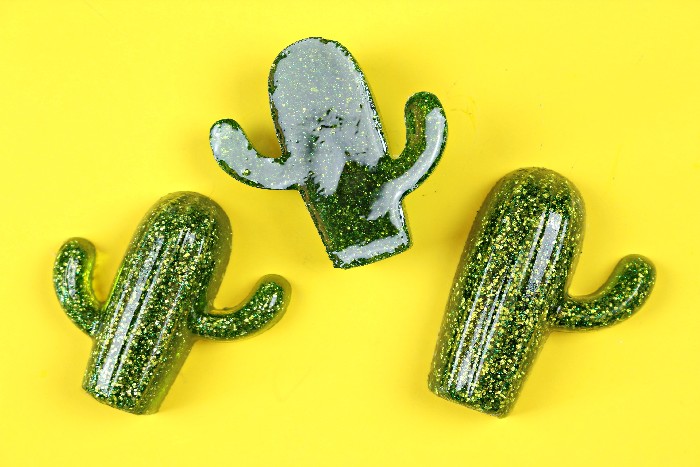
The texture of the cactus itself adds a tactile dimension to decor. Its ribbed, segmented structure invites touch, a tactile invitation to explore the natural world. This can be leveraged in decor through the use of textured fabrics, ceramic replicas, or even dried cactus skeletons, each element adding depth and intrigue to the visual landscape. Imagine a centerpiece composed of stacked ceramic cacti, their surfaces glazed in patriotic hues, or a garland of dried cactus pads intertwined with ribbons in the colors of the national flag. These elements do not merely decorate—they engage, inviting observers to pause and reflect on the interplay between nature and nationhood.
Cultural Syncretism: Blending Traditions with Desert Symbolism
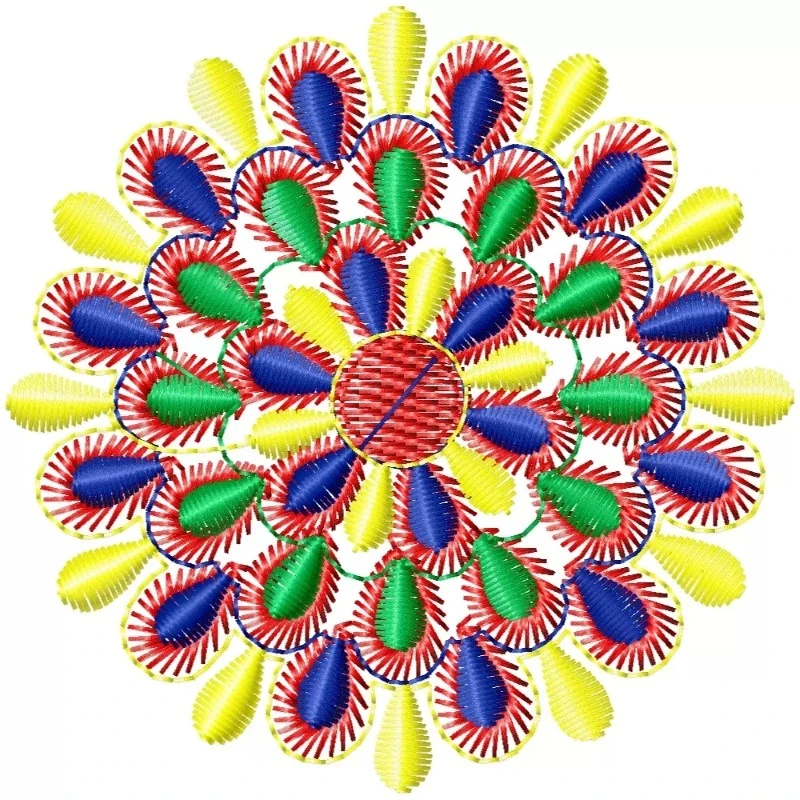
The cactus is not merely a plant; it is a cultural artifact, woven into the mythologies, cuisines, and art of the regions where it thrives. In Mexico, for instance, the cactus is a sacred symbol, revered in folklore and art as a provider of sustenance and shelter. When incorporated into Independence Day decor, it becomes a bridge between cultures, a way to honor the diverse narratives that contribute to a nation’s identity. This syncretism can be celebrated through the fusion of traditional patriotic elements with desert-inspired motifs. A table setting might feature cactus-shaped candles alongside miniature flags, or a wall hanging could combine a woven cactus design with embroidered national symbols.
This blending of traditions also extends to the materials used in decor. Natural elements like sand, terracotta, and wood can be incorporated alongside more conventional patriotic materials like silk and metal. The result is a decor style that feels both timeless and contemporary, rooted in history yet unmistakably modern. The cactus, in this context, becomes a cultural ambassador, its presence a nod to the shared heritage of struggle and triumph that defines many nations.
Sustainability and Symbolism: The Eco-Conscious Patriot
In an era where environmental consciousness is increasingly intertwined with civic duty, the cactus offers a sustainable alternative to traditional decor. Unlike cut flowers that wilt within days, cacti are hardy and long-lasting, making them an eco-friendly choice for celebrations that span multiple days. Artificial cacti, crafted from recycled materials, can also be used, further reducing the environmental footprint of Independence Day festivities. This sustainability is not merely practical; it is symbolic. The cactus, a plant that thrives in harmony with its environment, embodies the principles of conservation and respect for nature that are essential to the long-term health of any nation.
Moreover, the use of cacti in decor can spark conversations about environmental stewardship. A display of cactus-themed patriotic art might prompt observers to consider the impact of climate change on desert ecosystems, or the importance of preserving natural habitats. In this way, the decor becomes more than a celebration of independence—it becomes a call to action, a reminder that the freedom we cherish must extend to the natural world that sustains us.
From Desert to Display: Practical Tips for Cactus-Inspired Decor
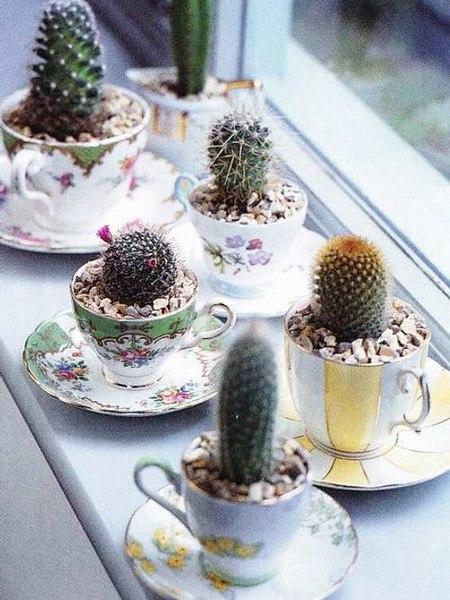
Incorporating cacti into Independence Day decor need not be a daunting task. For those seeking a subtle nod to desert symbolism, small cactus plants in terracotta pots can be scattered throughout a space, their greenery providing a refreshing contrast to the more traditional red and blue accents. For a bolder statement, larger cactus replicas or sculptures can serve as focal points, their imposing forms drawing the eye and sparking curiosity. Table settings can be elevated with cactus-shaped coasters or napkin rings, while wall hangings can feature cactus motifs in vibrant, patriotic colors.
For those with a flair for DIY, crafting cactus-inspired decor can be a rewarding endeavor. Paper mache cacti, painted in the colors of the national flag, can be arranged in clusters to create a dynamic centerpiece. Alternatively, a “cactus wall” can be created using a combination of real and artificial cacti, interspersed with fairy lights to evoke the twinkling stars of a desert night. The key is to balance the ruggedness of the cactus with the elegance of patriotic symbolism, creating a decor style that is both striking and cohesive.
Conclusion: A Celebration of Tenacity and Beauty
The cactus, with its paradoxical blend of sharpness and softness, resilience and beauty, is a perfect emblem for Independence Day. It challenges us to see beyond the conventional, to find strength in adversity, and to celebrate the diversity of the natural world. When woven into the fabric of patriotic decor, it transforms a celebration into a statement—a declaration that freedom is not merely a concept, but a living, breathing force that thrives in the most unexpected of places. So this Independence Day, let the cactus be your guide. Let its spines remind you of the battles fought, its blooms inspire hope, and its presence celebrate the enduring spirit of a nation that, like the desert itself, refuses to be tamed.
FAQ
What makes the cactus a fitting symbol for Independence Day?
The cactus's resilience to harsh environments and its ability to thrive symbolize strength and perseverance, mirroring the qualities celebrated on Independence Day.
How can I create cactus-inspired decor for Independence Day?
Use real or artificial cacti, incorporate patriotic colors in cactus-shaped crafts, and blend desert elements like sand and terracotta with traditional flags and colors.
Is cactus decor environmentally sustainable?
Yes, cacti require little water and care, making them eco-friendly, and artificial cacti made from recycled materials further reduce environmental impact.
Can cactus decor reflect cultural diversity?
Incorporating cactus motifs alongside national symbols can honor the cultural heritage of regions like Mexico and celebrate multiculturalism.

Leave a Reply