

Short Answer
Have you ever stood in the middle of a sunlit room, holding a delicate Lophophora in your palms, wondering how to honor its quiet majesty without suffocating its spirit? This unassuming cactus, often called peyote, carries centuries of cultural weight—its ribbed crown a whisper of ancient rituals, its slow growth a lesson in patience. But how do you invite such a plant into your home without reducing it to mere decor? How do you let it thrive while respecting the stories it carries? Let’s explore how to display Lophophora in your living space with reverence, creativity, and a touch of audacious imagination.
The Art of Sacred Minimalism: Less is More, But Meaning is Everything
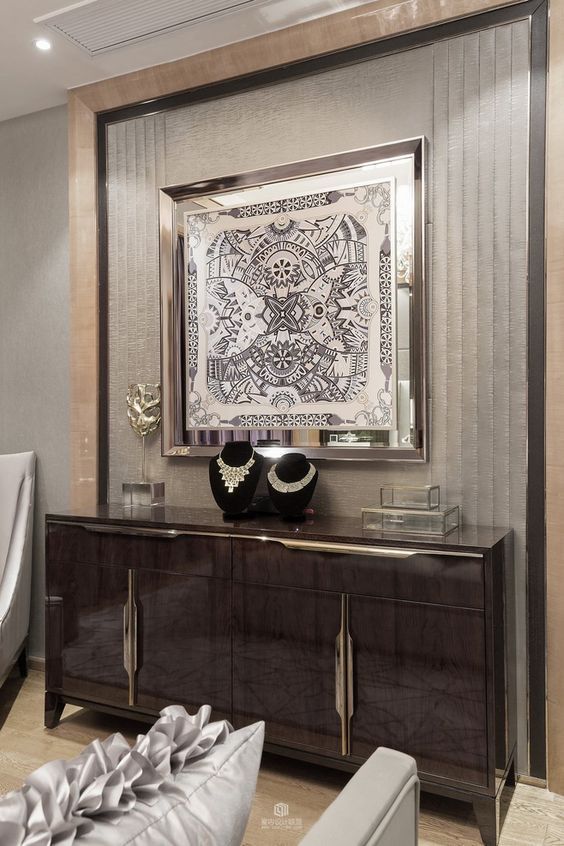
Imagine walking into a room where a single Lophophora sits atop a slab of raw, unpolished travertine, its pale green flesh catching the afternoon light like a sacred artifact. This isn’t just a plant—it’s a focal point, a conversation starter, a silent guardian of intentionality. The key to sacred minimalism lies in curating a space where the cactus isn’t just present; it’s celebrated. Avoid cluttered shelves or competing textures. Instead, pair it with materials that echo its natural habitat: smooth river stones, weathered wood, or even a shallow dish of fine sand to mimic the desert floor. The goal? To create a tableau where the Lophophora feels like it’s not just surviving in your home, but thriving within it.
But here’s the playful challenge: What if your living room is already a riot of color and pattern? Can a Lophophora still command attention without clashing? Absolutely. Think of it as the Zen master of your decor—a single, deliberate presence that grounds the chaos. Place it in a corner where it can bask in indirect light, its silhouette a counterpoint to the flurry of your daily life. The contrast isn’t just visual; it’s philosophical. In a world that demands constant stimulation, the Lophophora offers a radical act of stillness.
Lighting: The Alchemy of Shadow and Glow
Light is the lifeblood of any plant, but for the Lophophora, it’s more than nourishment—it’s a ritual. This cactus thrives in bright, indirect light, but it’s not a fan of harsh midday sun. So how do you mimic the dappled glow of its native Chihuahuan Desert home? Enter the art of dramatic chiaroscuro. Position your Lophophora near a window draped with sheer linen, where the light filters like honey through a sieve. Alternatively, use a small, adjustable grow lamp to simulate the sun’s arc across the sky. The trick is to avoid the sterile, fluorescent hum of modern lighting. Instead, opt for warm, golden hues that coax the cactus into a slow, rhythmic dance of growth.
But what if your space is dim, a cave of shadows where even the most sun-loving plants wilt? Don’t despair. The Lophophora is a survivor, but it’s also a storyteller. Place it on a high shelf or a floating ledge, where it can peer down at the room like an ancient oracle. The lack of light becomes part of the narrative—mystery, patience, the slow unfurling of secrets. Just remember: if you choose this path, rotate the plant regularly. Even in darkness, it deserves to see all sides of its world.
Containers: The Vessel as a Dialogue
A Lophophora’s pot isn’t just a container; it’s a character in its own right. The wrong vessel can make it look like a forgotten trinket on a thrift store shelf, while the right one can elevate it to the status of a living sculpture. Clay pots are traditional, their porous nature mimicking the arid earth of its origins. But don’t overlook the unexpected: a shallow, hand-thrown ceramic dish with a crackled glaze can evoke the parched earth of a desert after rain. Or, for a modern twist, a sleek, matte-black planter that contrasts the cactus’s soft, rounded form.
The challenge? Avoid anything too ornate or colorful. The Lophophora’s beauty is in its simplicity, and a gaudy pot will only distract from its quiet power. Think of the container as a frame for a masterpiece—subtle, understated, but undeniably present. And if you’re feeling adventurous, consider a living pot: a shallow dish filled with moss or fine gravel, where the Lophophora can nestle like a gem in a velvet-lined box. The moss, in particular, adds a touch of whimsy, a nod to the plant’s symbiotic relationship with its environment.
Cultural Reverence: Honoring the Lophophora’s Legacy
This is where things get delicate. The Lophophora isn’t just a plant; it’s a sacred entity in many Indigenous cultures, particularly among the Huichol people of Mexico, who have used it in spiritual ceremonies for millennia. Displaying it in your home isn’t just about aesthetics—it’s about acknowledging its history. So how do you honor that legacy without appropriating it? Start by educating yourself. Learn about the plant’s cultural significance, the rituals it’s part of, and the communities that have protected it for generations. Then, let that knowledge inform how you present it.
Consider creating a small altar or dedicated space where the Lophophora can be the centerpiece. Surround it with objects that reflect its heritage: a small clay figurine, a handwoven textile, or even a single feather. The key is to approach this with humility and respect. This isn’t about turning your living room into a museum exhibit; it’s about creating a space where the plant’s cultural weight is acknowledged, not erased. And if you’re unsure about the ethics, err on the side of caution. There are plenty of other cacti that carry their own stories without the same level of sacred significance.
The Playful Rebellion: Breaking the Rules with Intention
What if you want to do something wildly unconventional? What if you decide to suspend your Lophophora from the ceiling in a macramé hanger, letting its tendrils of roots drift like Medusa’s hair? Or what if you plant it in a vintage teacup, a whimsical nod to its unexpected domesticity? The beauty of the Lophophora is that it’s adaptable. It doesn’t demand perfection; it invites creativity. But here’s the catch: every rebellious choice should come with intention. If you’re breaking the mold, do it with purpose. Ask yourself why you’re choosing this path. Is it to spark joy? To challenge conventions? To create a conversation piece? Whatever your reason, own it.
The challenge, then, is to balance creativity with respect. The Lophophora is a living being, not a prop. So while you’re free to experiment, remember that its well-being comes first. If suspending it from the ceiling means it’s constantly jostled by drafts, reconsider. If a teacup leaves it root-bound and struggling, opt for something larger. The goal isn’t to force the plant into your vision; it’s to collaborate with it, to let its natural beauty guide your choices.
The Final Touch: A Ritual of Connection
Every great display begins with a ritual. Before you place your Lophophora in its new home, take a moment to connect with it. Hold it in your hands. Feel its weight. Whisper to it, if you’re so inclined. This isn’t superstition; it’s acknowledgment. You’re inviting a living entity into your space, and that deserves a moment of intention. Then, as it grows and changes, revisit that ritual. Notice how it leans toward the light, how its ribs deepen with age, how it responds to your care. The Lophophora isn’t just a plant; it’s a companion, a teacher, a silent witness to your life.
And so, the next time you stand in that sunlit room, holding your Lophophora in your palms, remember: you’re not just displaying a cactus. You’re curating a relationship. One that’s built on respect, creativity, and a willingness to listen. The challenge isn’t in finding the perfect spot for it; it’s in creating a space where both you and the plant can thrive, together.
FAQ
How should I position Lophophora in my home for optimal growth?
Place it near windows with filtered light or use warm grow lamps; avoid direct harsh sun and rotate regularly.
What is sacred minimalism in displaying Lophophora?
It’s a style that emphasizes simplicity and meaning, using natural materials and uncluttered spaces to highlight the cactus.
How can I respect the cultural heritage of Lophophora when displaying it?
Educate yourself about its significance, create a respectful display space, and avoid appropriative decor.
Can I use unconventional containers for Lophophora?
Yes, but ensure the plant’s health is prioritized, and the choice reflects intentional creativity rather than mere novelty.


Leave a Reply