

Short Answer
In the heart of autumn, as the air grows crisp and the nights stretch longer, a quiet revolution blooms across the Indian subcontinent. Diwali, the festival of lights, is not merely a celebration of fireworks and sweets—it is a symphony of symbolism, where every flame, every rangoli, and every ritual tells a story of resilience, hope, and transformation. This year, a new tradition is taking root, one that is as unexpected as it is profound: the cactus, a plant of paradoxes, is being reimagined as a beacon of Diwali’s eternal light and prosperity.
The Cactus: A Thorny Paradox in the Garden of Tradition
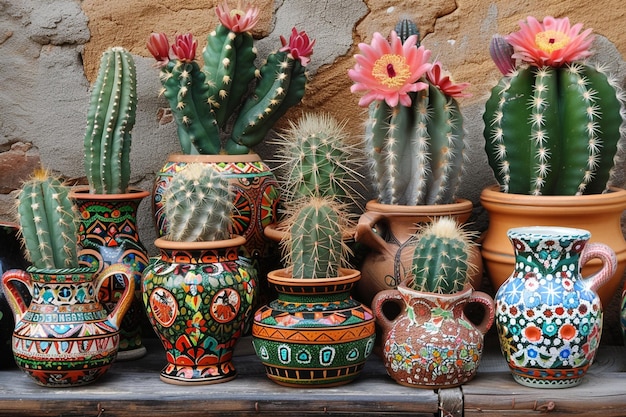
To understand the cactus’s place in Diwali’s tapestry, we must first unravel its identity. Often dismissed as a mere desert dweller, the cactus is, in fact, a master of adaptation—a plant that thrives where others wither, that blooms where others fear to grow. Its spines, sharp as the challenges we face, protect the delicate life within, a metaphor as potent as the lotus rising from murky waters. In a world that often equates fragility with beauty, the cactus dares to redefine resilience. It is a plant that does not ask for permission to flourish; it simply does. And in doing so, it mirrors the spirit of Diwali itself—a festival that refuses to be dimmed by darkness.
Consider the cactus’s resilience. It stores water in its flesh, a lifeline in arid landscapes, much like the way Diwali stores hope in the hearts of those who celebrate it. The cactus does not wither under the scorching sun; instead, it bends but does not break, a lesson in perseverance that Diwali’s rituals echo. When we place a cactus at the center of our Diwali decor, we are not just inviting a plant into our homes—we are inviting a philosophy. A reminder that prosperity is not a passive gift but an active pursuit, one that requires patience, care, and an unyielding spirit.
Light as a Living Entity: The Cactus’s Glow in the Dark
Diwali is, at its core, a festival of light. But what if we reimagined light not as a fleeting spark, but as a living, breathing entity? The cactus, with its nocturnal blooms, offers a radical reinterpretation of illumination. While most plants retreat at dusk, the cactus unfurls its petals under the cover of night, as if to say, “The dark is not the absence of light, but the canvas upon which light paints its most vivid hues.”
Imagine a Diwali where the cactus is not just a decorative element, but a living lantern. Its spines catch the flicker of diyas, casting intricate shadows that dance like fireflies trapped in glass. Its blooms, when they appear, are not just flowers—they are constellations, tiny suns that remind us that even in the stillness of night, life is pulsating, growing, thriving. This is not just decoration; it is a meditation on the duality of light and dark, a celebration of the fact that one cannot exist without the other.
Incorporating the cactus into Diwali’s luminous traditions is to acknowledge that light is not merely something we chase—it is something we nurture. The cactus teaches us that light, like prosperity, is not given; it is cultivated. It requires attention, water, and time. And when it finally arrives, it is all the more radiant for the effort.
Prosperity as a Thorny Path: The Cactus’s Lesson in Abundance
Prosperity is often depicted as a smooth, unobstructed journey—a golden path lined with opportunities. But what if prosperity is, in fact, a cactus-lined road? A path where every step forward requires navigating thorns, where growth is slow but deliberate, where the rewards are not immediate but enduring?
The cactus does not promise instant gratification. Its fruits ripen slowly, its flowers bloom sporadically, and its growth is measured in years, not days. Yet, when it does bear fruit, it offers sustenance that is sweet, rare, and deeply nourishing. This is the essence of Diwali’s prosperity—not the fleeting joy of material wealth, but the slow, steady accumulation of wisdom, resilience, and inner light.
In a world that often equates success with speed, the cactus is a radical teacher. It reminds us that true abundance is not about accumulating more, but about appreciating what we have. It is about understanding that the thorns we encounter are not obstacles, but guides—pointing us toward the most fertile ground. When we place a cactus at the heart of our Diwali celebrations, we are not just decorating our homes; we are making a pact with ourselves. A pact to embrace the slow burn of growth, to find joy in the journey, and to trust that prosperity, like the cactus’s bloom, will arrive when the time is right.
From Desert to Diya: The Cactus’s Journey into Ritual
How does a plant so deeply associated with arid landscapes find its place in a festival that celebrates the monsoon’s end and the harvest’s beginning? The answer lies in the cactus’s ability to transcend its origins. Just as Diwali is a festival of renewal, so too is the cactus a symbol of rebirth. It sheds its old skin, grows anew, and in doing so, becomes something entirely different.
The cactus’s journey into Diwali’s rituals is not about erasing its past, but about recontextualizing it. It is about taking a plant that thrives in scarcity and reimagining it as a harbinger of abundance. It is about taking a symbol of solitude and turning it into a centerpiece of celebration. This is the magic of tradition—it is not static, but fluid. It bends to accommodate new stories, new meanings, new possibilities.
Consider the act of placing a cactus in a diya. The diya, a vessel of light, is traditionally filled with oil and a wick. But what if we filled it with soil instead? What if the wick were not just a thread of cotton, but a living plant? The cactus, with its deep roots and upward-reaching spines, becomes both the vessel and the flame. It is a reminder that prosperity is not something we consume, but something we nurture. That light is not something we possess, but something we cultivate.
The Cactus and the Collective: A New Diwali Narrative
Diwali is not just a personal celebration; it is a communal one. It is a festival that binds families, neighbors, and even strangers in a shared tapestry of light and joy. The cactus, with its solitary yet resilient nature, offers a new narrative for this collective experience. It is a plant that stands alone but does not isolate itself. It is a plant that thrives in harsh conditions but does not hoard its resources. It is a plant that blooms not for itself, but for the world to see.
Incorporating the cactus into Diwali’s traditions is to invite a new kind of conversation. It is to ask: What does it mean to be prosperous? What does it mean to be illuminated? What does it mean to belong? The cactus does not offer easy answers. Instead, it offers a mirror—a reflection of our own resilience, our own capacity for growth, our own ability to turn thorns into light.
This Diwali, let the cactus be more than a decoration. Let it be a teacher. Let it be a reminder. Let it be the living embodiment of Diwali’s most profound promise: that even in the harshest of landscapes, life will find a way to bloom.
FAQ
Why is the cactus a symbol of prosperity during Diwali?
The cactus symbolizes resilience and the slow, steady pursuit of prosperity, reflecting the values celebrated during Diwali.
How can I incorporate cacti into my Diwali decorations?
Cacti can be used as centerpieces, placed in diyas, or positioned around the home to symbolize light and hope.

Leave a Reply