
Short Answer
Imagine a plant so enigmatic, so otherworldly, that it doesn’t just grow—it *emerges*. A living paradox, half-rock, half-life, the Ariocarpus genus defies the very notion of what a cactus should be. These “living rocks” aren’t just survivors; they’re time capsules, whispering secrets of resilience through their fissured, stone-like bodies. If you’ve ever felt the call of the unusual, the thrill of nurturing something rare and exquisite, then Ariocarpus isn’t just a plant to grow—it’s a revolution in perspective. Let’s peel back the layers of their mystique and uncover how to coax these botanical marvels into thriving under your care.
The Allure of the Living Rock: Why Ariocarpus Captivates the Imagination
There’s something almost primal about Ariocarpus. These cacti, native to the arid landscapes of Mexico and Texas, have evolved into forms that mimic the very stones around them—a survival tactic so cunning it borders on artistry. Their flattened, tuberous bodies, often adorned with warty or fissured textures, aren’t just camouflage; they’re a masterclass in evolutionary ingenuity. But their appeal isn’t merely aesthetic. Ariocarpus species, like *Ariocarpus fissuratus* or *Ariocarpus retusus*, are living testaments to patience. They grow slowly, deliberately, as if savoring each millimeter of existence. For the plant enthusiast, this isn’t just a hobby—it’s a meditation on the slow, unhurried pulse of nature.
What’s more, these cacti challenge our preconceptions. They don’t conform to the spiny, towering silhouettes we associate with desert flora. Instead, they sprawl low to the ground, their geometric patterns almost alien. It’s as if they’ve stepped out of a sci-fi novel, yet they’re very much rooted in the earth. This dissonance is part of their charm. They force us to look closer, to question, to marvel. And when you finally coax a bloom from one—a radiant, daisy-like flower that seems too delicate for such a rugged exterior—you’re not just growing a plant. You’re participating in a silent dialogue with time itself.
Decoding the Ariocarpus Habitat: Mimicking the Wild in Your Home
To grow Ariocarpus is to become a mimic, a choreographer of microclimates. These plants hail from regions where the sun is relentless, the soil is mineral-rich, and the rain is a rare, almost sacred event. The key to their cultivation lies in replicating these conditions with precision—or at least, with as much precision as a human can muster.
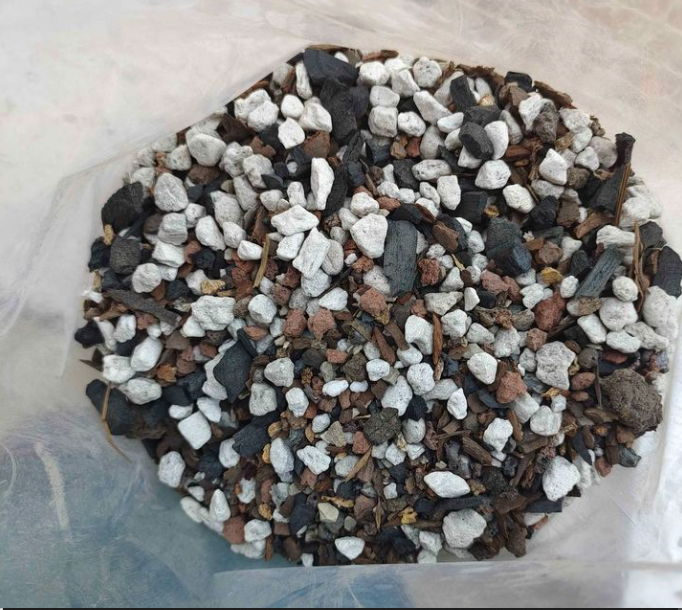
Start with the soil. Ariocarpus despise soggy roots, so a gritty, sharply draining mix is non-negotiable. Think of it as a desert bedrock: a blend of coarse sand, perlite, and a smattering of organic matter—perhaps a whisper of coconut coir or pumice—to mimic the mineral-laden soils of their native habitats. The texture should be coarse enough to prevent compaction, yet airy enough to let oxygen dance between the grains. If your mix feels too fine, it’s time to amend it. Ariocarpus roots aren’t just thirsty; they’re claustrophobic.
Next, the container. Terracotta pots are ideal—they breathe, they age beautifully, and they won’t trap excess moisture like plastic might. Ensure there are ample drainage holes, because a waterlogged Ariocarpus is a doomed one. As for placement, these plants crave light, but not the blistering, midday sun of a southern exposure. A bright, south-facing window with some afternoon shade, or a grow light set to 12-14 hours a day, will keep them from stretching into leggy shadows of themselves. Remember, in the wild, they’re often nestled among rocks or partially buried, so mimic that by planting them slightly elevated or in a shallow dish where their crowns peek above the soil like geological formations.
The Art of Watering: When Less Becomes More
Here’s where the real magic—and the real challenge—begins. Ariocarpus don’t just tolerate neglect; they *thrive* on it. Overwatering is their kryptonite. These plants have evolved to endure months, even years, of drought, storing water in their thick, fleshy bodies like camels in the desert. Your job isn’t to drown them in affection but to understand the rhythm of their thirst.
During the growing season—typically spring through early autumn—water sparingly but deeply. The soil should be allowed to dry out completely between waterings. A good rule of thumb? If the top inch of soil is bone-dry, it’s time for a drink. But here’s the twist: Ariocarpus are opportunists. They’ll take advantage of a sudden downpour, swelling with moisture, but they’ll also shut down when the rains stop. Mimic this by watering thoroughly, then stepping back. Let them dictate the pace.
In winter, reduce watering to a bare minimum. These plants enter a state of dormancy, a survival mode where growth slows to a crawl. A light misting every 4-6 weeks is often enough to keep them from shriveling. The goal isn’t to keep them lush; it’s to keep them alive until the next growing season.
And then there’s the matter of humidity. Ariocarpus are desert specialists, and high humidity is their nemesis. If your air is thick with moisture, they’ll rot from the inside out. Keep them in a dry environment, and if your climate is naturally humid, consider a dehumidifier or a fan to circulate air around them. They’re not just plants; they’re connoisseurs of arid elegance.
Feeding the Living Rock: Fertilizer as a Delicate Dance
Fertilizer is a touchy subject with Ariocarpus. These plants aren’t heavy feeders; in fact, they’re more likely to resent a heavy hand than they are to thank you for it. Think of fertilizer as a spice—just a pinch can enhance the flavor, but too much will ruin the dish.
During the growing season, a diluted, balanced fertilizer (think 10-10-10 or 5-10-10) applied once a month is plenty. Dilute it to half strength to avoid overwhelming their slow metabolism. Skip fertilizing entirely during their winter dormancy. Ariocarpus aren’t interested in bulking up; they’re interested in surviving, and they’ve got this down to an art.
If you’re using organic fertilizers, be especially cautious. Manure teas, worm castings, or fish emulsion can be too rich, leading to root burn or rot. Ariocarpus prefer their nutrients lean and mean, like a desert meal of sun-baked minerals and sparse rainfall.
The Slow Bloom: Patience as the Ultimate Virtue
There’s a reason Ariocarpus are prized by collectors. They don’t rush. They don’t flaunt. They bloom when they’re ready, and that could be years after you’ve planted them. But when they do, it’s worth the wait.
Most species produce flowers in late summer or early autumn, though some may surprise you in spring. The blooms are often small, daisy-like, and surprisingly vibrant—white, pink, purple, or even yellow, depending on the species. They emerge from the center of the plant, a fleeting spectacle that lasts only a few days. To encourage flowering, ensure your Ariocarpus is getting enough light and a winter rest period. Stress—within reason—can also trigger blooming, but don’t go overboard. These plants aren’t martyrs; they’re survivors.
If your Ariocarpus refuses to bloom, don’t despair. Some specimens take decades to reach maturity. Others may need a slight shift in their environment—a bit more light, a touch less water. Observe, adjust, and trust the process. The reward isn’t just a flower; it’s the knowledge that you’ve nurtured something rare, something that moves at its own pace, something that refuses to be hurried.
Propagation: Growing the Next Generation
Ariocarpus propagation is a lesson in humility. These plants don’t play by the rules of most cacti. Seeds are the primary method, but they’re notoriously slow and finicky. Germination can take weeks, months, or even years, and the seedlings are delicate, prone to damping off or rotting if not treated with kid gloves.
If you’re up for the challenge, start with fresh seeds and a sterile, gritty mix. Sow them in a shallow tray, barely covering them with soil, and keep the mix consistently moist (but not wet) under bright, indirect light. A heat mat can help speed up germination, but don’t expect miracles overnight. Ariocarpus seeds are patient; you’ll need to be too.
Offsets, or pups, are rare in Ariocarpus, but not impossible. Some species, like *Ariocarpus fissuratus*, may produce offsets over time. If you’re lucky enough to find one, you can carefully separate it from the parent plant and pot it up in fresh soil. Treat it like a delicate treasure—because it is.
Remember, propagation isn’t about instant gratification. It’s about continuing the lineage of these extraordinary plants, about playing a small role in their ancient, slow dance with the earth.
Troubleshooting: When the Living Rock Stumbles
Even the most meticulous grower will encounter setbacks. Ariocarpus are tough, but they’re not invincible. Here’s how to spot trouble and intervene before it’s too late.
Rot: The silent killer. If your Ariocarpus feels mushy or smells sour, it’s rotting. Act fast: remove it from the soil, trim away the affected tissue with a sterilized knife, and let it callus over in a dry, shaded spot for a week. Repot it in fresh, gritty soil and reduce watering. If the rot has spread to the roots, you may need to start over with a cutting or offset.
Shriveling: This is usually a sign of thirst or root damage. Check the soil—if it’s bone-dry, give it a drink. If the roots are brown and mushy, you’ve got rot. If they’re dry and papery, the plant is simply dehydrated. Adjust your watering schedule accordingly.
Stretching: Ariocarpus that aren’t getting enough light will elongate, losing their compact, rock-like form. Move them to a brighter spot or supplement with a grow light. Remember, these plants are sculptors of light; give them what they need to create their masterpieces.
Pests: Mealybugs and scale insects can be a nuisance, especially in indoor settings. Inspect your plants regularly, and if you spot pests, treat them with a cotton swab dipped in rubbing alcohol or a horticultural oil spray. Avoid chemical pesticides—they can harm your Ariocarpus more than the pests.
The Reward: A Living Sculpture in Your Hands
To grow Ariocarpus is to engage in a silent conversation with the ancient. These plants are not just decorations; they’re timekeepers, survivors, artists of adaptation. They teach us patience, resilience, and the beauty of moving at one’s own pace. They challenge our notions of what a plant can be, pushing the boundaries of form and function.
When you finally hold a thriving Ariocarpus in your hands—its fissured surface catching the light, its slow, deliberate growth a testament to your care—you’re not just a gardener. You’re a custodian of the extraordinary. You’ve coaxed a piece of the desert into your home, a living rock that pulses with quiet defiance against the rush of modern life.
So go ahead. Embrace the slow. Revel in the rare. Grow the living rock. The earth will thank you.
FAQ
How often should I water my Ariocarpus?
Water sparingly during the growing season, allowing the soil to dry out completely between waterings.
What type of soil is best for Ariocarpus?
A gritty, sharply draining mix, ideally with coarse sand and perlite.
When do Ariocarpus bloom?
They typically bloom in late summer or early autumn, but some may surprise you in spring.

Leave a Reply