
Short Answer
In the arid embrace of a cactus garden, life thrives in unexpected abundance. While these spiky sentinels often evoke images of solitude and harshness, they are, in fact, bustling ecosystems teeming with resilience and biodiversity. Creating a cactus garden that supports local wildlife isn’t just about cultivating prickly flora—it’s about weaving a tapestry of life where every thorn and bloom plays a vital role. From the industrious bees that dart between blooms to the lizards that sunbathe on sun-warmed stones, your garden can become a sanctuary for creatures great and small. This guide will walk you through the art of designing a cactus garden that nurtures wildlife, ensuring your outdoor space is as lively as it is striking.
The Foundations: Selecting Native Cacti for a Wildlife-Friendly Habitat
Not all cacti are created equal when it comes to supporting local ecosystems. The key lies in choosing species that are indigenous to your region, as they’ve evolved alongside native wildlife and offer the most reliable sustenance. Begin by researching the cacti native to your area—whether it’s the towering Carnegiea gigantea (saguaro) of the Sonoran Desert or the diminutive Mammillaria heyderi (little nipple cactus) of Texas. These plants have co-evolved with local pollinators, seed dispersers, and herbivores, making them the backbone of a thriving wildlife garden.
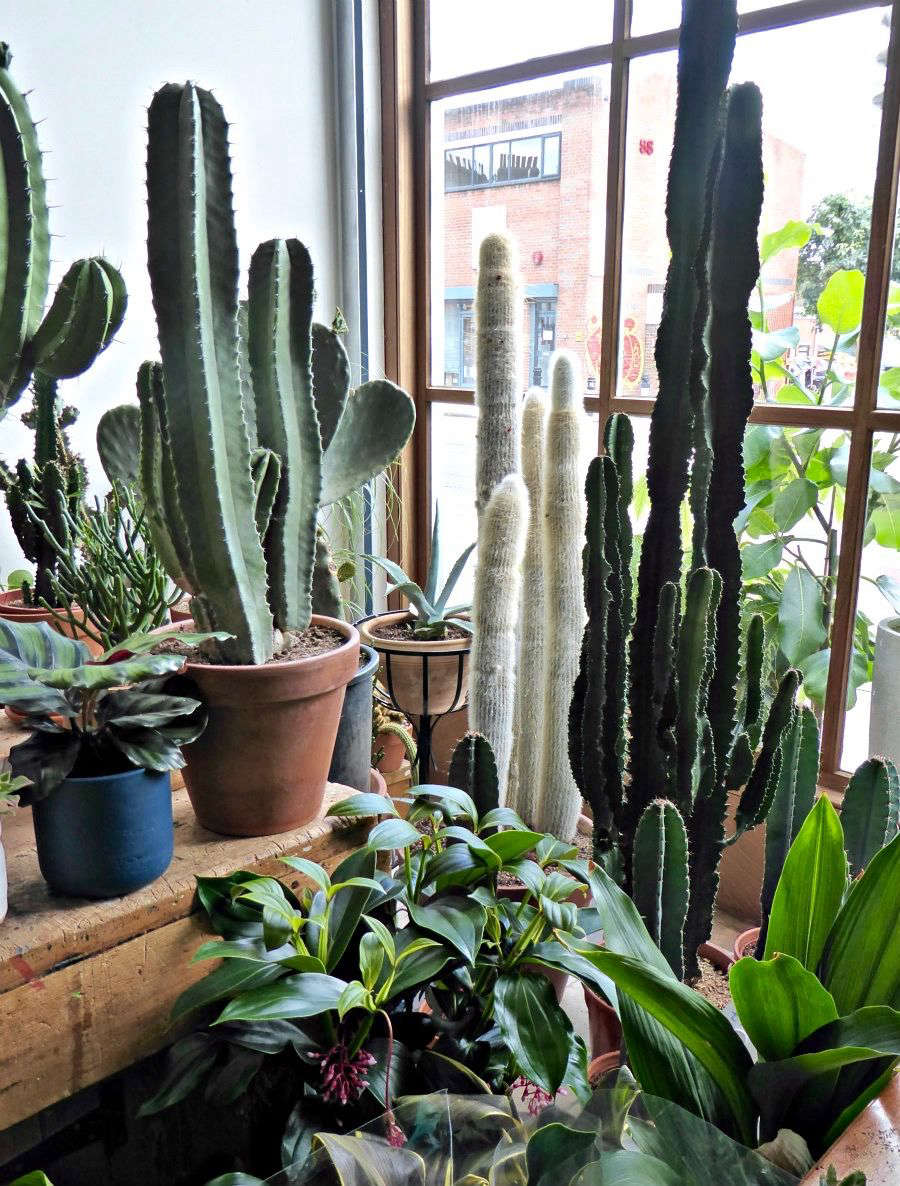
Consider the diversity of cactus forms: columnar species like Pachycereus pringlei provide vertical perches for birds, while sprawling Opuntia pads offer shelter for ground-dwelling creatures. Opt for a mix of shapes and sizes to create layered habitats. Remember, wildlife thrives in complexity. A garden with both tall sentinels and low-lying clusters mimics the natural desert mosaic, inviting a wider array of species to call it home.
Bloom and Beyond: Designing for Seasonal Wildlife Support
A cactus garden isn’t static—it’s a dynamic tableau that shifts with the seasons. To ensure year-round wildlife support, strategically select cacti with staggered blooming periods. Early spring bloomers like Echinocereus engelmannii (hedgehog cactus) provide nectar for emerging bees, while late summer’s Ferocactus wislizeni (fishhook barrel cactus) sustains hummingbirds before migration. This sequential flowering ensures a steady food supply, preventing wildlife from facing lean periods.
Complement your cacti with companion plants that bridge blooming gaps. Desert marigolds, penstemons, and agaves can fill in when cacti are dormant, offering pollen and nectar. Even non-succulent plants like brittlebush (Encelia farinosa) play a crucial role, attracting butterflies and beetles. Think of your garden as a buffet where every season brings a new course—one that wildlife can’t resist.
Water Wisdom: Creating Oases in Arid Landscapes
Water is the lifeblood of any ecosystem, and in a desert garden, its presence—or absence—dictates which creatures will visit. While cacti are champions of drought tolerance, many desert animals still rely on water sources. Introduce a shallow birdbath or a small, pebble-lined dish to provide drinking water. Elevate it slightly to deter larger predators and add a few rocks for insects to escape if they fall in. During scorching months, refresh the water daily to prevent it from becoming a breeding ground for mosquitoes.
Mulching is another water-wise strategy. A layer of decomposed granite or gravel around your cacti retains soil moisture, reduces evaporation, and creates microhabitats for insects like ground beetles and ants. These tiny creatures aerate the soil and control pests, forming an invisible workforce that keeps your garden balanced. Water, when used thoughtfully, transforms a cactus garden from a mere aesthetic display into a vital resource.
Shelter and Sanctuary: Building Wildlife Havens with Cacti
Cacti are more than just food sources—they’re architectural marvels that offer shelter. The dense spines of Ferocactus species create impenetrable barriers for small mammals, while the hollowed-out trunks of dead saguaros become nesting sites for woodpeckers and owls. To maximize shelter potential, leave some dead cacti standing as “snags,” nature’s apartment buildings. If space allows, incorporate rock piles or stacked stones near your garden; these provide refuge for reptiles and amphibians seeking respite from the sun.
Consider the vertical dimension. Tall cacti like Pachycereus species can serve as perches for birds of prey, while lower-growing Echeveria clusters offer hiding spots for lizards and rodents. Even the shadows cast by cacti create cool retreats for insects and arachnids. By layering your garden with both living and dead cacti, you’re essentially building a high-rise ecosystem where every resident has a niche.
Pollinator Partnerships: Cultivating a Bee and Butterfly Paradise
Cacti and pollinators share a relationship as old as the desert itself. Many cactus species, particularly those in the Cylindropuntia and Mammillaria genera, rely on bees, butterflies, and even bats for pollination. To attract these vital allies, plant clusters of cacti in sunny, wind-protected areas. Bees are drawn to the bright, tubular flowers of Echinocactus grusonii (golden barrel cactus), while the delicate blooms of Mammillaria elongata (ladyfinger cactus) beckon hoverflies and solitary bees.
But pollinators need more than just flowers. Create “bee highways” by leaving bare patches of soil where ground-nesting bees can excavate tunnels. Avoid pesticides at all costs—even organic ones can harm these delicate creatures. Instead, foster a balanced ecosystem where predatory insects like ladybugs keep pest populations in check. A cactus garden that buzzes with life is a testament to the power of intentional design.
Feast for the Eyes and the Palate: Edible Cacti for Wildlife and Humans
Some cacti offer more than just beauty—they provide sustenance. Prickly pear (Opuntia species) and cholla (Cylindropuntia species) produce fruit that is devoured by birds, coyotes, and even humans. The pads of prickly pear are a delicacy for desert tortoises and jackrabbits. By including edible cacti in your garden, you’re not just feeding wildlife; you’re creating a shared table where humans and animals can coexist harmoniously.
Harvesting cactus fruit or pads requires care—always wear thick gloves and use tongs to avoid spines. Share the bounty with local wildlife by leaving some fruit on the plants. A garden that nourishes both body and soul is a legacy worth cultivating.
The Night Shift: Attracting Nocturnal Wildlife with Cacti
When the sun sets, a different cast of characters emerges. Bats, moths, and night-active beetles are drawn to the fragrant, pale blooms of nocturnal cacti like Selenicereus grandiflorus (queen of the night). These plants unfurl their flowers after dusk, releasing sweet scents that guide pollinators in the moonlight. To cater to night owls—literally—install a low-wattage solar light near your garden to provide just enough illumination for moths to navigate without disrupting their behavior.
Leave some areas of your garden undisturbed, with leaf litter or loose soil where insects can overwinter. These dark corners become refuges for creatures that shun the daylight. A cactus garden that hums with nocturnal activity is a reminder that life doesn’t sleep when the sun does.
Maintenance with a Mission: Sustainable Care for a Wildlife Oasis
Caring for a wildlife-friendly cactus garden is less about control and more about stewardship. Avoid over-pruning, as dead foliage provides shelter for insects and small mammals. Instead, remove only what’s necessary to maintain airflow and prevent disease. When watering, do so sparingly—cacti prefer neglect to overindulgence. Use organic fertilizers sparingly, if at all, to avoid disrupting the delicate balance of your garden’s ecosystem.
Monitor your garden like a wildlife documentary filmmaker. Note which species visit, which plants they favor, and any changes in behavior. This observational approach ensures your garden evolves alongside its inhabitants. Remember, a cactus garden is never truly “finished”—it’s a living, breathing entity that grows and adapts with the seasons.
Creating a cactus garden that supports local wildlife is an act of rebellion against the sterility of modern landscaping. It’s a declaration that even in the driest places, life finds a way—and that we, as stewards, can help it flourish. So grab your gloves, embrace the spines, and let your garden become a testament to the tenacity of nature. The desert isn’t empty; it’s waiting for you to listen.
FAQ
What are the benefits of using native cacti in a wildlife garden?
Native cacti provide familiar food and shelter for local wildlife, supporting pollinators and other desert creatures effectively.
How can I design my cactus garden to support year-round wildlife?
Select cacti with staggered bloom times and complement with companion plants to provide continuous food and shelter throughout seasons.
Is it safe to harvest edible cactus fruit without harming wildlife?
Yes, but harvest carefully and leave some fruit on plants to ensure wildlife also has access.
What is the importance of water features in a cactus garden?
Water features provide essential hydration for wildlife and create microhabitats, especially during dry periods.
How do I create shelter for wildlife using cacti?
Include a variety of cactus shapes and sizes, leave dead cacti standing as snags, and add rock piles to provide hiding and nesting spots.




Leave a Reply