
Short Answer
What if you could sculpt a botanical Frankenstein—part desert sentinel, part skyward spire—by fusing the stoic beauty of an Astrophytum with the wild exuberance of another cactus? Grafting, that alchemical act of plant surgery, transforms the ordinary into the extraordinary. It’s not just propagation; it’s a collaboration between species, a dance of cambium layers and hormonal whispers. But beware: this isn’t a task for the faint-hearted. The stakes are high, the margins for error slim. Are you ready to wield the scalpel of a green-thumbed deity?
The Allure of Astrophytum: Why This Star-Bearing Cactus Captivates Grafting Enthusiasts
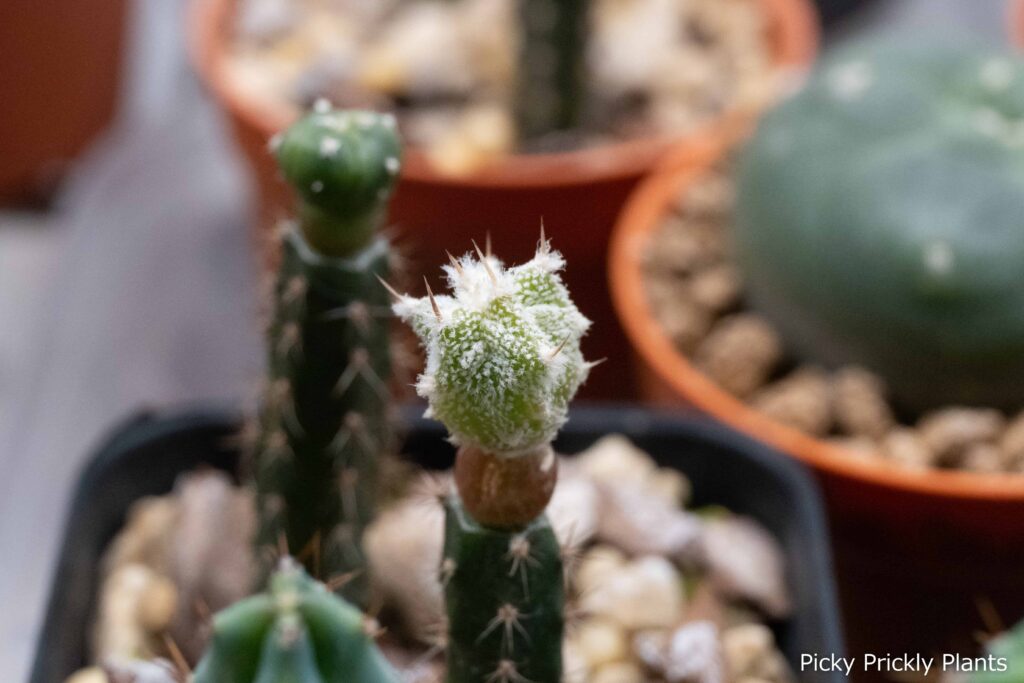
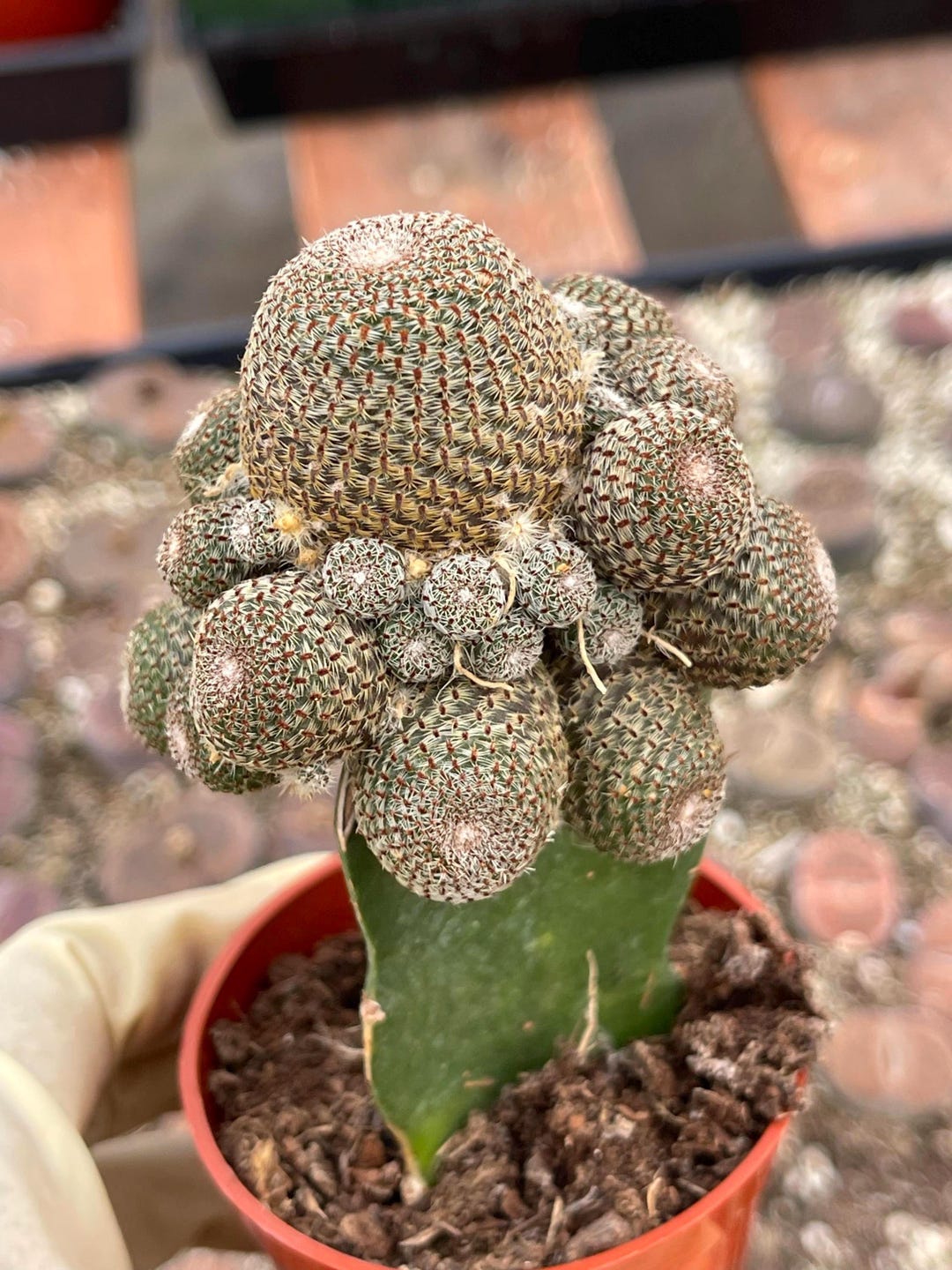
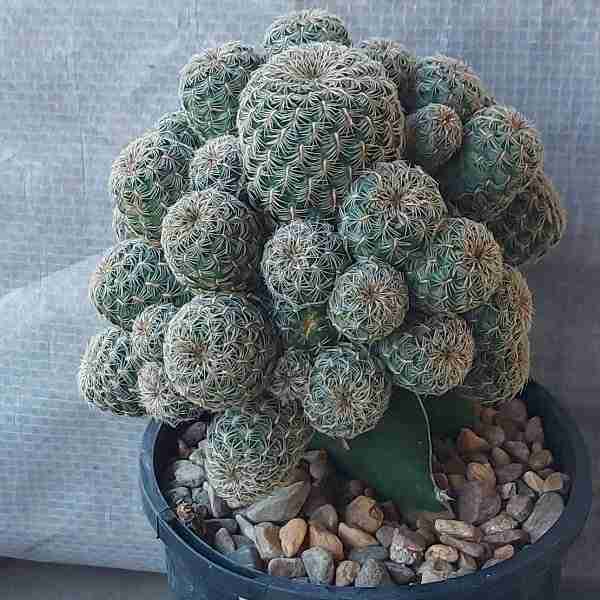
Astrophytum, with its geometric ribs and sunburst of flowers, is the prima ballerina of the cactus world. Its slow growth and regal bearing make it a prized subject for grafting, but why graft it at all? The answer lies in acceleration. A grafted Astrophytum can mature faster, bloom sooner, and even inherit the resilience of its host. Imagine a tiny star cactus perched atop a towering column of Harrisia, its roots drinking in vigor while its crown flaunts celestial blooms. It’s a symbiotic fantasy—one where the whole becomes greater than the sum of its parts. Yet, this union demands respect. The Astrophytum’s delicate epidermis is no match for a careless cut, and the wrong host could spell disaster. The challenge? Finding a partner whose vascular system sings in harmony with the star.
Selecting the Perfect Partner: Host Cacti That Won’t Betray Your Botanical Ambitions
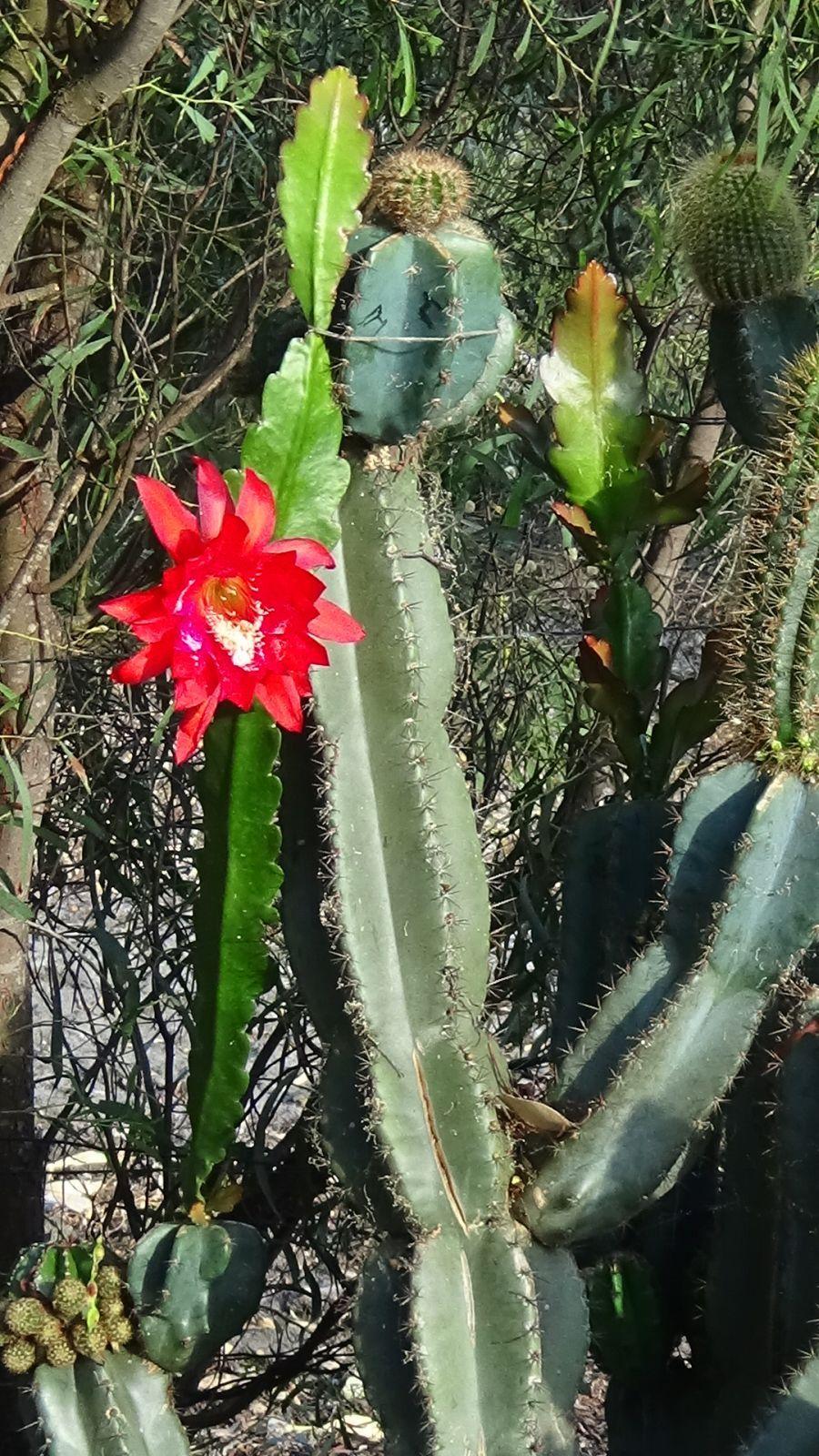
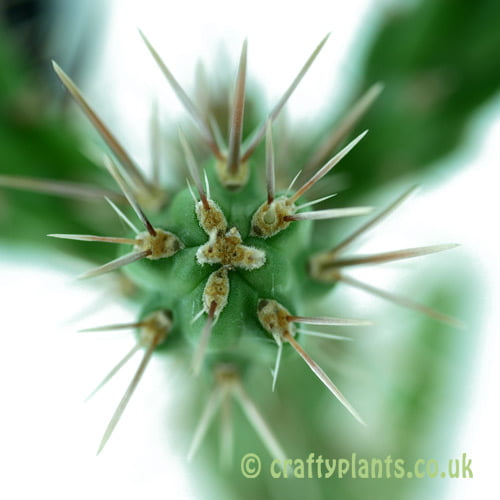
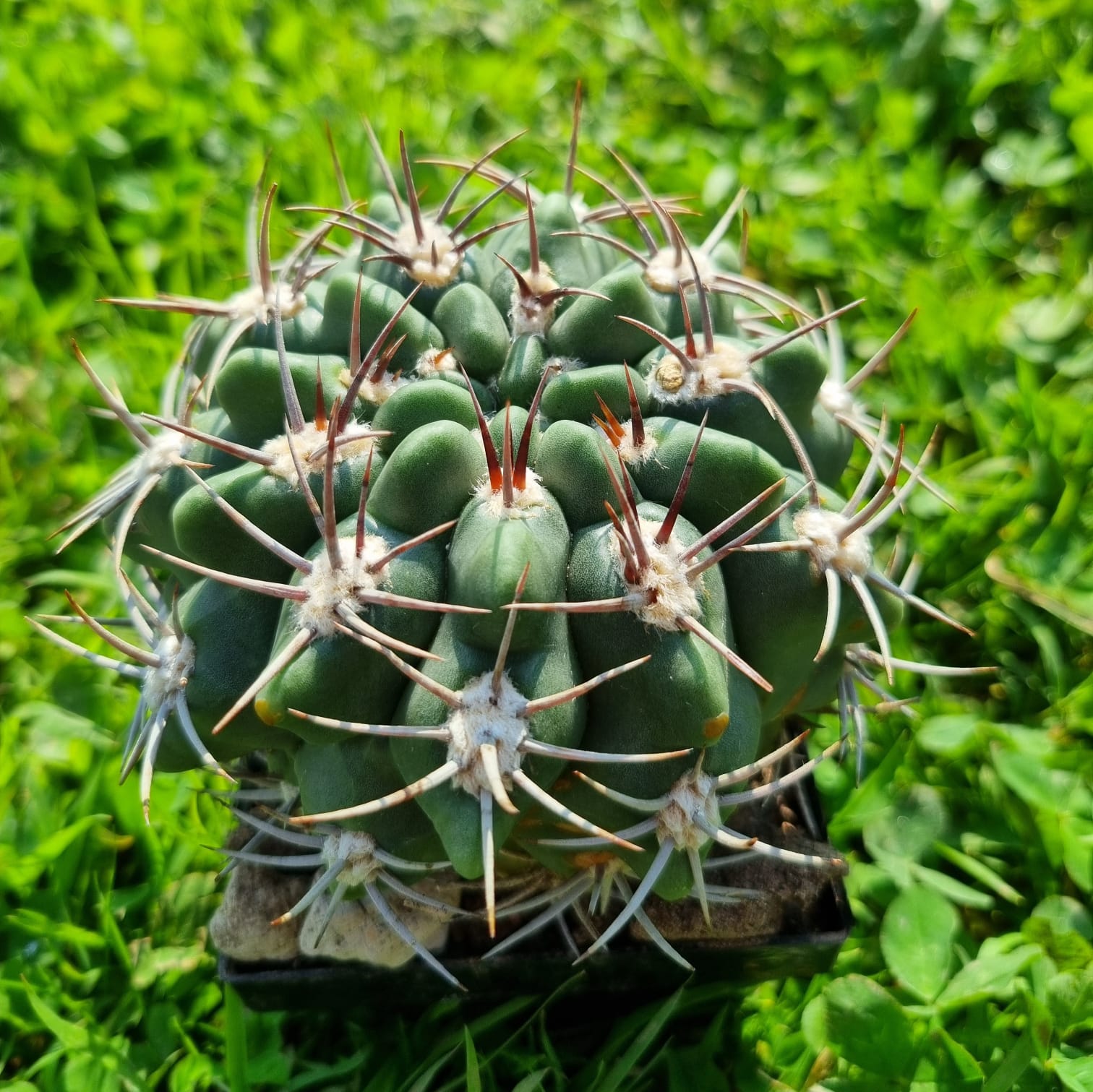
Not all cacti are created equal in the grafting arena. The ideal host must be robust, fast-growing, and—most critically—compatible. Harrisia, with its serpentine arms and rapid elongation, is a classic choice, offering both structural support and a steady supply of nutrients. Pereskiopsis, a leafy cousin with a penchant for speed, is another darling among grafters, its soft tissue forgiving of rookie mistakes. But steer clear of the divas: slow-growing giants like Echinocactus or Ferocactus may resist integration, leaving your Astrophytum orphaned on an incompatible throne. The key is to match growth rates and moisture needs. A desert-loving Astrophytum atop a moisture-hoarding jungle cactus? A recipe for rot. Choose wisely, or your star will dim before it ever shines.
The Surgical Artistry of Grafting: Tools, Timing, and Trembling Hands
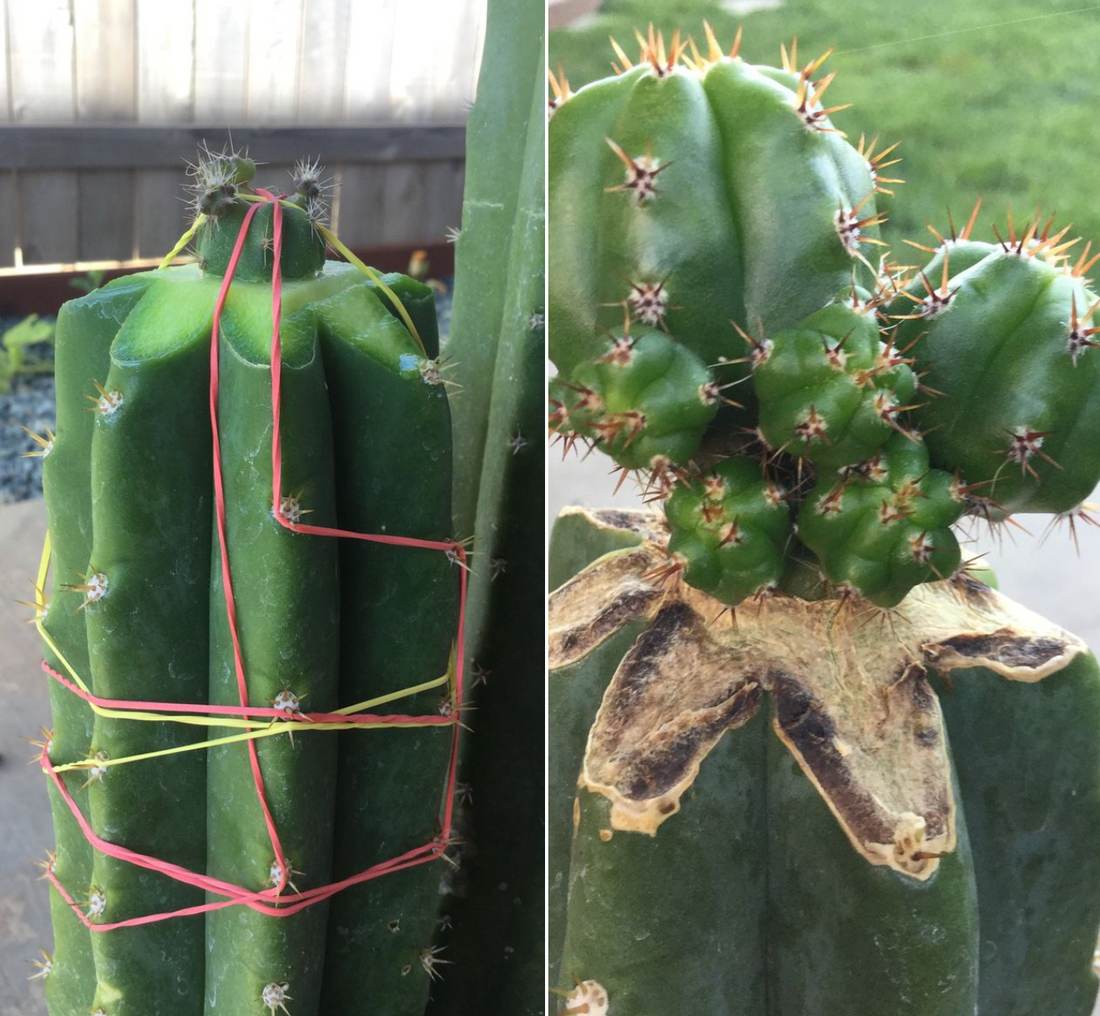
Grafting is where science meets sorcery. You’ll need a razor-sharp blade—sterilized, of course—because dull tools crush rather than cleave. A grafting needle and rubber bands or clips will hold your union together while it heals. Timing is everything: perform the surgery in the cactus’s active growing season, when cambial layers are plump and eager to fuse. Early morning is ideal, before the desert sun turns your workbench into an oven. The process itself is a ballet of precision. Slice the host’s top at an angle, then mirror the cut on your Astrophytum’s base. Press the two together like puzzle pieces, ensuring no air gaps. Any misalignment could invite pathogens or stifle nutrient flow. And then? Patience. The first week is critical. Too much humidity, and your graft rots. Too little, and it desiccates. It’s a high-wire act, but when the cambium knits successfully, it’s magic.
Post-Graft Care: Nurturing Your Botanical Bond Through the Crucible of Recovery
The honeymoon phase is over once the graft is complete. Now begins the delicate dance of recovery. Shield your new creation from direct sunlight for at least a week—think of it as a convalescence, not a celebration. Gradually reintroduce it to light, but avoid the harsh midday rays that could scorch its tender union. Water sparingly; overzealous hydration is the enemy of fusion. Instead, mist the soil lightly or place the graft in a humidity dome to encourage healing. Watch for signs of distress: a sagging Astrophytum toppling off its host, or a yellowing base betraying rot. If the graft fails, don’t despair. Even the most seasoned grafters lose battles. Learn, adapt, and try again. After all, every failed union is a lesson in disguise.
Troubleshooting the Unholy Alliance: When Your Graft Goes Rogue
What if your Astrophytum’s ribs start to wrinkle like a prune, or its host sprouts rebellious offsets that siphon energy away from the graft? These are the telltale signs of a union gone awry. Sometimes, the issue is environmental—a drafty windowsill or a soil mix that’s too dense. Other times, it’s biological: incompatible species rejecting each other at a cellular level. If the graft fails, don’t blame the stars. Instead, reassess your host choice or technique. Perhaps the cuts weren’t clean enough, or the alignment was off by a millimeter. Grafting is as much about intuition as it is about skill. Trust your instincts, but verify your methods. A failed graft isn’t a failure—it’s a plot twist in your botanical saga.
The Ethical Quandary: Is Grafting a Celebration or a Conquest of Nature?
Before you dive headfirst into the grafting pool, pause to consider the ethical waters. Are we playing creator, or are we merely facilitating a natural process? Grafting accelerates growth and enhances beauty, but it also imposes our will on living organisms. The Astrophytum, left to its own devices, would never choose to grow atop a Harrisia. Yet, in our hands, it becomes something new—a hybrid of purpose and whimsy. Is this manipulation or collaboration? The answer lies in your intent. If your goal is to create a living sculpture that brings joy and wonder, then grafting is a celebration. If, however, you’re driven by ego or the desire to control, then perhaps it’s time to reconsider. Nature is not ours to command, but to coax and nurture. Grafting, when done with respect, can be a beautiful dialogue between species.
The Reward: A Living Masterpiece and the Thrill of the Graft
When your Astrophytum thrives atop its host, when its first flower unfurls like a burst of golden confetti, you’ll understand the allure of grafting. It’s not just about speed or size—it’s about creating something extraordinary from the ordinary. It’s about bending nature’s rules without breaking them. And perhaps, just perhaps, it’s about proving that even in the rigid world of cacti, there’s room for a little botanical rebellion. So, are you ready to take the leap? Sharpen your blade, steady your hands, and let the grafting begin. The stars are waiting.
FAQ
What is the best time for grafting cacti?
The best time for grafting cacti is during their active growing season, typically in early spring or early morning.
How do I care for a grafted cactus?
After grafting, protect it from direct sunlight, water sparingly, and monitor for signs of distress.
Leave a Reply