
Short Answer
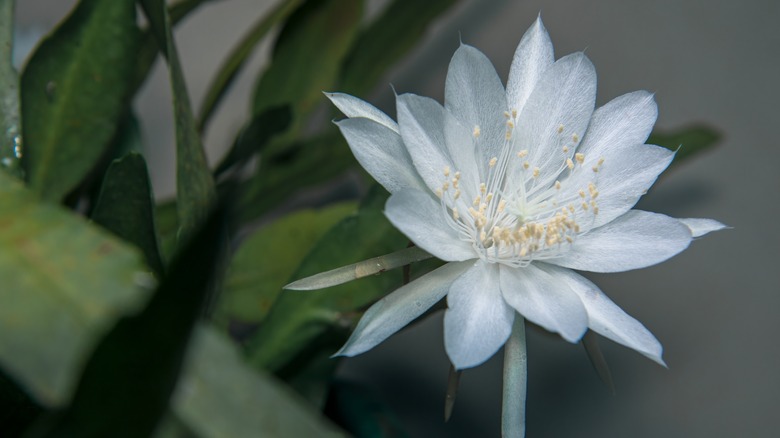
Imagine a plant that awakens under the cloak of night, unfurling its delicate petals like a whispered secret only darkness can coax out. The Acanthocereus, often known as the night-blooming cereus, is a botanical marvel — an enigmatic desert sentinel that blooms under starlit skies, enchanting observers with its fleeting, alabaster flowers. Cultivating this nocturnal wonder can transform your home or garden into an oasis of mystery and allure. Let’s delve deeply into the art and science of Acanthocereus care, revealing how to nurture these moonlight performers into vibrant, thriving masterpieces.
The Nocturnal Enigma: Understanding Acanthocereus
The Acanthocereus genus belongs to a family of cacti that are not just survivors of harsh arid climates, but artists in the night. These cacti are sculpted by evolution to bloom in the dark, an exquisite adaptation that invites nocturnal pollinators like moths and bats. Their flower’s ephemeral beauty — which lasts only a single night — is a stunning metaphor for transient moments of magic in nature. Cultivating an Acanthocereus means accepting the rhythm of nature’s twilight cycle, celebrating patience and attentiveness with every new bud.


Choosing the Ideal Location: Where Darkness Meets Light
Despite its penchant for night blooms, Acanthocereus thrives on the sun’s daylight gifts. Position your cactus in a locale where it can bask in bright, indirect sunlight for at least 6 hours a day. A south-facing window or a sheltered spot in a sunlit patio suits it perfectly. The sunlight acts as the alchemist’s flame, converting light energy into the sugars and nutrients the plant demands to fuel its dramatic nocturnal display. Without sufficient light, those spectacular flowers might never bloom, leaving only the sculptural charm of the cactus stems.
Soil and Potting: Crafting the Perfect Bed
Acanthocereus cacti require a substrate akin to the deserts they hail from — porous, fast-draining, and gritty. The soil must mimic a rugged, sunbaked terrain, allowing water to drain quickly to prevent root rot, that silent killer of desert plants. Use a specialized cactus or succulent mix enriched with pumice, perlite, or coarse sand to simulate this environment. When potting, choose containers with ample drainage holes — ceramic or terracotta pots are splendid choices, providing breathability and reducing moisture retention.
Watering Regimen: The Dance of Desert Rain
Watering an Acanthocereus is an exercise in moderation and mindfulness — think of it as playing the rhythm cardinals in a desert symphony. During the growing season (spring through early fall), water deeply but infrequently, allowing the soil to dry out entirely between sessions. This dry cycle simulates the sporadic desert rains that encourage root growth and flower production. In contrast, winter demands a near-dormant state with minimal hydration. Overwatering turns the stage dark, inviting rot and dismay, while under-watering deprives the cactus of its vital life pulse. Striking this balance is paramount for long-term vitality.
Temperature and Humidity: Replicating Desert Climates
Acanthocereus are heat lovers, thriving in temperatures ranging from 70 to 90 degrees Fahrenheit during the day, with a tolerance for cooler nights around 50 to 60 degrees. They appreciate dry air and an environment free from excessive humidity, much like their native desert habitats. In colder climates, protect your cactus from frost and freezing temperatures by moving it indoors or using frost cloths. The desert’s sharp temperature drops between day and night actually stimulate flowering, making temperature control a vital yet poetic aspect of care.
Fertilizing: Nourishing the Night Bloomer
Though hardy, Acanthocereus thrives when fed thoughtfully. During active growth, apply a diluted, balanced fertilizer formulated for cacti and succulents once a month. This nutrient infusion acts like whispers of encouragement, coaxing the plant to produce lush, healthy stems and those coveted, fragrant flowers. Avoid heavy nitrogen formulas which encourage excessive, weak growth at the expense of blooms. Fertilizing in the dormant winter months is not necessary — restraint here nurtures natural cycles.
Pruning and Propagation: Sculpting and Multiplying Moonlight Majesty
Pruning Acanthocereus is akin to sculpting with living clay. Removing dead or damaged branches rejuvenates the plant’s energy, promotes airflow, and maintains an elegant form. Use sharp, sterilized tools and sever stems where they meet the main trunk. Additionally, propagation by cuttings is an accessible method to multiply your nocturnal collection. Simply allow cuttings to callous over for a week, then plant in dry soil and water sparingly until roots establish. Each new cactus is a future bearer of nighttime blossoms — a promise of beauty renewed.

Common Challenges and Solutions
The journey of raising an Acanthocereus is sprinkled with challenges, from pests like mealybugs and spider mites to fungal diseases caused by overwatering. Vigilant inspection and early intervention are vital. Treat infestations using insecticidal soap or neem oil, and adjust watering routines to mitigate disease risk. Furthermore, lack of blooms is often the largest frustration — an issue solved by providing adequate light, temperature variation, and proper nutrition. Remember, the crown jewel of this cactus is its night bloom, a reward for patient and insightful gardeners.
Creating an Enchanting Night Garden
Beyond the biological and horticultural intricacies lies the true magic of cultivating Acanthocereus: the opportunity to create a nocturnal sanctuary. Imagine a garden awakened under moonlight, where these ghostly blooms softly illuminate the dark like nature’s own lanterns. Pairing Acanthocereus with other night-loving plants or fragrant herbs such as jasmine or gardenias enhances this dreamlike atmosphere. Their combined nocturnal perfume and visual spectacle enter the realm of unforgettable sensory experiences, inviting reflection, romance, and reverence.

Tending to Acanthocereus is less about convenience and more about cultivating a relationship with time, light, and nature’s quiet spectacles. It is a journey of embracing patience, celebrating ephemeral beauty, and honoring the deep rhythms of the desert night. For those willing to heed its call, this enigmatic cactus rewards with moments of sublime wonder — a fleeting, fragrant miracle blooming only when the world sleeps.
FAQ
What are the light requirements for Acanthocereus?
Acanthocereus thrives in bright, indirect sunlight for at least 6 hours a day.
How often should I water my Acanthocereus?
Water deeply but infrequently during the growing season, allowing the soil to dry out completely between waterings.
What type of soil is best for Acanthocereus?
Use a porous, fast-draining cactus or succulent mix enriched with pumice or perlite.
How do I propagate Acanthocereus?
Propagation can be done by taking cuttings, allowing them to callous for a week, and then planting in dry soil.




Leave a Reply