
Short Answer
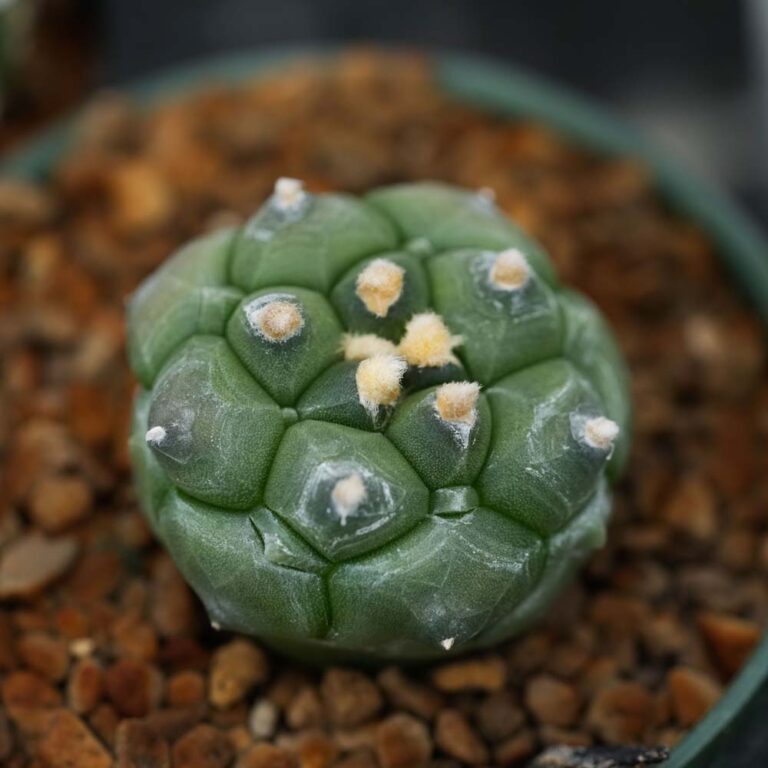
In the verdant tapestry of the plant world, few genera command the same reverence as Astrophytum—those enigmatic, ribbed sentinels of the desert, their blooms unfurling like celestial secrets. Yet, behind their stoic beauty lies a shadow: the ethical sourcing of these botanical treasures. The cactus trade, like so many others, has long been plagued by exploitation—overharvesting, habitat destruction, and the unchecked greed of middlemen who strip the land of its living jewels. But what if we could rewrite that narrative? What if every spine, every golden crown, carried the weight of a promise—not just to the plant, but to the earth and its stewards? The best nurseries for ethically sourced Astrophytum don’t just sell cacti; they cultivate a revolution in how we perceive and procure these desert icons.
The Ethical Imperative: Why Your Astrophytum’s Pedigree Matters
Picture this: a sun-scorched plateau in northern Mexico, where Astrophytum myriostigma and Astrophytum capricorne have thrived for millennia. Now, imagine a collector’s greenhouse, its shelves lined with specimens plucked from this fragile ecosystem without a thought to regeneration. The cactus trade is not merely a transaction; it’s an extraction. When we purchase an Astrophytum without questioning its origins, we become complicit in a cycle of depletion. Ethical sourcing, however, flips the script. It demands transparency—propagation over plunder, stewardship over strip-mining. The best nurseries don’t just grow cacti; they grow trust, ensuring that every purchase supports conservation, local communities, and the long-term survival of these species. This isn’t just horticulture; it’s an act of ecological restitution.
Cultivating Conscience: What to Look for in an Ethical Nursery
Not all Astrophytum vendors are created equal. The hallmarks of an ethically minded nursery are as distinctive as the cacti themselves. First, seek out those who propagate their own stock—true artisans of the arid, not mere resellers of wild-harvested plunder. A nursery that invests in tissue culture or controlled breeding is one that values the future over the quick buck. Next, scrutinize their sourcing policies. Do they partner with conservation programs? Do they employ local growers, ensuring fair wages and sustainable practices? The language of ethics is written in the fine print: terms like “seed-grown,” “habitat-friendly,” and “community-supported” should leap off the page. And then there’s the matter of documentation. A reputable nursery will provide not just a plant, but a pedigree—proof of its lineage, its cultivation history, and its role in a broader ecological narrative. This is how you transform a simple purchase into a vote for the planet.
The Hidden Costs of Cheap Cacti: A Cautionary Tale
Beware the siren song of bargain-basement Astrophytum. Those $20 “rare” specimens you find on a dubious online marketplace? They’re likely the result of black-market digging, their roots severed from the desert’s embrace without a second thought. The true cost of such plants extends far beyond the price tag. Habitat destruction disrupts entire ecosystems, from the pollinators that depend on these cacti to the indigenous communities who have stewarded these lands for generations. Worse still, wild-harvested Astrophytum often arrive stressed, their delicate root systems damaged, their spines brittle from the trauma of extraction. An ethical nursery, by contrast, offers plants that are robust, resilient, and—most importantly—legal. Because in the world of cacti, as in life, the cheapest option is rarely the wisest.
Meet the Pioneers: Nurseries Leading the Ethical Astrophytum Movement
Some growers have made it their mission to redefine what it means to cultivate Astrophytum. These are the nurseries that don’t just sell plants; they sell a philosophy. Take, for instance, the artisans who specialize in Astrophytum ornatum, meticulously hand-pollinating each bloom to ensure genetic diversity. Or the collectives in the Southwest that employ indigenous horticulturists, blending traditional knowledge with modern conservation techniques. Then there are the innovators who use solar-powered greenhouses, minimizing their carbon footprint while maximizing the health of their stock. These aren’t just businesses; they’re sanctuaries—places where the desert’s magic is preserved, not plundered. By supporting them, you’re not just buying a plant; you’re investing in a legacy.
The Blooming Future: How Ethical Choices Shape the Cactus Trade
Every ethically sourced Astrophytum you bring into your home is a ripple in a larger wave of change. When consumers demand transparency, nurseries respond. When growers prioritize propagation over poaching, habitats breathe easier. When communities benefit from sustainable cultivation, the cycle of exploitation weakens. This is the power of ethical consumerism: it doesn’t just alter individual transactions; it reshapes entire industries. Imagine a world where Astrophytum are no longer symbols of environmental degradation but emblems of restoration. Where every spine tells a story of care, every bloom a testament to balance. That world isn’t a fantasy—it’s the future we can cultivate, one cactus at a time.
Your Role in the Revolution: A Call to Conscious Collecting
So, how do you join this movement? Start by asking questions. Before you click “purchase,” inquire about the nursery’s sourcing practices. Seek out reviews from fellow enthusiasts who prioritize ethics. Consider joining cactus societies or online forums where sustainable growing is celebrated. And when your Astrophytum arrives, treat it as more than a decorative object—it’s a living reminder of the choices we make. Water it, yes, but also advocate for it. Share its story. Support the nurseries that made its existence possible. Because in the end, the most beautiful Astrophytum isn’t just the one with the most striking ribs or the rarest bloom. It’s the one whose roots run deep into a soil of responsibility, whose spines stand tall against the tide of exploitation. That’s a cactus worth growing.
FAQ
What is ethical sourcing in the context of Astrophytum?
Ethical sourcing means obtaining Astrophytum plants through sustainable methods that avoid damaging wild populations and support conservation.
How are ethical nurseries different from others?
Ethical nurseries propagate their own plants, provide documentation of origin, support local communities, and avoid wild harvesting.
Why should I avoid buying cheap wild-harvested Astrophytum?
Cheap wild-harvested plants often come from illegal collection that harms ecosystems, results in unhealthy plants, and threatens species survival.
What impact does ethical consumerism have on the cactus trade?
Ethical consumerism encourages nurseries to adopt sustainable practices, reduces habitat exploitation, and helps preserve cactus species.



Leave a Reply