
Short Answer
What if I told you that tucked away in the arid, sun-scorched landscapes of the Chihuahuan Desert, a small, unassuming cactus holds a legacy of spiritual reverence, healing, and cultural identity that stretches back millennia? Meet Ariocarpus—a genus of cacti so enigmatic, so steeped in symbolism, that it has woven itself into the very fabric of Native American traditions. This is not just a story of flora. It is a saga of resilience, sacredness, and the delicate dance between human reverence and environmental fragility. Let’s embark on a journey through the thorny yet tender world of Ariocarpus and uncover why this cactus is far more than a desert dweller—it’s a living emblem of cultural continuity.
The Desert’s Quiet Oracle: Ariocarpus as a Symbol of Endurance
In the vast, sun-bleached expanse of northern Mexico and southern Texas, where life clings to existence with tenacious grace, Ariocarpus thrives. Its low, flat profile—often likened to a rosette of geometric artistry—belies a profound resilience. This cactus doesn’t just survive; it persists, year after year, through drought, fire, and the relentless gaze of the sun. To the Native peoples of the region, Ariocarpus became a metaphor for endurance, a living testament to the idea that strength is not always loud or towering, but quiet and enduring.
Consider the Ariocarpus fissuratus, with its warty, almost alien appearance. To the Tarahumara (Rarámuri) people, it is known as hikuli wachuma, a name that whispers of its sacred role. The cactus’s slow growth and unassuming form mirror the patient, cyclical nature of life itself. In a world that often glorifies speed and immediacy, Ariocarpus stands as a gentle rebellion—a reminder that wisdom, like desert rain, arrives not in torrents but in patient, measured drops.
Sacred Medicine: The Psychedelic and Healing Dimensions
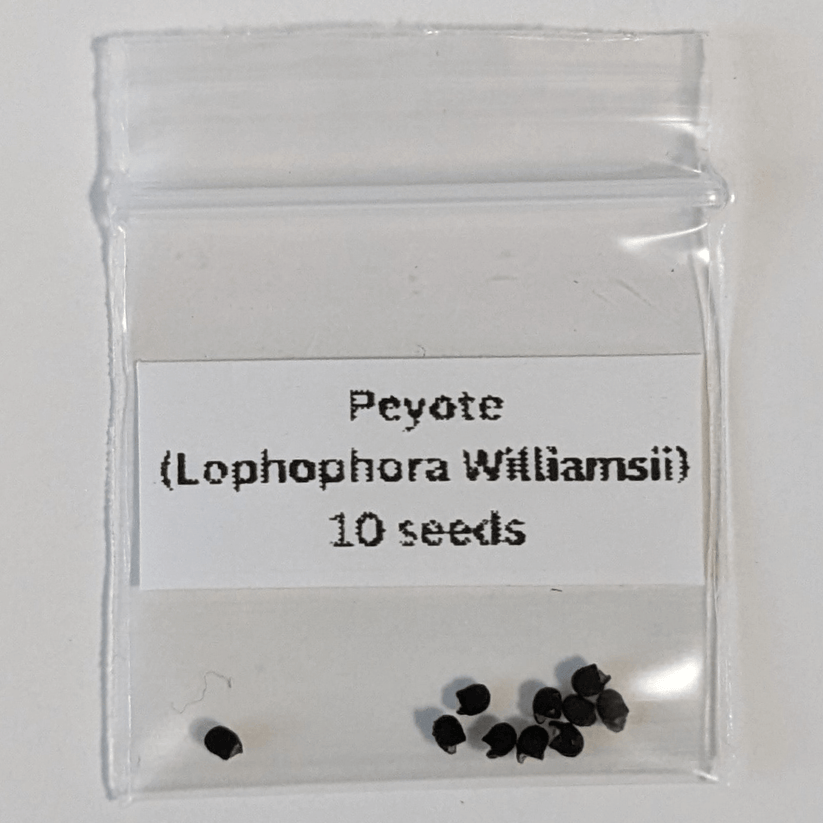
But Ariocarpus is not merely a symbol of endurance; it is a conduit of the sacred. Among the Huichol and other Indigenous groups of the Sierra Madre Occidental, certain species of Ariocarpus—particularly Ariocarpus retusus—are revered as peyote’s lesser-known cousin. While peyote (Lophophora williamsii) often steals the spotlight, Ariocarpus holds its own in the realm of visionary plants. Its alkaloid-rich composition has been used in healing ceremonies, where shamans and healers ingest small quantities to induce altered states of consciousness, commune with spirits, and diagnose illnesses.
The challenge here is delicate: how do we honor the sacred use of Ariocarpus without falling into the trap of cultural appropriation or exploitation? The line between reverence and extraction is thin, and the global fascination with psychedelics has already led to overharvesting of similar plants. The question lingers: Can we celebrate the spiritual legacy of Ariocarpus without turning it into a commodity for the curious or the careless?
The Art of Subtlety: Ariocarpus in Ritual and Aesthetics
Beyond its medicinal properties, Ariocarpus has seeped into the aesthetic and ritualistic fabric of Native American cultures. Its geometric patterns—reminiscent of mandalas or sacred geometry—have inspired intricate beadwork, pottery, and textile designs. The Navajo, for instance, incorporate motifs reminiscent of Ariocarpus’s wavy ribs into their rugs and sand paintings, infusing everyday objects with a touch of the divine.
Yet, this artistic integration is not without tension. The commercialization of Indigenous art has often stripped sacred symbols of their meaning, reducing them to mere decorative elements. How do we ensure that the representation of Ariocarpus in art remains a form of cultural preservation rather than a diluted trend? The answer may lie in education and collaboration—amplifying Indigenous voices in the discourse around these symbols, rather than letting outsiders dictate their significance.
Ecological Fragility: The Looming Shadow of Extinction
Here’s a sobering thought: Ariocarpus is not invincible. Its slow growth—some species take decades to mature—and its specific habitat requirements make it particularly vulnerable to environmental degradation. Climate change, urban sprawl, and illegal harvesting for the horticultural trade threaten its existence. The irony is stark: a plant that symbolizes endurance is itself at risk of disappearing.
The challenge is twofold. First, we must advocate for the conservation of Ariocarpus’s natural habitats, ensuring that these sacred plants can continue to thrive in the wild. Second, we must confront the ethical dilemma of cultivation. While growing Ariocarpus in controlled environments might alleviate pressure on wild populations, it also risks commodifying a plant that is deeply intertwined with cultural identity. Can cultivation ever truly honor the sacredness of Ariocarpus, or does it inevitably dilute its spiritual significance?
Reclaiming Narratives: Ariocarpus as a Feminist Symbol
In a world where Indigenous knowledge is often marginalized or co-opted, Ariocarpus emerges as a potent symbol of resilience and reclaiming narratives. For many Native women, who have historically been silenced or erased from mainstream histories, the cactus’s quiet strength offers a metaphor for perseverance. Its ability to thrive in harsh conditions mirrors the resilience of Indigenous women who have fought against colonization, patriarchy, and environmental injustice.
The feminist lens invites us to see Ariocarpus not just as a plant, but as a living archive of Indigenous wisdom. Its presence in ceremonies, art, and daily life is a testament to the enduring power of matriarchal knowledge systems. By centering Indigenous voices in the conversation about Ariocarpus, we can challenge the erasure of Native women’s contributions to cultural and ecological stewardship.
The Future of Ariocarpus: A Call to Action
So, where do we go from here? The story of Ariocarpus is far from over. It is a story that demands our attention, our respect, and our action. We must advocate for sustainable harvesting practices, support Indigenous-led conservation efforts, and challenge the commodification of sacred plants. We must also educate ourselves and others about the deep cultural significance of Ariocarpus, ensuring that its legacy is not lost to the sands of time.
The cactus sits quietly in the desert, waiting. It has seen centuries of change, of human folly and human reverence. The question is not whether Ariocarpus will endure—it will, as it always has—but whether we, as a collective, will rise to the challenge of honoring it with the depth of respect it deserves. Will we be mere observers, or will we become stewards of its story?
FAQ
What is Ariocarpus?
Ariocarpus is a genus of cacti known for its unique appearance and cultural significance in Native American traditions.
How is Ariocarpus used in Indigenous cultures?
It is used as a symbol of endurance, in healing ceremonies, and as inspiration in artistic expressions.
What are the ecological concerns regarding Ariocarpus?
Ariocarpus faces threats from climate change, habitat destruction, and overharvesting.



Leave a Reply