
Short Answer
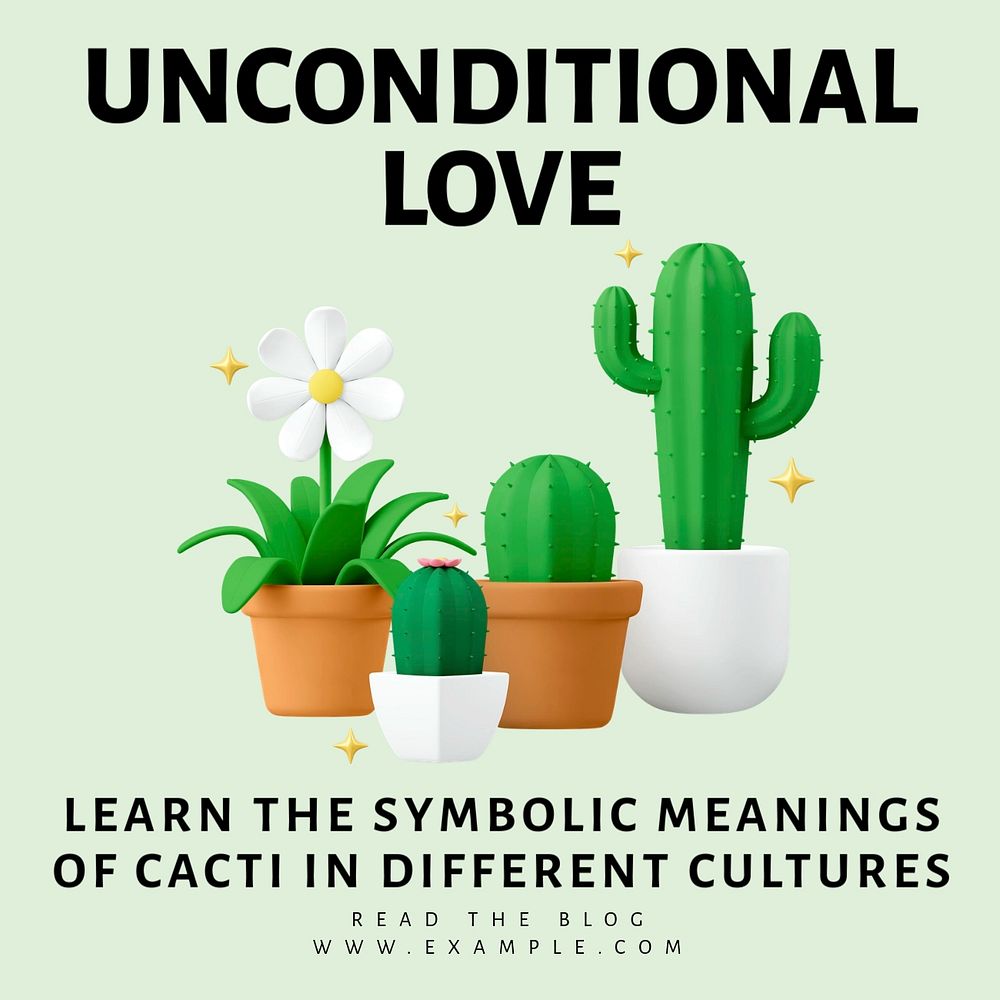
Have you ever wondered why a seemingly stubborn, spiny plant like the cactus has managed to capture the imagination and reverence of cultures around the globe? What about a desert dweller, armored with thorns and thriving in the harshest conditions, could possibly symbolize something beyond its survival prowess? The answer lies not just beneath its prickly exterior but blooms in the stories, beliefs, and traditions that have etched the cactus into the symbolic fabric of many societies. Exploring this resilient plant’s symbolic meaning offers an enchanting challenge: to peer beyond the surface and discover the profound narratives it carries across continents and centuries.
The Cactus as a Beacon of Endurance and Resilience
At first glance, the cactus seems an unlikely candidate to embody strength—its exterior, prickly and unyielding, may seem like a mere defense mechanism. Yet, these very features have evolved to sustain life where few others can. In many cultures, the cactus represents endurance and resilience, a symbol of thriving against adversity. It teaches a valuable lesson: the ability to adapt and protect oneself can lead to survival even in the most inhospitable environments.
Indigenous peoples of the American Southwest, for example, revere the cactus as a metaphor for tenacity. The Navajo include it in their stories as a guardian, a living testament to persistence in the face of overwhelming challenges. Beyond simply surviving, the cactus thrives—its fleshy pads retaining precious water and its spines deterring predators, illustrating an exquisite balance between vulnerability and protection.

Spiritual Significance: The Sacred Desert Sentinel
Delving deeper, the cactus embodies more than physical survival—it occupies an exalted space in spiritual symbolism. Across many Native American tribes, the cactus is seen as a spiritual sentinel, a helper in guiding souls through hardship. Its ability to conserve water is often viewed metaphorically as conserving spiritual energy or fostering emotional endurance during life’s droughts.
In particular, the peyote cactus, used ceremonially in various indigenous rituals, is celebrated as a conduit to spiritual insight and healing. It acts as a bridge between the earthly and the divine, providing clarity and connection in moments of need. This sacred use enhances the cactus’s symbolic stature, transcending mere survival to become a vessel for spiritual awakening.
The Cactus in Mexican and Southwestern Cultural Identity
Moving from the spiritual to the cultural, the cactus holds a vibrant place in Mexican and Southwestern United States traditions. The prickly pear cactus, “nopal,” is not merely a plant—it is woven into the very identity of these regions. Consider the Mexican coat of arms, which famously depicts an eagle perched on a nopal cactus. This emblematic imagery encapsulates resilience, victory, and the deep-rooted connection between land and identity.
Moreover, the nopal plant is a culinary staple, reinforcing the cactus’s symbolism of nourishment and sustenance. It’s not just a hardy survivor of the desert but a provider of life, intertwining practical value with symbolism. This dual role enriches the cactus as a cultural icon; it represents both the toughness required to endure and the generosity needed to thrive.

Eastern Interpretations: The Cactus as a Symbol of Protection and Sanctuary
Although less common, the cactus’s symbolism in certain Eastern contexts also resonates profoundly. In some Asian philosophies and feng shui practices, the cactus is employed as a protective talisman. Its spines are perceived as guardians that ward off negative energies and shield the home from harm. Placing a cactus indoors can invite a sense of sanctuary and secure boundaries, both physical and metaphysical.
This protective symbolism dovetails intriguingly with the Western ideas of endurance, framing the cactus not only as one who withstands adversity but also as one who actively deflects negativity. It becomes a living emblem of personal space and psychological resilience, inviting individuals to cultivate inner strength while maintaining healthy defenses.
The Language of Flowers and Plants: Cactus as a Gesture of Unconventional Beauty
The Victorian era introduced the “language of flowers,” where plants and their characteristics were imbued with coded meanings. Within this lexicon, the cactus emerged as a symbol of warmth and maternal love due to its ability to protect and provide despite its prickly nature. It defied traditional norms of delicate, gentle beauty, celebrating instead the unorthodox and resilient aspects of affection.
This gesture towards unconventional beauty challenges societal expectations, inviting a reevaluation of what is considered lovable or worthy. The cactus’s thorny exterior contrasts with its often vivid blooms, a botanical paradox that celebrates complexity, defense, and blossoming in unlikely places. It reminds us that beauty and love can manifest through strength and endurance rather than softness alone.

Modern Symbolism: Cacti in Contemporary Decor and Personal Metaphors
Today, the cactus has surged in popularity as a symbol in interior design and personal expression. Beyond its eye-catching aesthetics, cacti convey resilience in the modern psyche, serving as metaphoric badges for people navigating the complexities of urban life and personal growth. They decorate homes and offices, not just as plants, but as living reminders of endurance, adaptability, and understated boldness.
Furthermore, the cactus reflects a broader conversation about sustainability and minimalism. Its low-maintenance nature mirrors growing environmental consciousness, and its striking form challenges the mundane. For many, cultivating a cactus is an act of embracing challenges with grace—accepting the spiky hardships while flourishing in a space often inhospitable to growth.
Conclusion: The Unyielding yet Tender Spirit of the Cactus
So, what does the cactus symbolize across cultures? It is a complex emblem of survival, spirituality, protection, and unconventional beauty. It challenges us to rethink resilience—not simply as bare endurance but as a dynamic interplay of defense and openness, toughness and tenderness. Whether rooted in the spiritual rites of indigenous tribes, the cultural heritage of Mexico, or the protective beliefs of Eastern practices, the cactus carries a narrative that is both timeless and deeply relevant.
In a world that often values softness and ease, the cactus asks: can resilience be beautiful? Can protection coexist with warmth? This spiny sentinel of the deserts invites a playful reconsideration of perseverance, encouraging us all to blossom fiercely in our own unique ways.
FAQ
What does the cactus symbolize in different cultures?
Cacti symbolize endurance, resilience, spirituality, and unconventional beauty in various cultures.
How is the cactus used in spiritual practices?
In some Native American tribes, cacti are seen as spiritual sentinels that guide souls through hardship.




Leave a Reply