
Short Answer
There is something inherently rebellious about the way a cactus asserts its presence in a rock garden. Unlike the soft, flowing lines of traditional floral arrangements, these spiky sentinels command attention with their geometric precision and unapologetic tenacity. Echinocactus, with their globular forms and radiating ribs, are not merely plants—they are architectural statements, defying the ephemeral nature of most garden flora. Their bold silhouettes and sculptural elegance transform even the most modest of landscapes into a striking tableau of resilience and design. But why does this particular genus captivate us so deeply? Perhaps it’s because these cacti embody a paradox: they are both ancient and avant-garde, fragile in their succulent tissues yet formidable in their defiance of conventional horticultural norms.
The Geometric Poetry of Echinocactus: Where Nature Meets Architecture
Few plants possess the innate ability to evoke the language of modernist architecture quite like the Echinocactus. Their ribbed, spherical bodies are reminiscent of Brutalist structures, where form follows function with uncompromising clarity. Each rib, a vertical spine of resilience, channels water efficiently while creating a rhythmic pattern that dances between order and wildness. When nestled among jagged rocks or smooth river stones, these cacti become living sculptures, their symmetry clashing yet harmonizing with the irregularity of their surroundings. The contrast is deliberate—a deliberate subversion of the expected softness of garden design. Here, the Echinocactus doesn’t just occupy space; it redefines it, turning the garden into a dialogue between the organic and the constructed.
Consider the Echinocactus grusonii, or Golden Barrel Cactus, with its dense, golden spines that catch the light like a halo of thorns. Placed strategically in a rock garden, it becomes a focal point, a beacon of defiance against the transient beauty of blooming perennials. Its presence is a quiet protest against the fragility of traditional garden aesthetics, a reminder that strength can be beautiful. The interplay of light and shadow across its ribs creates a mesmerizing effect, as if the cactus itself is a living sundial, marking the passage of time with its unchanging form.
Resilience as Rebellion: Why We’re Drawn to Thorns
There’s an undeniable allure to the thorned. Humans have long been fascinated by plants that refuse to be tamed, and the Echinocactus is the epitome of this defiance. In a world where gardens are often curated to be gentle and inviting, a rock garden populated by these spiky titans feels like an act of rebellion. It’s a garden that doesn’t ask for permission to be bold—it simply is. This fascination isn’t superficial; it’s rooted in a deeper admiration for survival against the odds. In arid climates, where water is scarce and the sun is relentless, the Echinocactus thrives, its thick epidermis and water-storing tissues a testament to evolutionary ingenuity.
The psychological pull of these plants is equally compelling. Thorns, in many cultures, symbolize protection, a natural barrier against the world. Yet, in the context of a garden, they also represent a challenge—a dare to the viewer to look closer, to appreciate the beauty in what is often perceived as hostile. The Echinocactus doesn’t just survive; it commands respect. And perhaps that’s why we’re so drawn to it. In an era where fragility is often equated with beauty, the Echinocactus offers a counter-narrative: strength is beautiful, and beauty can be unyielding.
Designing with Defiance: Crafting a Rock Garden Around Echinocactus
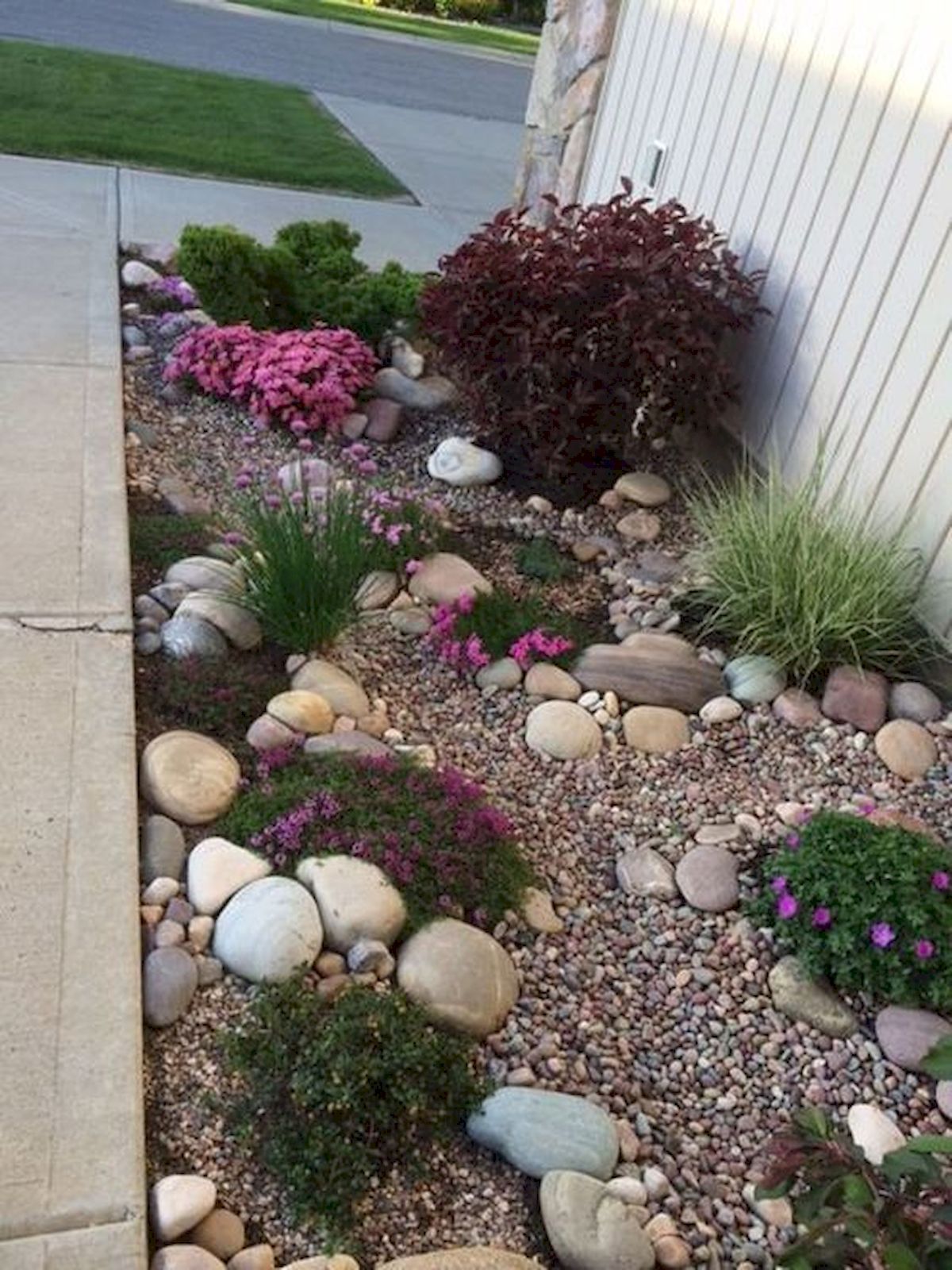
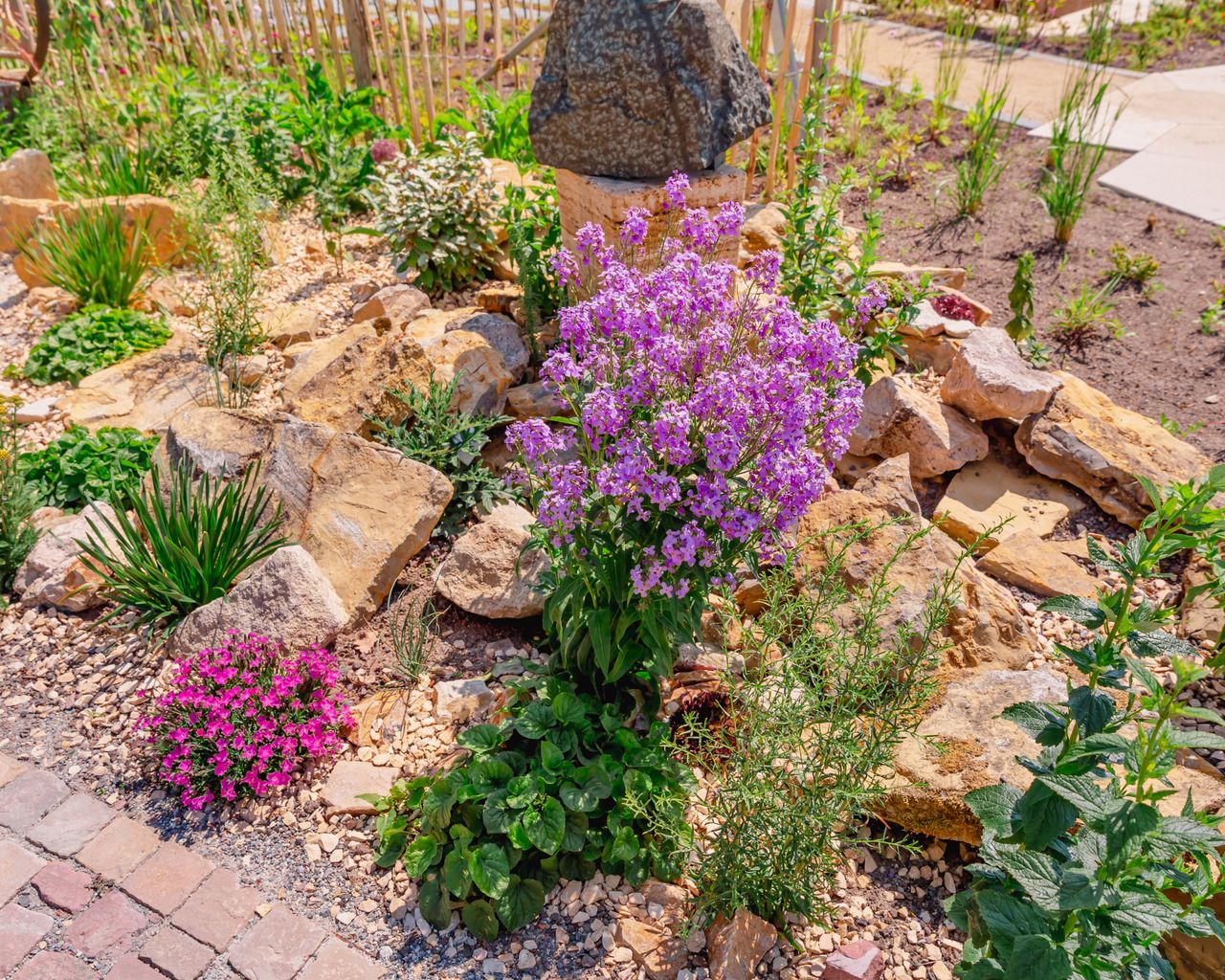
Creating a rock garden that centers the Echinocactus is less about following a set of rules and more about embracing a philosophy of bold contrasts. The key lies in understanding the plant’s needs while pushing the boundaries of traditional garden design. Start with a foundation of coarse, well-draining soil—these cacti despise soggy roots and will rot if overwatered. Layer in rocks of varying sizes, from fist-sized pebbles to boulders that could dwarf a person, arranging them in a way that mimics the rugged terrain of their native habitats. The Echinocactus should be placed where it can bask in full sun, its ribs angled to capture the maximum amount of light.
But the design doesn’t end with placement. The surrounding elements should complement the cactus’s architectural presence without overshadowing it. Consider low-growing succulents like Sedum or Sempervivum, their rosettes forming a soft counterpoint to the cactus’s rigid ribs. For color, introduce drought-tolerant perennials like Agave or Yucca, their sword-like leaves adding a vertical dynamism. The goal is to create a garden that feels intentional, where every plant and stone serves a purpose, contributing to a cohesive yet daring aesthetic. Avoid overcrowding; the Echinocactus needs space to assert its dominance, its presence diminished if it’s lost in a sea of competing foliage.
Lighting is another crucial element. By day, the Echinocactus commands attention with its sculptural form, but by night, it transforms into something almost mystical. Strategically placed uplights can cast dramatic shadows, turning the garden into a nocturnal art installation. The interplay of light and dark accentuates the cactus’s ribs, making it appear even more like a relic from another world. This duality—its stark presence in daylight and its ethereal glow at night—adds layers of intrigue, ensuring the garden remains a source of fascination regardless of the hour.
The Cultural and Historical Significance of Echinocactus in Gardens
The Echinocactus isn’t just a plant; it’s a cultural artifact, a living link to the ancient landscapes of the Americas. Indigenous peoples of the Southwest, from the Pueblo to the Navajo, have long revered cacti for their medicinal and spiritual properties. The Echinocactus, in particular, was often used in rituals, its spines fashioned into tools or talismans. When European settlers first encountered these plants, they were met with a mix of awe and trepidation. To some, they were exotic curiosities; to others, they were symbols of the harsh, untamed wilderness of the New World.
In the 19th and 20th centuries, the Echinocactus became a staple of Victorian-era glasshouse collections, prized for its rarity and striking appearance. As rock gardens gained popularity in the early 20th century, these cacti found a new home, their architectural forms aligning perfectly with the era’s love of geometric design. Today, they remain a symbol of both the wild and the cultivated, a reminder that gardens can be spaces of both beauty and rebellion. Their presence in a rock garden isn’t just a design choice—it’s a nod to history, a celebration of resilience, and a quiet challenge to the status quo of what a garden should be.
Beyond Aesthetics: The Ecological Role of Echinocactus in Rock Gardens
While the visual impact of the Echinocactus is undeniable, its ecological contributions are equally significant. In an era of climate change and biodiversity loss, these plants offer a sustainable alternative to traditional garden flora. Their low water requirements make them ideal for xeriscaping, a method of gardening that conserves water while supporting local ecosystems. The Echinocactus provides shelter and food for pollinators like bees and hummingbirds, its flowers a vital nectar source in arid environments. Even its spines serve a purpose, offering protection for small creatures like lizards and insects that might otherwise fall prey to predators.
Moreover, the Echinocactus plays a role in soil health. Its deep root system helps prevent erosion, while its ability to store water in its tissues contributes to the overall resilience of the garden during dry spells. By incorporating these cacti into a rock garden, you’re not just creating a visually stunning landscape—you’re also fostering a micro-ecosystem that thrives in harmony with its environment. It’s a reminder that sustainability and beauty aren’t mutually exclusive; in fact, they can be two sides of the same coin.
The Future of Echinocactus in Garden Design: A Bold New Era
As we move into an era where gardens are increasingly seen as extensions of our values—spaces that reflect our commitment to sustainability, resilience, and innovation—the Echinocactus is poised to take center stage. Designers and gardeners alike are embracing its bold form, experimenting with new ways to integrate it into contemporary landscapes. From rooftop gardens in urban centers to minimalist courtyard designs, the Echinocactus is proving that it’s not just a plant for deserts and rock gardens—it’s a versatile design element that can elevate any space.
What’s more, advances in horticulture are making it easier than ever to cultivate these plants, even in non-native climates. With the right care and a bit of creativity, the Echinocactus can thrive in a variety of settings, its architectural presence a constant reminder of nature’s ability to adapt and endure. As we look to the future, one thing is clear: the Echinocactus is more than just a garden staple. It’s a symbol of what’s possible when we dare to defy convention, to embrace the bold, and to find beauty in the unyielding.
FAQ
What is Echinocactus and why is it suitable for rock gardens?
Echinocactus is a genus of globular, ribbed cacti known for their bold architectural shape and resilience, making them ideal focal points in rock gardens where low water use and strong visual impact are desired.
How should Echinocactus be planted in a rock garden?
Plant Echinocactus in coarse, well-draining soil with full sun exposure, surrounded by rocks of varied sizes and complemented by low-growing succulents to highlight its architectural form without overcrowding.
What ecological benefits do Echinocactus offer in garden settings?
They conserve water through xeriscaping, provide nectar for pollinators like bees and hummingbirds, offer shelter to small animals, and help prevent soil erosion with their deep root systems.
What cultural significance does Echinocactus have?
Echinocactus has been revered by indigenous peoples for medicinal and spiritual uses, featured in Victorian-era collections, and symbolizes resilience and architectural beauty in garden design.

Leave a Reply