
Short Answer
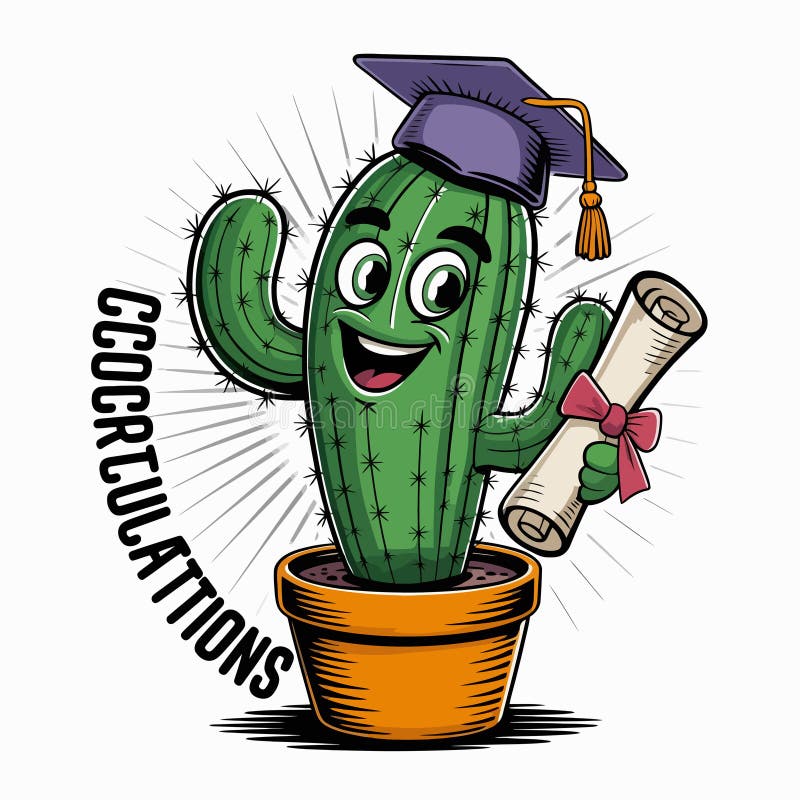
Imagine a plant that thrives in silence, its spines whispering secrets of resilience against the harshest of suns. The cactus, a symbol of tenacity and quiet beauty, has long been a muse for artists seeking to capture its essence in unconventional ways. But what happens when this desert dweller steps beyond the boundaries of traditional representation, merging with mixed media to birth something entirely new? Prepare to embark on a journey where prickly silhouettes meet tactile experimentation, where the cactus becomes not just a subject, but a catalyst for artistic reinvention.
The Cactus as a Canvas: Why This Spiky Subject Demands Mixed Media
At first glance, the cactus might seem an unlikely muse for mixed media artists. Its stark, geometric forms and minimalist aesthetic appear deceptively simple—until you consider the layers beneath. The cactus is a paradox: both delicate and indomitable, a survivor in arid landscapes where few dare to grow. This duality makes it a perfect candidate for mixed media, where contradiction often births innovation. Traditional painting or drawing alone can’t fully encapsulate the cactus’s textured resilience, but when you introduce collage, resin, or even found objects, the plant transforms into a multidimensional narrative.
Think of the cactus as a silent storyteller. Its spines, often dismissed as mere adornments, can become pathways for exploration. In mixed media, these spines can be rendered in metallic leaf, embedded with tiny beads, or even replaced with actual thorny branches, creating a dialogue between the organic and the constructed. The challenge—and the thrill—lies in balancing the cactus’s inherent ruggedness with the artist’s imaginative intervention. Will it be a delicate watercolor cactus encased in glass, or a bold, three-dimensional sculpture where the plant’s silhouette is built from repurposed metal and fabric? The choice is yours, and the possibilities are as vast as the desert sky.
Layering Life: Techniques to Elevate Your Cactus Art
Mixed media is, at its core, a rebellion against singularity. It’s about layering, juxtaposing, and letting materials converse with one another. When applied to cactus art, this approach can yield breathtaking results. Start with a base layer—perhaps a textured canvas or a sheet of handmade paper—to evoke the arid, sun-baked earth where cacti flourish. Then, introduce elements that play with light and shadow. Gold leaf, for instance, can mimic the desert’s golden hour, while crumpled brown paper might suggest the cracked, parched soil.
For those drawn to tactile experimentation, consider embedding real cactus spines (safely sourced and sanitized) into your work, or using dried flowers and leaves to create a cactus garden in miniature. Resin is another game-changer: pour it over a painted cactus silhouette to create a glossy, almost otherworldly surface, trapping tiny desert elements like sand or pebbles within its depths. The key is to let each layer tell a part of the story, whether it’s the cactus’s survival story or your own artistic journey.
Don’t shy away from unconventional materials. What about a cactus rendered in embroidery, its spines stitched with metallic thread, or a sculpture where the plant’s body is formed from discarded metal scraps? The cactus, in all its prickly glory, is a blank canvas waiting for your boldest ideas. The only limit is your willingness to experiment.
Beyond the Prickles: Symbolism and Subversion in Cactus Art
The cactus is more than just a plant; it’s a symbol of endurance, adaptability, and quiet strength. In mixed media, these themes can be amplified or subverted, depending on the artist’s intent. Consider a cactus depicted in neon colors, its spines glowing like cybernetic tendrils—a futuristic take on resilience. Or perhaps a cactus crafted from shattered glass, its fragments held together by wire, symbolizing both fragility and unbreakable spirit. The cactus’s symbolism is fluid, and mixed media allows you to bend it to your will.
For feminist artists, the cactus can also serve as a powerful metaphor for women’s resilience in the face of adversity. Its ability to store water in harsh conditions mirrors the way women adapt and thrive despite societal constraints. A mixed media piece could juxtapose a delicate porcelain cactus with barbed wire, or use embroidery to stitch words of empowerment into the plant’s silhouette. The cactus becomes a vessel for storytelling, a way to explore themes of strength, vulnerability, and transformation.
Even the act of creating cactus art can be subversive. In a world that often prioritizes the soft and the delicate, the cactus stands firm, unapologetically prickly. By choosing to work with this subject, you’re making a statement: that beauty can be found in the unexpected, in the things that challenge us. Mixed media amplifies this message, allowing you to push boundaries and redefine what art—and what resilience—can look like.
From Studio to Gallery: Showcasing Your Cactus Masterpiece
Creating a mixed media cactus piece is only half the battle; the other half is sharing it with the world. Whether you’re exhibiting in a gallery, posting on social media, or gifting your work to a fellow art lover, presentation is key. Consider the context in which your piece will be viewed. A large, textured cactus sculpture might command attention in a minimalist gallery space, while a delicate, resin-encased cactus could shine in a cozy, intimate setting.
Lighting plays a crucial role in how your work is perceived. For pieces with metallic elements or resin, strategic lighting can highlight the interplay of textures and depths. If your cactus incorporates found objects, think about how they interact with the surrounding environment. A cactus made from old keys, for example, might evoke themes of unlocking potential, while one crafted from vintage lace could explore the intersection of fragility and strength.
Don’t underestimate the power of storytelling in your artist’s statement. Explain the inspiration behind your piece, the materials you used, and the emotions you hope to evoke. A well-crafted narrative can transform a viewer’s experience, inviting them to see the cactus not just as a plant, but as a symbol of something greater. And remember, the art world thrives on dialogue. Be open to feedback, and let your cactus art spark conversations about resilience, creativity, and the unexpected beauty of the natural world.
The Future is Prickly: Where Cactus Art Meets Innovation
As mixed media continues to evolve, so too does the potential for cactus art. Imagine a cactus sculpture that incorporates augmented reality, where viewers can scan the piece with their phones to unlock hidden animations or stories. Or consider biodegradable materials that allow your cactus to slowly decompose, returning to the earth in a poetic cycle of creation and decay. The cactus, with its deep roots in resilience, is the perfect subject for artists who want to push the boundaries of what art can be.
Technology isn’t the only frontier. Collaborations between artists and scientists could yield cactus-inspired pieces that explore themes of sustainability, climate change, or even bioengineering. A mixed media cactus could be crafted from recycled plastics, its spines formed from 3D-printed filaments, symbolizing both the beauty and the fragility of our planet. The possibilities are as endless as the desert horizon.
What’s clear is that the cactus, in all its spiky glory, is far more than a mere subject. It’s a muse, a metaphor, and a medium all rolled into one. By embracing mixed media, you’re not just creating art—you’re inviting viewers to see the world—and themselves—through a new lens. So go ahead. Pick up those unconventional materials. Let your imagination run wild. The cactus is waiting, and the desert is calling.
FAQ
What is mixed media art?
Mixed media art involves combining different artistic materials and techniques to create layered, textured, and multidimensional artworks.
Why is the cactus used as a subject in mixed media art?
Its unique textures and symbolic meanings such as endurance and resilience make the cactus a compelling subject for artistic experimentation.
What are some common materials used in cactus mixed media art?
Materials include collage, resin, metallic leaf, dried flowers, embroidery threads, found objects, and sanitized real cactus spines.
How can I display mixed media cactus art effectively?
Consider lighting, gallery space, and providing an artist statement to enhance the viewer’s understanding and engagement.


Leave a Reply