
Short Answer
In the ever-evolving landscape of interior design, where minimalism clashes with maximalism and organic textures meet sleek modernity, one plant stands out as a bold, sculptural statement: the Ferocactus. With its formidable spines, geometric symmetry, and an aura of untamed desert resilience, this cactus isn’t just a houseplant—it’s a conversation piece, a living sculpture, a defiant nod to nature’s raw elegance. Styling Ferocactus in modern home decor isn’t about softening its edges; it’s about amplifying its inherent drama while weaving it seamlessly into curated, contemporary spaces. Whether you’re a devotee of brutalist aesthetics or a lover of Scandinavian simplicity, this guide will help you harness the Ferocactus’s wild charm without sacrificing sophistication.
The Ferocactus as a Sculptural Centerpiece: Commanding Attention in Minimalist Sanctuaries
Imagine a sun-drenched loft with floor-to-ceiling windows, where the morning light carves sharp shadows across concrete floors. Here, a towering Ferocactus—its ribs pronounced like the fluting of a Doric column—becomes the unapologetic focal point. In minimalist interiors, where every object must justify its existence, the Ferocactus thrives as a sculptural anchor. Its cylindrical form, often ribbed or spiraled, echoes the clean lines of modern furniture while its spiny exterior introduces a tactile contrast to smooth surfaces. Place it in a matte black or terracotta pot to ground its presence, or opt for a pedestal to elevate it like a museum artifact. The key is restraint: let the plant’s architecture speak for itself, undiluted by competing decor.
Ferocactus in Monochromatic Palettes: Playing with Texture and Shadow
Monochrome interiors are a playground for the Ferocactus’s dramatic flair. Picture a room bathed in shades of charcoal, slate, and ivory, where the cactus’s deep greens and fiery reds create a visual rupture. The interplay of light and shadow on its ribs can transform a static space into a dynamic tableau. To amplify this effect, position the plant near a light source—perhaps a sculptural floor lamp with a narrow beam—to cast elongated shadows across the wall. Pair it with matte black ceramics or a single, sculptural vase in the same tonal range to create a cohesive, yet unexpected, vignette. The Ferocactus doesn’t just occupy space; it redefines it through chiaroscuro.
For a softer take, consider a Ferocactus with a bluish-green hue, its color reminiscent of weathered metal. Against a backdrop of warm whites and soft grays, it introduces a cool, almost metallic sheen, bridging the gap between organic and industrial. The contrast is subtle yet striking, proving that even in a restrained palette, the Ferocactus can be a showstopper.
Industrial Chic Meets Desert Brutalism: Ferocactus in Urban Dwellings
Urban lofts and converted warehouses are the perfect stage for the Ferocactus’s rugged allure. Exposed brick, raw concrete, and steel beams provide a raw backdrop that mirrors the plant’s own unrefined beauty. Here, the Ferocactus isn’t just decor—it’s a manifesto of desert brutalism, a style that celebrates raw materials and unapologetic form. To lean into this aesthetic, pair the cactus with reclaimed wood furniture, blackened steel planters, and lighting fixtures that resemble industrial scaffolding. The juxtaposition of the Ferocactus’s organic spikes against the hard lines of metal and concrete creates a tension that feels both primal and sophisticated.
Don’t shy away from metallic accents. A Ferocactus with golden spines, for instance, gleams against a backdrop of copper or brass, its metallic sheen catching the light like a desert mirage. This isn’t just styling; it’s alchemy, transforming the ordinary into the extraordinary through thoughtful contrast.
Ferocactus in Biophilic Design: Blurring the Lines Between Indoors and Outdoors
Biophilic design isn’t just about adding greenery—it’s about fostering a visceral connection to nature. The Ferocactus, with its origins in the arid landscapes of the Americas, is a natural fit for this philosophy. To integrate it into a biophilic space, think beyond the pot. Create a desert-inspired vignette with a shallow tray of smooth river stones, a piece of driftwood, or even a miniature sand dune crafted from fine sand and a few strategically placed rocks. The goal is to evoke the vast, open expanses of the Sonoran Desert, where the Ferocactus thrives in solitude.
For a more immersive experience, consider a vertical garden or a living wall where the Ferocactus shares space with other drought-tolerant plants like agave, yucca, or echeveria. The juxtaposition of textures—spiky, smooth, rounded, angular—creates a sensory-rich environment that engages sight, touch, and even sound (imagine the rustle of spines in a gentle breeze). This isn’t just decor; it’s an escape.
Ferocactus as a Pop Art Statement: Bold Colors and Playful Pairings
Who says cacti have to be relegated to earthy tones? The Ferocactus’s vibrant hues—deep reds, neon greens, even variegated patterns—make it a natural candidate for pop art-inspired interiors. Pair a fiery red Ferocactus with a neon pink sofa, or place a lime-green specimen against a cobalt blue wall for a jolt of color that feels both retro and futuristic. The key is balance: use the cactus as a punctuation mark in a room where other elements are neutral or subdued. A single Ferocactus in a bright pot can transform a space from ordinary to extraordinary, much like a Warhol print in a gallery.
For a more curated approach, mix the Ferocactus with other bold botanicals, such as a monstera with variegated leaves or a bird of paradise with its striking orange and blue flowers. The result is a riot of color and texture that feels alive, dynamic, and unapologetically joyful.
Ferocactus in Small Spaces: Maximizing Impact in Compact Living
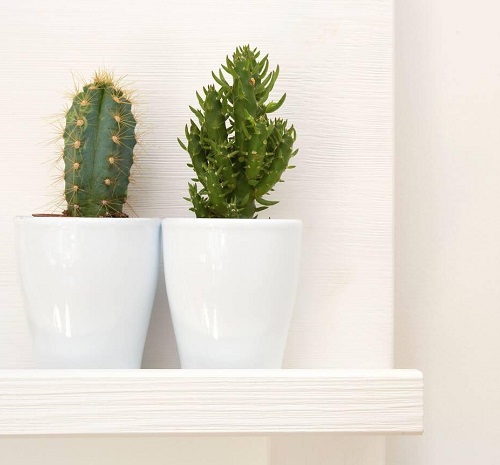
Even in the coziest apartments, the Ferocactus can make a statement. The trick is to scale it appropriately. A smaller species, like the Ferocactus glaucescens, with its powdery blue-green body and golden spines, can sit on a windowsill or a narrow console table without overwhelming the space. Pair it with a geometric ceramic pot in a contrasting color to draw the eye upward, creating the illusion of height. Mirrors are another secret weapon: place one behind the cactus to double its presence, making the room feel larger and more open.
For tiny balconies or terraces, consider a cluster of Ferocactus varieties with varying heights and spine densities. The visual interest created by their differences adds depth without clutter. Just ensure they’re in well-draining soil and receive ample sunlight—compact spaces demand precision.
Ferocactus in Eclectic and Global-Inspired Interiors
Global design is all about storytelling, and the Ferocactus is a natural storyteller. In a bohemian-inspired space with Moroccan lanterns, Indian block-print textiles, and African tribal art, the cactus becomes a bridge between continents. Its desert origins resonate with the nomadic spirit of eclectic decor, while its sculptural form adds a touch of modernity to traditional motifs. Place it on a vintage brass tray alongside a collection of small, handcrafted pottery, or nestle it into a woven basket for a touch of rustic charm.
For a more curated look, pair the Ferocactus with other desert-adapted plants, like the pencil cactus or the snake plant, to create a cohesive theme. The result is a space that feels worldly, intentional, and deeply personal.
Ferocactus as a Symbol: Infusing Meaning into Modern Decor
Beyond its aesthetic appeal, the Ferocactus carries symbolic weight. In many cultures, it represents resilience, protection, and endurance—qualities that resonate in modern life. Styling a Ferocactus in your home isn’t just about decor; it’s about embracing a mindset. Place it in your workspace to channel its tenacity during challenging projects, or in your bedroom to evoke a sense of quiet strength. Pair it with objects that hold personal significance, like a handwritten quote framed in black or a piece of art that speaks to your journey. The Ferocactus becomes more than a plant; it’s a talisman, a reminder of the power to thrive in adversity.
In a world that often feels chaotic, the Ferocactus offers a grounding presence. Its unyielding form and desert resilience are a quiet rebellion against the ephemeral trends of interior design. It doesn’t ask to be tamed; it asks to be seen.
FAQ
What is a Ferocactus?
Ferocactus is a genus of barrel cacti known for their prominent spines and geometric shapes, native to desert regions of the Americas.
How do I care for a Ferocactus indoors?
Ferocactus requires bright sunlight, well-draining soil, and minimal watering to thrive indoors, mimicking its natural desert environment.
Can Ferocactus be styled in small spaces?
Yes, smaller species like Ferocactus glaucescens work well in compact living areas, and using geometric pots and mirrors can maximize visual impact.
What design styles suit Ferocactus?
Ferocactus fits well in minimalist, industrial, monochromatic, biophilic, pop art, and eclectic global-inspired interiors.



Leave a Reply