
Short Answer
As the crisp whispers of autumn’s departure dance through the air, the resilient Lophophora—those enigmatic, spineless sentinels of the desert—begin their silent retreat into dormancy. This isn’t a surrender, but a masterclass in survival, a seasonal symphony where the plant’s metabolism slows to a near-halt, conserving energy for the burst of vitality that spring will bring. For the devoted cultivator, understanding this dormancy isn’t just horticultural wisdom; it’s an act of reverence. It’s the difference between a thriving, blooming masterpiece and a languishing, listless specimen. So, let’s embark on a journey through the winter care of Lophophora, where patience and precision become the gardener’s most potent tools.
The Science of Slumber: Why Dormancy is Non-Negotiable
Lophophora, like all cacti, is a creature of extremes, evolved to thrive in the parched, sun-scorched landscapes of northern Mexico and the southwestern United States. Its dormancy isn’t laziness; it’s a finely tuned evolutionary adaptation. When temperatures plummet and daylight wanes, the plant’s photosynthetic machinery retreats into dormancy, halting growth to avoid the fatal consequences of cold stress. Water uptake slows to a trickle, metabolic processes decelerate, and the plant enters a state of suspended animation. This isn’t merely a pause—it’s a strategic retreat, ensuring that when conditions improve, the Lophophora can rebound with vigor. Ignoring this natural rhythm is akin to demanding a bear run a marathon in winter; the results will be disastrous.
Signs of the Season: Recognizing Dormancy’s Onset
Discerning the subtle cues of dormancy’s arrival is an art form. The first whispers often arrive in late autumn, as the plant’s once-vibrant green flesh takes on a muted, bluish-gray hue—a visual cue that chlorophyll production is winding down. Growth slows to a crawl; new offsets, or “pups,” cease to emerge. The plant may appear to shrink slightly, its ribs contracting as it sheds excess water. Even the spines, those delicate, hair-like structures, may lose their usual rigidity, becoming limp and almost imperceptible. These aren’t signs of distress but of preparation. The observant grower will recognize these signals as the plant’s way of saying, “It’s time to rest.”
The Art of the Quiescent: Adjusting Your Care Routine
Winter care for Lophophora is less about active intervention and more about strategic withdrawal. The cardinal rule? Less is more. Watering should be drastically reduced—so much so that the soil remains barely damp, if at all. A good rule of thumb is to water only when the top inch of soil has dried completely, and even then, use a fraction of the usual amount. Overwatering during dormancy is a silent killer; it invites rot, a creeping menace that thrives in the cold, damp conditions of winter. Temperature control is equally critical. Lophophora thrives in cool conditions, ideally between 40°F and 50°F (4°C to 10°C). A garage, basement, or unheated greenhouse can provide the perfect refuge, away from the artificial warmth of indoor heating.
Light: The Elusive Elixir
While growth may halt, light remains a vital component of dormancy. Lophophora still requires exposure to natural light, though not the intense rays of summer. A bright, cool windowsill can suffice, but avoid south-facing exposures that might subject the plant to scorching midday heat. If natural light is scarce, supplement with a grow light, but keep it on a timer for 8–10 hours a day. The goal isn’t to coax the plant into growth but to prevent etiolation—the stretching and weakening that occurs when a plant stretches desperately for light. Think of it as a gentle nudge toward balance, not a demand for performance.
Pests and Predators: The Winter Watch
Even in dormancy, Lophophora isn’t immune to threats. Mealybugs and scale insects, those stealthy sap-suckers, can still infiltrate, especially if the plant is kept in a warm, humid environment. Regular inspections are crucial. Use a soft brush or a cotton swab dipped in isopropyl alcohol to gently remove any intruders. Avoid chemical pesticides during dormancy; they can stress the plant further. Instead, rely on mechanical removal and vigilance. Prevention is the best medicine, so ensure the plant is isolated from any infested specimens and that its environment remains dry and well-ventilated.
The Spring Awakening: Transitioning Out of Dormancy
As the days lengthen and temperatures rise, the Lophophora will begin to stir. This is the moment to resume care gradually. Start by increasing watering slightly, allowing the soil to dry between applications. Introduce the plant to brighter light over the course of a week, preventing shock from sudden exposure. Fertilizer should be withheld until active growth resumes—typically in early spring—when the plant’s roots are ready to absorb nutrients again. This transition period is delicate; rush it, and you risk jolting the plant from its slumber prematurely. Patience here is not just a virtue; it’s a necessity.
Troubleshooting: When Dormancy Goes Awry
Even the most attentive grower may encounter hiccups. If the plant appears shriveled or wrinkled, it may be dehydrated—though this is rare in dormancy, as the plant conserves water so effectively. More likely, the issue stems from overwatering, which manifests as soft, mushy spots or a foul odor. In such cases, remove the plant from its pot, trim away any rotten tissue, and repot it in fresh, dry soil. Conversely, if the plant is stretched or pale, it’s begging for more light. Adjust its position or supplement with a grow light, but do so gradually to avoid stress. The key is to observe, diagnose, and act with precision.
The Reward: A Resilient, Blooming Beauty
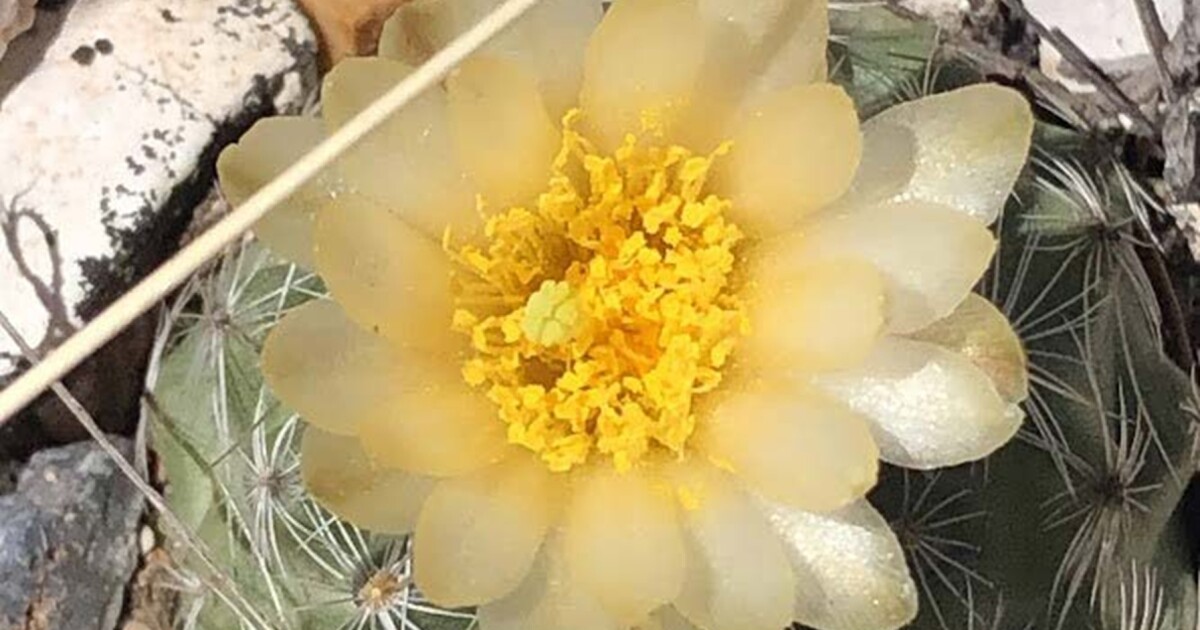
When spring arrives, the Lophophora that has weathered dormancy with care will reward you with a spectacle of nature’s ingenuity. The once-dormant crown will unfurl new growth, and in time, it may even produce its iconic pink or white flowers—a testament to the plant’s resilience and your dedication. This cycle of rest and renewal is not just about survival; it’s about thriving. It’s a reminder that growth isn’t always visible, that sometimes, the most profound transformations occur in silence. For the Lophophora, dormancy is not an obstacle but an opportunity—a chance to recharge, to prepare, and to emerge stronger than before.
FAQ
What is Lophophora dormancy?
Lophophora dormancy is the period during winter when the cactus slows its metabolism and growth to survive cold and low light conditions.
How should I water my Lophophora during dormancy?
Water very sparingly, only when the top inch of soil is completely dry, using a fraction of the usual amount to prevent rot.
What temperature is ideal for Lophophora during winter?
Lophophora thrives in cool temperatures between 40°F and 50°F (4°C to 10°C) during dormancy.
How do I recognize when my Lophophora is entering dormancy?
Signs include a muted bluish-gray color, slowed growth, no new pups, slight shrinking, and limp spines.
Can pests affect Lophophora during dormancy?
Yes, mealybugs and scale insects can infest dormant plants, so regular inspection and mechanical removal are important.




Leave a Reply