
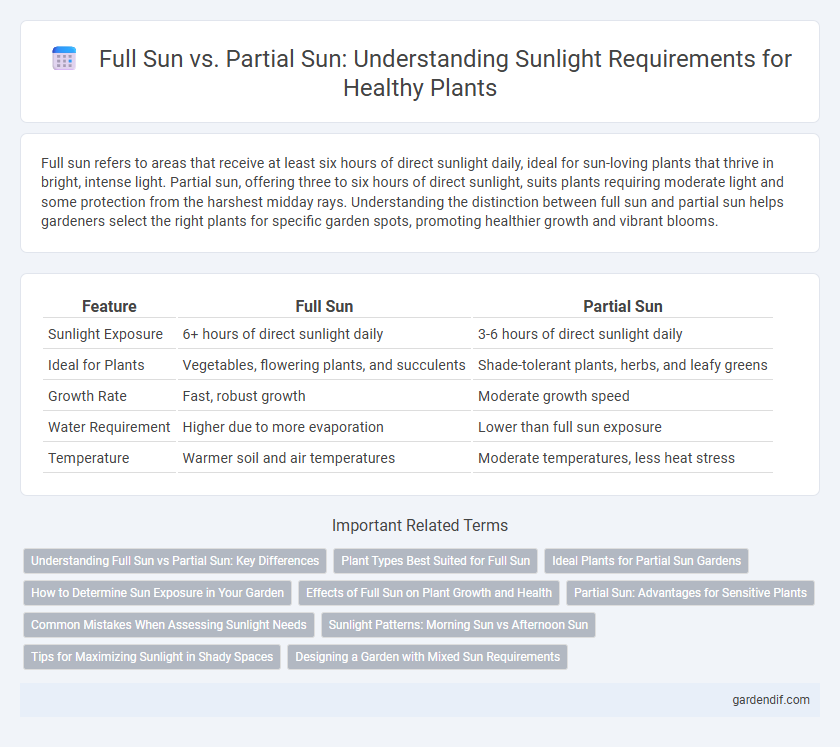
Short Answer
In the sun-drenched world of cacti, few genera captivate enthusiasts quite like Mammillaria. These diminutive yet resilient succulents, with their globular forms and intricate spine patterns, have earned a cherished place in both indoor collections and arid landscapes. Yet, their true brilliance often remains obscured by a common misconception: that all Mammillaria species thrive under the same relentless sunlight. The reality is far more nuanced, revealing a delicate dance between light intensity and botanical well-being that speaks to the genus’s evolutionary ingenuity.
The Myth of the Unyielding Sun-Lover
It’s easy to assume that every Mammillaria craves the full, unfiltered glare of a desert noon. After all, their native habitats—stretching from the American Southwest to the highlands of Mexico—are synonymous with scorching days and minimal shade. But this generalization overlooks the genus’s remarkable adaptability. While some species, like Mammillaria elongata or Mammillaria hahniana, bask contentedly in full sun, others, such as Mammillaria bombycina or Mammillaria theresae, exhibit a far more discerning palate. Their preference for partial shade isn’t a sign of weakness; it’s a testament to their survival strategy in environments where excessive light can be as detrimental as drought.
The distinction lies in their evolutionary origins. Species from lower elevations or more temperate regions have developed mechanisms to mitigate the risks of photoinhibition—the damage caused by too much light—while those from higher altitudes or shaded niches have evolved to capitalize on dappled sunlight. This divergence underscores a fundamental truth about Mammillaria: their light requirements are not a monolith but a spectrum, shaped by the same forces that sculpted their spines, ribs, and flowering habits.
The Science of Spines and Sunlight
To understand why some Mammillaria species favor partial shade, we must delve into the microscopic world of their epidermal structures. The dense, often hooked spines of these cacti aren’t merely decorative; they serve as a sophisticated light-regulation system. In full sun, the spines cast intricate shadows that reduce the intensity of light reaching the plant’s surface, preventing chlorophyll degradation and tissue damage. However, for species native to regions with frequent cloud cover or rocky overhangs, these spines may be less pronounced—or even absent—relying instead on a more subtle interplay between light and shade.
Chlorophyll, the pigment responsible for photosynthesis, is particularly vulnerable to photodamage when exposed to excessive ultraviolet radiation. In partial shade, Mammillaria species can optimize their photosynthetic efficiency without the constant stress of direct sunlight. This balance is especially critical for species like Mammillaria theresae, which hails from the Chihuahuan Desert’s higher elevations, where mornings are cool and afternoons are bathed in a golden, diffused light. Here, the cactus’s compact form and reduced spine density allow it to absorb just enough sunlight to fuel its growth without overheating or desiccating.
The Aesthetic and Ecological Implications
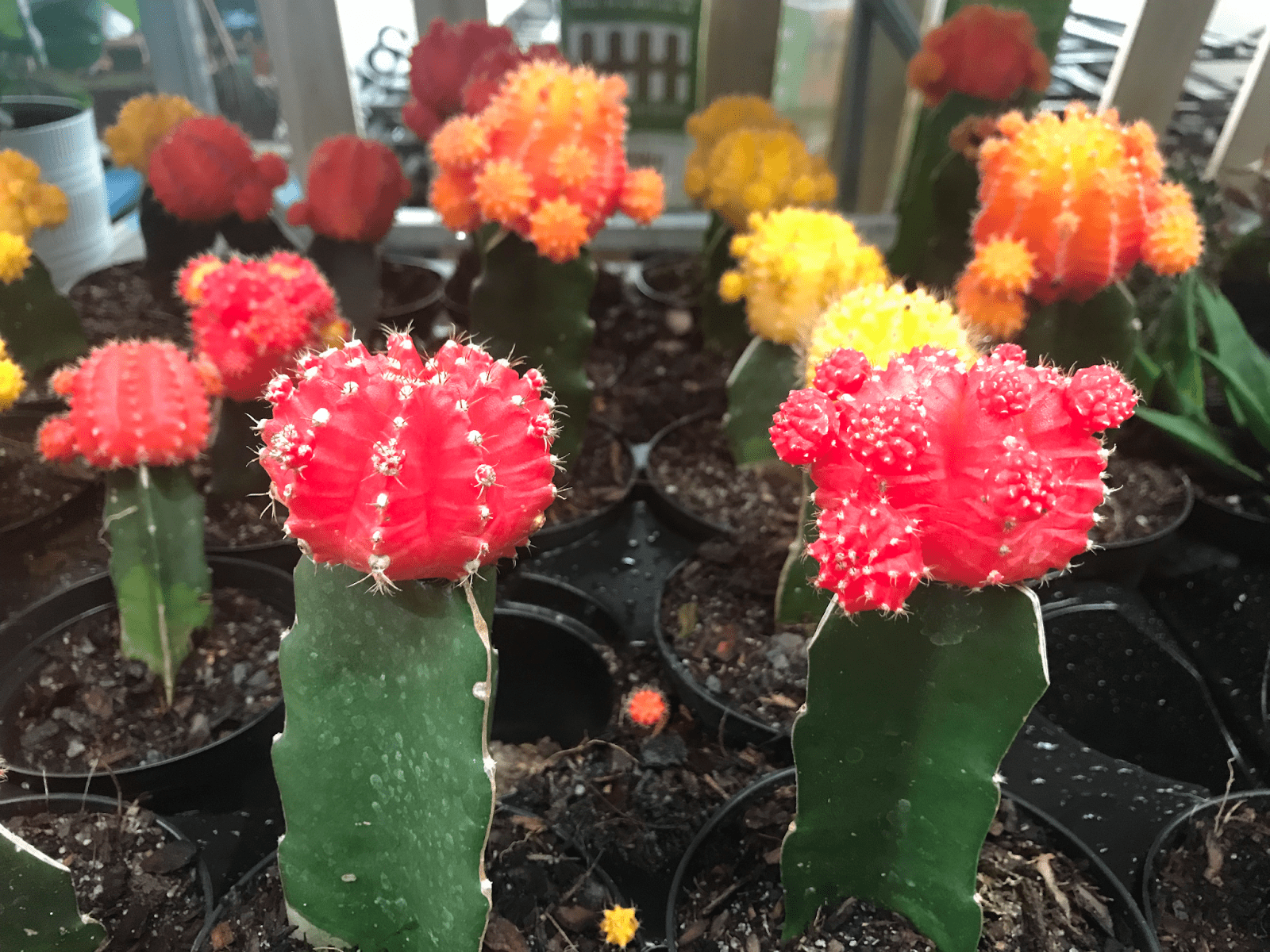
The interplay between light and Mammillaria extends beyond mere survival—it shapes their aesthetic allure and ecological role. In full sun, species like Mammillaria grahamii develop vibrant, almost fiery hues, their bodies turning shades of crimson or orange as a protective response to UV exposure. Conversely, those in partial shade often exhibit softer, pastel tones, their epidermis remaining a muted green or blue-green. This chromatic variation isn’t just a visual delight; it’s a survival tactic, with darker pigments offering additional protection against sunburn while lighter hues reflect excess heat.
Ecologically, the light preferences of Mammillaria species influence their interactions with pollinators and seed dispersers. Species in full sun, such as Mammillaria magnimamma, often produce bold, contrasting flowers that attract diurnal pollinators like bees and butterflies. In contrast, those in partial shade may favor more subdued, nocturnal blooms, relying on moths or bats to carry out pollination. This divergence highlights how light conditions can indirectly shape the reproductive strategies of an entire genus, weaving a complex web of adaptations that extend far beyond the cactus itself.
Practical Care: Navigating the Light Spectrum
For cultivators, distinguishing between full sun and partial shade preferences is essential to unlocking a Mammillaria’s full potential. Species that thrive in full sun—such as Mammillaria vetula or Mammillaria uncinata—require at least six hours of direct sunlight daily, with the ability to tolerate temperatures exceeding 100°F (38°C). These are the cacti that reward growers with rapid growth, prolific flowering, and the kind of bold, sculptural forms that make them stand out in any collection.
On the other hand, species that prefer partial shade—like Mammillaria plumosa or Mammillaria saboae—demand a more nuanced approach. These cacti benefit from bright, indirect light, with morning sun and afternoon shade proving ideal. In indoor settings, a south-facing window with a sheer curtain or an east-facing exposure can replicate their native conditions. Overhead grow lights should be positioned at a distance to avoid scorching, while outdoor growers might consider placing these species under the dappled canopy of a tree or alongside taller plants that cast shifting shadows throughout the day.
Watering practices must also align with light exposure. Full-sun species, accustomed to rapid evaporation, can tolerate less frequent watering but require well-draining soil to prevent root rot. Partial-shade species, meanwhile, may need slightly more moisture, as their reduced light exposure slows transpiration. The key is observation: a cactus that begins to etiolate (stretch unnaturally) or lose its vibrant coloration is signaling a need for more light, while one that appears bleached or sunken may be receiving too much.
The Deeper Fascination: Light as a Metaphor
Beyond the practicalities of cultivation, the light requirements of Mammillaria offer a metaphorical lens through which to view resilience and adaptability. These cacti, with their ability to thrive in conditions that would wither most plants, remind us that strength isn’t always synonymous with endurance in the harshest environments. Sometimes, it’s the capacity to seek balance—to find the sweet spot between extremes—that defines true hardiness.
In a world where extremes dominate headlines, Mammillaria species stand as quiet rebels, proving that even in the most unforgiving landscapes, there’s room for nuance. Their light preferences are a testament to the beauty of adaptation, a reminder that survival isn’t about conquering the sun but learning to dance with it. Whether you’re a seasoned collector or a novice grower, understanding these subtle distinctions can transform a simple cactus into a living study of nature’s ingenuity—one spine, one shadow, one sunbeam at a time.
FAQ
What are the light preferences of Mammillaria species?
Mammillaria species vary, with some requiring full sun and others thriving in partial shade depending on their native environment.
How do spines help Mammillaria manage sunlight?
Spines act as a light-regulation system by casting shadows that reduce light intensity and protect against photodamage.
What are signs a Mammillaria is getting too much or too little light?
Etiolation and faded color indicate too little light; bleaching and sunken tissues suggest too much light.
Can Mammillaria be grown successfully indoors?
Yes, by providing bright indirect light and mimicking their natural light conditions, Mammillaria can thrive indoors.
Does light exposure affect Mammillaria flowering?
Yes, full sun species tend to have vibrant flowers attracting daytime pollinators, while partial shade species may produce nocturnal blooms.
Leave a Reply