
Short Answer
In the verdant tapestry of the cactus world, where spines and succulence weave a story of resilience, there exists a horticultural alchemy that transforms the ordinary into the extraordinary. Mammillaria grafting—an ancient practice of fusing one cactus onto another—is not merely a technique; it is a dance of botanical ingenuity, a symphony of growth where two distinct species harmonize into a single, breathtaking entity. Whether you’re a seasoned horticulturist or a curious novice, the art of grafting Mammillarias with other cacti offers a gateway to a realm of possibilities. From enhancing vigor to creating living sculptures, this practice invites you to sculpt nature itself. Let’s embark on a journey through the lush valleys of grafting, where science meets artistry, and every cut, every splice, tells a tale of botanical innovation.
The Allure of Mammillaria Grafting: Why It Captivates Gardeners
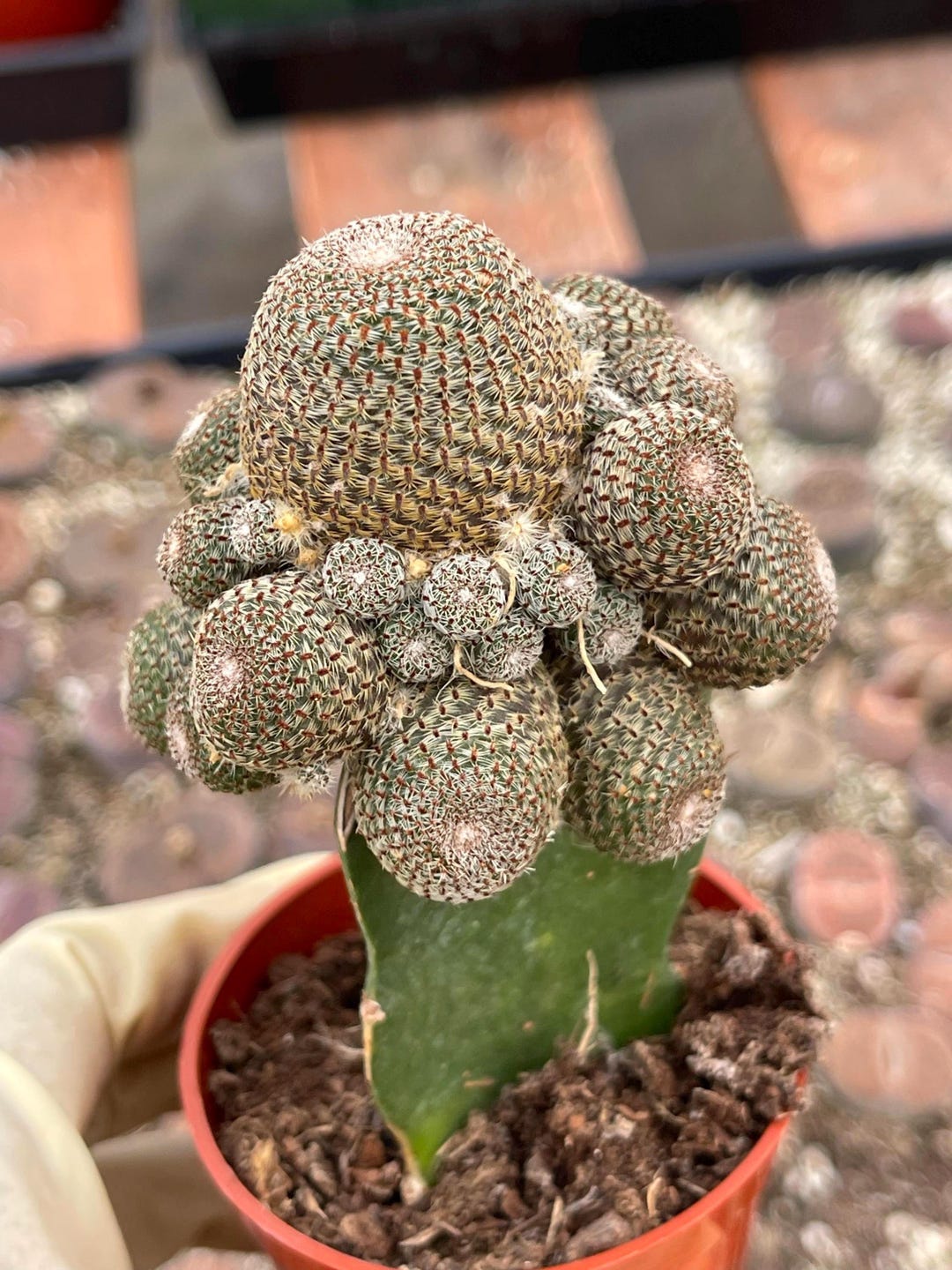
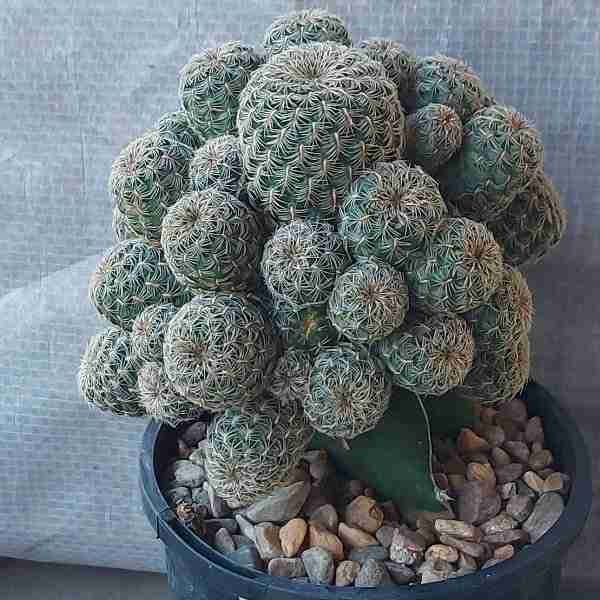
Mammillaria grafting is more than a horticultural trick; it’s a rebellion against the limitations of nature. These diminutive, globular cacti—often adorned with delicate, hair-like spines or vibrant flowers—are already enchanting. But when grafted onto a hardier, faster-growing stock, they transcend their modest origins. The result? A cactus that grows with unnatural speed, blooms with exuberance, and sometimes even defies the odds of survival in less-than-ideal conditions. For collectors, this means rare species can thrive without the patience of a saint. For artists, it’s a canvas where form and function merge. And for the pragmatist, it’s a way to rescue ailing cacti by giving them a new lease on life. The allure lies in the transformation: a once-fragile Mammillaria, now robust and radiant, stands as a testament to the gardener’s skill and the cactus’s adaptability.
Choosing Your Canvas: Selecting the Right Stock and Scion
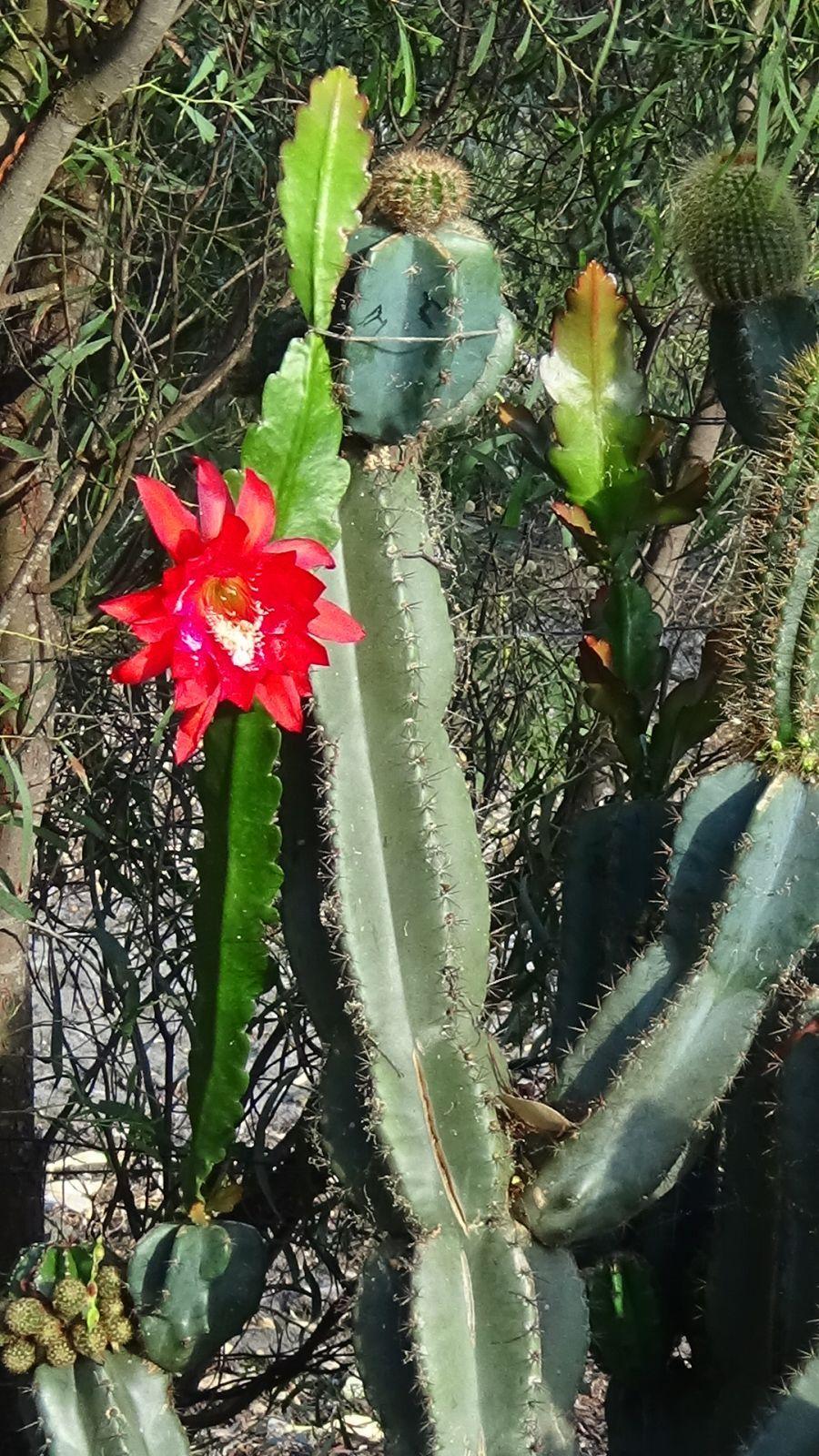
The success of your graft hinges on the choices you make before the first cut is even made. The stock—the base cactus onto which the Mammillaria (the scion) will be grafted—must be robust, disease-resistant, and fast-growing. Common choices include Echinopsis (the queen of grafting stocks), Pereskiopsis (a favorite for its rapid growth), or even other Mammillarias for a more uniform look. The scion, meanwhile, should be healthy, with no signs of rot or pests, and ideally, a species that benefits from the graft’s vigor. Consider the aesthetic, too: a Mammillaria elongata grafted onto a Hylocereus stock creates a striking contrast, while a Mammillaria hahniana on Echinopsis yields a more classic silhouette. Think of it as matchmaking—each pairing should complement the other in growth rate, texture, and eventual form.
The Tools of the Trade: Equipment for a Flawless Graft
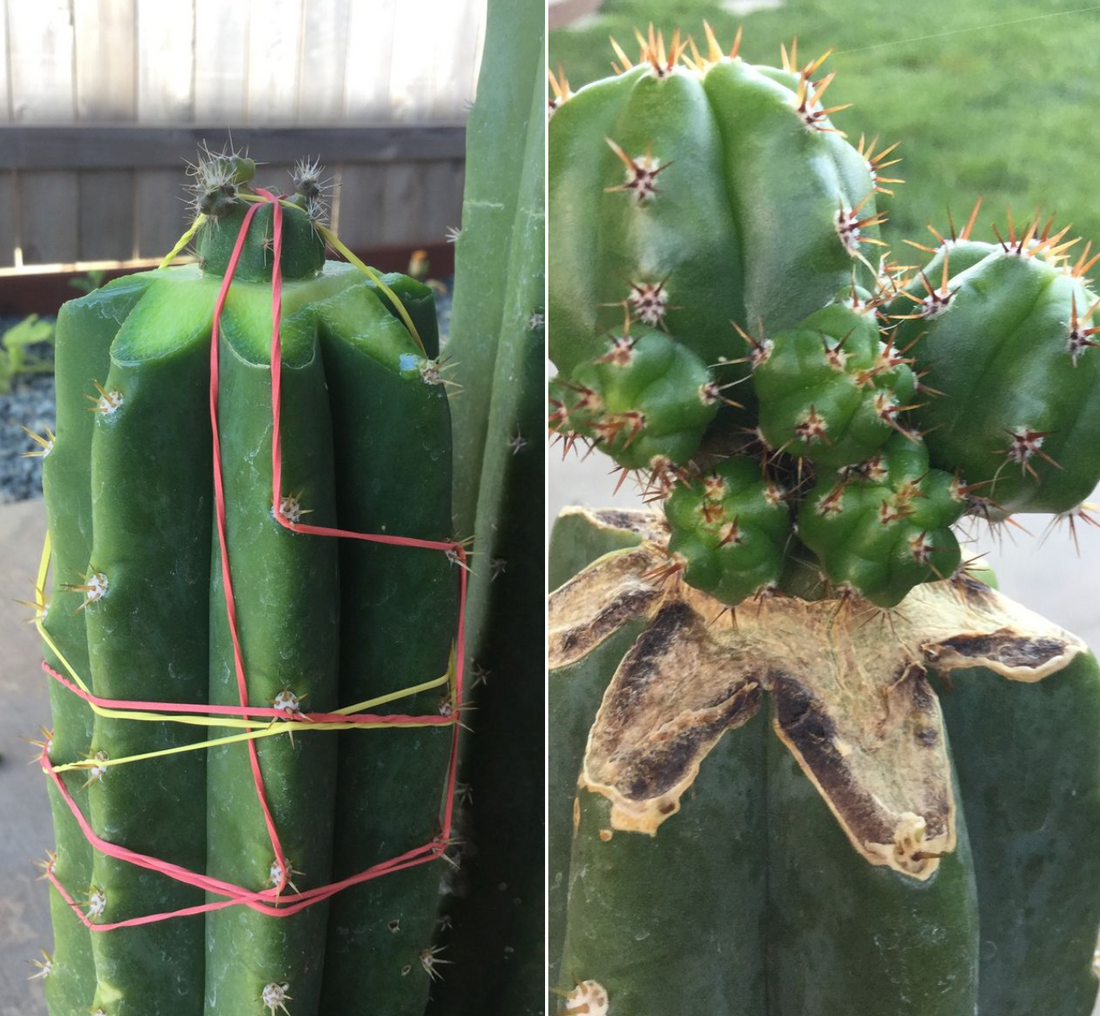
Precision is paramount in grafting, and the right tools can mean the difference between a thriving union and a botanical tragedy. A sharp, sterilized razor blade or grafting knife is non-negotiable—dull blades crush tissue, dooming your graft before it begins. Rubbing alcohol or hydrogen peroxide will sanitize your tools, while a steady hand (or a pair of forceps for smaller cacti) ensures clean cuts. Some gardeners swear by grafting wax or rubber bands to secure the union, while others prefer the simplicity of a weight or a rubber band to hold the scion in place. Don’t overlook the importance of a magnifying glass—those spines may be tiny, but they’re mighty in their ability to obstruct your view. And of course, patience: rushing the process is the surest way to invite failure.
Step-by-Step Alchemy: The Grafting Process Demystified
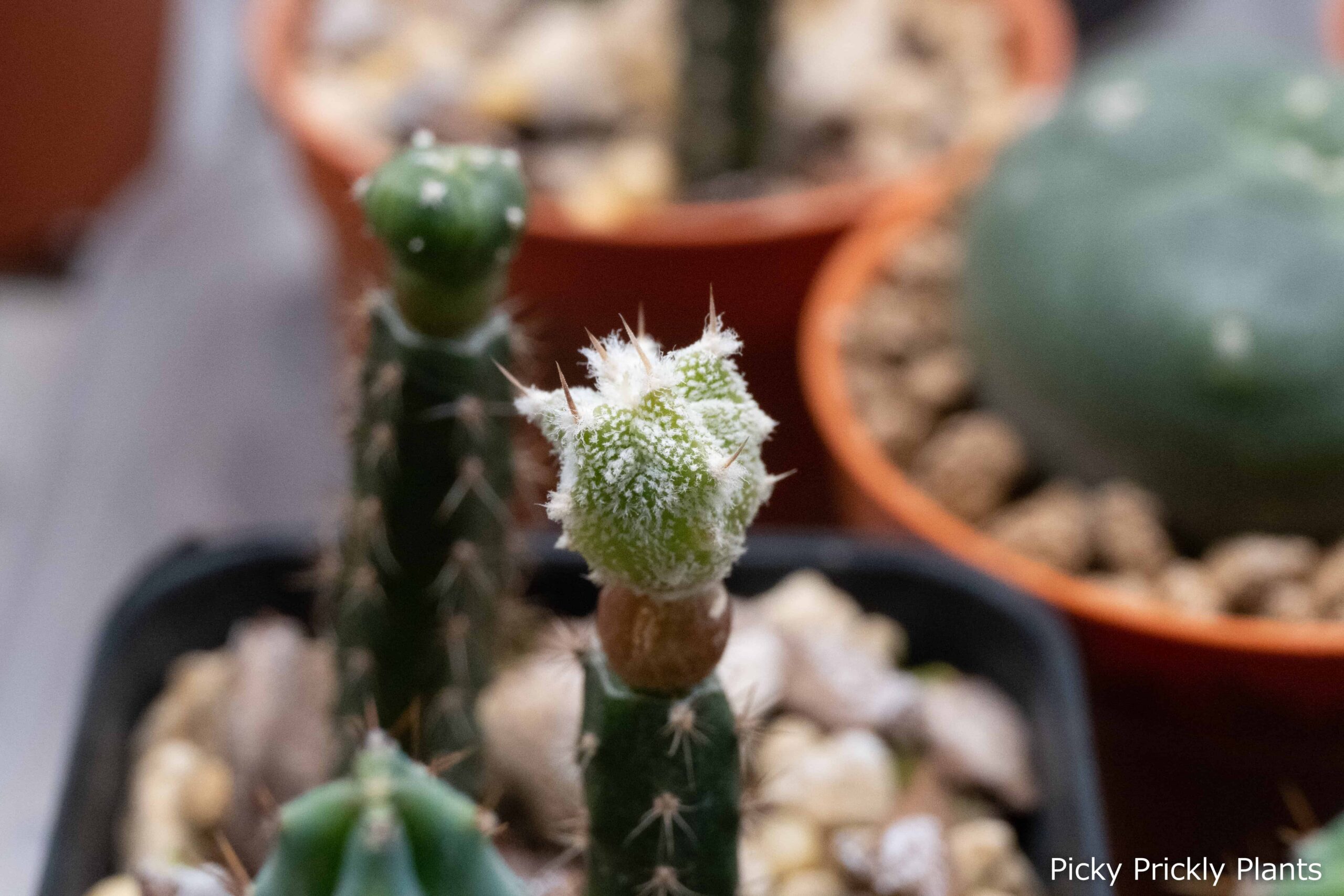
The grafting ritual begins with a clean slate. Sterilize your tools, then make a horizontal cut across the top of your stock, ensuring the surface is flat and smooth. The scion, too, must be cut cleanly—ideally at a slight angle to maximize surface area contact. Press the scion onto the stock with gentle but firm pressure, aligning the vascular bundles (the tiny, thread-like structures that transport water and nutrients) as closely as possible. This alignment is the secret to a successful graft; misalignment starves the scion of vital resources. Secure the union with a grafting band, a weight, or even a dab of grafting wax to prevent moisture loss. Place the grafted cactus in a shaded, humid environment—think of it as a recovery ward—and resist the urge to disturb it. In a few weeks, if all goes well, you’ll notice new growth at the scion’s base, a sign that the two have truly become one.
Post-Graft Care: Nurturing Your Botanical Masterpiece
A grafted cactus is a delicate convalescent, and its care demands a tender touch. For the first few days, keep it in bright, indirect light—direct sun is a shock to its system. Humidity is your ally; a humidity dome or a plastic bag with ventilation holes can prevent the scion from drying out. Water sparingly, just enough to keep the soil lightly moist, and avoid fertilizing until you’re certain the graft has taken. Watch for signs of distress: a shriveled scion or a stock that’s rotting at the base are red flags. If the graft fails, don’t despair—sometimes, the stock will still produce offsets or pups, giving you a second chance at life. Patience is your greatest tool here; even the most skilled graft artists lose some battles, but every failure is a lesson in disguise.
Creative Possibilities: Designing with Grafted Mammillarias
Once you’ve mastered the basics, the real fun begins: designing with grafted Mammillarias. Imagine a Mammillaria plumosa grafted onto a Myrtillocactus geometrizans stock, its feathery spines cascading like a waterfall over a columnar base. Or a cluster of Mammillaria elongata grafts, each with a different spine color, arranged in a living mosaic. The possibilities are limited only by your imagination. Some gardeners create “cactus towers” by grafting multiple species onto a single, tall stock, while others craft miniature landscapes where grafted cacti play the role of trees or shrubs. For the truly ambitious, grafting can even be used to create hybrid species, though this requires deep knowledge of genetics and patience beyond measure. The key is to experiment—mix textures, colors, and forms until you find a combination that speaks to your soul.
Troubleshooting: When Grafts Go Awry
Even the most meticulous gardeners encounter setbacks, and grafted cacti are no exception. If your scion turns mushy or blackens, it’s likely succumbed to rot—a sign of poor sterilization or excessive moisture. A shriveled scion, on the other hand, points to dehydration or misalignment during the graft. Sometimes, the stock and scion simply refuse to bond, a phenomenon known as incompatibility. In such cases, try a different stock or scion, or attempt the graft again with fresh cuts. Pests, too, can derail your efforts; mealybugs and scale insects adore the tender new growth of grafted cacti. Regular inspections and a vigilant eye will help you catch these invaders before they wreak havoc. Remember, every failed graft is a step toward mastery—each mistake teaches you something new about the intricate dance of plant life.
The Ethical Gardener: Responsible Grafting Practices
As with any form of horticultural intervention, grafting comes with ethical considerations. While it’s a powerful tool for conservation—allowing rare or endangered cacti to thrive—it’s crucial to source your stock and scion responsibly. Avoid wild-collected plants, as this contributes to the depletion of natural populations. Instead, opt for nursery-grown stock or propagate your own from cuttings. Be transparent about your methods, especially if you’re sharing or selling grafted cacti, and educate others on the benefits and limitations of grafting. And always, always prioritize the health of the plant over aesthetic perfection. A grafted cactus is a living thing, not a mere decoration—it deserves respect, care, and a life free from unnecessary suffering.
Beyond the Basics: Advanced Techniques and Future Frontiers
For those who’ve conquered the fundamentals, advanced grafting techniques offer a thrilling frontier. Inarching, where a separate rootstock is grafted to a scion to provide additional support, is a game-changer for top-heavy cacti. Approach grafting, where two plants are grafted while still attached to their roots, allows for experimentation without risking the scion’s life. Some enthusiasts even explore intergeneric grafting, fusing cacti from different genera to create entirely new forms. The future of grafting may lie in biotechnology, with scientists exploring ways to enhance graft success through genetic modification. Whatever the path, the spirit of innovation remains the same: to push the boundaries of what’s possible in the world of cacti.
Mammillaria grafting is more than a technique—it’s a celebration of life, a testament to the gardener’s ingenuity, and a reminder that nature is endlessly malleable. Whether you’re driven by science, art, or sheer curiosity, the world of grafted cacti awaits. So grab your razor blade, choose your partners wisely, and let the alchemy begin. Your botanical masterpiece is waiting.
FAQ
What is Mammillaria grafting?
Mammillaria grafting is the process of joining Mammillaria cacti with other cacti to improve growth and create unique forms.
What tools do I need for grafting?
Essential tools include a sharp grafting knife, sterilizing agents like rubbing alcohol, and grafting wax or rubber bands.
How do I care for a grafted cactus?
Keep the grafted cactus in indirect light, maintain humidity, and water sparingly until the graft is established.
Leave a Reply